If you've still been entertaining the illusion that Chestny Znak mandatory labeling only applies to dairy producers, shoemakers, and fur coat sellers, I have sobering news for you. November 2026 has become a true watershed for marketplace sellers: the state digital tracking system is tightening the screws so hard that familiar gray schemes involving re-stickering tags and buying shady codes are turning into a direct path to criminal fines and account bans.
New November Categories and the 30th Stock Deadline
As of November 1, 2026, the list of products subject to mandatory labeling expanded across several massive product segments at once:
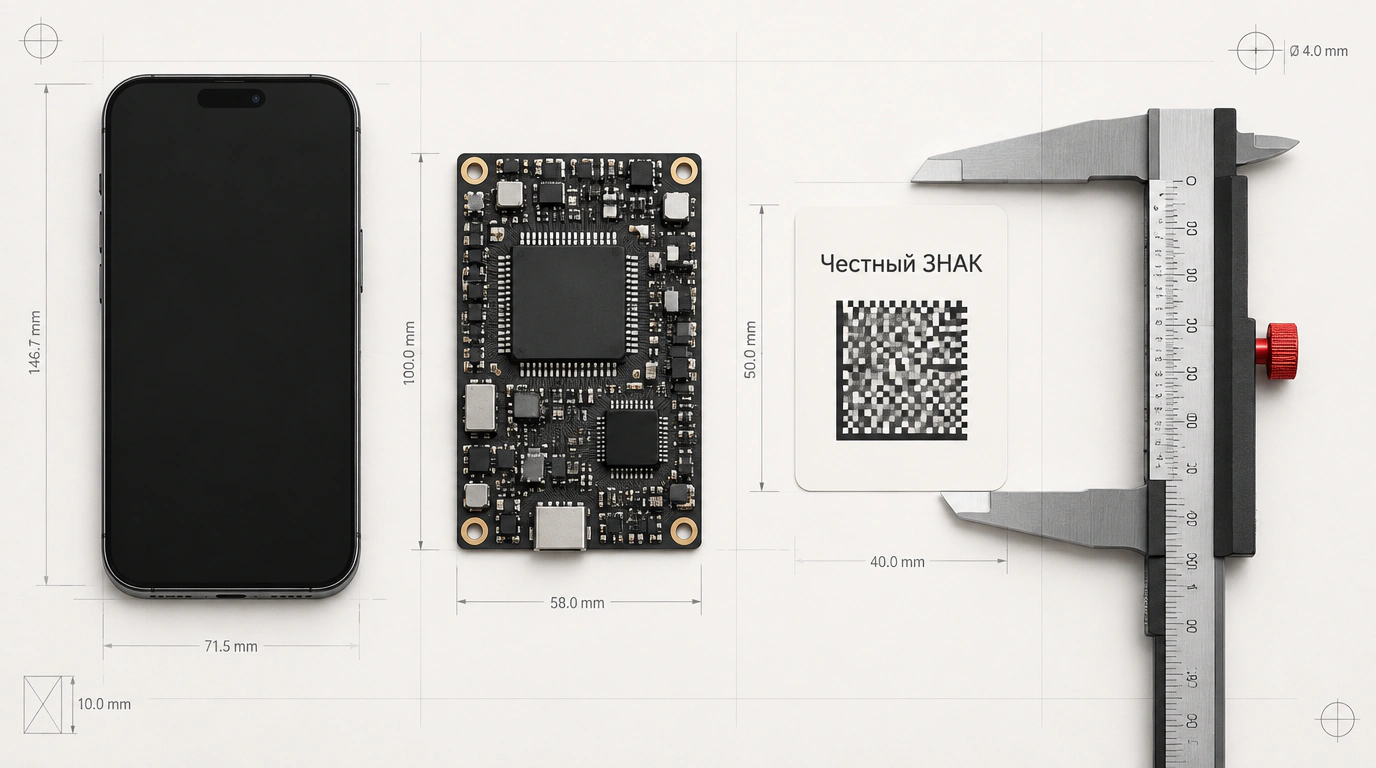
- Radio electronics and computers: smartphones, feature phones, portable computers and laptops weighing up to 10 kg, printed circuit boards, transformers, LED lamps, and household electrical wiring accessories.
- Workwear and PPE: industrial suits, protective coveralls, life jackets, hard hats, safety goggles, protective gloves, and safety harnesses.
- Consumer fertilizers: nitrogen, phosphorus, and potassium compounds in small packages up to 10 kg.
- Long-shelf-life dairy products: items with a shelf life exceeding 40 days have transitioned to strict batch-level tracking.
The main trap lies in the deadline for labeling existing warehouse stock: market participants have been given a hard cutoff of exactly November 30, 2026. If you still have unlabeled goods from these lists sitting in Wildberries or Ozon warehouses on December 1, the marketplaces will simply pull the listings from the storefront within 12 hours. Earlier, we reminded you how the regulator's September milestone and automated Chestny Znak fines reshaped supply rules, and the November phase closes the remaining loopholes.
Fines for selling goods without DataMatrix codes reach up to 300,000 rubles for legal entities, along with full confiscation of the entire detected batch.
Decree No. 1413: Why Factories Will Start Getting Denied KIZ Codes
An even more tectonic shift is embedded in Russian Government Decree No. 1413 of October 27, 2026, which enters into full legal force on December 29, 2026. The document grants operator CRPT the unprecedented right to refuse issuing labeling codes to enterprises.
Under what grounds can code issuance now be blocked:
- Absence from GISP: if the production site or specific product is not listed in the State Information System of Industry (GISP).
- Capacity mismatch: if a small workshop with five seamstresses requests a million codes per month, the system automatically flags it as legalization of illicit imports and refuses to issue KIZ codes.
- Refusal of video monitoring: operator inspectors are entitled to demand photo and video verification of operating production lines with geolocation directly via a mobile app.
- Gaps in certificates: any discrepancy with the Rosakkreditatsiya registry will trigger an immediate suspension of code issuance.
For sellers who contract private-label (STM) manufacturing at small semi-underground factories, this is a red alert: check your contractors' status in GISP right now, or you'll have nothing to ship in January.