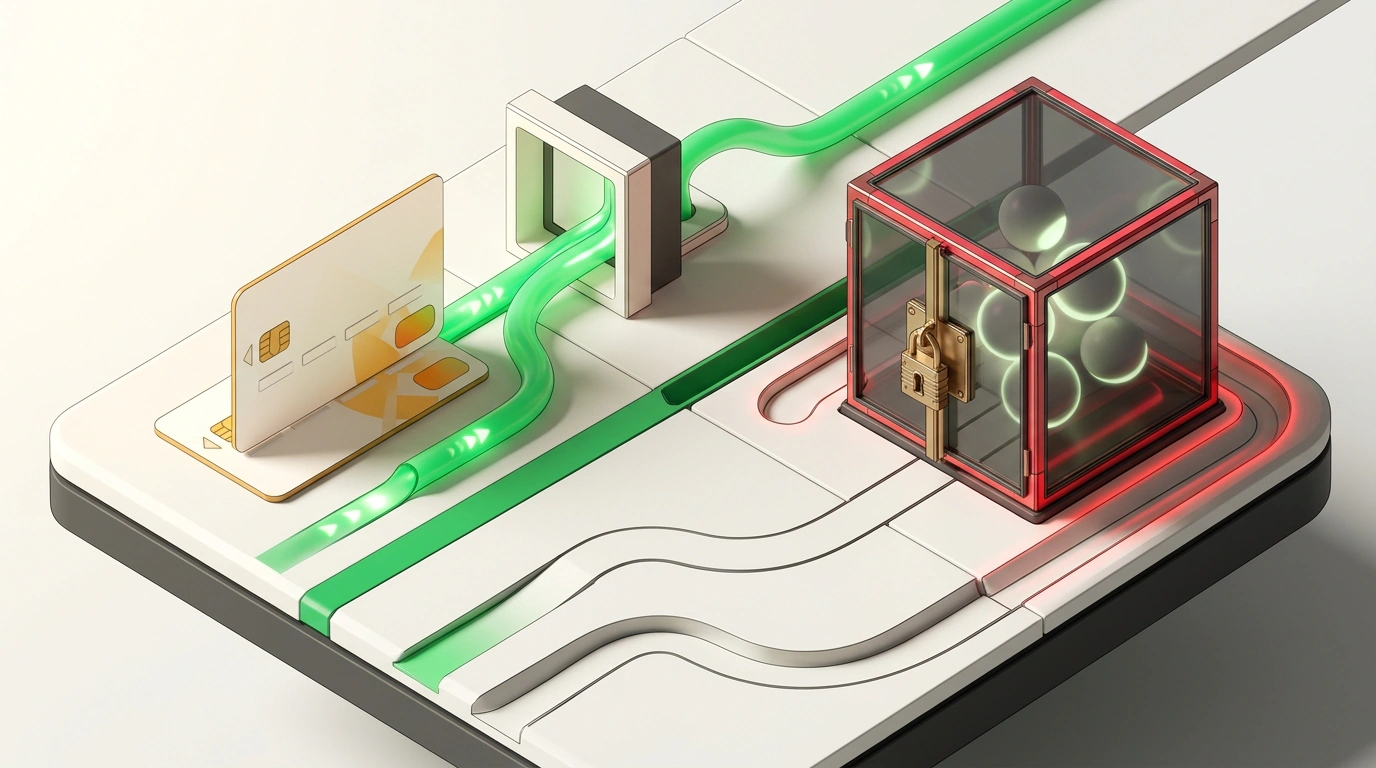
It seems obvious that canceling an online order works like a refund at a corner store register: whichever card you paid with, the money goes back there. Yet Wildberries and Ozon frequently route refunds by default not to an external bank, but to their own accounts—Ozon Банк or WB Кошелек—keeping cash inside the ecosystem.
The Bank of Russia has sent the Ministry of Economic Development a proposal to close this maneuver and mandate refunds strictly back to the original payment card. I looked at the initiative through a seller’s eyes: why did internal balances become a trap for buyers, and how will the reform affect your repeat sales?
How a Refund Turns into a Locked Balance Inside the Platform
The problem starts with the fact that a buyer often doesn’t even know an account was opened: an anonymous e-wallet is created automatically upon registration or checkout. As long as orders fit, the person doesn’t notice it—right up until the first rejection at fitting.
What struck me in this scheme is how storefront rules collide with the law on an ordinary purchase. Say a customer ordered a jacket from your listing for 8,000 ₽ using a Sber payroll card. At the pickup point (ПВЗ), the item didn’t fit, the buyer canceled, and the money landed not in Sber, but in an unnamed WB Кошелек. That’s where Federal Law No. 161-FZ kicks in: an unidentified account has a balance cap of 15,000 rubles, while transfers to individuals and withdrawals to bank accounts via the Faster Payments System (СБП) are blocked.
To get the sum back onto their card, the app demands identity verification via «Госуслуги» or a passport. It’s like returning boots to a store, getting mall tokens, and hearing at the exit that you must show a passport to exchange them for rubles. Not everyone is willing to share documents with a marketplace’s bank: the cash stays locked on the storefront, the marketplace gets free funding—essentially an interest-free pool of other people’s money circulating in its bank—and it’s easier for the customer to spend the balance right there.
Direct Acquiring Refunds and Banking Supervision
The Central Bank explicitly stated that this practice violates people’s right to freely manage their own money. Under the regulator’s proposal, a direct acquiring refund must apply—an interbank reversal strictly to the original payment card. Crediting funds to another account, including an internal wallet, would be allowed only when the buyer explicitly and knowingly chooses that option.
At the same time, the Central Bank proposed extending banking rules for selling financial products to platforms and bringing marketplaces under its direct supervision perimeter alongside credit institutions—I traced the roots of this dispute in the piece on the standoff between banks and marketplaces at SPIEF. There’s no need to overhaul your financial model today: the initiative is still undergoing interagency review, and a ban will require amendments through the State Duma.
What Changes in Repeat Orders and Discounts for the Seller
Even before the law passes, I’d advise estimating on that same 8,000 ₽ jacket how a new refund route affects your buyer. In an internal wallet, the sum appears within minutes and feels like money “already sitting on the platform”—the customer reorders the next size within hours. With a refund to a Sber card, an interbank transfer takes 1 to 3 business days depending on the issuing bank.
For our trade, this changes two things. First, on the evening of the fitting the customer has no free cash on hand, and a couple of days later the rubles back on the card easily drift offline—impulse reorders cool down. Second, internal settlements gave platforms massive upside, which was covered in the breakdown of marketplace fintech profits without external acquiring. Right now, platforms reward paying with their own cards via discounts of up to 3–5%, but without free refund liquidity, loyalty terms could get trimmed.
What to factor into your listing strategy right now:
- Status of the rule. The Central Bank’s proposal is in interagency review and awaiting State Duma amendments, so settlements still run the old way for now.
- First-try buyout. Because of the interbank refund pause, some apparel and footwear rejecters won’t come back to reorder the same evening—accurate size charts and real measurements protect turnover.
- Margin without wallet discounts. If platforms trim discounts on their own cards, storefront prices will creep up without your input, so unit economics need to work at your base price.
The Central Bank’s initiative removes the «Госуслуги» barrier and restores honest banking logic to shopping. And when a buyer’s money isn’t locked inside someone else’s wallet, the winner is the seller whose product walks out of the pickup point on the first try.