Issue October 22Daily digest · 8 items
In this issueReviewed 35 sources, gathered 8 items
Minimalist still life with an empty ceramic plate, a food diary notebook, and fresh ingredients on a light linen table
ArticleHealthNutritionGastroenterologyDigestion

Why People Lose Weight With IBS: When Food Fear Is to Blame, Not Disease

When weight starts dropping alongside stomach pain and bloating, your first thought is almost always catastrophic—inflammation or a tumor tearing tissue apart from the inside. Yet in outpatient gastroenterology, 95–99% of cases are not caused by intestinal damage at all, but by sitophobia—an unnoticed fear of eating.

After a bout of cramping, you subconsciously cross one food after another off your plate: first dairy, then fruit, fats, and bread. Portions shrink in half, and a 500 kcal daily deficit steadily strips away half a kilo a week. The intestinal villi in IBS remain completely healthy and absorb nutrients normally—your body simply has nothing left to absorb.

Here is how to tell functional weight loss apart from true malabsorption, which red-flag symptoms call for a colonoscopy, and how to safely bring food back to your plate without triggering pain.

👍 0
Гастроэнтеролог ХАРИТОНОВ Андрей ГеннадьевичКлинические рекомендации Российской гастроэнтерологической ассоциации по диагностике и лечению СРК
October 22
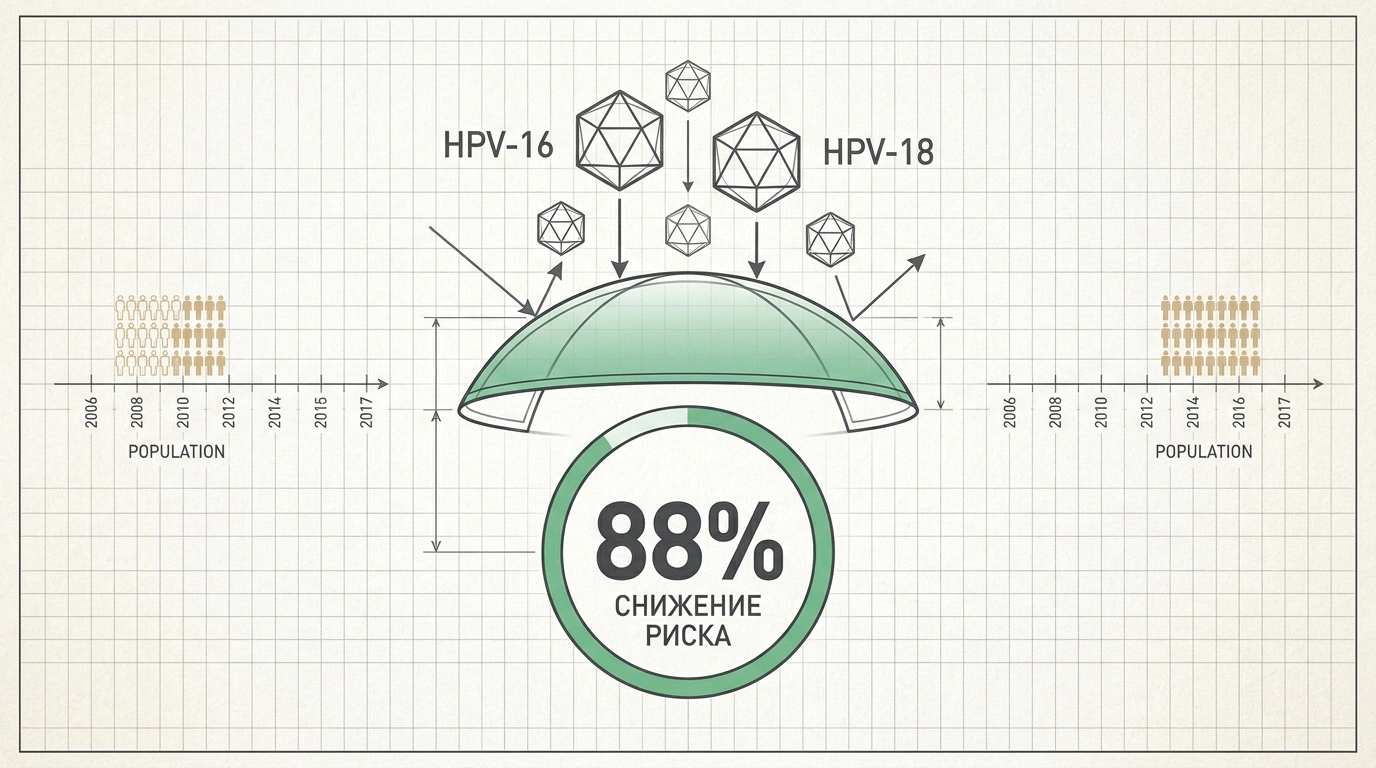
Infographic patent-style blueprint showing a protective umbrella shield blocking virus particles against a Swedish registry grid background
ArticleHealthPreventionVaccinationOncology

The HPV Vaccine Myth: Why the Shot Cuts Cancer Instead of 'Making Room' for Other Strains

If we vaccinate against two or four types of the virus, won't other, deadlier mutants rush in to take their place? That skeptical argument is often raised by opponents of human papillomavirus (HPV) vaccination.

It sounds logical for forest ecology, but virology works differently. A nationwide Swedish study of 1.67 million women (NEJM) and UK data in The Lancet proved that vaccination cuts invasive cervical cancer risk by 88% when given before age 17 and slashes precancerous changes by 97%. Over 13+ years of follow-up, no surge in other cancer-causing strains occurred—on the contrary, antibodies provide partial cross-protection against related viruses too.

We break down the population-level evidence, the differences between available vaccines, and the age windows for effective protection.

👍 0
Бородатый не пробовал...NEJM: HPV Vaccination and the Risk of Invasive Cervical Cancer in Sweden
October 22
Comparative still life of a juicy halved ripe apple beside a clear glass jar with no vitamin capsules
ArticleHealthNutritionDieteticsVitamins

The 'Empty Food' Myth: Does a Healthy Person Need Daily Supplements and Multivitamins?

Supplement marketing has relied on the same scary pitch for years: modern food has supposedly become 'synthetic filler,' apples and spinach have 'zero vitamins left,' and the only way to avoid decline is swallowing handfuls of multivitamins.

When you check the actual science, though, the myth of starving in front of a full plate falls apart. A classic USDA study (Davis, 2004) showed that a 6–38% drop in minerals comes from the 'dilution effect'—breeders selected larger, juicier, higher-yielding crops that hold more water. Meanwhile, a massive 27-year study of 390,000 people in JAMA Network Open proved that daily multivitamins do not extend life or protect against heart attacks or cancer.

Let's look at produce agrobiology, the hidden risks of hypervitaminosis, and the four specific situations where supplements are genuinely backed by science.

👍 0
Бородатый не пробовал...Davis et al. 2004: Changes in USDA Food Composition Data for 43 Garden Crops
October 22
News · October 221 news item

A Quarter of Cancer Cases in Russia Linked to Alcohol and Smoking: Ministry of Health Data

At the 11th All-Russian Congress of Cancer Patients, the Ministry of Health presented key figures: a quarter of all cancer cases in Russia are caused by smoking (one in five) and alcohol (one in twenty). These are completely preventable risk factors, and free preventive screening under OMS helps catch tumors in time.

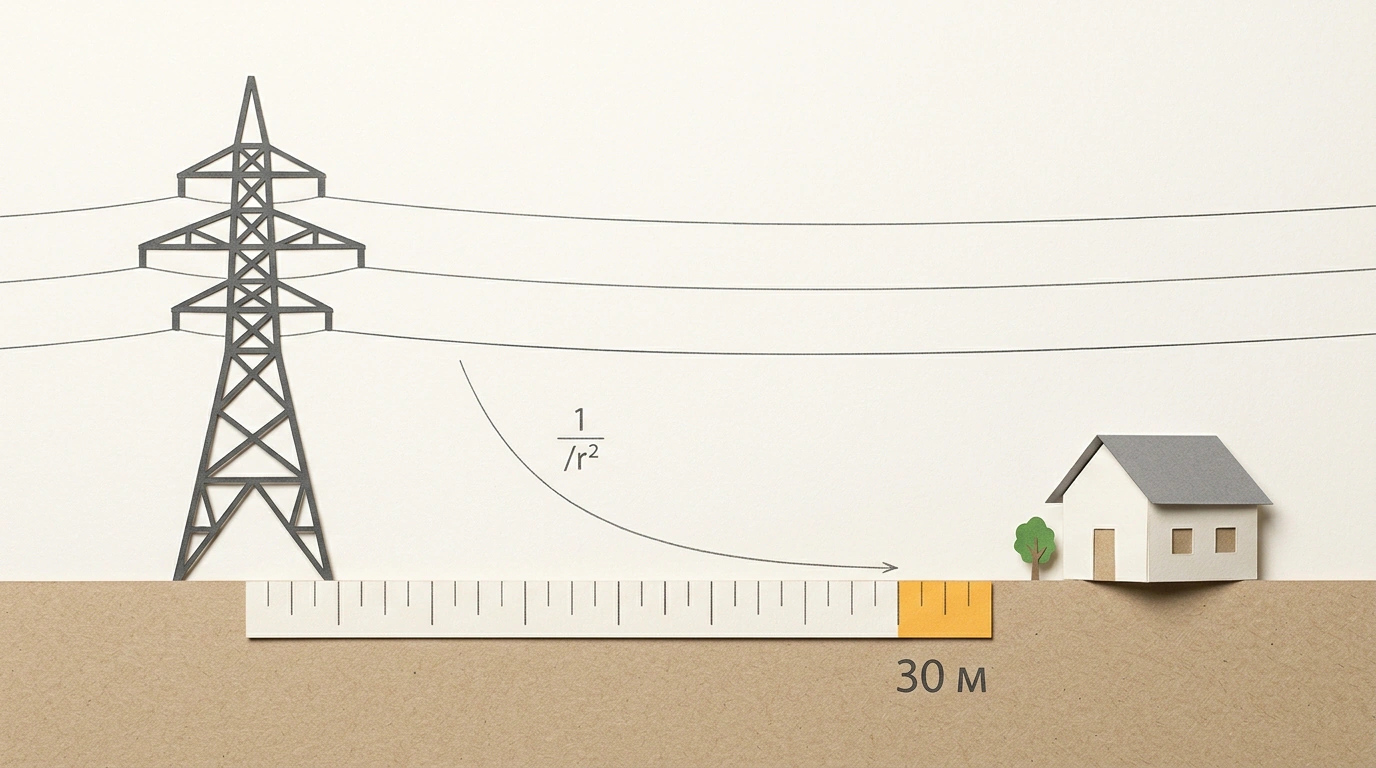
Paper collage featuring a high-voltage power pylon, safe distance markers, and a field-attenuation graph
ArticleHealthSafetyEcologyResearch

Electromagnetic Fields and Health: Is It Safe to Live Near High-Voltage Power Lines?

The sight of giant metal high-voltage power pylons outside a new apartment window often triggers a cold, creeping fear: online rumors warn of radiation, chronic insomnia, and leukemia. Yet an unbridgeable gulf separates physical reality from everyday radiophobia.

Power lines generate an industrial-frequency 50 Hz electromagnetic field—strictly non-ionizing radiation. Its quantum energy is trillions of times weaker than the threshold needed to damage DNA molecules. France's GEOCAP study of 45,000 children showed that a faint statistical signal within 50 meters has no dose-response link to field strength and is explained by housing quality and busy highways along utility corridors. Field strength also drops inversely with the square of the distance, matching household appliance levels within 30–40 meters.

We unpack the WHO Group 2B classification, SanPiN buffer zones, and the real rules for living safely near electrical grids.

👍 0
Dr.iolantaWHO Fact Sheet: Electromagnetic Fields and Public HealthBritish Journal of Cancer: GEOCAP Study on Power Lines and Childhood Leukaemia
October 22
Painterly study of a ceramic crock of thick white sour cream, a wooden spoon, and fresh herbs
ArticleHealthNutritionDieteticsDiet

What Happens If You Eat Sour Cream Every Day: Balancing Fats, Cholesterol, and Gut Health

In fitness circles, sour cream sparks wild extremes: strict dieters brand it a 'hidden cholesterol strike on your arteries,' while keto fans praise it as a probiotic superfood. The mistake lies in judging a whole food by a single nutrient in isolation from broader biochemistry.

Endocrinologist Maxim Kuznetsov notes that 100 grams of sour cream cover a third of your daily vitamin A and 20% of your vitamin B12, while its fats gently stimulate gallbladder contraction via cholecystokinin, helping prevent sluggish bile. Better yet, the milk fat globule membrane (MFGM) binds cholesterol molecules in the gut, offsetting cardiometabolic risks within a moderate diet. The real trap is calorie density, when generous spoonfuls quietly add 400 extra kcal a day.

Here is how to pick the right fat percentage, why fat-free sour cream isn't worth buying, and how to enjoy its flavor without hurting your fitness goals.

👍 0
Максим КузнецовBritish Journal of Nutrition: Effects of Milk Fat Globule Membrane on Cardiometabolic Markers
October 22
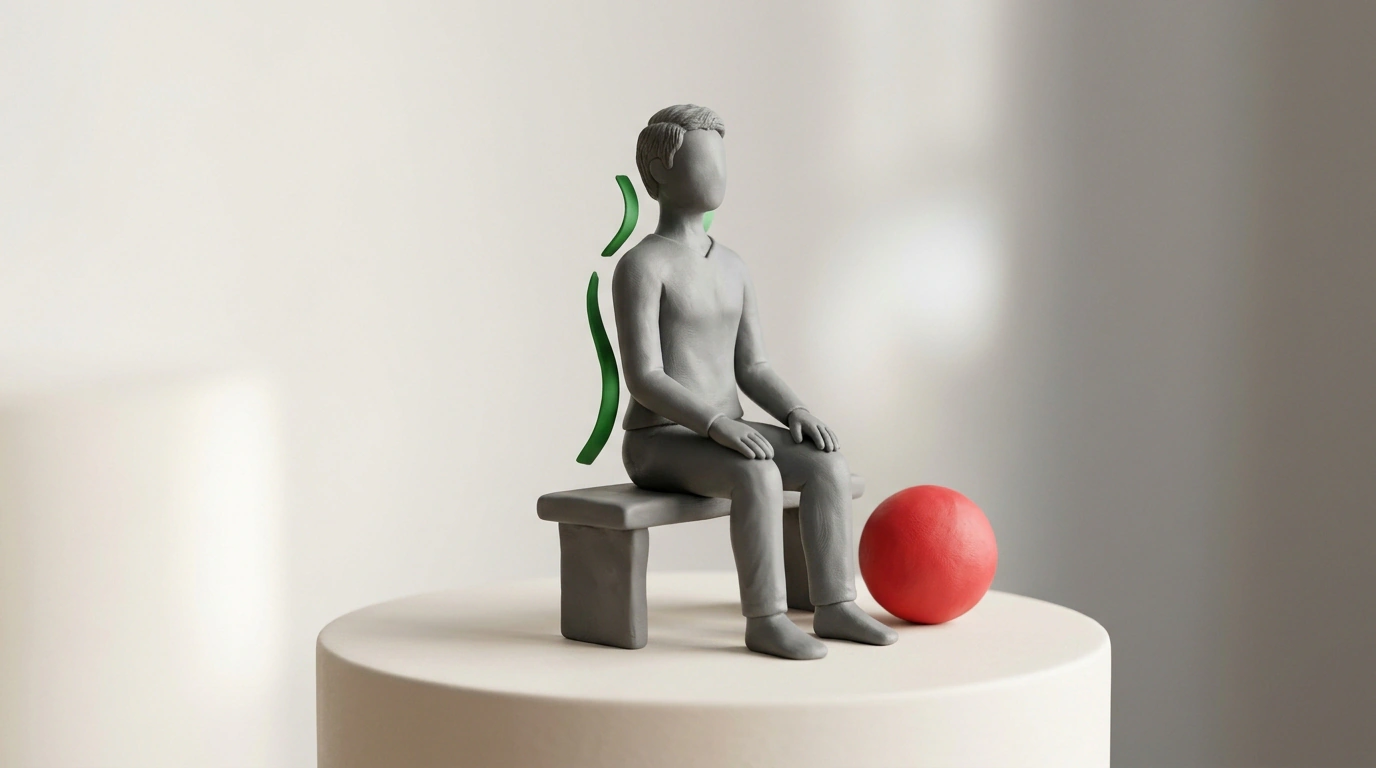
Clay sculpture showing a supple human figure with open shoulders beside a rubber massage ball
ArticleHealthTrainingFitnessPosture

Why You Shouldn't Force Your Back Straight: How to Fix Slouching and Shoulder Tension

'Sit up straight, pull your shoulders back, and squeeze your shoulder blades!' That familiar childhood command turns into an aching neck within three minutes in practice. The reason is biomechanics: posture isn't a stiff pose held by willpower, but a dynamic muscular balance.

Hours at a computer trigger upper crossed syndrome: a tight, spasming pectoralis minor pulls your shoulders forward, while your rhomboids reflexively switch off. Trying to force yourself upright in that state is like pressing the gas pedal with the parking brake locked.

A stretching specialist outlines a step-by-step protocol to restore natural alignment:

  1. Myofascial release of chest trigger points with a ball to ease the spasm;
  2. Learning 3D lower-ribcage breathing without hiking up your shoulders;
  3. Gentle downward shoulder-blade activation without overarching your lower back;
  4. Basic ergonomics for monitor height and font size.
👍 0
РАСТЯЖКА С КУТУЗОВОЙPhysiopedia: Upper Crossed Syndrome Biomechanics and ManagementManual Therapy: Effects of Myofascial Release on Range of Motion and Tissue Mechanics
October 22
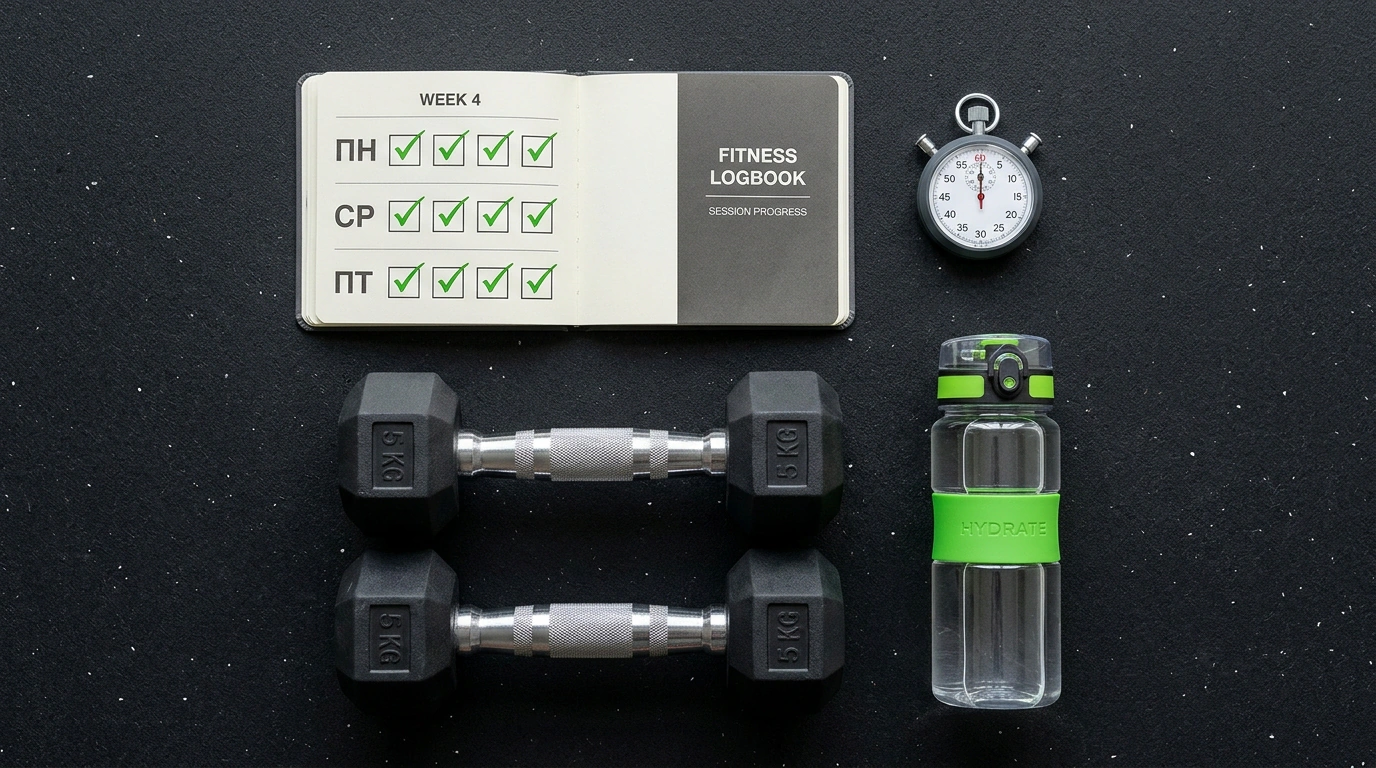
Minimalist flat lay of workout gear with dumbbells, a stopwatch, and a training log notebook
ArticleTrainingFitnessHealthMuscles

Frequency vs. Volume: Why Shorter, Frequent Workouts Beat One Brutal Day a Week

Gyms still cling to the cult of 'annihilation' workouts: show up once a week, blast legs or chest with twenty sets until you see stars, and then limp out of bed for five days with brutal soreness. The old belief was that rare, extreme stress makes muscles grow fastest.

Recent exercise physiology has proven the exact opposite. The window for muscle protein synthesis stays open for only 36–48 hours after training, and anything beyond 8 sets in a single session turns into 'junk volume' with zero extra hypertrophy. Research in IJSPP and meta-analyses in Sports Medicine confirm that splitting the same weekly volume into 2–3 shorter sessions delivers greater strength gains, steadier anabolism, and almost no muscle soreness.

We break down protein synthesis physiology, smart set dosing, and why a Full-Body schedule works so well for busy people.

👍 0
Тренер АртёмSports Medicine: The Effect of Weekly Set Volume on Strength Gain (PMID: 28755103)
October 22