It's a familiar scene: four in the afternoon, the workday is in full swing, your brain refuses to focus, and a pastry or chocolate bar keeps looping in your head. You try to white-knuckle it, sip water, scold yourself for "weak willpower," and by evening find yourself at the checkout counter clutching a chocolate bar. Then comes the predictable wave of guilt, a vow of "zero sugar starting tomorrow," and another round of the same cycle.
For decades, the supplement industry has sold a "magic fix" for this everyday struggle: chromium picolinate. Marketers promise that a course of capsules will skyrocket insulin sensitivity and make dessert cravings vanish on their own.
Endocrinologist Dr. Maxim Kuznetsov and evidence-based nutritionists see it differently: an overpowering urge for sweets isn't a character flaw—it's a loud physiological signal that your body is short on fuel, sleep, or balanced meals.
Illusion in a Capsule: The Cochrane Review Verdict on Chromium
The neat sales pitch for chromium picolinate rests on one real fact: chromium is part of a complex that helps insulin bind to its receptor. From there, marketers leaped to the claim that chromium pills steady blood sugar and switch off appetite.
Clinical trials shattered that fairy tale. An authoritative Cochrane systematic review (Cochrane Database of Systematic Reviews, DOI: 10.1002/14651858.CD010063.pub2) pooled randomized, double-blind, placebo-controlled trials:
- Taking chromium supplements (200 to 1,000 mcg per day) over several months produced an average weight difference of only about 1.0 kg compared with an inert placebo.
- High-quality trials found zero selective suppression of sugar cravings.
In real life, chromium deficiency is virtually unheard of in people eating a normal varied diet—we get plenty from meat, fish, whole grains, and nuts, as confirmed by clinical trials on chromium supplements.
Your body demands sugar for clear biological reasons:
- An energy deficit: If you skipped breakfast or had a bare salad without dressing for lunch, blood glucose dips. Your brain fires an SOS. Sugar is dry kindling: when there are no dense logs in the stove, your body instinctively grabs twigs.
- Sleep debt: Sleeping under 7 hours spikes the hunger hormone ghrelin and drops the fullness hormone leptin. A sleep-deprived brain hunts for a quick dopamine hit—sugar.
- The forbidden-fruit trap: Banning desserts outright triggers hyperfixation: "restriction -> binge -> guilt -> stricter restriction."
Four Physiological Steps to a Calm Relationship with Sugar
Instead of questionable supplements, endocrinology points back to the basics of satiety:
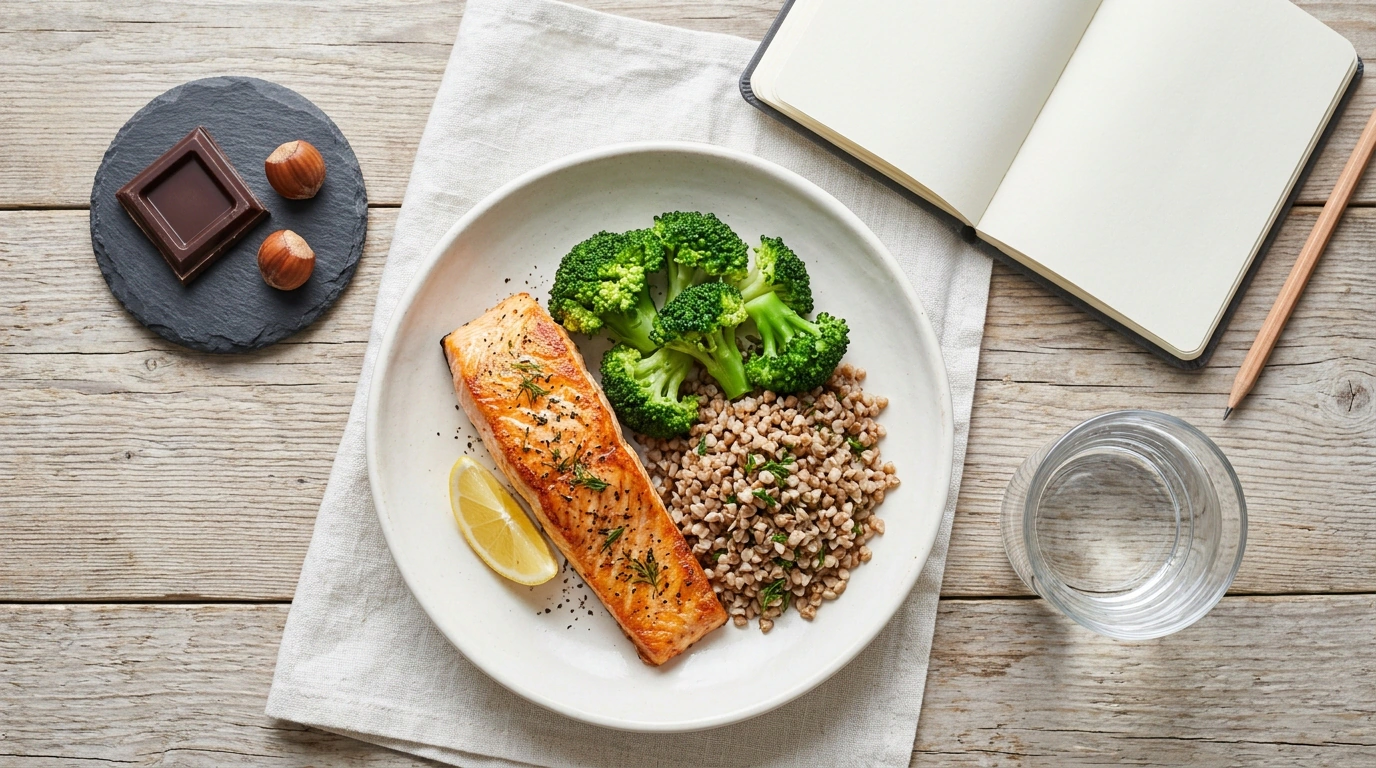
- Build a filling base (protein + slow carbs + fiber): Include 20–30 g of protein (eggs, cottage cheese, poultry, fish) and a serving of complex carbs (buckwheat, oatmeal, pearl barley) in every main meal. They digest steadily, delivering even energy without crashes.
- Lock in 7–8 hours of sleep: Solid sleep restores ghrelin and leptin balance. When you're well-rested, impulsive snack cravings drop dramatically.
- Use the 80/20 rule for sweets: Let whole, nourishing foods make up 80–85% of your diet, leaving 15–20% of calories for treats without guilt. Once candy stops being forbidden fruit, the compulsive urge fades—something echoed in observations on eating habits and the hunger scale.
- Eat dessert after a meal, not instead of one: Never snack on sweets on an empty stomach. Have a piece of chocolate right after a balanced lunch with protein and fiber: sugar absorption slows down, glucose stays steady, and your taste buds feel satisfied faster.
Before blaming yourself for craving chocolate, ask two honest questions: 'How many hours did I sleep last night?' and 'Did my lunch have real protein?' Fix those two gaps, and the urge to battle sweets usually disappears on its own.