Issue November 15Daily digest · 5 items
In this issueReviewed 34 sources, gathered 5 items
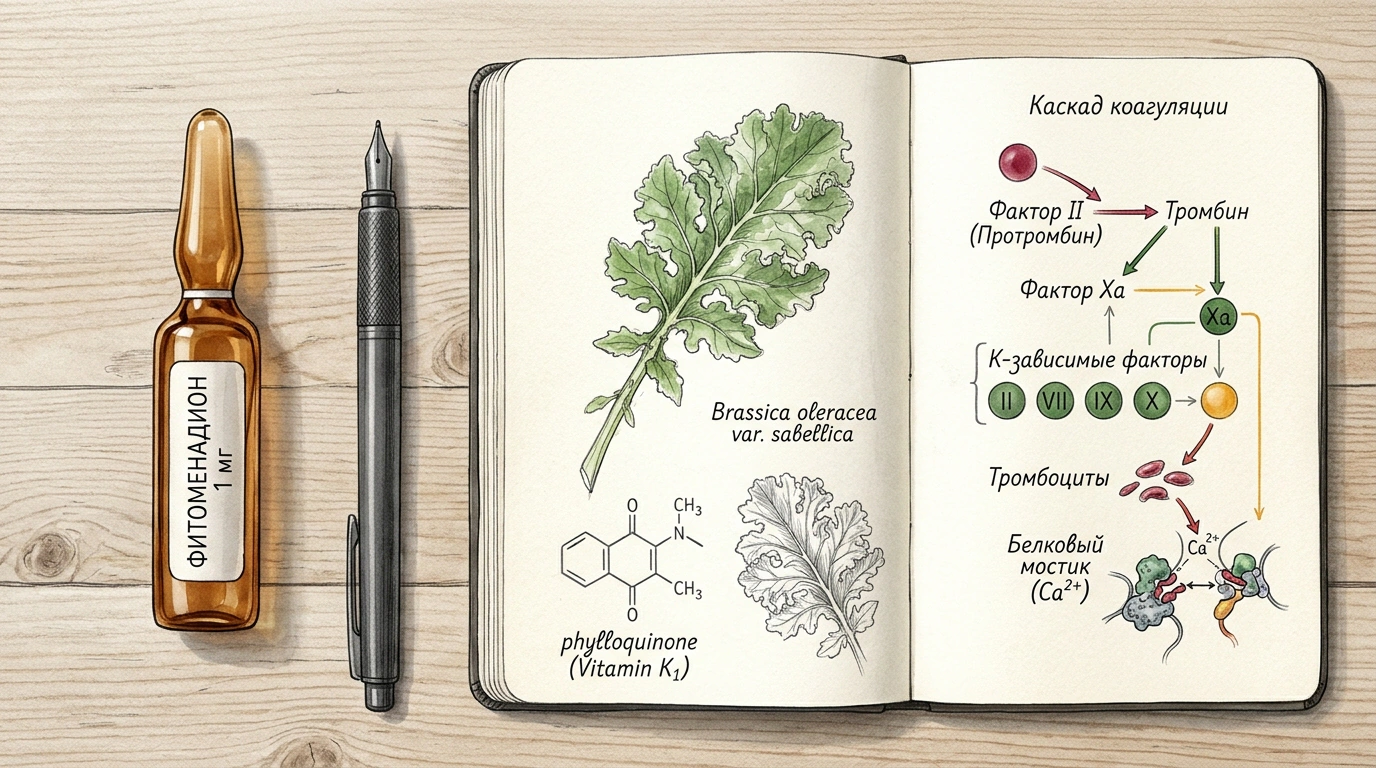
An ampoule of vitamin K1 and a notebook with a biochemical diagram of blood-clotting factors on a light table
ArticleHealthPediatricsVitaminsEvidence-Based Medicine

Vitamin K in the Maternity Ward: Why a Newborn Shot Prevents Bleeds and Where the "Extra Vaccine" Myth Came From

Adding vitamin K to a hospital vaccine refusal form is a dangerous trap fueled by viral social media scares. There is no vaccine in that syringe—yet without it, a newborn's liver cannot activate blood-clotting proteins, and breast milk carries less than 5 mcg/L.

In a cohort of 5.2 million newborns, skipping that single shot raised the risk of intracranial bleeding 2.43-fold. And oral drops cannot replace the injection without leaving the infant less protected.

👍 29
Бородатый не пробовал...AAP Policy Statement: Vitamin K and the Newborn Infant
November 15
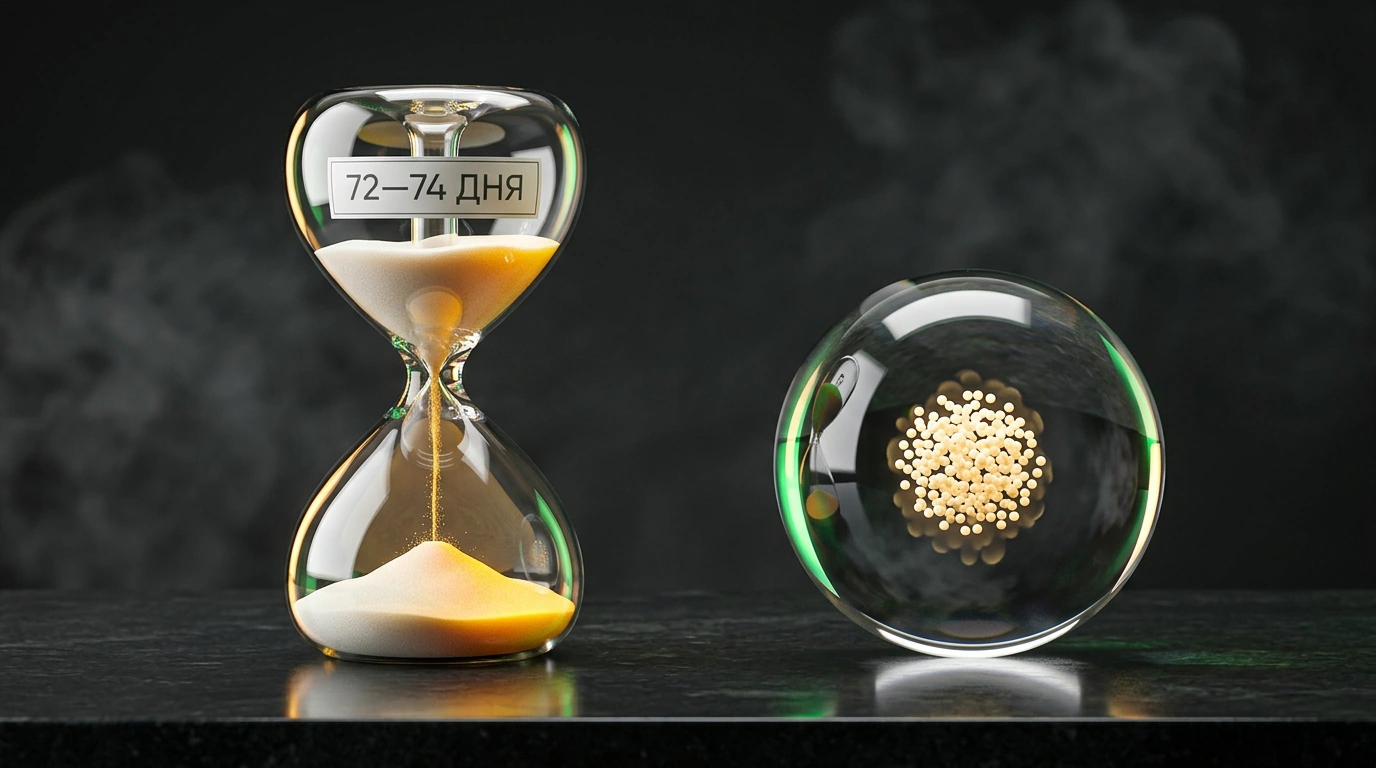
Two conceptual hourglasses on a table symbolizing the renewable male cycle and the fixed female ovarian reserve
ArticleHealthFertilityHabitsResearch

Cigarette Smoke and Fertility: Why Smoking Hits Male and Female Conception in Completely Different Ways

When you're planning a baby, keep in mind that male and female reproductive systems react to tobacco smoke in two opposite ways. Men run a renewable assembly line on a 72–74 day cycle—toxins slow sperm motility and fragment DNA, yet quitting lets the body turn out a healthy new batch.

A woman's egg reserve is set before birth and never refills. In experiments by Nottingham and Sheffield researchers, ovaries looked intact under the microscope even as smoke was already stalling cell division and triggering tissue aging—meaning future parents work with very different prep timelines.

👍 31
Доктор Павлова, эндокринологFrontiers in Toxicology: Cigarette smoke extract exposure induces differential morphological and transcriptional responses in the ovary and testes of miceWorld Health Organization: Infertility Fact Sheet
November 15
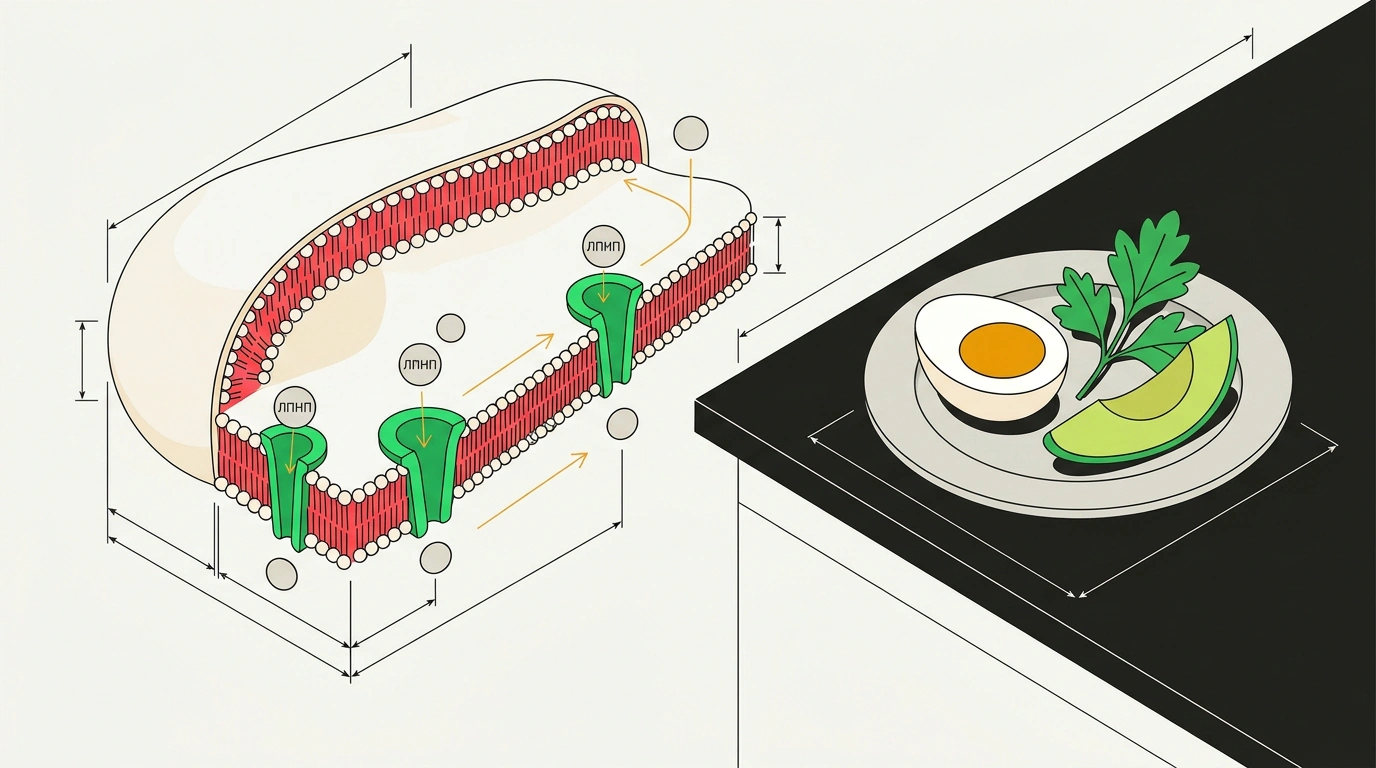
Isometric lab-style cross-section of a liver cell with cholesterol receptors beside a plate of whole foods
NoteHealthNutritionCholesterolCardiology

The Liver Factory: Why Cutting Out Eggs Won't Lower Cholesterol and Where Arterial Plaque Actually Comes From

Fighting cholesterol in the kitchen often misses the real target: your liver manufactures 80–90% of all cholesterol in your body, while food supplies a modest 10–20%. When you eat cholesterol, that internal factory simply dials back output.

The real hit to your arteries comes from excess saturated fats and trans fats, which shut down the liver receptors meant to clear LDL particles from your blood. Even one familiar skillet combo can overload that filter in a single meal.

👍 9
Максим КузнецовESC/EAS Guidelines for the management of dyslipidaemias: lipid modification to reduce cardiovascular risk
November 15
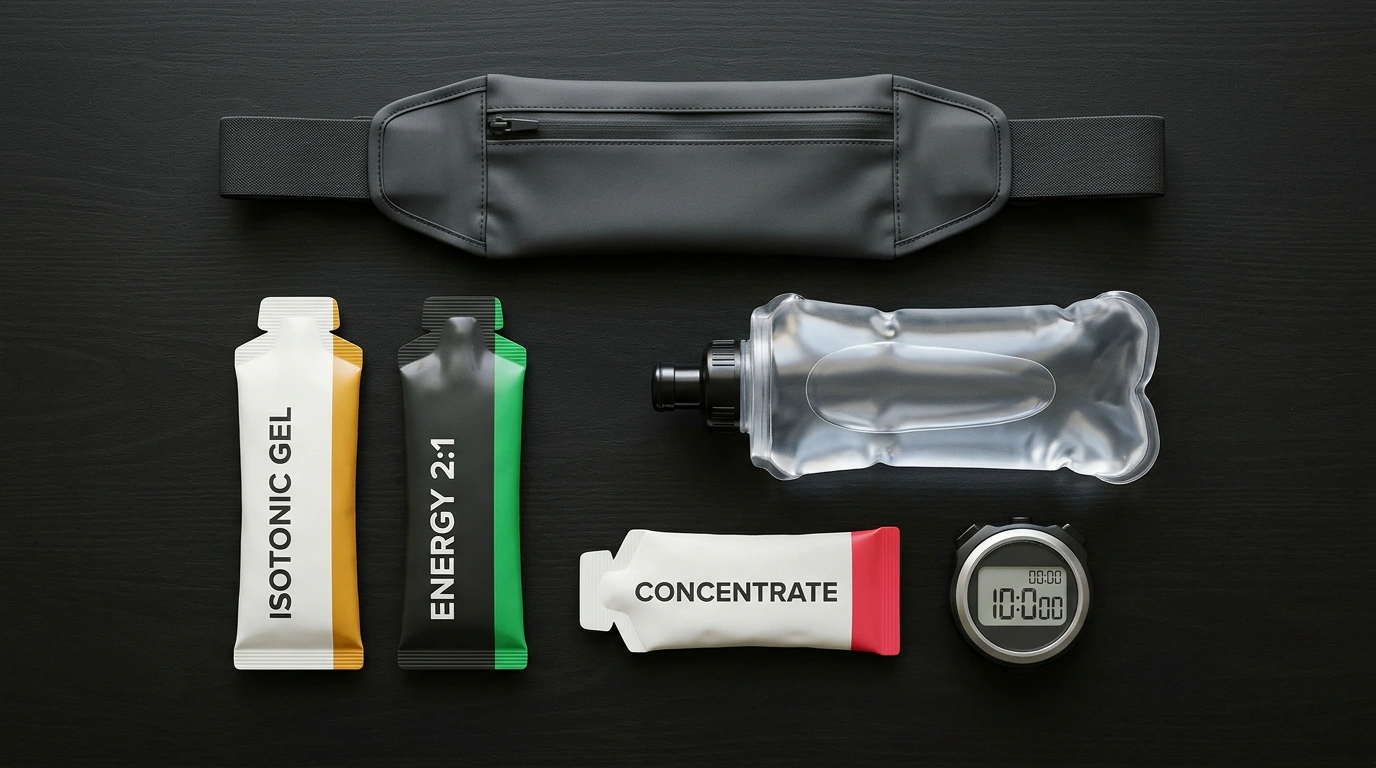
Flat lay of running gear and energy gels on dark wood alongside a stopwatch and water flask
NoteFitnessTrainingRunningSports Nutrition

The Carb Test on the Course: How to Choose Running Gels and Why They Trigger Stomach Cramps

On a long run, a gel can either put bounce back in your stride or knot your stomach in ten minutes—it all comes down to sugar blend and thickness:

  • Liquid isotonics go down smoothly at 3:30 min/km without water, though they eat up pocket space.
  • Dual-carb blends (maltodextrin + fructose) open two gut channels and raise energy uptake from 60 to 90–120 g/h.
  • Thick concentrates taken without 150–200 mL of water trigger reverse osmosis, pulling fluid from blood vessels into the gut.

Yet even the word Liquid on a packet can turn into a sneaky trap for runners.

👍 13
Бегать простоJeukendrup A. Multiple transportable carbohydrates and endurance performance
November 15
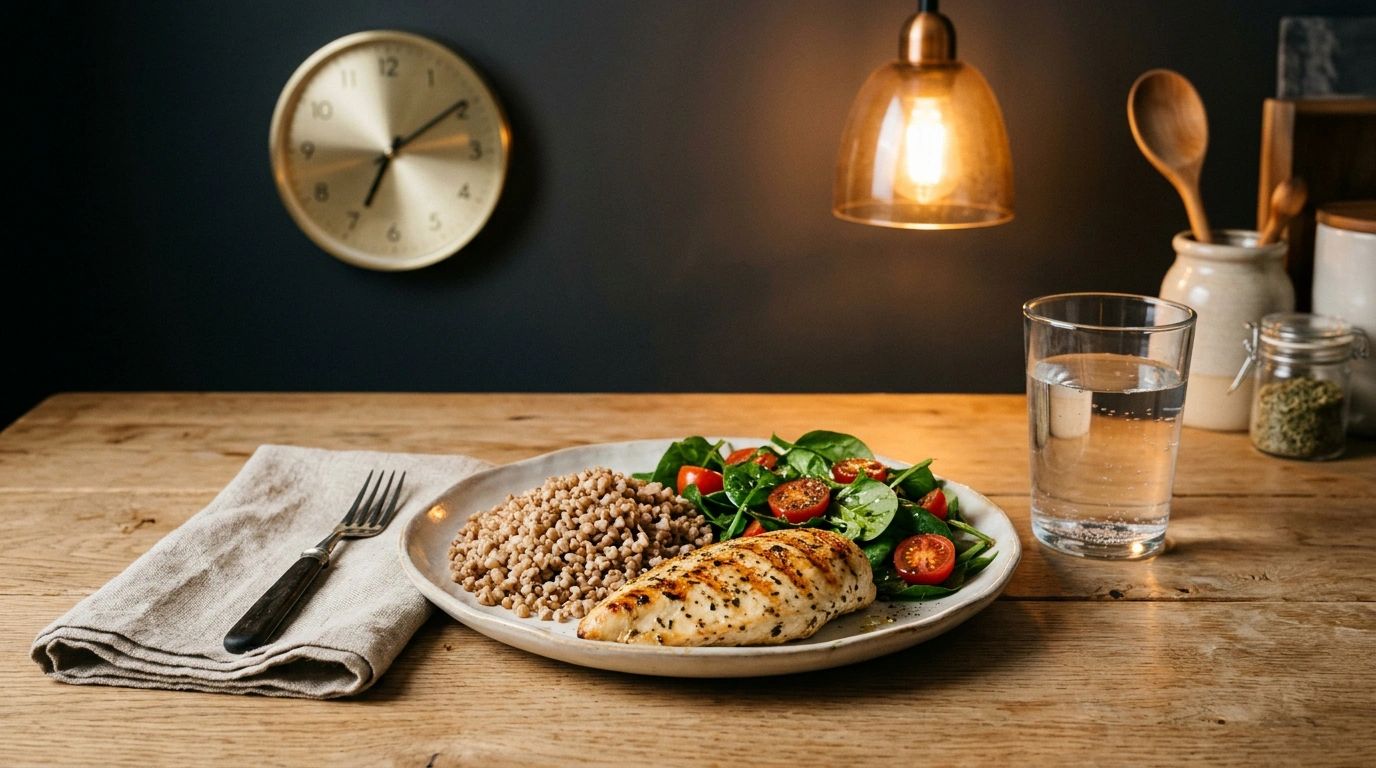
Still life of a balanced evening dinner in a kitchen under warm lamp light next to a wall clock
NoteNutritionWeight LossMetabolismCalories

Eating After Six and the Two-Egg-Whites Myth: Why a Hearty Dinner Won't Stop Fat Loss in a Calorie Deficit

Does a filling dinner block nighttime growth hormone via an insulin spike and turn straight into fat? No: a meta-analysis of clinical trials in the British Journal of Nutrition proved that as long as you stay in an overall calorie deficit, a hearty evening meal won't stop you from losing weight.

Trying to outsmart hunger with two egg whites for 35 kcal only works by slashing intake—and easily backfires into a 1,200 kcal midnight raid. The one real catch with eating late has nothing to do with your waistline.

👍 12
Тренер АртёмFong M et al. Are large dinners associated with excess weight, and does eating a smaller dinner achieve greater weight loss? A systematic review and meta-analysis
November 15