Issue October 26Daily digest · 10 items
In this issueReviewed 36 sources, gathered 10 items
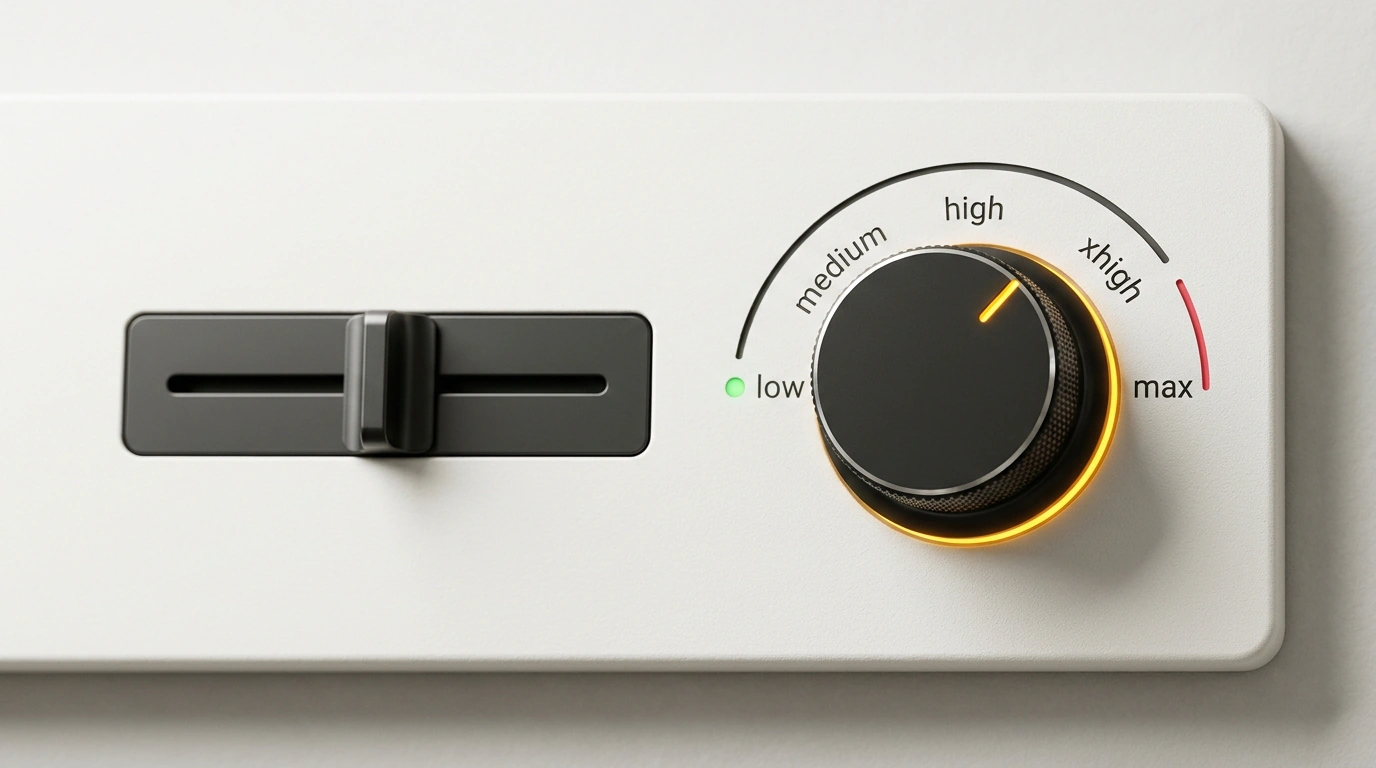
A five-position stepped neural network compute effort dial with low, medium, high, xhigh, and max markings on a graphite panel.
ArticleAIDevelopmentClaude CodeProductivity

Five Effort Levels in Claude Code: How Anthropic Balances Tokens and Reasoning Depth

A developer's first instinct with a new AI reasoning dial is to crank it straight to the max. In Claude Code, that maximalism backfires: a simple task takes over an hour instead of 90 seconds, burning millions of tokens double-checking the obvious. Anthropic split compute spend into five tiers, from rapid low to autonomous max. Here is how the effort parameter works, why high mode boosts benchmark solve rates by 52%, and how a two-stage tactic cuts your bill without sacrificing code reliability.

👍 0
Julian Goldie SEOClaude API Docs: Effort ParameterClaude Code Docs: Model Configuration
October 26
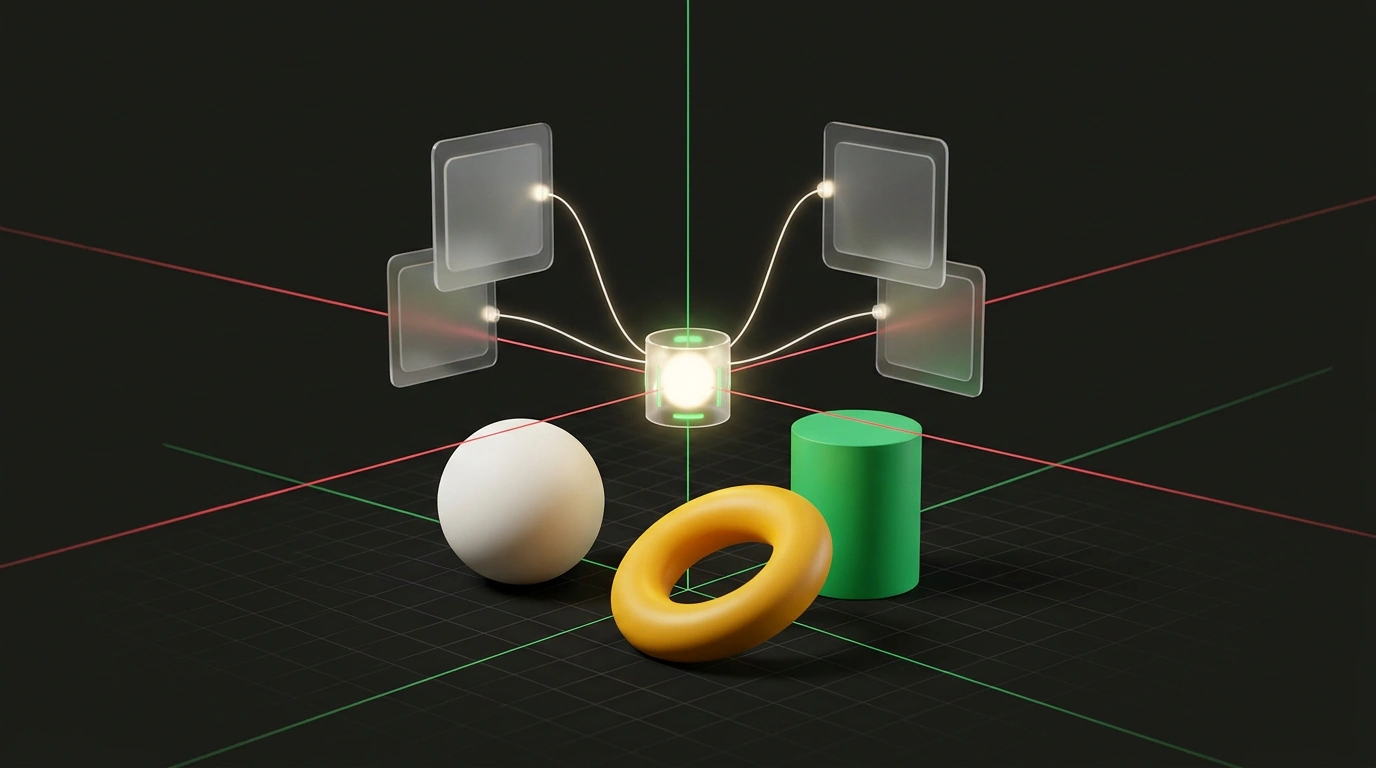
An interactive 3D editor with parametric geometric shapes and an open MCP network gateway on a dark graphite background.
ArticleAIDevelopment3D GraphicsAI Agents

Spline 5.2 and MCP: How to Connect ChatGPT and Claude to an Interactive 3D Editor

Most 3D generators spit out uneditable polygon meshes—tweaking lighting, repainting a part, or wiring up interactive animation inside that monolith is nearly impossible. Spline 5.2 takes a fundamentally different route: the desktop app now includes a built-in MCP server powered by WebGPU. External agents like Claude Code and ChatGPT can manipulate parametric objects, tune PBR materials, and write scripts straight from chat while leaving you in full manual control of the scene.

👍 0
Julian Goldie SEOSpline Documentation: 3D Engine & Agent FeaturesSpline MCP Server Endpoint
October 26
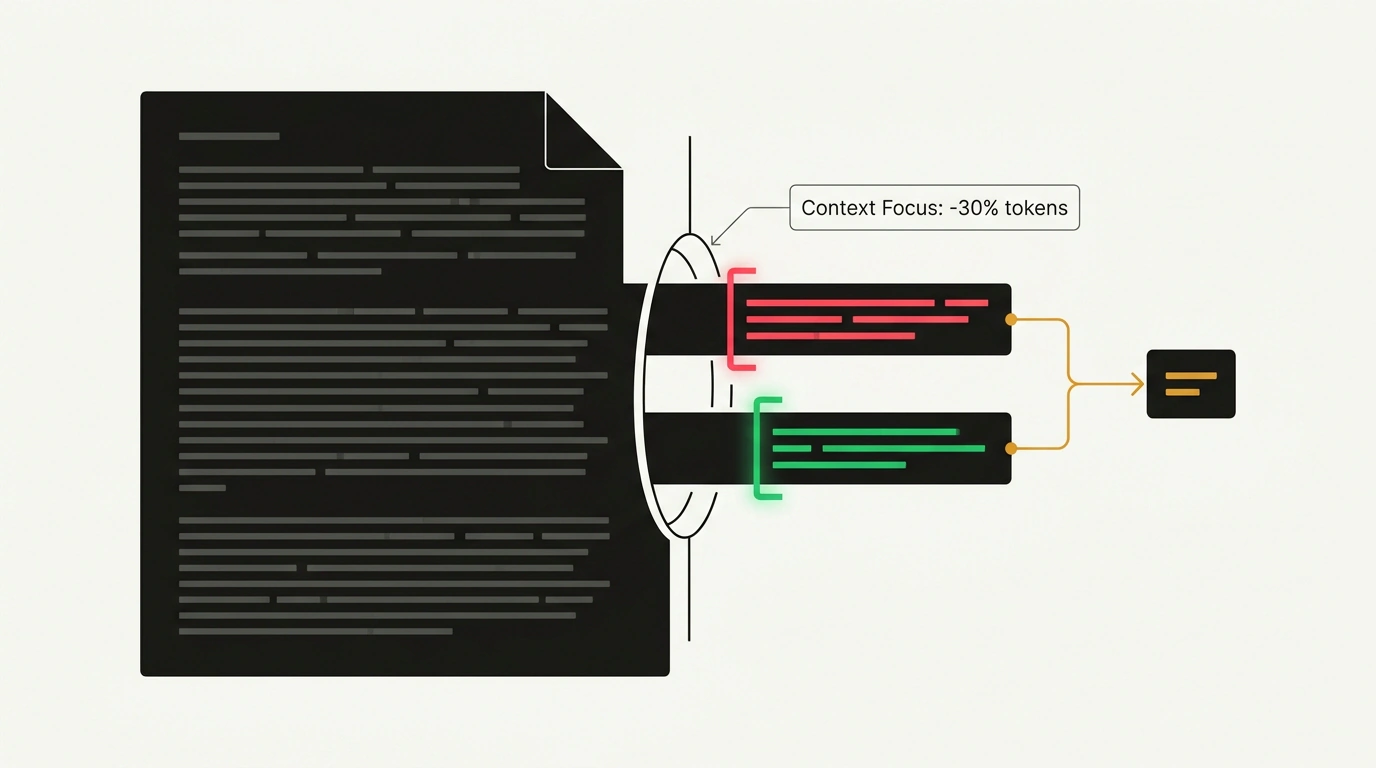
A comparative blueprint showing text noise trimming and pinpoint extraction of relevant snippets in a RAG search system.
ArticleAIRAGLLMSearch

Cohere Rerank 5: Context Focus Cuts Token Costs by a Third in RAG Systems

The classic RAG design mistake is dumping full database chunks straight into an LLM's context. Eighty percent of tokens go to irrelevant noise, API bills climb, and the model suffers from the 'lost in the middle' effect. Cohere Rerank 5 delivers a clean architectural fix: Context Focus pinpoints exact semantic spans inside documents and strips out excess text before generation. That cuts token usage by more than a third, while calibrated relevance scores let you enforce a strict filtering threshold.

👍 0
Julian Goldie SEOCohere Blog: Introducing Rerank 5Cohere Documentation: Reranking & Context Focus
October 26
News · October 261 news item

DeepSeek Open-Sources Its DeepInfer Inference Engine

DeepSeek has open-sourced its DeepInfer inference engine for the 552B-parameter V4.1 Flash model under the Apache 2.0 license. Its DSpark speculative decoding accelerates generation on NVIDIA and Ascend accelerators via parallel token validation, cutting data center costs.

A stereometric visualization of carving out a refusal vector from a neural network's multidimensional weight space.
ArticleAISafetyOpen SourceLLM

Abliterated Large-V2: How Directional Refusal Vector Ablation Opens GLM 5.3 for Cybersecurity

Commercial LLM safety filters routinely block legitimate vulnerability audits, turning security work into a wall of canned refusals. Abliterated Large-V2, built on GLM 5.3 weights, fixes this via directional refusal vector ablation without degrading reasoning quality. Accuracy on ExploitBench more than doubled, and a one-million-token context window lets you analyze an entire repository at once—provided you run it inside a strictly isolated sandbox.

👍 0
Julian Goldie SEOZ.ai Benchmarks: GLM Evaluation SuitePlayCISO: Refusal Vector Ablation Analysis
October 26
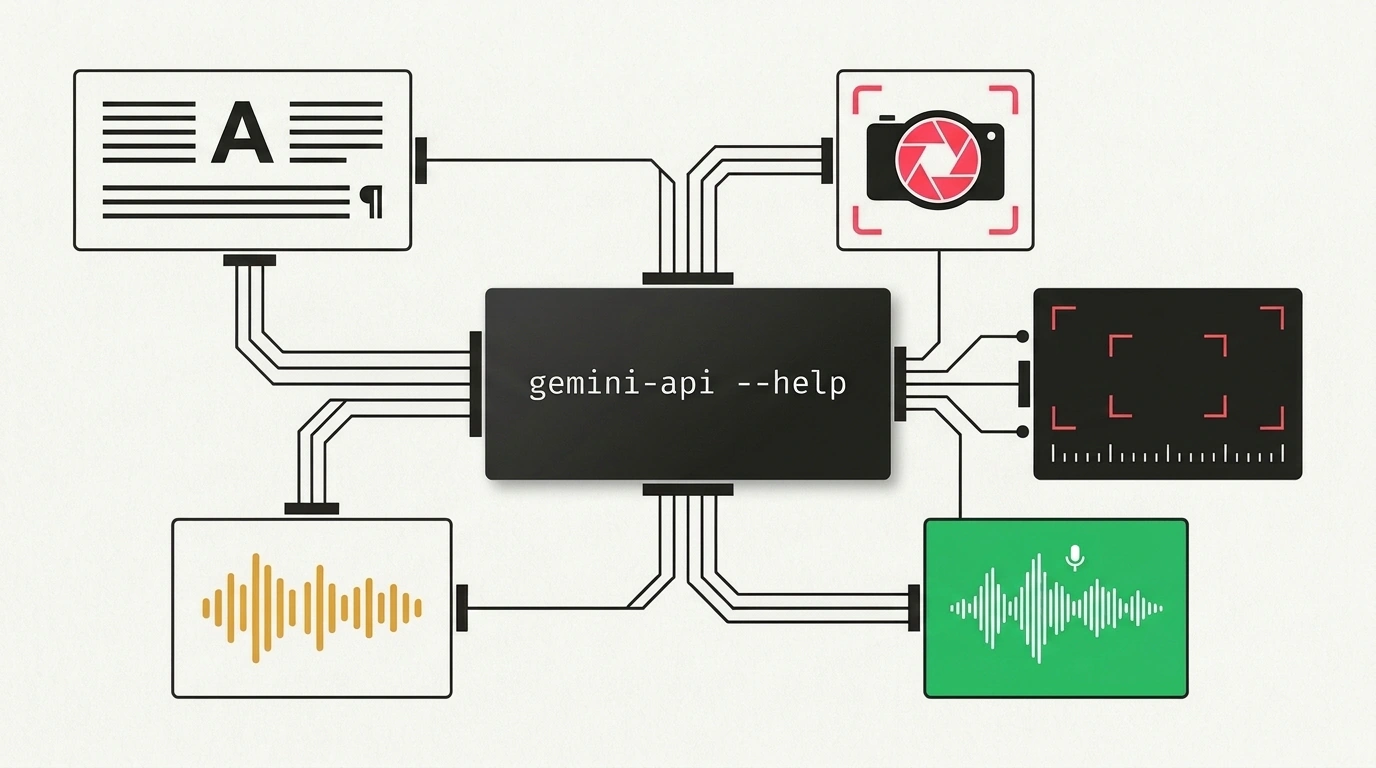
Five multimodal content generation and processing modules unified by a single terminal bus.
ArticleAIDevelopmentAutomationCLI

Gemini API CLI: Google's Experimental Multimodal Terminal for Scripts and Agents

Automating multimodal AI in the terminal no longer requires gluing together Python wrappers and decoding Base64 strings. Google released an experimental zero-dependency Gemini API CLI binary that unlocks five core operations straight from Bash:

  • Text and schema-validated JSON generation;
  • Image rendering via Imagen 3 and short video generation;
  • MP3 speech synthesis and timestamped audio transcription. The tool is built for autonomous agents: --usage prints the command tree in KDL format, and --dry-run validates parameters without burning token quota.
👍 0
Julian Goldie SEOGitHub: google-gemini/gemini-api-cliGoogle AI Studio: Gemini API Quickstart
October 26
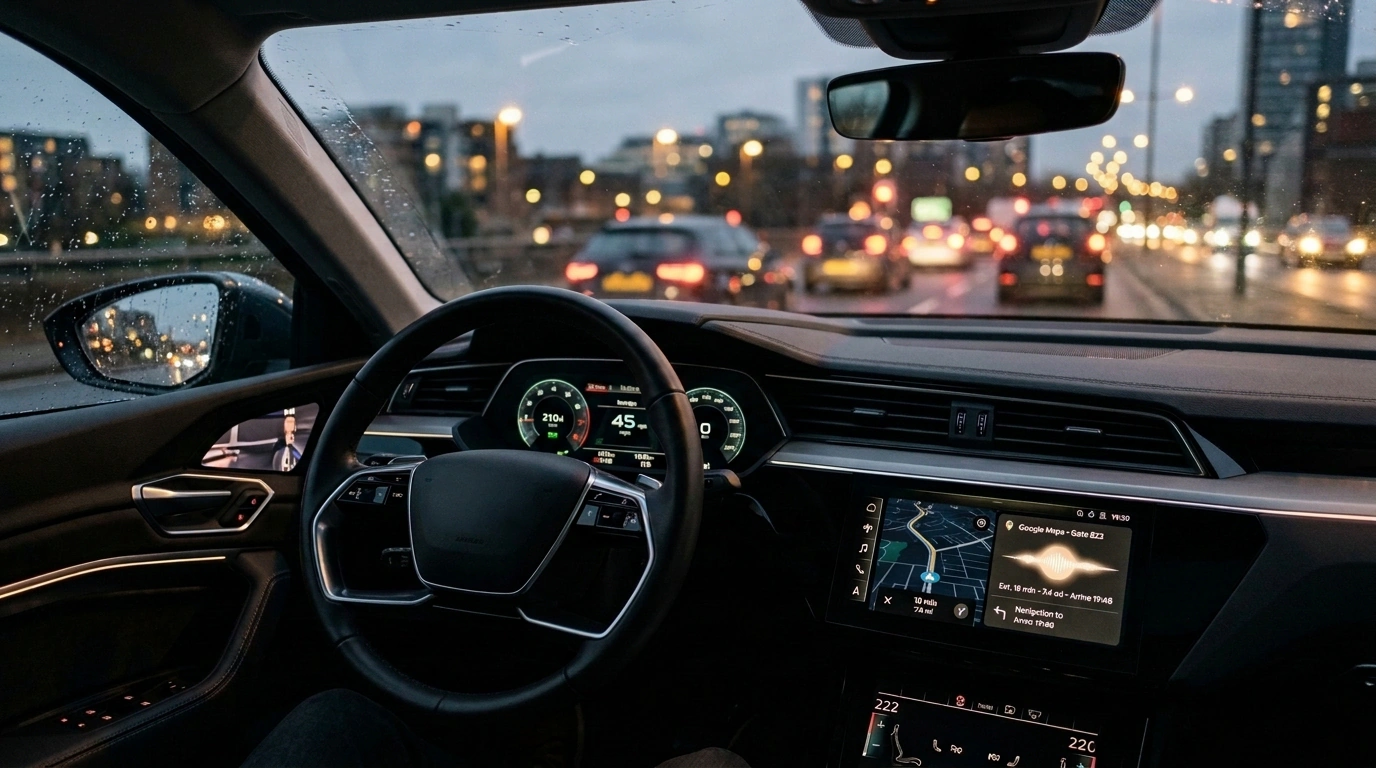
A holographic personal driving assistant on an in-car multimedia display under evening city lights.
ArticleAIAICarsProductivity

Gemini Personal Intelligence in Android Auto: How Google Brings User Context Behind the Wheel

Instead of forcing drivers to recite stiff commands with exact street numbers, in-car voice assistants finally understand personal context. Google launched Personal Intelligence in Android Auto and Google built-in systems, linking Gmail, Calendar, Maps, and Google Photos. You can now ask for directions to a car wash from a gallery photo or check your boarding gate from an e-ticket. The feature runs on strict opt-in, activates only with a paired phone, and remains unavailable in Europe due to GDPR rules.

👍 0
Julian Goldie SEOGoogle Blog: Gemini Personal Intelligence in Android Auto9to5Google: Gemini Personal Intelligence Rollout
October 26
Two fundamentally different approaches to speech processing: a modular audio buffering pipeline and an end-to-end audio-native neural network.
Thematic roundup2 sectionsAIAI AgentsVoice AssistantsOpen Source

Zero-Pause Voice AI: Hermes Apollo Streaming and Block's Audio-Native Dessa

Voice AI builders have hit a fundamental fork in fighting awkward conversational lag. On one side is Nous Research's open-source Hermes Apollo, which perfects the classic text pipeline by streaming phrases from 20 characters and detecting interruptions locally. On the other is Dessa from Jack Dorsey's Block—an end-to-end audio model that ditches text completely and trains directly on live speech. We break down both architectures, 200-millisecond latency, and local inference on Apple Silicon.

👍 0
Julian Goldie SEO - Hermes ApolloNous Research: Hermes Agent OverviewBlock: Dessa Speech Model Overview
October 26
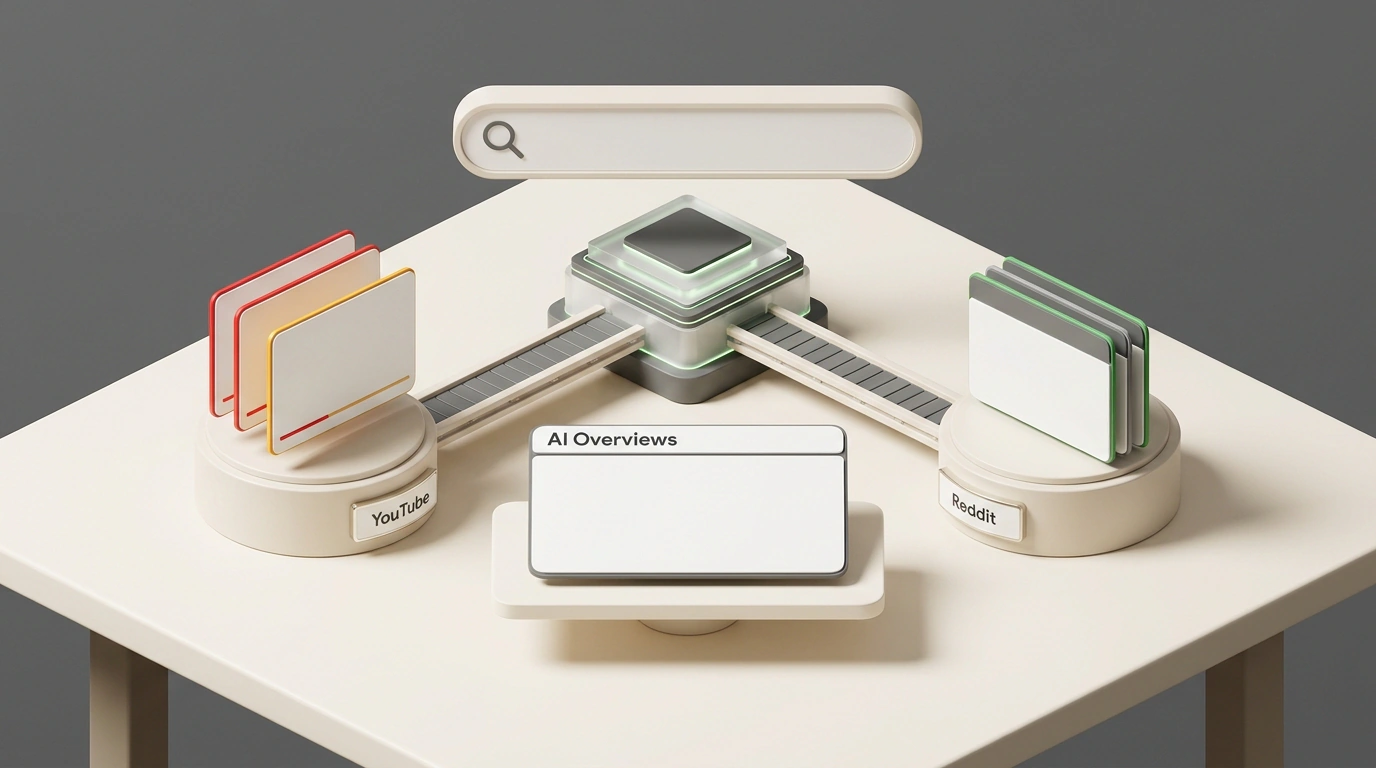
An isometric diorama of the search agentic layer splitting information flows into video content and forum discussions on a graphite background.
LongreadAI SearchSEOAnalyticsMarketing

Anatomy of AI Search: Where Google Clicks Go and How Neural Networks Cite Content

Search is being absorbed by an agentic layer: Sundar Pichai declared the era of a single conversational box, and a study of 380,000 answers exposed a deep split across the web. Google AI Overviews cites YouTube twice as often as Reddit, while Microsoft Copilot favors video ten to one. ChatGPT and Perplexity flip the script, citing Reddit discussions 2.5 times more than video. Here is why robots.txt blocks offer only an illusion of protection and how semantic consensus gets your brand cited by both ecosystems.

👍 0
Ross Simmonds - Foundation MarketingAleyda Solis - SEOFOMOSearch Engine Journal: Sundar Pichai on Agentic LayerSearch Engine Roundtable: Google on robots.txt for AI Crawlers
October 26
An autonomous cloud worker with a task schedule and safety guardrails on a virtual console.
ArticleAIAI AgentsAutomationBusiness

Grok Bot by xAI: Cloud AI Agent Architecture with Schedules and Job Files

Driving autonomous agents through a web chat window usually ends in failure: tabs sleep, connections drop, and bots stall or hallucinate. xAI's Grok Bot solves this by moving agents onto persistent cloud VMs equipped with a headless browser and terminal. Instead of vague chats, workflows run via structured Job Files on strict schedules with a mandatory human-approval gate. We examine digital worker architecture and safeguards against runaway API loops.

👍 0
Julian Goldie SEOxAI Documentation: Grok Bot Architecture
October 26