Issue November 5Daily digest · 12 items
In this issueReviewed 36 sources, gathered 12 items
Conceptual still life with a balance scale on a dark stone slab, where a heavy stack of server heatsinks outweighs a floating light cube
LongreadAIAIAnalyticsAI Economics

Anatomy of the AI Bubble: Why Trillion-Dollar Data Center Spending Doesn't Match Software Revenue

It looks like the artificial intelligence industry is swimming in gold: Nvidia is setting all-time market capitalization records, and hyperscalers are buying up server racks by the cityful.

Yet one look at venture fund reports comparing data center capital expenditures with actual software revenue flips the picture upside down. The gap between infrastructure spending and end-user revenue has reached hundreds of billions of dollars. The market faces an inevitable sobering up where only systems with positive unit economics will survive.

👍 21
David OndrejSequoia Capital: AI's $600B Question
November 5
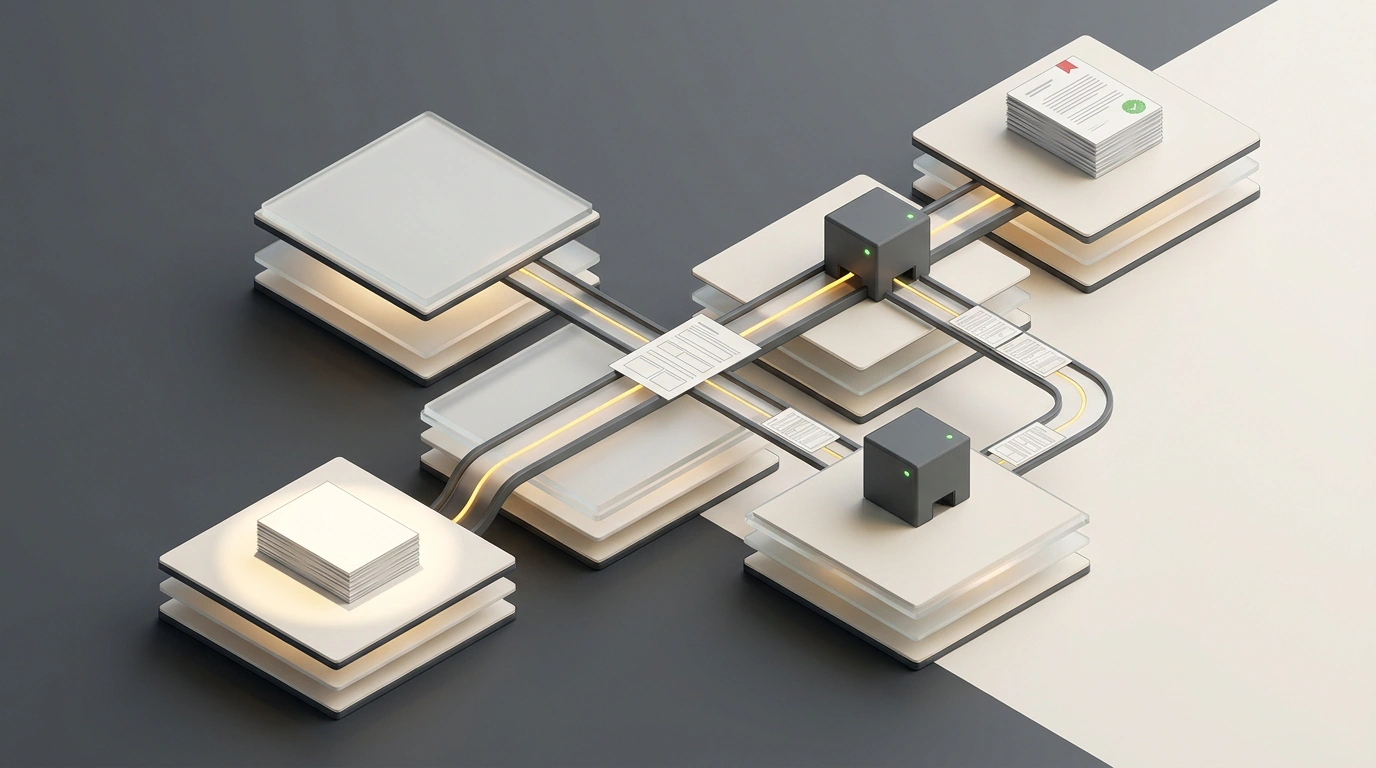
Architectural isometric diagram of a subagent pipeline with floating artifact platforms and color-coded flow indicators
LongreadAIAutomationContentAgents

A One-Person Content Factory: How Claude Subagent Architecture Automates Media Production

Solo creators and experts try to scale content the usual way: they open a chat with a neural network and feed it a call recording asking for posts across five platforms.

In response, the model dumps tons of faceless, watery text filled with template clichés. The root of the mistake lies in a monolithic context: a single language model is physically unable to hold the facts in memory, follow different styles, and verify numbers all at once. Kieran Flanagan's solution splits media production into isolated subagents passing artifacts through files.

👍 39
Kieran FlanaganKieran Flanagan Official Architecture & Subagents Framework
November 5
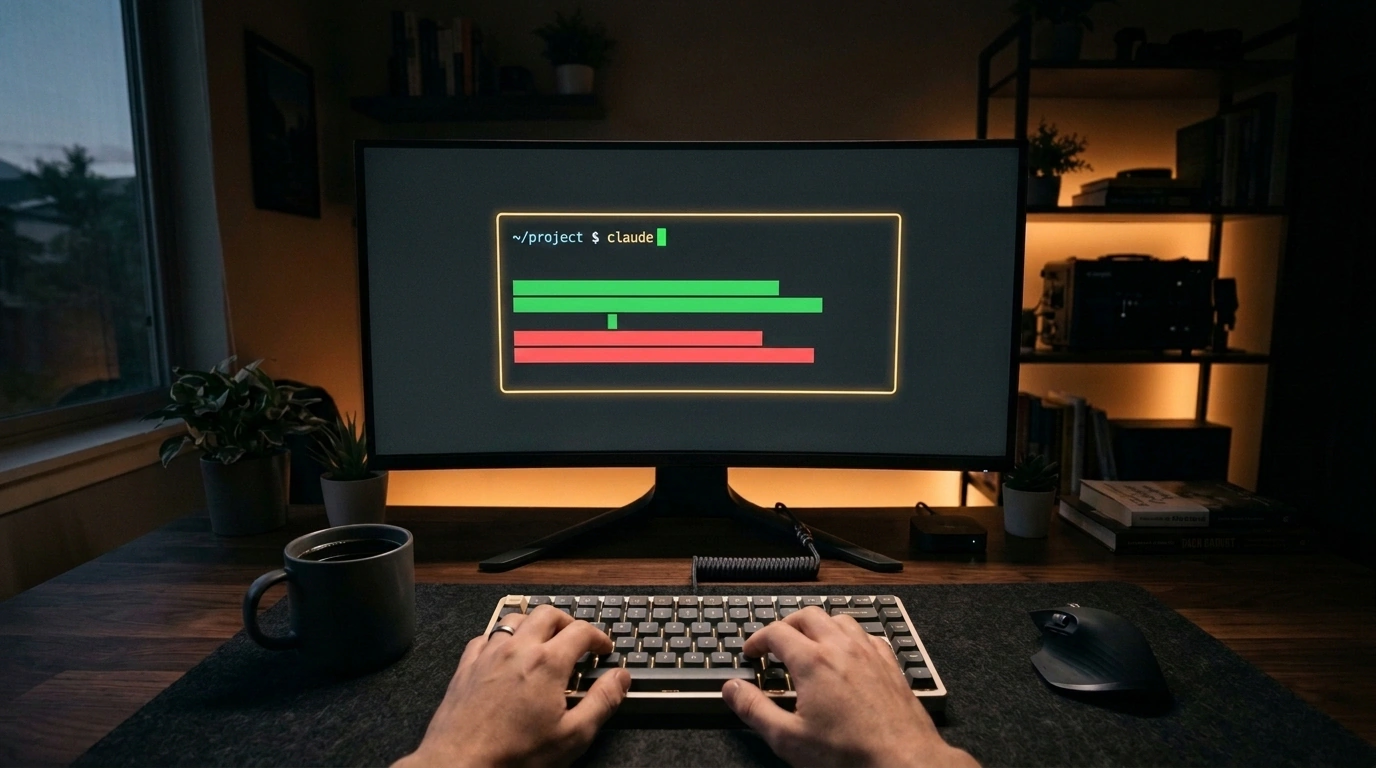
First-person engineer's workspace: keyboard, coffee cup, and a monochrome monitor showing a graphical sandbox and terminal command line
ArticleAIDevelopmentAutomationTools

Working in Flow with Claude Code: How to Delegate Routine to a Terminal Agent Without Losing Control

Some developers keep an assistant in a separate browser tab and spend hours endlessly copying code snippets, while others run Claude Code straight in their working terminal and hand off routine tasks automatically.

Terminal freedom has a flip side, though: an agent with unrestricted permissions can wipe out files or clutter the repository with unverified edits. Engineer Riley Brown showed how to build strict access boundaries and atomic instructions. The balance between control and speed is achieved through explicit sandbox flags.

👍 21
Riley BrownAnthropic Claude Code CLI Documentation & Workflows
November 5
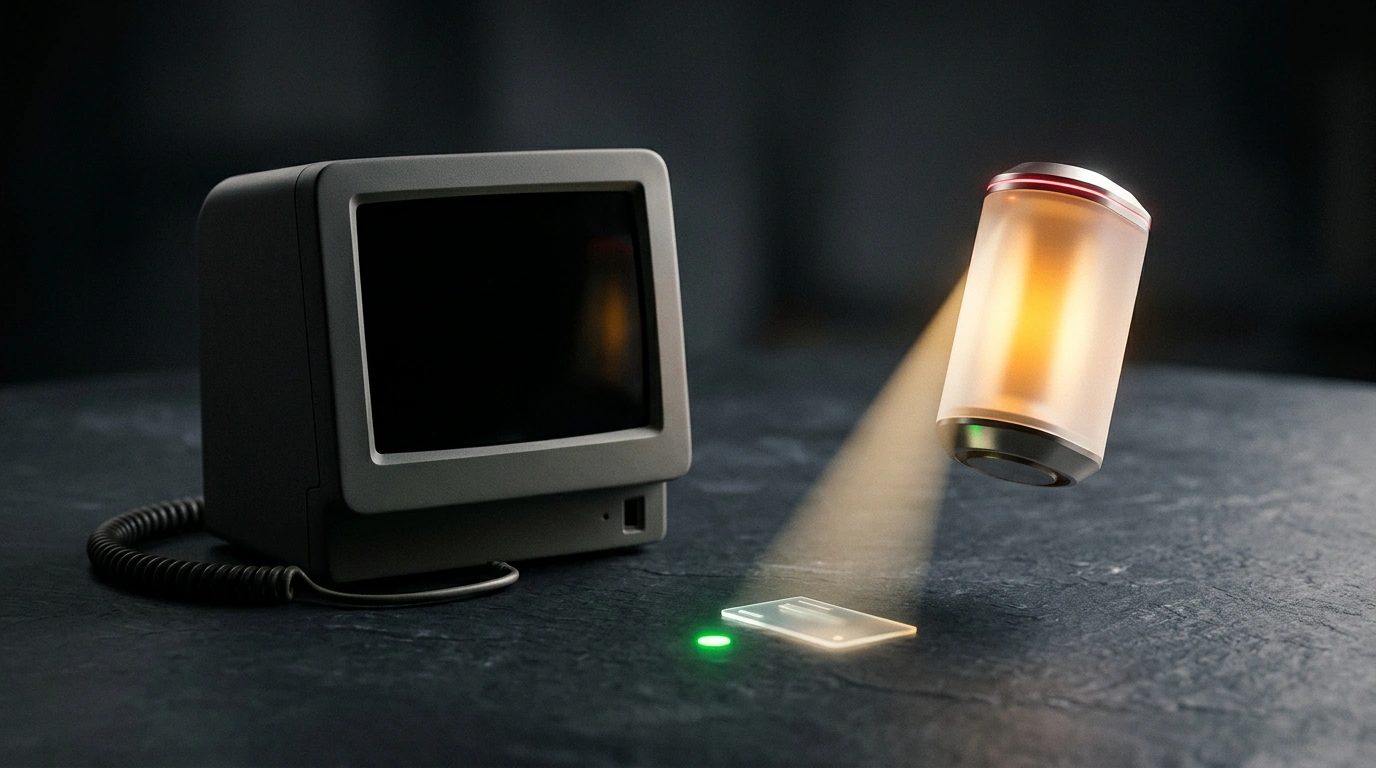
Dramatic duo of two minimalist devices on a graphite desk: a passive retro terminal and a floating glowing module with an active beam
ArticleAIAIAutomationAssistants

Claude Duet and Proactive AI: Why the Era of Classic Prompting Is Coming to an End

Why do you need a proactive assistant if a familiar chatbot already answers any question in a couple of seconds?

The catch is that a reactive model forces a human to constantly remember to run checks, refresh statuses, and manually initiate every request. Claude Duet changes that dynamic: the algorithm runs in the background, monitors long-running processes, and reaches out on its own when it spots an anomaly or finishes a computation. We are standing at the threshold of an era where crafting perfect prompts gives way to configuring triggers and delegation rules.

👍 24
Skill Leap AIAnthropic Claude Duet Official Application & Architecture
November 5
Futuristic browser mockup with parallel high-speed light rails of clicks slicing through web page layers
ArticleAIAutomationDevelopmentBrowser Agents

Speculative Acceleration of Web Agents: How BrowserUse UltraFast Completes Tasks in Three Seconds

Conventional browser AI agents burn tens of seconds on the simplest ticket order because they constantly wait for pages to render.

BrowserUse UltraFast shrinks that cycle to three seconds through a combination of three solutions:

  • Parallel speculative planning of a click chain without waiting for the server response;
  • DOM-tree filtering through the accessibility tree to strip out visual noise;
  • Automatic state rollback when the predicted URL mismatches.

As a result, routine web-interface workflows run at the speed of a prebuilt script.

👍 116
Julian Goldie SEOBrowser-Use Jev-UltraFast High-Performance Agent Repository
November 5
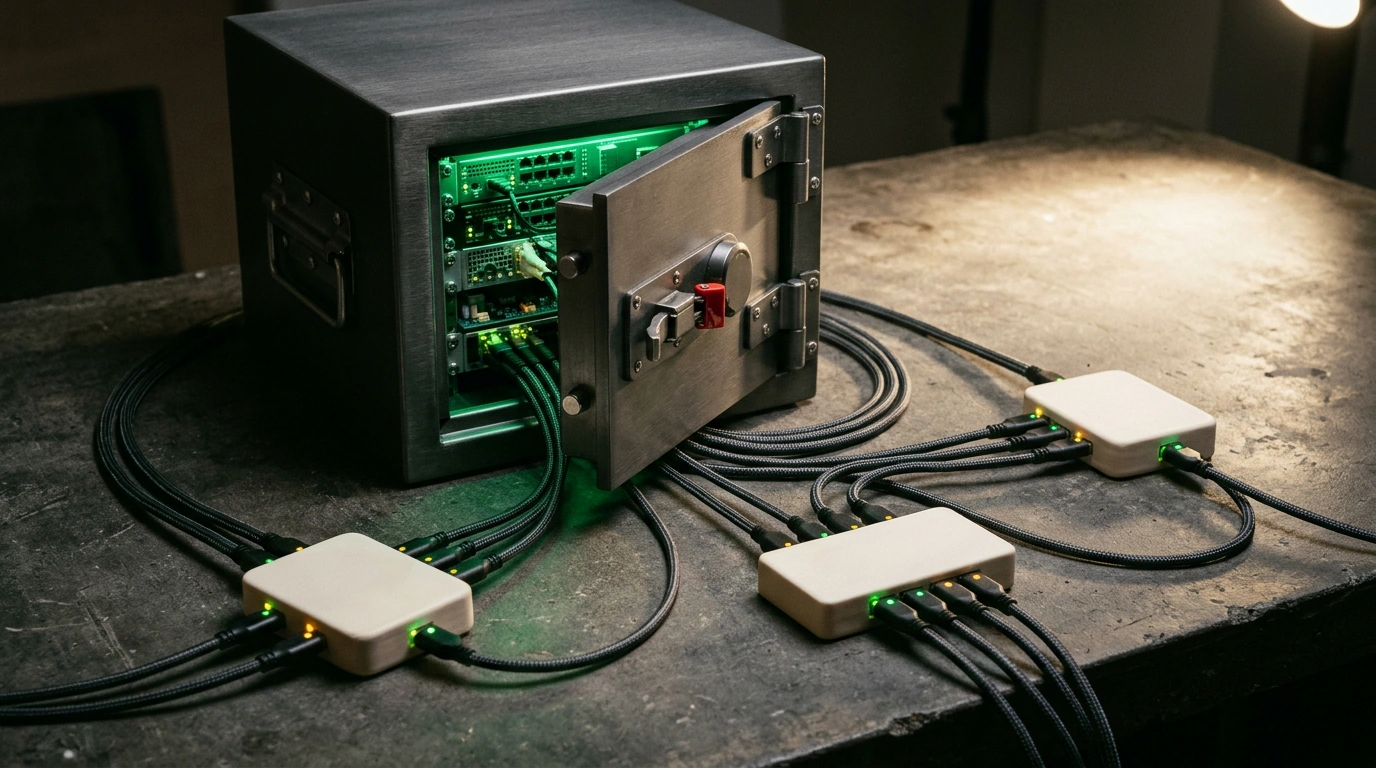
Armored metal server safe with an open door, green light streaming out toward modular MCP connectors
ArticleAIDevelopmentAIOpen Source

Hermes Agent v0.2 Release: An Open Autonomous Agent with MCP Support and Mobile Control

It is commonly assumed that reliable autonomous agents with external tool calling are the exclusive privilege of expensive closed clouds.

The Hermes Agent v0.2 Threshold release from research lab Nous Research proves otherwise with open weights. The agent runs on your own server, fully supports the open Model Context Protocol standard, and reliably invokes local tools. Now a powerful digital assistant lives under your complete control with zero risk of leaking corporate data.

👍 36
Julian Goldie SEONous Research Hermes Agent Open-Source Framework Repository
November 5
Conceptual visualization of block-sparse attention: a graphite matrix with bright clusters of active modules and a high-speed beam
ArticleAIAIAlgorithmsLLM Architecture

Clover-35B Architecture: 680 Tokens per Second on a Consumer 16 GB GPU

Traditional models with 30–40 billion parameters require industrial accelerators with hundreds of gigabytes of VRAM.

The new open Clover-35B-A3B architecture changes the rules of the game through sparse attention. Instead of computing links between every single word, the algorithm groups tokens into adaptive blocks, slashing memory load severalfold. On an ordinary 16 GB consumer GPU, the model accelerates to 680 tokens per second while preserving flawless accuracy over long contexts.

👍 23
Julian Goldie SEODiffuspace Clover-35B-A3B-Preview Model Card on Hugging Face
November 5
Still life of digital-era handcraft: a wooden carpenter's workbench with a carved chisel and a glowing ultra-compact monochrome monitor
ArticleAIDevelopmentAutomationVibe Coding

The Era of Personal Software: Why It's Easier to Generate Your Own Utility Than Put Up with Bloated Suites

For years we have put up with bloated commercial programs: installing gigabyte packages for a single feature, enduring intrusive ads, and paying for endless subscriptions.

Matthew Berman's experience clearly shows that this habit is hopelessly outdated. With modern models, any user can generate a compact utility tailored strictly to their workflow in twenty minutes. Vibe coding turns software creation from a programmer's privilege into a natural everyday skill, giving us back control over our computers.

👍 32
Matthew BermanForward Future Open Source Projects by Matthew Berman
November 5
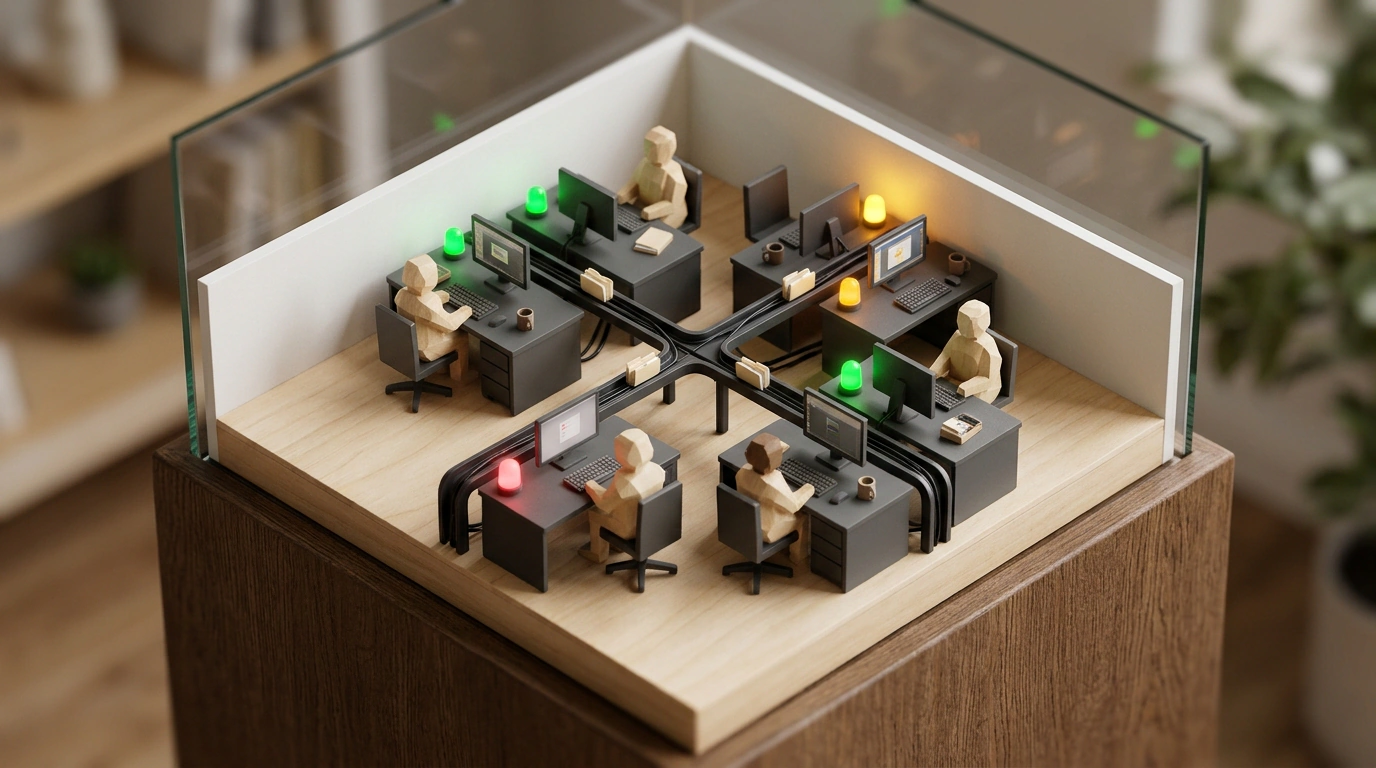
Isometric miniature diorama of a pixel-art office for AI agents with desks, colored status indicators, and connecting lines
ArticleAIDevelopmentAutomationMulti-Agent Systems

Visual Headquarters for AI Agents: Inside the Open StarNet AgentOS Canvas

Why build a retro-game-style visual interface for serious AI agents when an ordinary terminal is enough for computation?

When five or ten autonomous agents run simultaneously in your system, the terminal turns into an unreadable soup of logs and system messages. The open-source StarNet AgentOS project by Andrew AGI turns the screen into a clear interactive office. You see each model's status and task distribution in real time and can take over control with a single click.

👍 22
Julian Goldie SEOStarNet AgentOS Official Open Source GitHub Repository
November 5
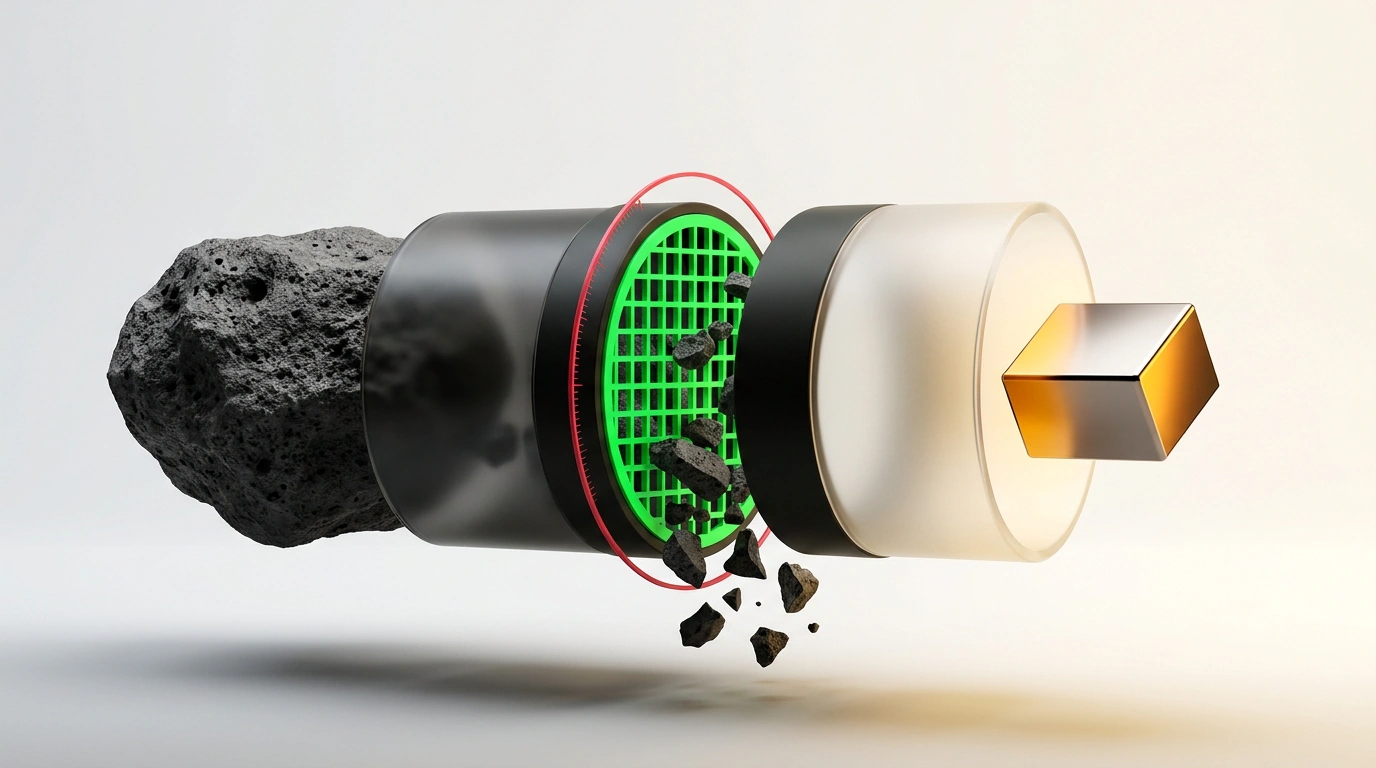
Conceptual exploded diagram of data stream purification: a massive block of raw ore is blocked by a filter, letting a compact gold ingot pass through
ArticleAIDevelopmentEfficiencyToken Optimization

Saving Up to 80% of Tokens in Claude: Practical Prompt and Caching Settings

Developers often complain about rapidly shrinking API balances when working with Claude models, blaming everything on high pricing.

In practice, the lion's share of the budget burns due to an elementary mistake: repeatedly sending gigantic static instructions and unfiltered terminal command output. Adopting Prompt Caching and smart log truncation cuts token consumption by 80%. Simple engineering filters save thousands of dollars without the slightest loss in reasoning quality.

👍 11
Julian Goldie SEOAnthropic Prompt Caching Guide & Token Pricing Documentation
November 5
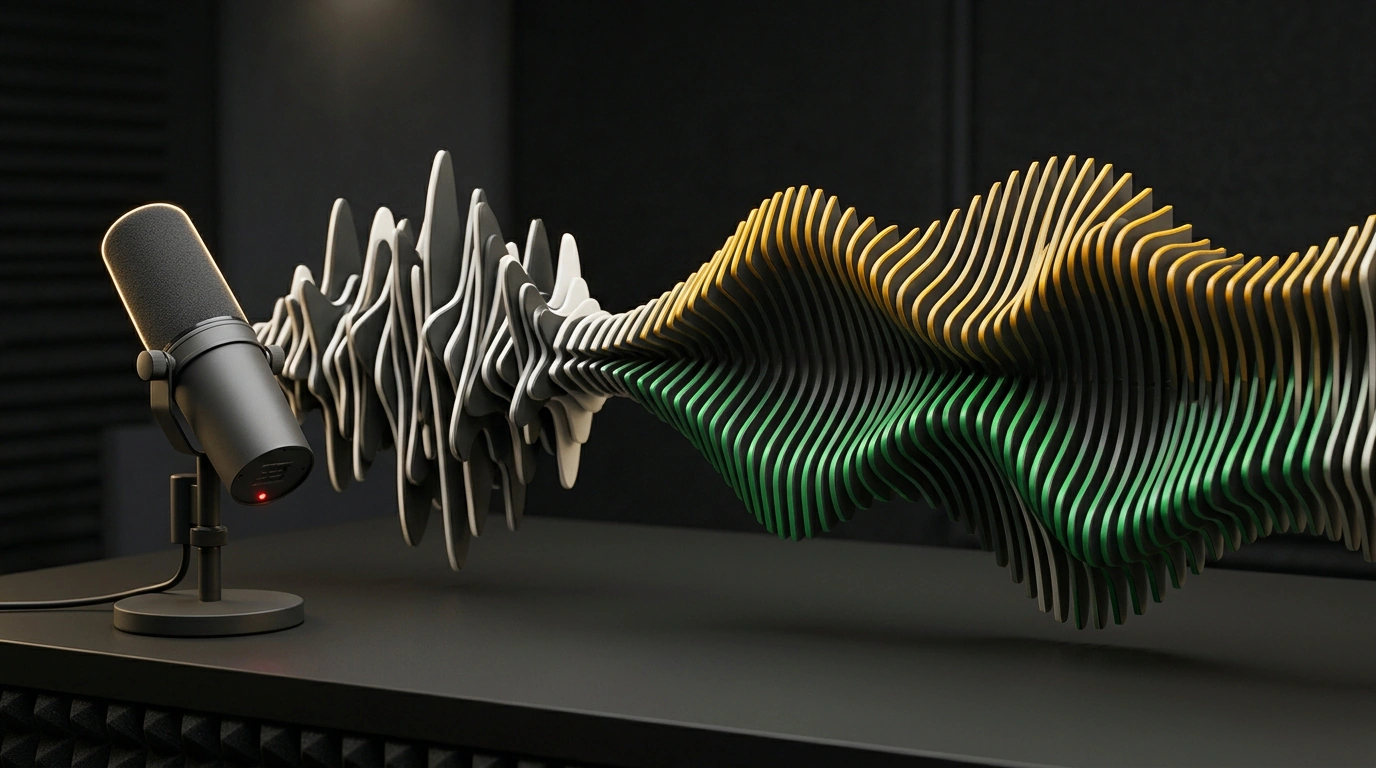
Sound wave made of matte graphite plates splitting into two neat speaker tracks with colored markers on a studio desk
ArticleAIAIDataSpeech Recognition

Local Audio Transcription from Nvidia: A Look at Nemotron 3.5 Transcribe

Most developers have grown used to treating Whisper as the gold standard for audio transcription, putting up with its sluggishness.

The fresh NVIDIA Nemotron 3.5 Transcribe release upends the established order. The model doesn't just convert speech to text with record accuracy—it separates lines by speaker on the fly and highlights key agreements without touching the cloud. The corporate confidentiality of standup recordings is now reliably protected by local hardware.

👍 36
Julian Goldie SEONVIDIA Nemotron 3.5 Transcribe Model on Hugging Face
November 5
Still life with a filing cabinet archive, where a beam of warm light instantly finds the right folder among hundreds of dark drawers
NoteAIAutomationEfficiencyFile Search

Semantic Search on Your Computer: How DigUp Finds Files from Fuzzy Memories

How many times have you spent half an hour hunting for a document in your Downloads folder, fruitlessly sifting through meaningless names like "report_final_3"?

Standard OS search looks for character matches and is completely helpless against human memory. The DigUp utility solves that pain through local vector search. Just describe the file in your own words, recalling the gist of a dialogue or slide topic, and the algorithm instantly finds the right fragment on disk without sending files over the network.

👍 18
The AI AdvantageDigUp Open-Source Semantic File Search Repository
November 5