Issue October 28Daily digest · 15 items
In this issueReviewed 68 sources, gathered 15 items
Studio still life of developer tools with an open notebook of engineering rules and cards showing six SDLC phases for AI agents.
ArticleAI AgentsDevelopmentAutomationSkills

Agent Skills: How to Package Engineering Standards for AI Agents

Handing feature development to autonomous AI agents often means watching them crank out dozens of files while cutting corners and quietly commenting out failing tests. The addyosmani/agent-skills repository turns chaotic vibe coding into a strict workflow with TDD, requirement verification, and guardrails against architectural hallucinations. Teaching a model not to lie in its logs, however, turns out to be harder than getting it to write tests.


👍 0
Best of JSGitHub - addyosmani/agent-skills
October 28
Architectural isometric cutaway of a modular code-editor plugin system with floating plugin.json manifest and MCP blocks.
ArticleAI AgentsDevelopmentPluginsCursor

Cursor Plugins: Official Plugin Architecture and Agent Context Management

Local .cursorrules files quickly turn into a graveyard of conflicting prompts once a full team works on the same codebase. The official cursor/plugins repository replaces that sprawl with isolated plugins built around strict manifests, MCP servers, and granular permissions. Keeping an agent from getting lost across dozens of external tools still demands surgical context isolation.

👍 0
Best of JSGitHub - cursor/plugins
October 28
Still life of a developer workspace with a laptop and a SKILL.md manifest whose peeled corner reveals a hidden layer of indirect prompt injection.
LongreadAI AgentsSafetyDevelopmentVulnerabilities

Anatomy of Vibe-Coding Threats: Why One in Five AI Agent Skills Is Dangerous

A VirusTotal investigation uncovered an alarming side of vibe coding: nearly 18.5% of scanned autonomous AI agent skills carry a hidden threat, and 62% of malicious packages contain zero traditional binary code. Attackers slip prompt injections into documentation files using hundreds of blank lines, hidden HTML comments, and invisible Unicode characters. The real danger, though, lies in payloads designed to embed themselves permanently in an agent's long-term memory.

👍 0
Node.JS [ru]VirusTotal Blog: How Some Malicious AI Skills Hide Instructions from Reviewers
October 28
News · October 281 news item

Next.js Preps Scheduled Security Release: Timeline and Upgrade Guidance

The Vercel team has published a preliminary schedule for a coordinated Next.js security release set for November 2026. Developers are advised to audit their deployed framework versions now, update dependencies to the latest minor branches, and prepare canary deployment pipelines.

Dramatic chiaroscuro still life of a server console displaying five leading indicators for Kubernetes pod autoscaling.
ArticleKubernetesAutomationInfrastructureScaling

Five Hidden Kubernetes Metrics: How to Build Reliable Pod Autoscaling

Most teams wire Kubernetes autoscaling to CPU utilization and then wonder why services collapse in cascades under load. Researchers at ACRL pinpointed five non-obvious signals that protect your infrastructure ahead of time:

  • Message queue growth rate
  • TCP connection handshake latency
  • Request dwell time in the ingress buffer Reacting to leading indicators is far cheaper than digging out from a crashed pod.
👍 0
DevOps&SRE LibraryApplied Computing Research Labs Blog: Five key autoscaling metrics for Kubernetes
October 28
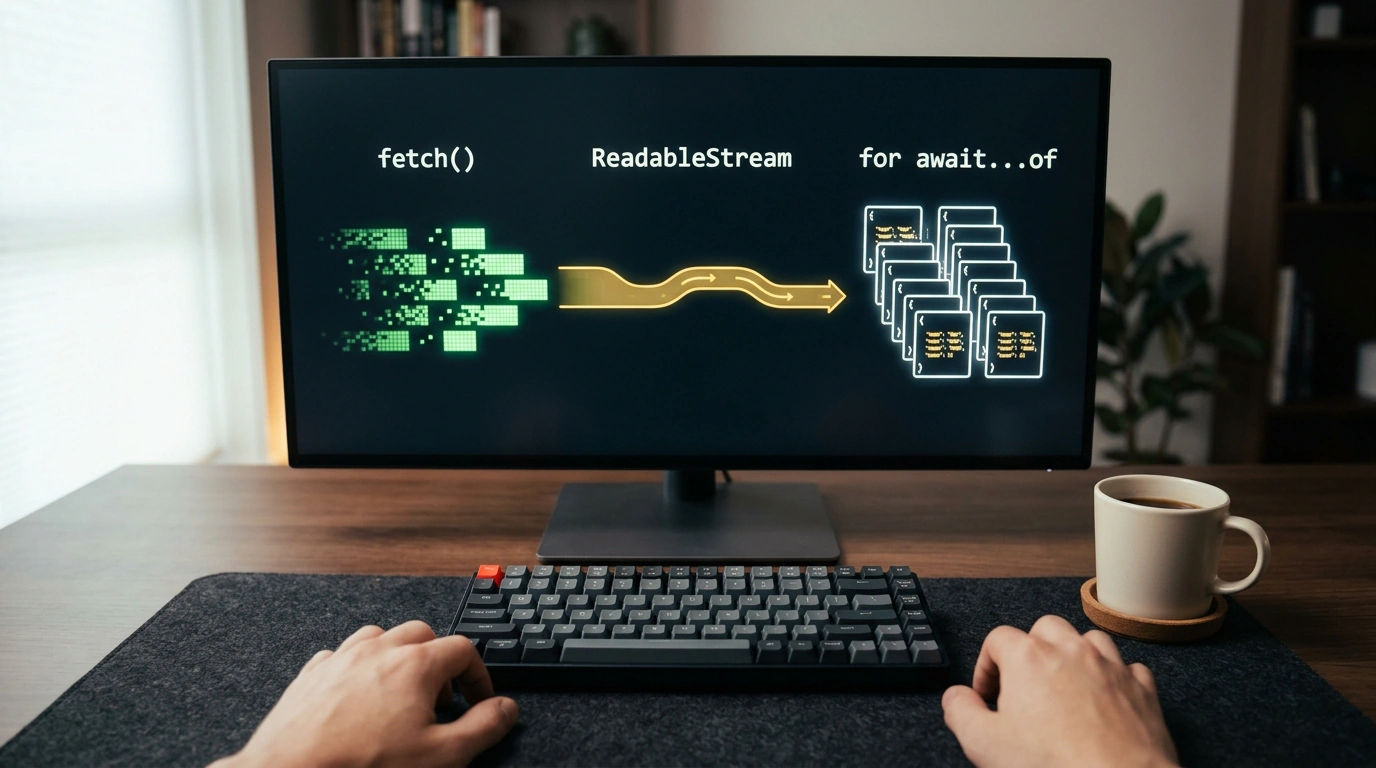
First-person view of a web developer's screen showing a streaming visualization of incoming fetch data chunks and a for await...of loop.
ArticleDevelopmentJavaScriptStreamingFetch

Streaming fetch in JavaScript: Parsing Large Data with for await...of

Most web developers instinctively wait for an entire response via response.json() or response.text(), flooding browser memory with megabytes of raw data. Native async-iterator support on ReadableStream opens up clean chunk-by-chunk streaming with for await...of. Stitching multi-byte UTF-8 characters split across chunk boundaries without memory leaks, however, still trips up plenty of teams.

👍 0
Библиотека фронтендераMDN Web Docs: ReadableStream[Symbol.asyncIterator]()
October 28
Cinematic night-reportage shot of a system administrator at a Linux terminal with a one-off job scheduled via at.
ArticleLinuxAutomationSystem AdministrationDevOps

One-Off Tasks in Linux: A Complete Guide to at and atd

When a Linux command just needs to run once later, plenty of engineers still hack together background sleep calls or clutter crontab with temporary lines. The built-in at utility and atd daemon offer a clean, purpose-built workflow for one-off jobs:

  • Human-readable time syntax like teatime or now + 3 hours
  • An exact snapshot of your environment variables and working directory
  • Isolated execution queues with priority levels Managing delayed maintenance gets much easier when you never have to scrub your scheduler afterward.
👍 0
Linux | Network | DevOpsLinux man-pages - at(1)
October 28
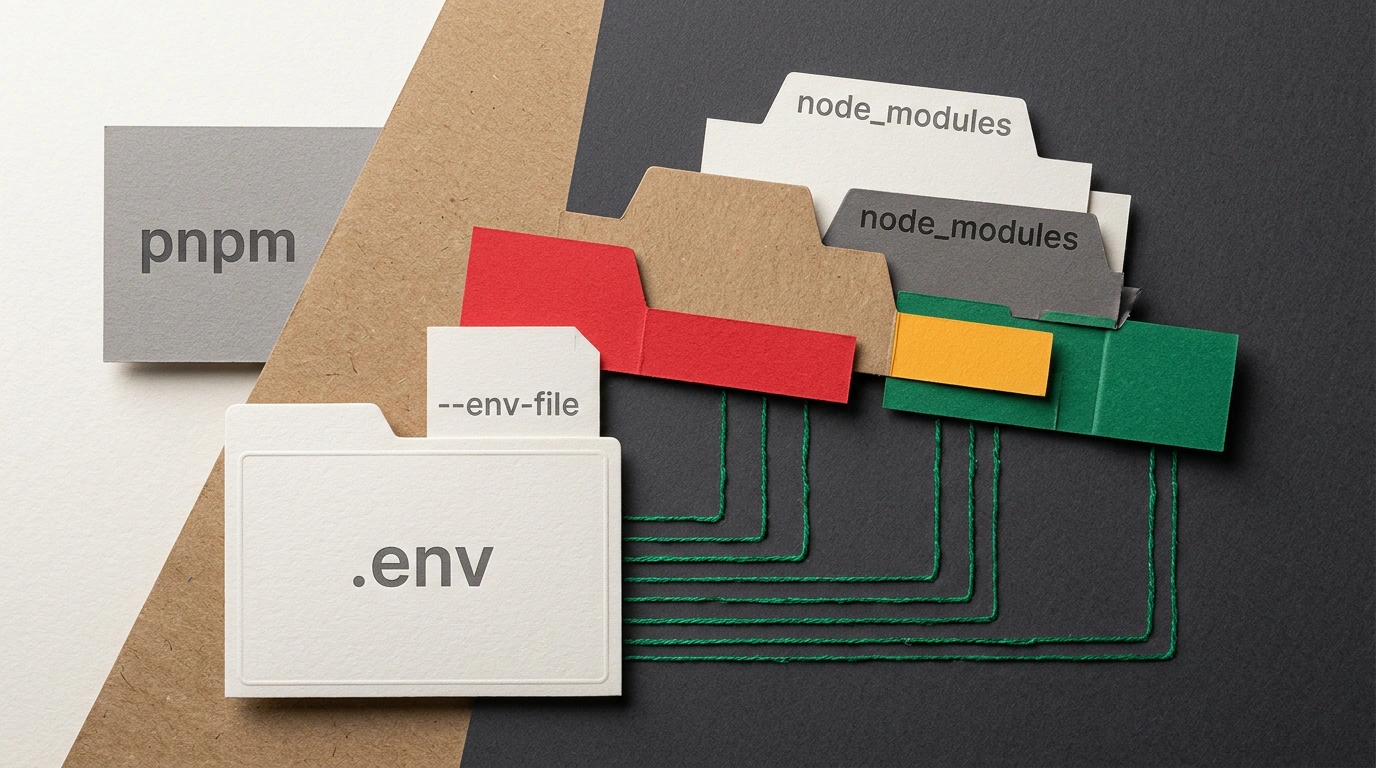
Tactile mixed-media paper collage showing layered pnpm store isolation and a native .env file.
ArticlePnpmDevelopmentPackage ManagersTools

Major pnpm Update: Native .env Loading, Security Fixes, and Worker Adaptation

For years, loading environment variables in npm scripts meant pulling in third-party packages like dotenv-cli or cobbling together cross-platform workarounds. The twin pnpm v12.16 and v11.28 releases add native .env file loading, tune parallel workers to container limits, and close installer security gaps. Managing monorepo configuration now works cleanly without extra glue.

👍 0
pnpm BlogGitHub - pnpm v12.16.0 Release
October 28
Photorealistic 3D render of a web page featuring smooth scroll-driven animation and capsules of isolated web components.
NoteFirefoxDevelopmentWeb StandardsCSS

Firefox 159: Native Scroll-Driven Animations and Scoped Web Component Registries

Frontend engineers have spent years weighing down the browser main thread with heavy scroll event listeners just to animate UI elements on scroll. Firefox 159 retires those workarounds by shipping hardware-accelerated CSS Scroll-driven Animations and scoped Web Component registries. Complex page choreography now holds a steady 60 frames per second without a single line of JavaScript.

👍 0
Веб-стандартыMDN Web Docs: Firefox 159 for developers
October 28