"Your labs are spotless, your colonoscopy is clear. It's irritable bowel syndrome—there's no cure, you'll just have to live with it." If a doctor has ever told you something like that, you know the frustration and helplessness it leaves behind. You deal with cramps, bloating, and unpredictable bowel habits for years, only to be told to "stress less."
Evidence-based gastroenterology just took a major step forward. In September 2026, the Neurogastroenterology and Motility Section of the Israeli Gastroenterology Association published updated clinical guidelines for managing IBS.
Gastroenterologist Andrey Kharitonov broke down the new consensus in detail. Its core takeaway is clear: medical nihilism and the phrase "IBS can't be treated" don't hold up to science. You can bring this condition under steady, reliable control once you understand where the signal actually misfires.
Revolt on the Axis: Why Your Gut Hurts Without Inflammation
Why do cramps make life miserable when blood tests are normal and a colonoscopy shows healthy tissue?
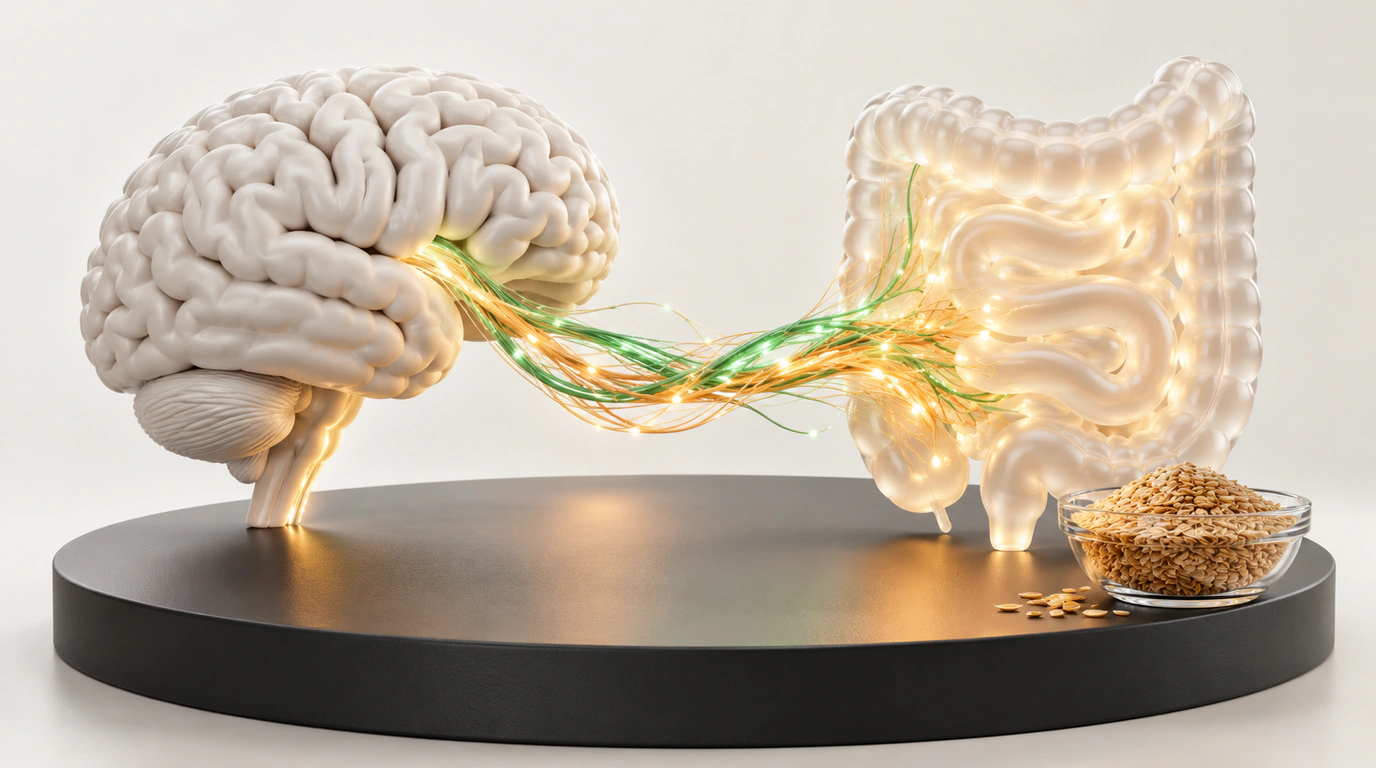
IBS isn't a structural disease—it's a disorder of gut-brain interaction (DGBI). Your digestive tract is wired with its own enteric nervous system containing more than 500 million neurons, all communicating with your brain via the vagus nerve.
In IBS, those sensors lose their calibration, leading to visceral hypersensitivity. Picture a smoke alarm with its sensitivity cranked so high that it blares not at an open fire, but at a single struck match. That's what happens in your gut: normal food movement and everyday gas get flagged by nerve endings as sharp pain signals and relayed straight to the thalamus.
We've already explored digestive physiology in our piece on diet myths and evidence-based GI treatment. These new Israeli guidelines lay out a clear roadmap for recalibrating that gut-brain link.
Step-by-Step Relief: From the Right Fiber to Neuromodulators
Modern IBS care follows a clear sequence:
- Soluble fiber instead of coarse bran: A common mistake is loading up on rough wheat bran. Insoluble fiber scrapes against a hypersensitive bowel wall and worsens gas and bloating. Experts specifically recommend soluble fiber—psyllium husk. Start at 3–5 g per day and gradually work up to 10–15 g with plenty of water. Psyllium forms a gentle gel that regulates stool consistency across IBS subtypes.
- Targeted antispasmodics: For acute cramping, doctors use myotropic antispasmodics (mebeverine, pinaverium bromide, or enteric-coated peppermint oil capsules). They relax smooth muscle directly in the gut wall.
- Low-dose neuromodulators: For stubborn pain, specialists prescribe medications that dial down pain signaling in the spinal cord (such as amitriptyline). The key detail: it isn't used as an antidepressant here, but in a microdose (10–25 mg at bedtime, 5 to 10 times lower than psychiatric doses). At that level, it acts as a pain-signal dampener for gut nerve plexuses.
- Gut-directed psychotherapy: Cognitive behavioral therapy for GI disorders (CBT-GI) and gut-directed hypnotherapy earned the highest Level I-A evidence rating, reducing cramps on par with medication.
The strict elimination phase for fermentable carbs lasts strictly 2–6 weeks. Staying on tight restrictions beyond 8 weeks is risky: starving your gut of prebiotics kills beneficial Bifidobacteria and drops protective butyrate production. Once symptoms settle, systematic food reintroduction is essential.
IBS should never be diagnosed without a thorough workup if you have warning signs: blood in your stool, unexplained weight loss, pain that wakes you up at night, fever, or new symptoms starting after age 50.
The goal of IBS therapy isn't a mythical overnight "cure," but lasting, multi-year remission and getting your normal life back. And evidence-based medicine knows exactly how to get you there.
