Issue October 30Daily digest · 16 items
In this issueReviewed 35 sources, gathered 16 items
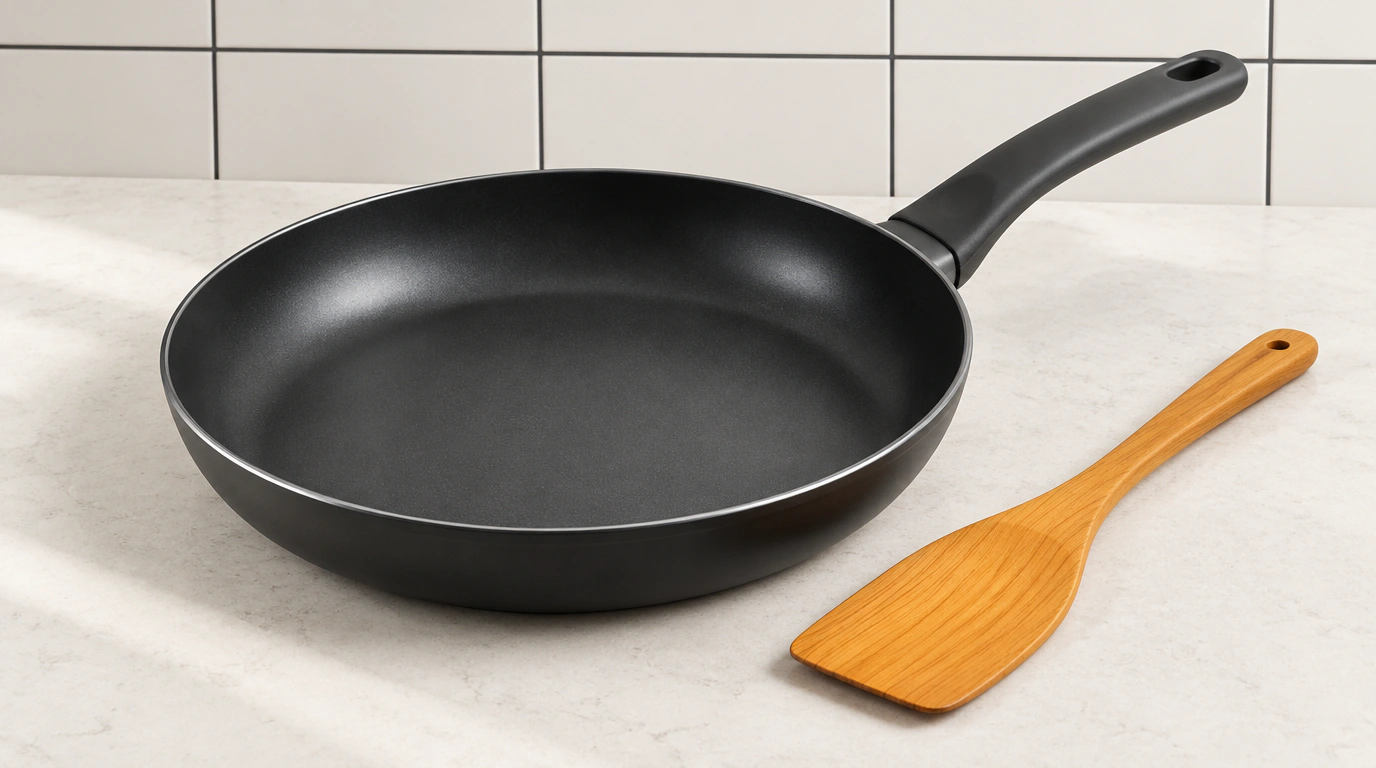
Staged kitchen still life: a clean graphite-colored Teflon frying pan beside a light wooden spatula against a warm white tile backsplash.
NoteHealthSafetyToxicologyCookware

Teflon Pans and the 'Dark Waters' Scare: When Nonstick Cookware Is Actually Safe

After watching Dark Waters, it is hard not to eye your nonstick skillet with suspicion—almost as if every morning omelet were quietly dosing you with toxins. In reality, the DuPont lawsuit centered on industrial dumping of toxic PFOA into drinking water, not finished Teflon coatings in a home kitchen.

PTFE polymer itself is chemically inert: it does not react with stomach acid and stays stable during normal cooking up to 230 °C. Risk only appears in one everyday kitchen scenario most people rarely think about.


👍 0
Бородатый не пробовал...The Lancet Oncology: Carcinogenicity of PFOA and PFOS (IARC Monographs Vol 135)BfR FAQ: Selected questions and answers on cookware with non-stick coating made of PTFE
October 30
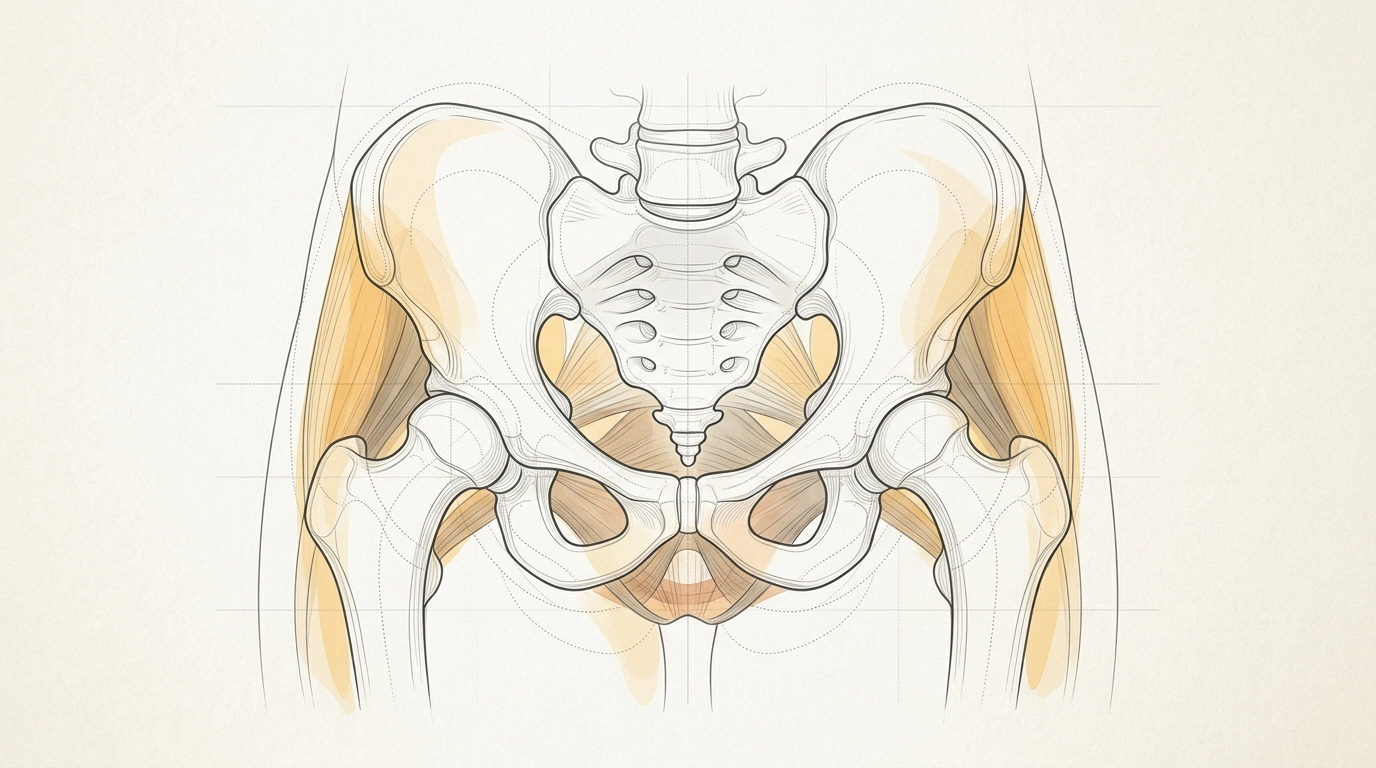
Graphic anatomical diagram of pelvic bone structure and gluteal muscle contours in graphite lines on a warm white sheet.
NoteHealthEndocrinologyGeneticsAnatomy

Glute Shape and 'Hormone Diagnoses': How Social Media Misuses Estrogen and Cortisol

A 'hormone self-diagnosis' trend is going viral on social media, claiming a square glute shape signals sky-high cortisol while a rounded curve means ideal estrogen. It sounds catchy, but endocrinology and anatomy tell a very different story.

Your hip contour is shaped by pelvic bone structure, iliac crest width, and muscle attachments—not a stressful week. Gynoid fat even plays a protective metabolic role, despite influencers scaring audiences with imaginary hormone failures.

👍 0
Доктор Павлова, эндокринологInternational Journal of Obesity: Gluteofemoral body fat as a determinant of metabolic health (Manolopoulos, Karpe, Frayn)
October 30
Cinematic shot in a bright gym: an Olympic barbell loaded with heavy plates resting on a lifting platform in morning sunlight.
ArticleFitnessTrainingHealthPhysiology

Women's Fitness Myths: Why Heavy Compound Lifts Are Essential for Women

For years, the fitness industry told women that heavy barbells were dangerous—supposedly wrecking joints, causing prolapse, and making bodies look masculine. Instead, women were steered toward three-pound pink dumbbells and endless leg swings.

Sports science and medicine show the opposite: muscle adaptation works the same way in both sexes. Heavy compound lifts are practically irreplaceable for preventing postmenopausal osteoporosis and protecting knee ligaments, yet the 'female fragility' myth still keeps women away from the barbell.

👍 0
лёгкий зожJournal of Bone and Mineral Research: High-Intensity Resistance Training Reverses Bone Loss (LIFTMOR Trial)
October 30
News · October 306 news items

Lentils Instead of Meat: Why Plant Foods Won't Raise Ferritin in Anemia

Nutrient tables often rank lentils higher in iron than beef, raising false hope that a bowl of bean soup can cure anemia. Yet non-heme iron has a bioavailability of just 2–10%, and phytates block its absorption. When ferritin is low, diet alone cannot fix the deficit without medical iron therapy.

The 'Toxins' and 'Cleanse' Myth: Why Juice Detoxes Hurt Your Health

In academic toxicology, 'gut sludge' does not exist—it is a marketing invention built to sell juice programs. Your liver and kidneys continuously neutralize and clear metabolic byproducts without outside help. Extreme fruit-juice fasts only starve the body of protein, triggering muscle breakdown and hair loss.

Stroke Mortality Drops 30%: How Digital Triage and AI Are Reshaping Emergency Care

Over five years, in-hospital stroke mortality in Moscow dropped by 31%, and heart attack mortality fell by 35%. Behind those figures are dedicated vascular centers, AI record screening, and digital triage. Still, saving brain tissue starts with recognizing acute stroke signs early and calling emergency services immediately.

The 'Toe-Spread' Test: Why Stiff Feet Lead to Pain and Bunions

Narrow city shoes turn the foot into a rigid block, erasing neuromuscular control over your toes. The 'toe-spread' test immediately exposes hidden muscle atrophy that contributes to bunions and knee pain. Five minutes of daily foot drills helps wake up deep stabilizers without relying on stiff insoles.

The Cost of Extreme Eating: Why Top Bodybuilder Rafael Brandão Left Men's Open

Brazilian bodybuilder Rafael Brandão left the heavyweight Men's Open division after a severe digestive breakdown. Years of forcing down 8,000 kcal a day exhausted his digestive enzymes and inflamed his gut. Dropping to Classic Physique requires shedding 18 kg of muscle, underscoring the biological limits of digestion.

Three Myths About Yoga: Why Stiffness and a Busy Mind Shouldn't Stop You

Many people put off yoga because of false assumptions—believing it takes natural flexibility, an empty mind, or two free hours. Meta-analyses confirm that even 15 minutes of gentle practice lowers cortisol and stimulates the vagus nerve, restoring calm in the middle of a busy workday.

Cozy home still life of morning recovery: a soft rolled yoga mat, a ceramic mug, and running shoes beside a bright window.
ArticleHealthFitnessRecoveryMotivation

Postpartum Recovery: Why a Runway Walk at 6 Weeks Is a Terrible Reason to Beat Yourself Up

A supermodel stepping onto the runway six weeks after giving birth always splits the internet: some call it inspiring willpower, others call it physiological violence and a toxic standard. New mothers inevitably look in the mirror and feel a sting of guilt.

Behind that runway photo lie years of elite athletic conditioning, muscle memory, and a full support team handling daily chores. In real life, healing pelvic tissues and ligaments require patience and respect—not a sprint to match someone else's modeling contract.

👍 0
Физикл | Олег ЗингилевскийReturning to Running Postnatal Guidelines: Pelvic Floor, Diastasis Recti, and Load Management (Goom, Donnelly, Brockwell)
October 30
Minimalist conceptual still life: a glass pharmacy vial with a single droplet beside a metal hourglass on a graphite surface.
NoteHealthEndocrinologyPharmacologyWeight Loss

Weight-Loss Injections: How GLP-1 Agonists Quiet Appetite and Why the Weight Returns

GLP-1 agonists sparked a revolution: they quiet background 'food noise' in the hypothalamus and slow stomach emptying, helping patients lose 15–20% of their body weight. It can feel as though the key to staying lean finally comes in a pharmacy vial.

Yet the STEP-1 trial revealed a harsh catch: within a year of stopping the shots, patients regain two-thirds of the weight they lost. Without enough protein and strength work, the body sheds muscle and answers with a fierce ghrelin rebound, making a lasting habit overhaul essential.

👍 0
Максим Кузнецов - Врач эндокринологМаксим КузнецовDiabetes, Obesity and Metabolism: Weight Regain after Semaglutide Withdrawal (STEP 1 Extension)
October 30
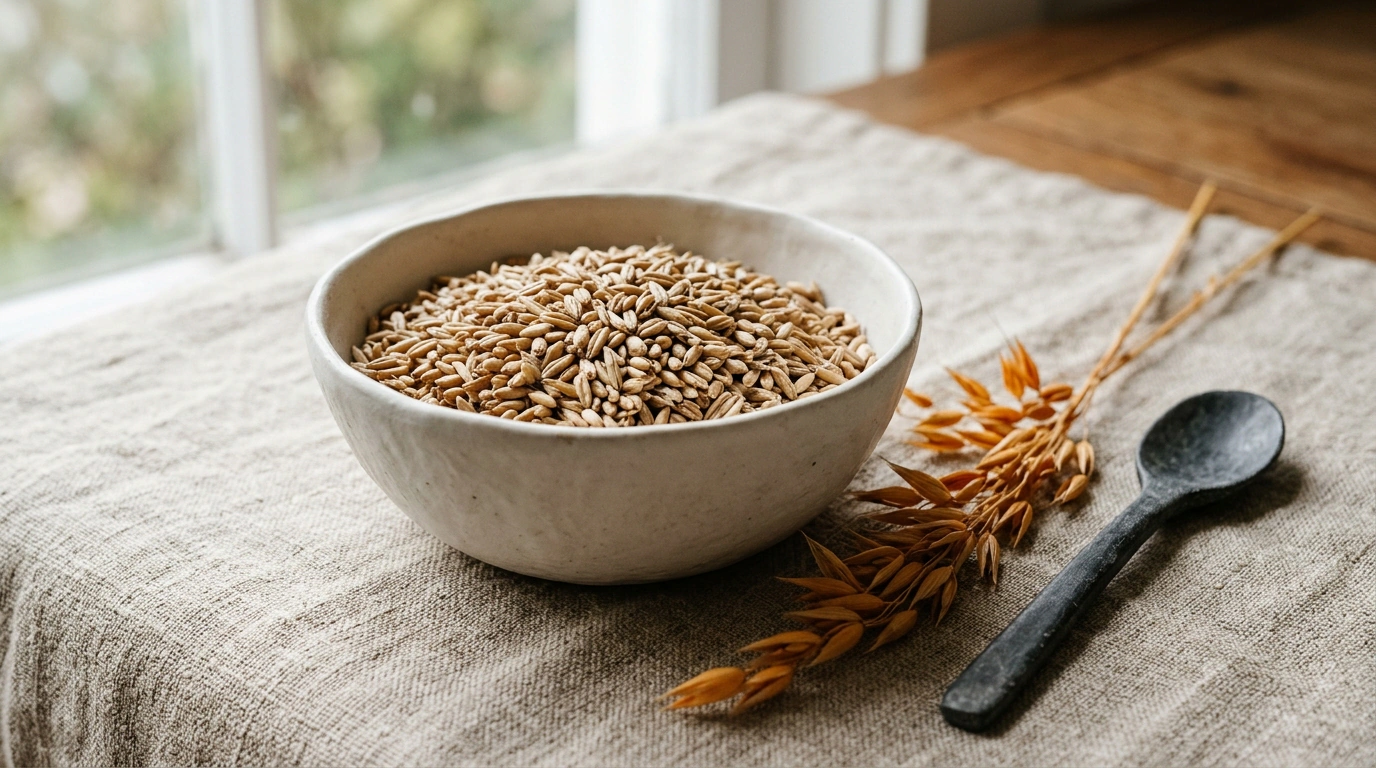
Staged whole-grain still life: a ceramic bowl of whole oat groats and dried oat stalks on a linen tablecloth.
NoteNutritionDieteticsHealthSatiety

Slow-Cooked Grains vs. Instant Oats: How Cereals Shape Satiety

Pouring boiling water over a packet of instant oats feels like the ideal healthy breakfast. Yet an hour later your stomach demands a snack and brain fog sets in, while a bowl of pearl barley or steel-cut oats keeps you full until lunch.

The secret is factory starch gelatinization: instant flakes clear the stomach in fifteen minutes, spiking blood sugar and insulin. Intact whole grains hold volume for hours and trigger satiety hormones through viscous beta-glucans, changing the whole arc of your day.

👍 0
Максим КузнецовEuropean Journal of Clinical Nutrition: A Satiety Index of Common Foods (Holt et al.)
October 30
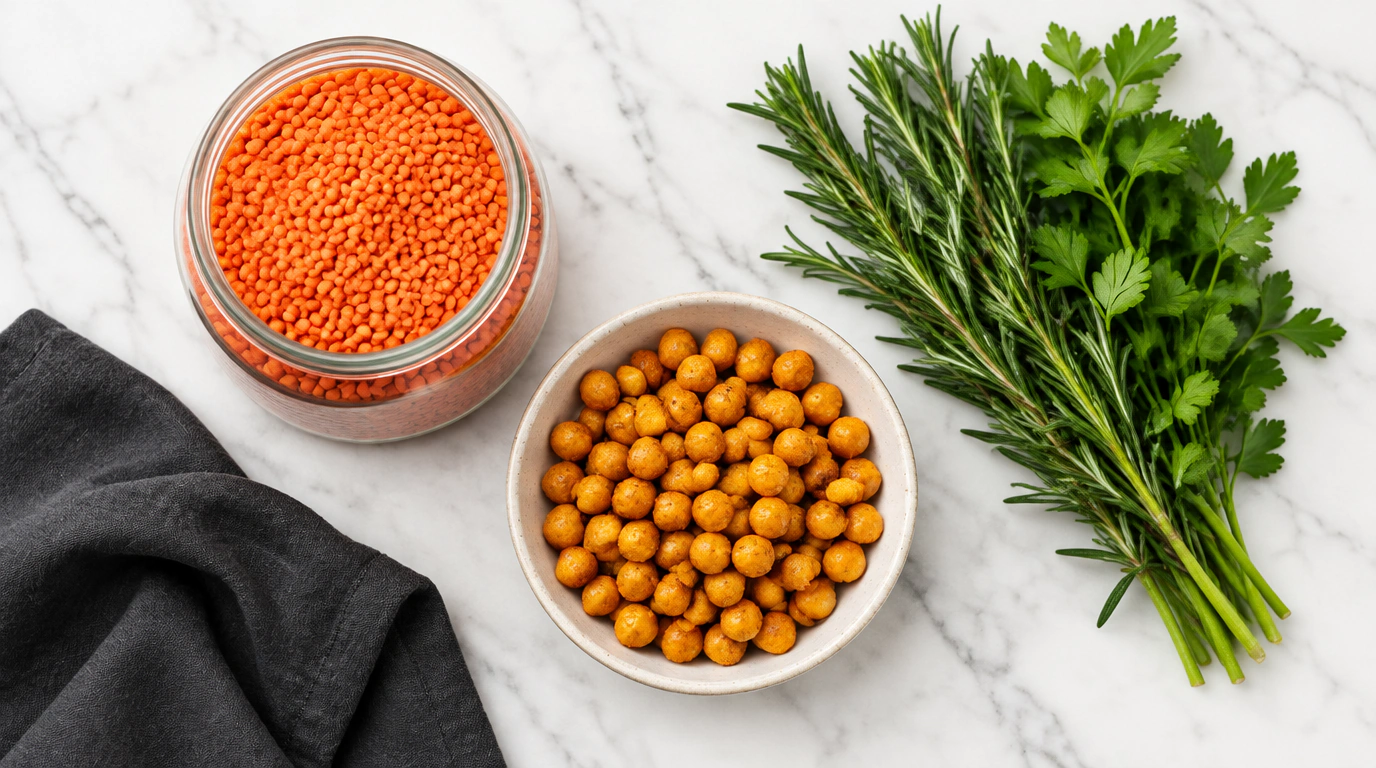
Composition of healthy protein sources: a glass jar of red lentils, roasted chickpeas, and fresh green herbs on a white table.
NoteNutritionDieteticsHealthProtein

Protein Targets and 5 Unexpected Sources: How to Lose Fat Without Losing Muscle

Cutting calories without tracking protein turns into a trap: up to half of lost weight can come from muscle, dragging down resting metabolism. To burn fat while protecting lean tissue, endocrinologists recommend 1.5–2.0 grams of protein per kilogram of body weight.

Most dieters quickly burn out on plain chicken breast and dry cottage cheese. Part-skim ricotta, chicken hearts, tuna in water, lentils, and roasted chickpeas add welcome variety and keep hunger at bay better than strict bans.

👍 0
Максим КузнецовBritish Journal of Sports Medicine: Protein Supplementation and Muscle Mass Gains (Morton et al.)
October 30
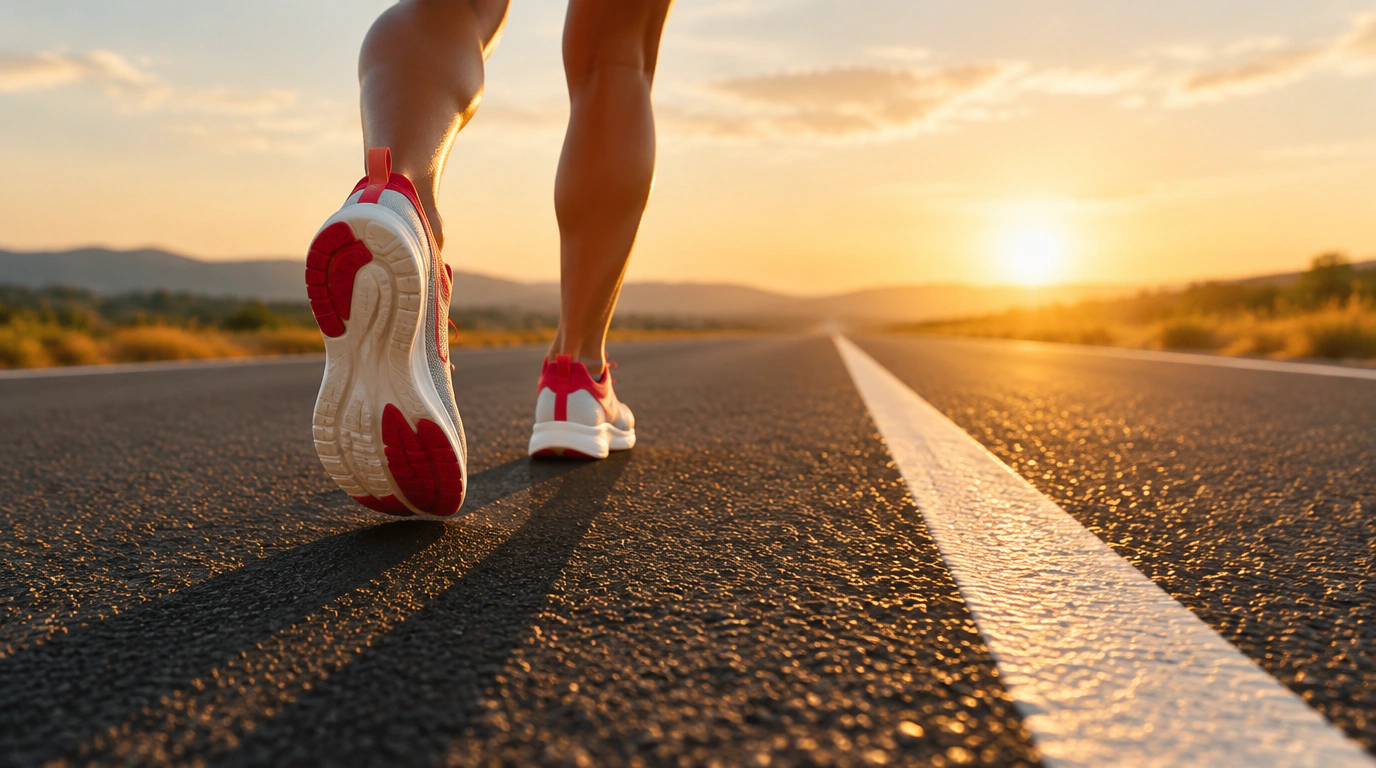
Reportage scene on a marathon course: a runner's feet in sneakers on asphalt with bright contrasting road markings.
NoteFitnessTrainingHealthRunning

Marathon Psychology: How 'Why Am I Running?' Turns Into Resilience and Self-Trust

Around kilometer 32, every marathoner slams into a stubborn mental wall. One exhausting question starts pounding in your head: why endure the thirst, heavy breathing, and leaden legs? Your brain hits the emergency brake and begs you to stop.

In The Miles We Run, Alison Beder Solway breaks down two ways through the crisis: external distraction and somatic awareness. Short micro-contracts and gratitude for every step turn a brutal struggle into lasting self-trust that stays with you long after the finish line.

👍 0
Бегать простоThe Miles We Run: Lessons from the Arena of Resilience (Alison Beder Solway)
October 30
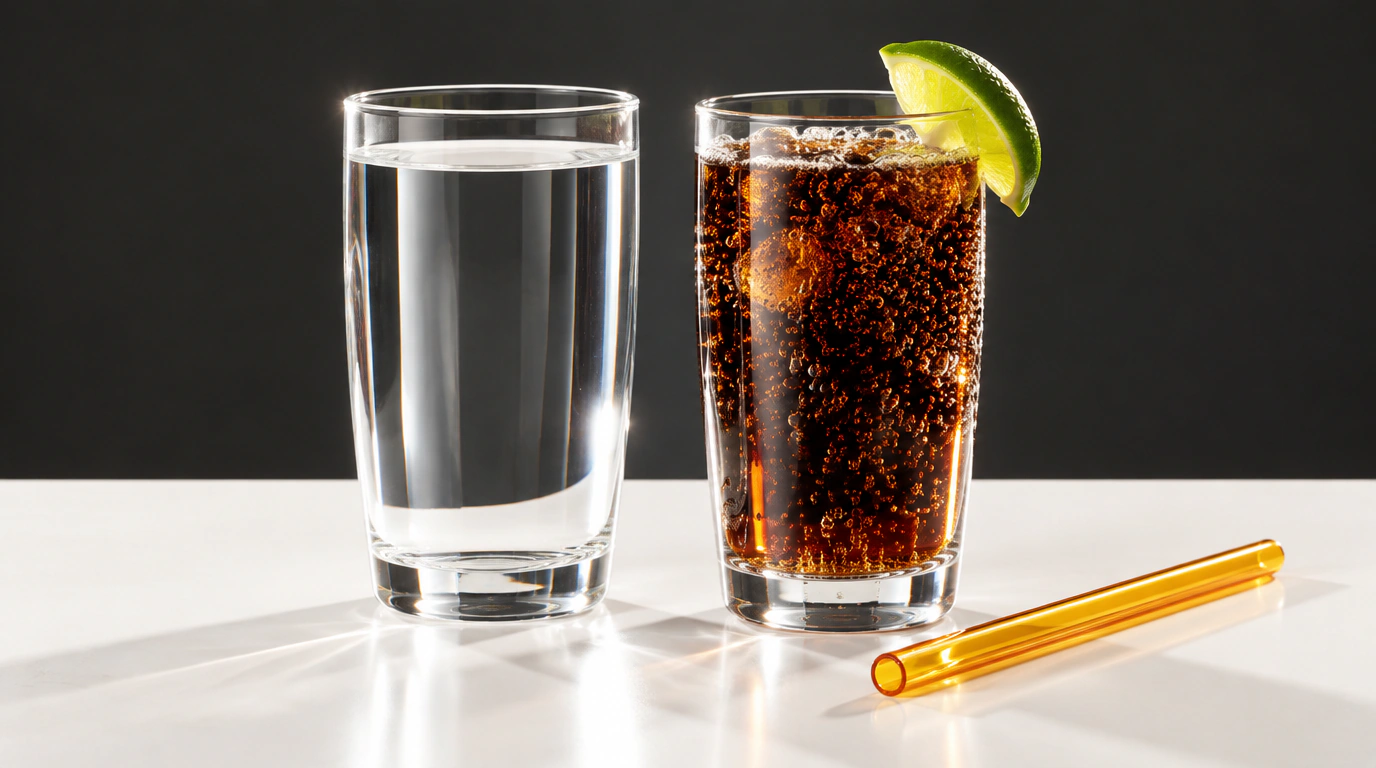
Studio product still life: a glass of clear still water beside a sparkling drink with bubbles and a slice of lime.
NoteNutritionDieteticsHealthSweeteners

Diet Soda vs. Water: Why Sweetened Zero-Calorie Drinks Can Help You Lose More Weight

It seems obvious that weight loss demands pure water and avoiding any sugar-free 'chemicals.' Yet clinical trials found the opposite: people drinking zero-calorie sweetened beverages lost nearly two kilograms more than those drinking water alone.

The reason lies in hedonic hunger: sweet taste without calories satisfies the brain's reward loop and prevents binges on pastries and chocolate. WHO toxicology limits also show that real aspartame risks are heavily overstated—just remember to protect tooth enamel from food acids.

👍 0
Тренер АртёмObesity: The Effects of Water and Non-Nutritive Sweetened Beverages on Weight Loss (Peters et al.)
October 30