Issue October 19Daily digest · 14 items
In this issueReviewed 36 sources, gathered 14 items
Staged still life with a laptop, a torn $1,500 receipt, and a security alert warning that a compromised API key has been revoked
ArticleSafetyOpen SourceDevelopmentVulnerabilities

The OpenCode Breach and Distillation Attack: How Leaked Tokens Hit Open-Source AI Tools

Picture coding calmly in your favorite editor, only to wake up to a $1,500 bill in your Anthropic or OpenAI dashboard for millions of overnight requests in an unfamiliar language. That is exactly what hit users of the open-source assistant OpenCode's cloud console. Unauthorized access struck a legacy authentication service, affecting roughly 1.4% of developers who stored keys in an external profile. The real twist, though, is the attack vector itself: hackers didn't breach servers for ransom—they stole tokens to run automated distillation of frontier models through other people's accounts and train their own AI for free.
👍 0
David OndrejCyberSecurityNews - OpenCode Distillation Attack Security Incident
October 19
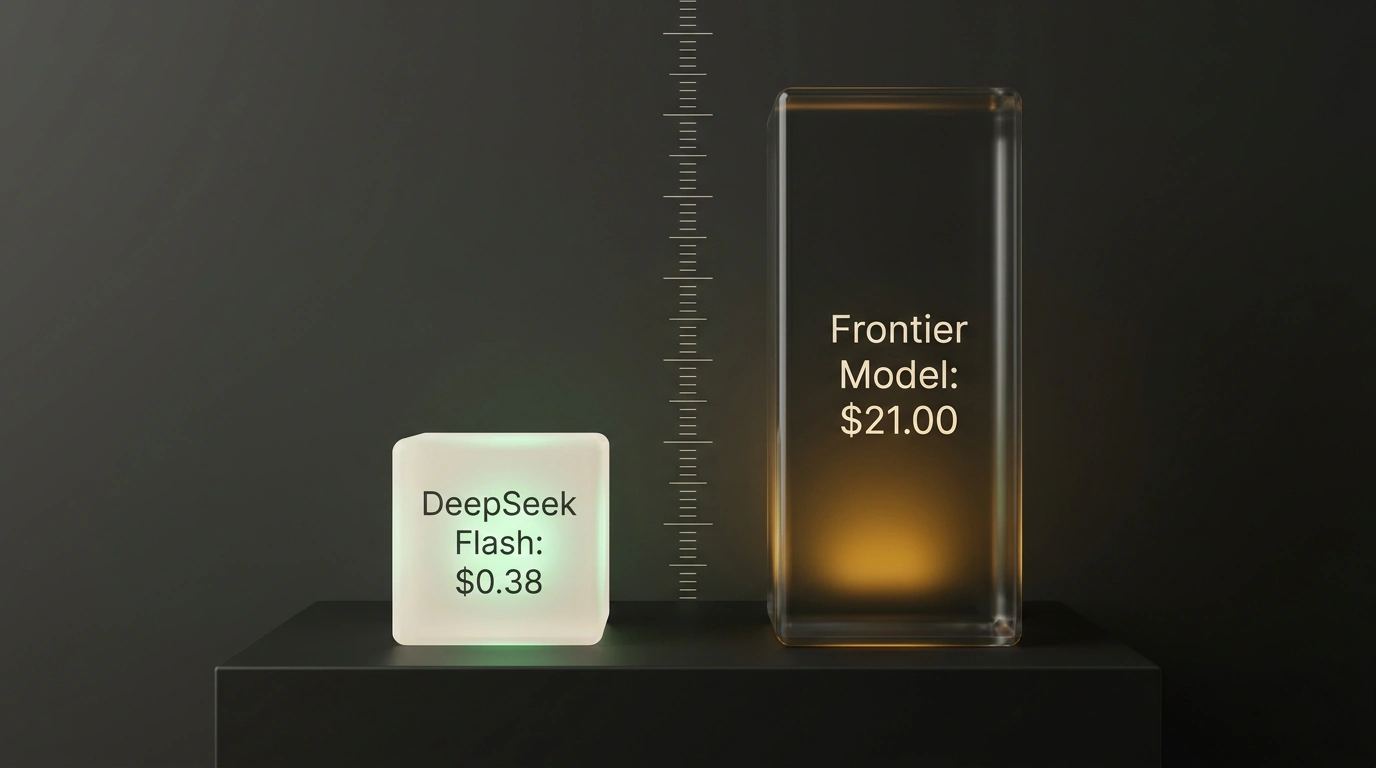
Comparative still life featuring two transparent compute-cost cubes for app builds with contrasting $0.38 and $21.00 cost readouts
ArticleLLMDevelopmentBenchmarksDeepSeek

DeepSeek V4.1 Flash 1017: Faster App Builds and a Cost Showdown with Claude Opus

Developers have long assumed that generating a full web service from scratch requires a heavy, pricey flagship like Claude Opus. The fresh DeepSeek V4.1 Flash 1017 checkpoint from October 17, 2026, proves that the monopoly of ultra-expensive models is fading. With a 1-million-token context window and just 140 ms time-to-first-token, it builds client portals in minutes. In a benchmark of three complete app builds, inference cost just 38 cents compared to $21 on proprietary flagships—over 50x savings with comparable working code.

👍 0
Julian Goldie SEODeepSeek Platform - V4.1 Flash 1017 Release
October 19
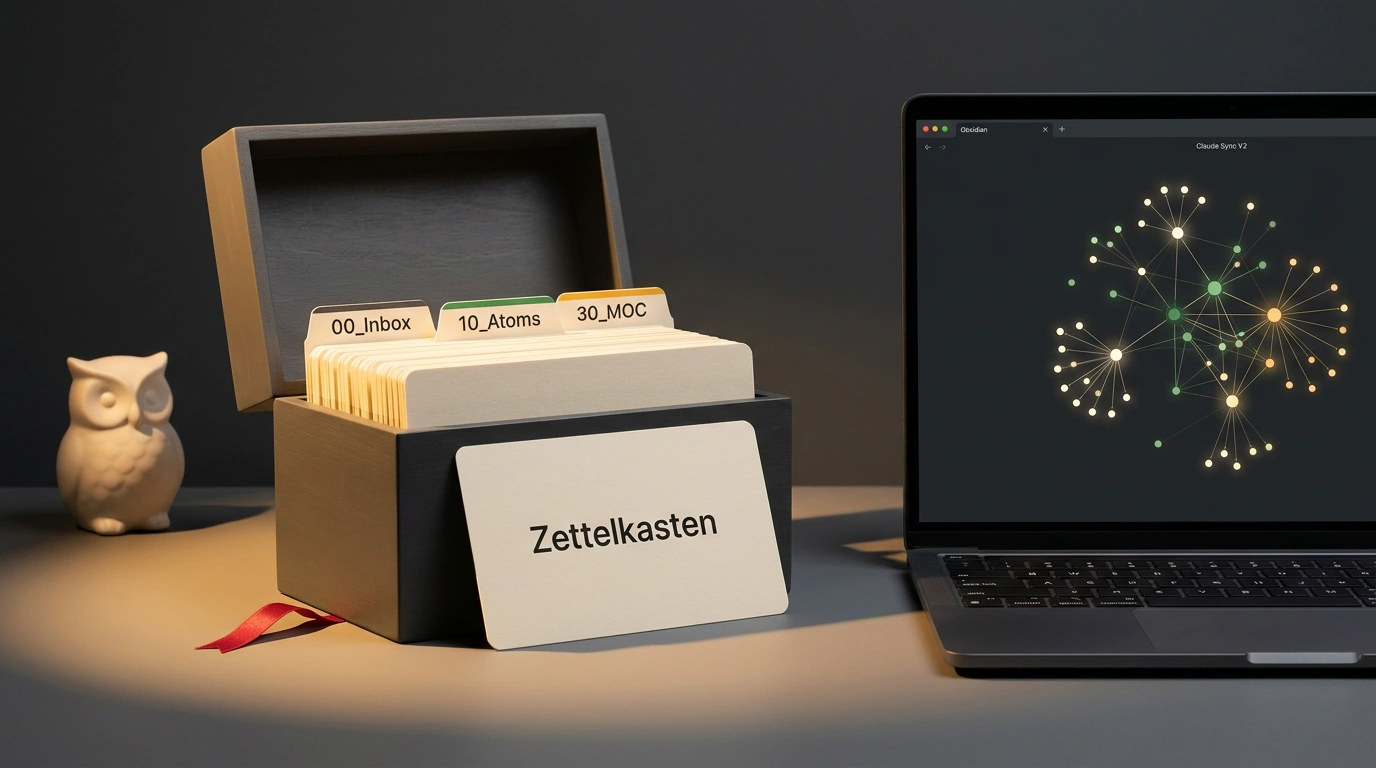
Cozy desk setup with a wooden Zettelkasten card index, knowledge-base layer dividers, and a glowing Obsidian graph on a laptop screen
LongreadProductivityAutomationKnowledge BaseObsidian

An AI-Powered Second Brain: Step-by-Step Guide to Building a Personal Knowledge Base with Claude and Obsidian

Most attempts to build a digital 'second brain' end in frustration: you install a notes app, dump hundreds of links into it, and two months later you're staring at an abandoned graveyard of text where nothing is easy to find. Pair Zettelkasten's atomic note principles with Claude's context power, however, and your vault suddenly comes alive. The local Claude Obsidian V2 plugin analyzes your archive without uploading files to third-party clouds, turning scattered drafts into a connected graph of ideas. The model acts as a sharp sparring partner, cross-referencing notes, flagging logic gaps, and helping you draw conclusions from your own observations.

👍 0
Julian Goldie SEONick SaraevObsidian Plugin Directory - Claude Sync V2
October 19
News · October 197 news items

ChatGPT Can Now Read Browser Tabs: New Ways to Automate Routine Work

OpenAI has taught ChatGPT to read context directly from your open browser tabs without manual copy-pasting. The assistant analyzes up to ten pages at once, pulling specs and prices into comparison tables in seconds while keeping passwords isolated on Plus, Team, and Enterprise plans.

Perplexity Computer Gets UltraFast Mode: Speeding Up Background Compute Tasks

Perplexity Computer has launched an UltraFast preset for deep data analysis and background compute. The new mode queries hundreds of sources in parallel and completes complex research tasks five times faster than standard Pro Search, saving serious time for Pro and Enterprise subscribers.

Grok Voice 3.0: Ultra-Low Latency and a New Level of Naturalness in Voice AI

xAI has released Grok Voice 3.0, a voice model built on an end-to-end speech-to-speech architecture. First-response latency drops to a record 220–250 milliseconds, paired with instant barge-in handling and expressive emotional modulation in the X app and public API.

Microsoft Decision-1: A Dedicated Ultra-Fast Decision Model for AI Agents

Microsoft has introduced Decision-1, a specialized decision model for agentic systems. Instead of generating long text, it runs probabilistic action scoring 35x faster than general-purpose LLMs for under a cent per thousand decisions, freeing heavy models from routine routing.

Krea 3: Local 2K Image Editing from Text Prompts in 8 Seconds

Krea has launched Krea 3, a visual editor upgrade featuring precision local editing at native 2K resolution. Using a bounding box and a short text prompt, the model swaps targeted regions in under eight seconds while preserving surrounding shadows, perspective, and color palette.

MiniCPM-V 4.7: A 35B Multimodal Model Running in 3 GB of Smartphone RAM

OpenBMB has released MiniCPM-V 4.7, a 35-billion-parameter MoE multimodal model. Thanks to INT4 quantization and predictive paging of active experts from flash storage, the model runs completely locally on smartphones in just 3 GB of RAM.

Ling 3.1 Flash: An Open 560B Model for Generating Web Apps from a Single Prompt

InclusionAI has unveiled Ling 3.1 Flash, a massive 560-billion-parameter open MoE model with a 1-million-token context window. Its architecture is tuned for generating interactive web apps from a single text prompt at over 90 tokens per second.

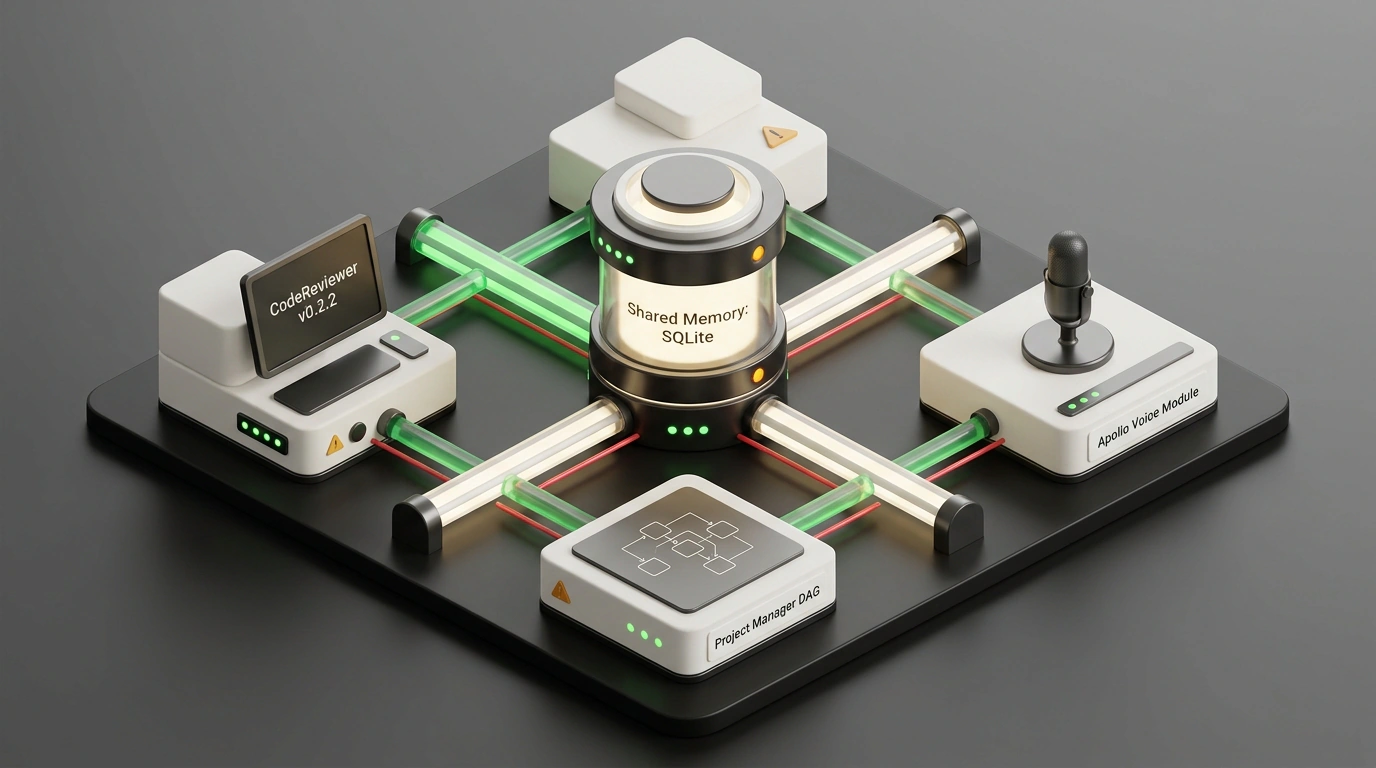
Isometric 3D model of the open-source Hermes Agent command center featuring the SQLite memory bus and Apollo voice module
Thematic roundup4 sectionsAI AgentsOpen SourceAutomationArchitecture

The Hermes Open AI Agent Ecosystem: Agent OS Architecture, v0.2.2 Release, and Voice Control

Fragmented agent scripts force developers to hop endlessly between browser tabs and copy-paste context across tools. The open-source modular platform Hermes Agent solves this with its shared Agent OS environment and stable v0.2.2 core release.

Its architecture unifies three core coordination layers:

  • Shared Memory Bus: eliminates agent silos and persists decision history in local SQLite;
  • Apollo Voice Agent: processes your screen buffer and live speech with under 300 ms latency;
  • Project Manager Dispatcher: breaks high-level business instructions into a subtask graph and routes them to worker agents.

The result is a dependable open-source backbone for local autonomous workflows.

👍 0
Julian Goldie SEONous Research Hermes Agent OS v0.2.2 Documentation
October 19
Staged still life with an open laptop running the RTK token-trimming terminal against paper charts showing context reduction
ArticleOptimizationDevelopmentLLMTokens

Cutting LLM Token Usage by Up to 80%: A Practical Stack of Headroom, RTK, Caveman, and Ponytail

Where does your budget actually go when running autonomous AI agents like Claude Code or OpenCode? Check the system logs and you'll find up to 80% of tokens are burned not on deep reasoning, but on pure noise: terminal progress bars, endless blank lines, verbose model pleasantries, and repetitive JSON. A stack of open-source utilities—Headroom, RTK, Caveman, and Ponytail—plugs that leak at every stage. The fast CLI proxy RTK compresses terminal output by 60–90%, Headroom optimizes network context, and Caveman mode strips conversational filler, slashing API costs four- to fivefold without hurting code quality.

👍 0
Julian Goldie SEOExtraHeadroom Token Optimization Stack Documentation
October 19
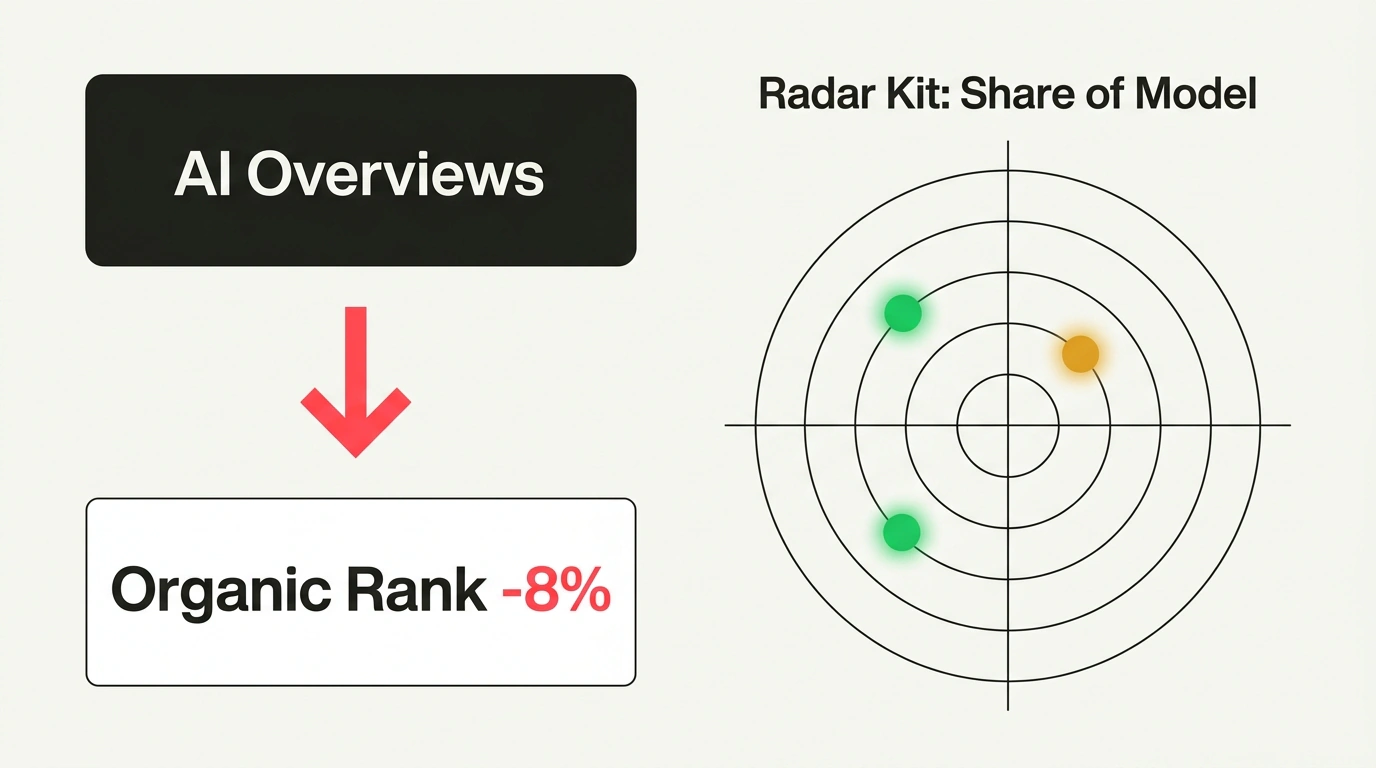
Minimalist poster-style illustration of a search results page featuring an AI Overviews block and the Radar Kit citation radar
ArticleAI SearchSEOAnalyticsAlgorithms

A New Era of Search Optimization: Auditing AI Search Visibility with Radar Kit and Google AI Overviews Updates

The familiar battle for the #1 search result is rapidly losing its point. With Google AI Overviews and Bing's generative answers, users increasingly get complete information right on the search page without clicking a single link. Studies show AI summaries push down up to 8% of traditional top rankings, pushing teams from classic SEO toward Generative Engine Optimization (GEO) and AEO. The key metric is no longer raw rank, but how often AI answers cite your brand. Tools like Radar Kit and Bing Webmaster Tools' Topics Portfolio report let you audit visibility across six AI engines and spot missed topic clusters.

👍 0
Julian Goldie SEOAleyda Solis - SEOFOMORadarKit GEO Audit Documentation
October 19
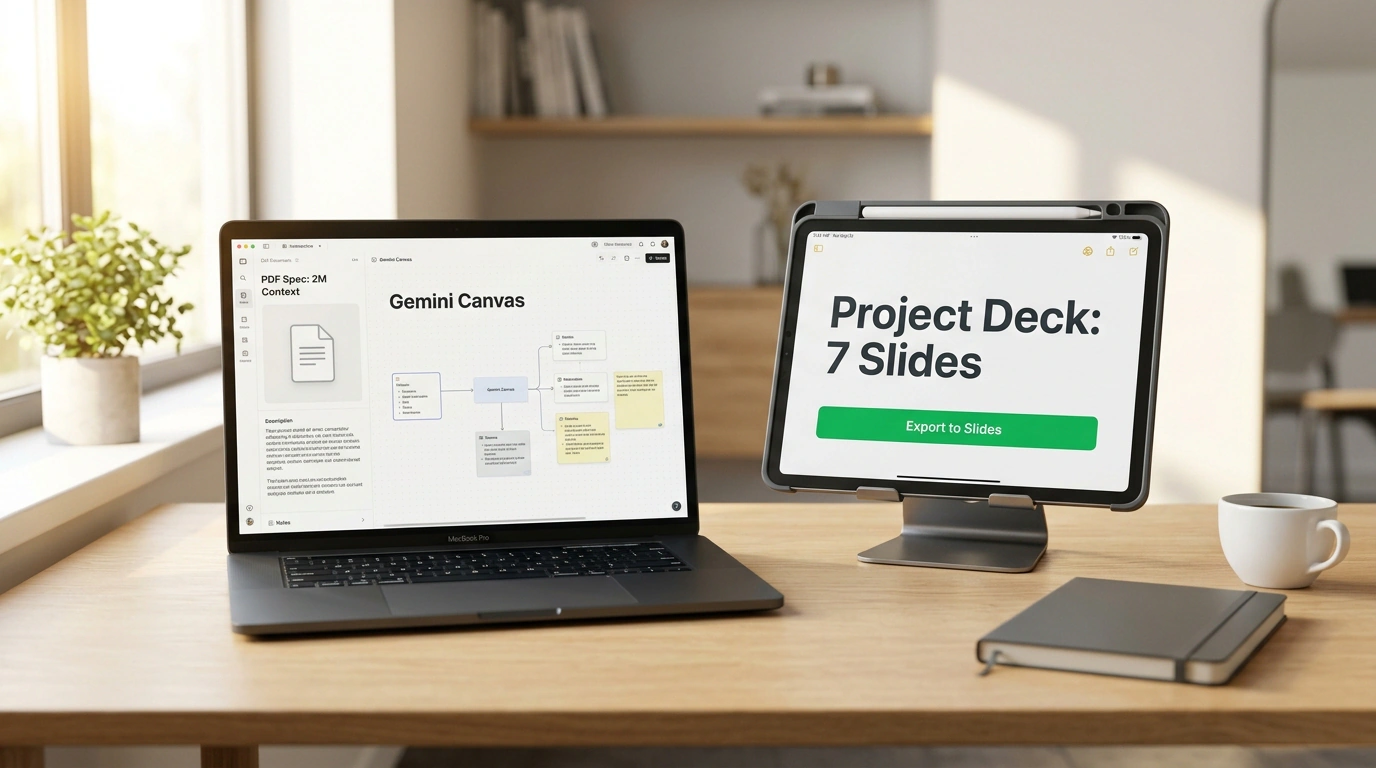
Tandem setup of an open laptop showing the interactive Gemini Canvas interface alongside a finished Google Slides deck on a desk
ArticleAutomationAIGoogle SlidesPresentations

Gemini for Workflows: Generating Google Slides Decks and Turning PDFs into Interactive Canvas

Building project reports and slide decks from long email threads usually eats up two or three hours of tedious work. New agentic Google Gemini features inside Workspace turn that chore into a fast automated workflow. The model can now read Gmail threads or Google Drive project files directly and assemble a structured Google Slides deck with speaker notes and layout. Meanwhile, interactive Gemini Canvas digests forty-page technical specs and financial PDFs, turning dense text into live calculation tables and clickable web components—a clear shift from AI as chatbot to AI as executor.

👍 0
Julian Goldie SEOGoogle Workspace Updates - Gemini in Slides and Canvas
October 19