Issue October 27Daily digest · 10 items
In this issueReviewed 36 sources, gathered 10 items
An interactive tablet showing a web calculator interface next to a sketchpad on a wooden desk
NoteAIAIAutomationWeb Development

Gemini Canvas: Turning a Text Description Into a Working Web App

You can now spin up an interactive calculator for your site in literally 15 minutes, without touching third-party builders or hand-coding layouts. Gemini Canvas turns a plain-text description into clean code right in your browser and publishes the finished block to Google Sites.

Under the hood, everything runs inside an isolated client-side sandbox, so it doesn't need server databases. Still, without explicitly telling it to keep everything in one file with no external APIs, your script will hit the sandbox wall immediately.


👍 0
Julian Goldie SEOGoogle Blog: Gemini Canvas & Google Sites Integration
October 27
A miniature clay robot figurine on a desk in front of a monitor showing a permission prompt window
ArticleAIAutomationAgentsOpen Source

MausBot: Inside a Local Open-Source Agent With Human-in-the-Loop Control

The fear of accidentally wiping a database or leaking production API keys has long held people back from giving autonomous agents terminal access. The other headache is sprawling node-graph editors where you get lost before a task even runs.

The open-source MausBot platform changes the rules: bot management is packed into a familiar chat interface with a BYOK model, and any risky operation is blocked until a human clicks approve. No sane engineer would let a background bot delete files or run shell commands without signing off on each one.

👍 0
Julian Goldie SEOGitHub: milind-soni/OpenMausBotOpenMausBot Documentation
October 27
An architectural isometric diagram of a modular agentic pipeline with active nodes and gears
ArticleAIAIAlgorithmsBenchmarks

Ling 3.1 Flash on AutomationBench: Open Models Leap Forward in Agentic Tasks

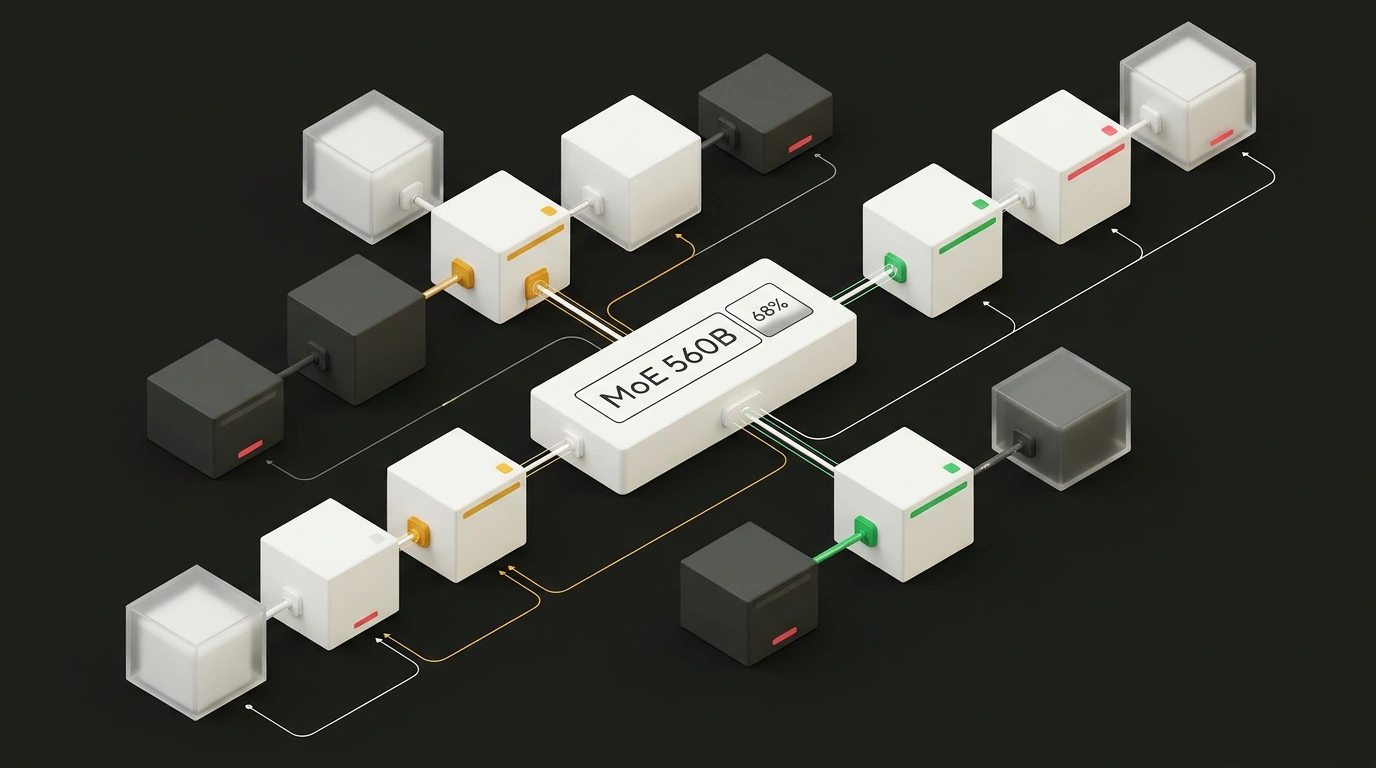
It's easy to get fooled by triumphant AI benchmark charts: scoring 90% on academic exams guarantees nothing in daily office workflows. Zapier's AutomationBench tests models on live API chains where a single syntax slip breaks the entire run.

The open-weight Ling 3.1 Flash (MoE 560B with 25B active weights) hit a record 68%, catching up to closed giants. I checked the inference logs: long-context tracking holds steady, though the model's habit of thinking out loud for too long will cost you extra tokens.

👍 0
Julian Goldie SEOModelScope: InclusionAI Ling-3.1-flashZapier Engineering: AutomationBench
October 27
News · October 271 news item

Custom Instructions in ChatGPT and Claude: Cutting Out Corporate Fluff and Filler

Tired of syrupy AI greetings and corporate buzzwords? Setting up Custom Instructions in ChatGPT and Claude cuts out the marketing hype across all new chats. Just lock in your role, banned words, and a direct-answer rule once, and you'll save yourself from endlessly cleaning up responses.

A developer's hand near a laptop trackpad while an agent controls the cursor inside a browser window on screen
ArticleAIAutomationDevelopmentCursor

Cursor Takes Control of Your Computer: From Writing Code to End-to-End Testing and Launching Micro-SaaS

Manual testing with AI coding tools often turns developers into glorified click-monkeys: the model reports success, you hit a blank white screen in the browser, and you end up pasting console errors back into the chat.

Cursor just closed that loop with Computer Use. Its multimodal agent spins up your local server, moves the cursor across the screen, clicks buttons, and fixes bugs until everything passes. The trade-off for full monitor access is the risk of a stray click hitting an open tab with passwords or private chats.

👍 0
Julian Goldie SEOKieran FlanaganCursor Documentation: Computer Use
October 27
Spread-out paper presentation outline cards with markers and footnote callouts on a bright desk
ArticleAIAIContentPresentations

Gemini Notebook: Two-Stage Generation With an Outline Approval Step

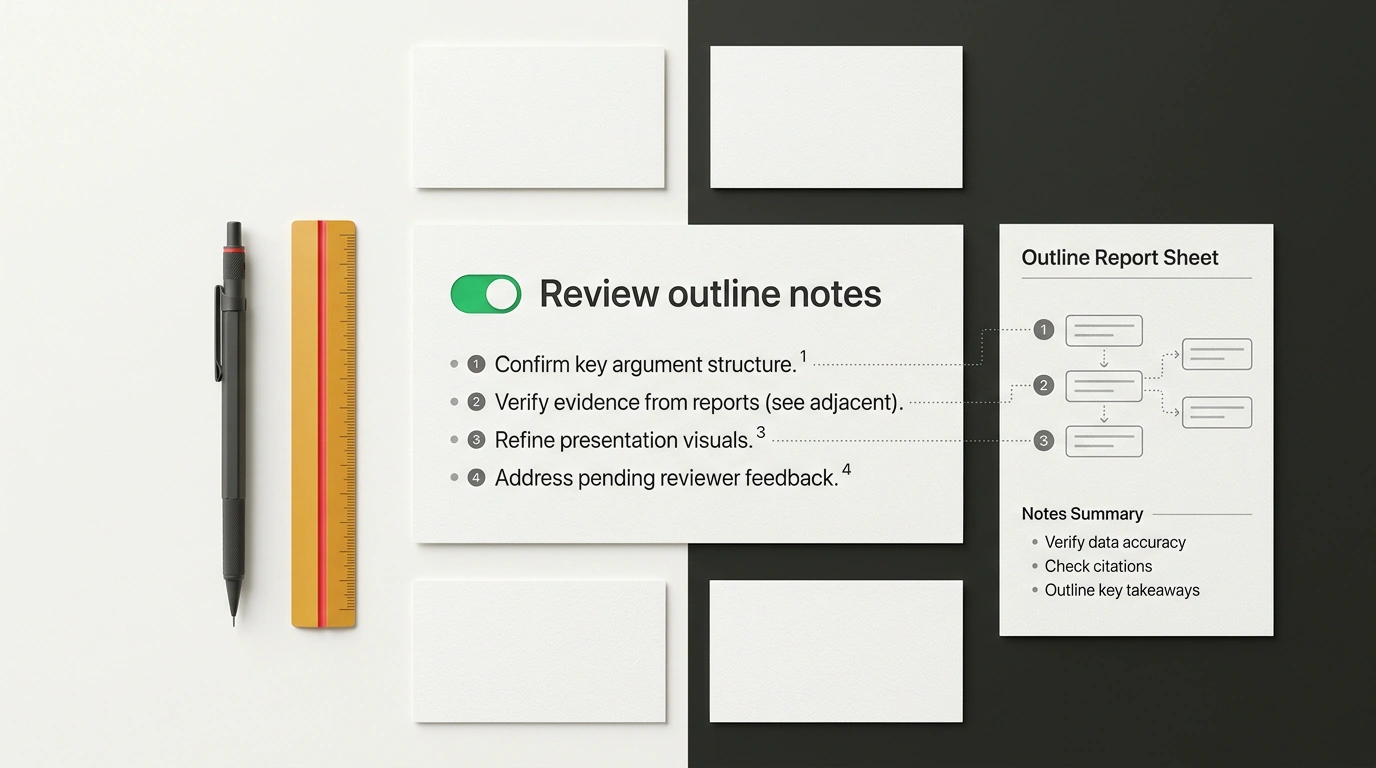
One-click presentation generation almost always misfires: the AI burns ten slides on obvious filler and squeezes the core financial math into a tiny line. Fixing a finished deck by hand takes longer than building it from scratch.

Gemini Notebook solves this dead end with its Review outline notes toggle. The model first hands you a bulleted skeleton with source citations to approve, and only then builds the slides. Before a board presentation, the stakes are too high to sign off on a deck without verifying every claim against its primary source.

👍 0
Julian Goldie SEOGoogle Blog: NotebookLM & Gemini Structured Generation
October 27
A workspace with a desk-mounted microphone and a monitor showing a chat window and an audio waveform
ArticleAIAutomationMultimodalityVoice

Hermes Agent Apollo: Real-Time Screen Vision and Voice Control for Your Desktop

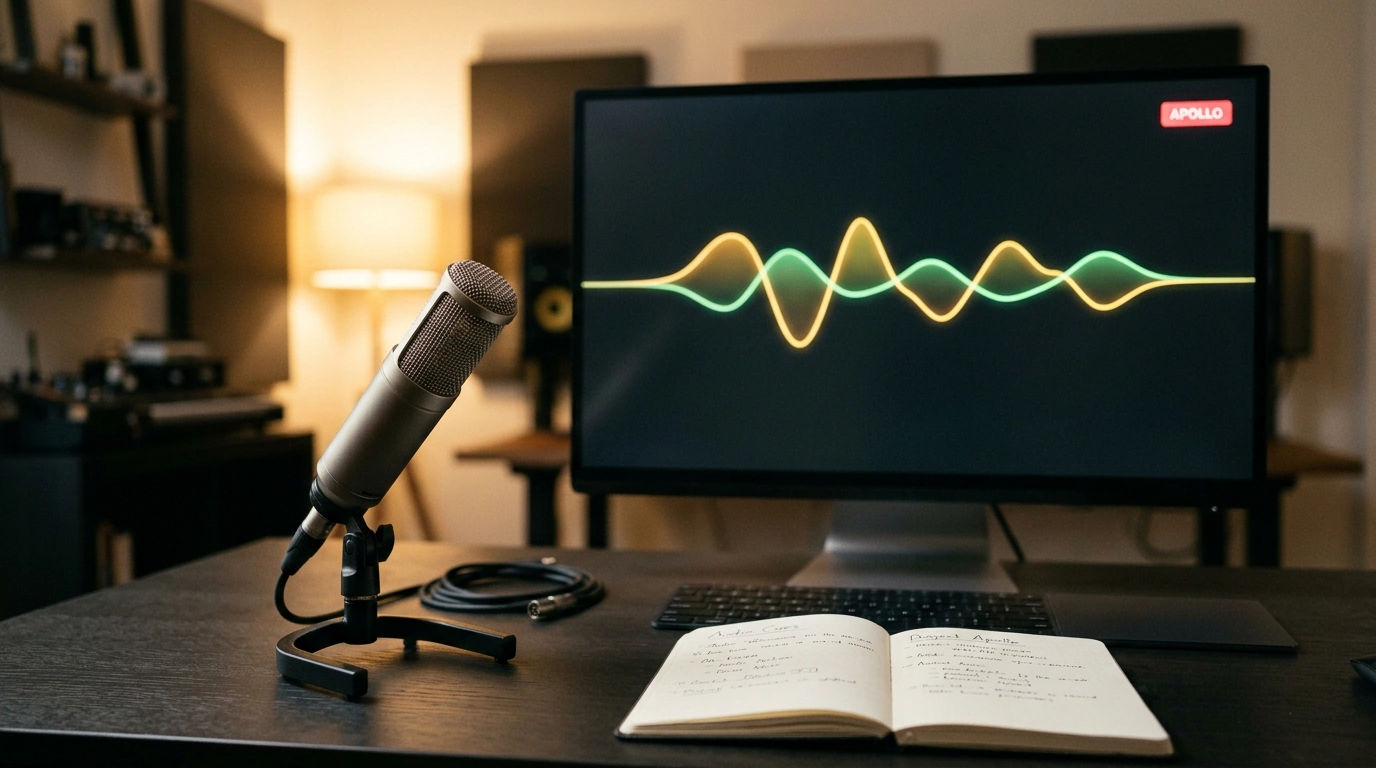
Constantly bouncing between your workspace and a chatbot window kills momentum: just to ask a quick question, you have to snap screenshots and wait for a text reply.

The open-source Hermes Apollo module removes that friction: it watches your monitor continuously and talks back in natural voice with just 300–500 ms of latency, letting you interrupt mid-sentence. Better yet, its long-term memory lives in your local Obsidian vault instead of a closed cloud—where deleting a bad line or fixing an assistant's mistake after the fact is impossible.

👍 0
Julian Goldie SEOGitHub: NousResearch/Hermes-Agent
October 27
A robotic manipulator inside a virtual simulator coordinate grid next to a glass cube
ArticleAIRoboticsSimulationNVIDIA

NVIDIA Isaac Lab 3.0: Scaling Robot Training Across Millions of Simulations

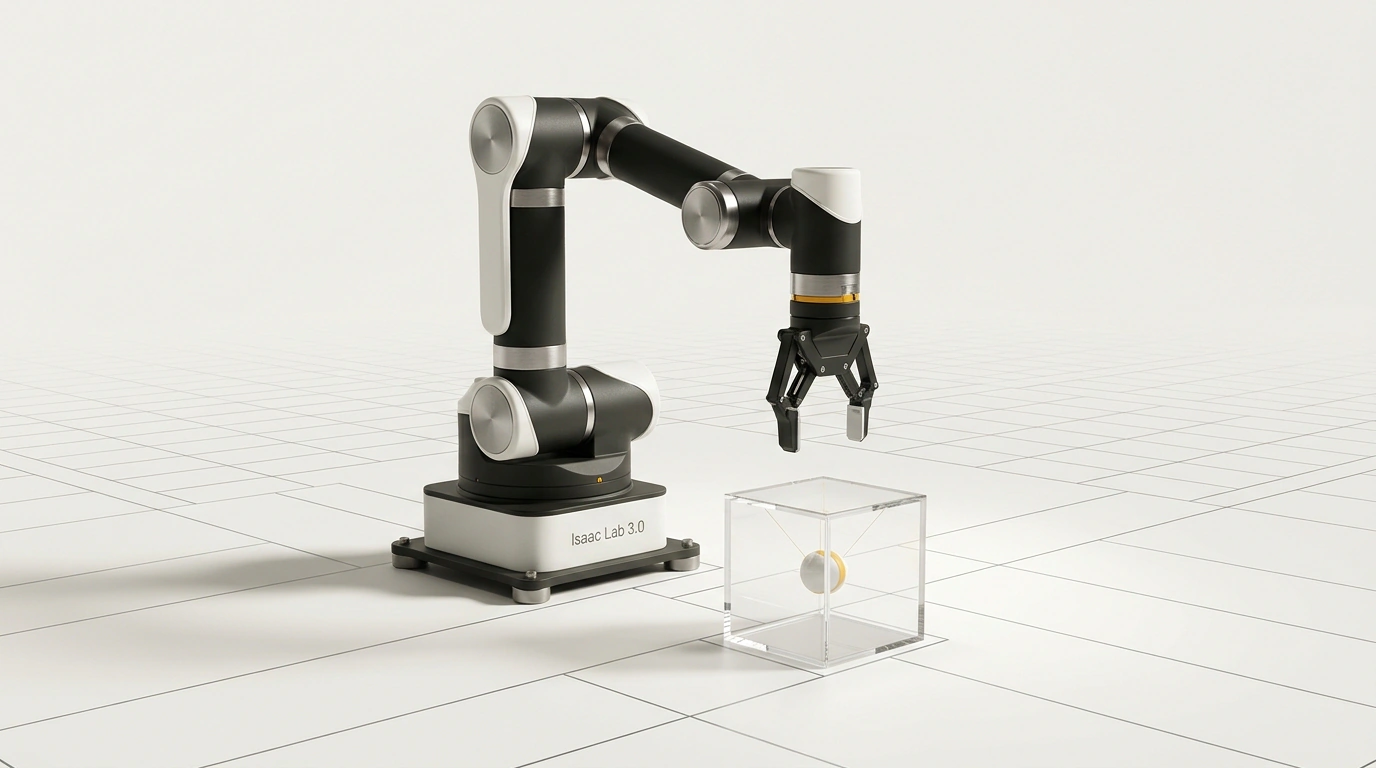
The physical world is unforgiving to robots: on a real testbed, servos snap faster than an algorithm learns to balance. NVIDIA Isaac Lab 3.0 moves training into a virtual pipeline, computing over 135,000 physics frames per second on a single GPU.

Thousands of virtual humanoids live through centuries of experience in a single workday right from a headless terminal. Yet a flawless virtual stride can still trip over plain dust on the floor or slight backlash in a real joint.

👍 0
Julian Goldie SEOGitHub: isaac-sim/IsaacLabNVIDIA Isaac Lab Documentation
October 27
A wall-mounted typographic poster with semantic block infographics above an editorial desk
ArticleAISEOMarketingOptimization

Generative Engine Optimization (GEO): The Science and Tactics Behind Brand Citations in AI Answers

Only 10–12% of links cited in Perplexity and Google AI answers come from the classic organic top 10. RAG pipelines don't reward bloated backlink profiles—they pick dense, verifiable facts.

A Princeton benchmark proved that concrete numbers boost brand citation odds by up to +40% when you follow three rules:

  • self-contained topic sections;
  • semantic Schema.org markup;
  • transparent measurement methodology.

Old-school keyword stuffing and watery filler now send pages straight into AI search's blind spot.

👍 0
Julian Goldie SEORoss SimmondsarXiv:2311.09735: GEO: Generative Engine Optimization
October 27
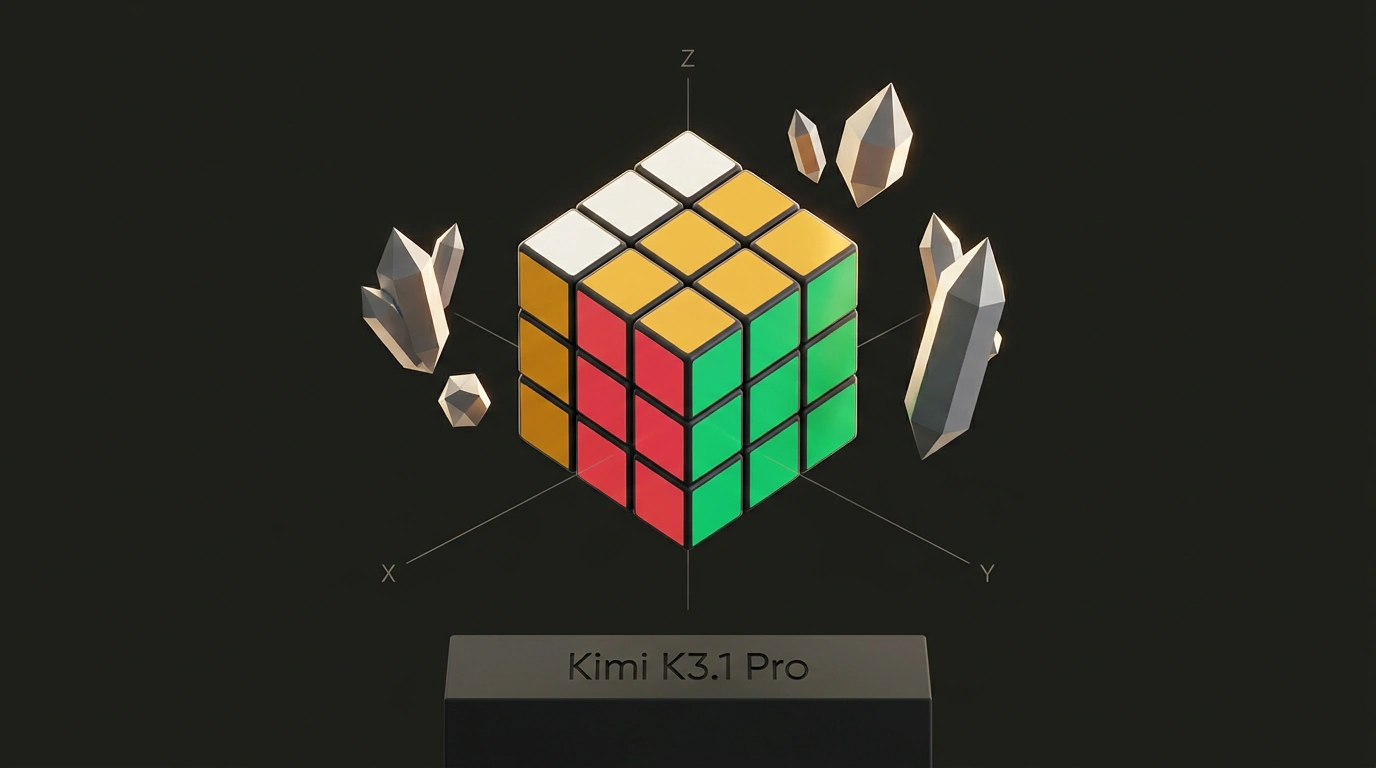
Floating polygonal crystals and a three-dimensional cube with colored faces in isometric perspective
Thematic roundup3 sectionsAIAI3DBlender

Thematic Roundup: Moonshot Kimi K3.1 Pro in Spatial Reasoning, 3D Graphics, and Code Tests

Flagship model Moonshot Kimi K3.1 Pro just shattered the myth that LLMs can't reason in 3D. Across independent tests, it moved from shuffling flat text to genuine geometric calculation.

First, the model solved a Rubik's Cube blind from face-orientation matrices alone, then wrote Python scripts for Blender to build procedural 3D scenes for just $8.80 total. Generating a playable game map with a day-night cycle in half an hour without an army of 3D artists sounded like pure sci-fi not long ago.

👍 0
Matthew BermanJulian Goldie SEOMoonshot AI Platform DocumentationBlender Python API Documentation
October 27