Issue November 20Daily digest · 11 items
In this issueReviewed 36 sources, gathered 11 items
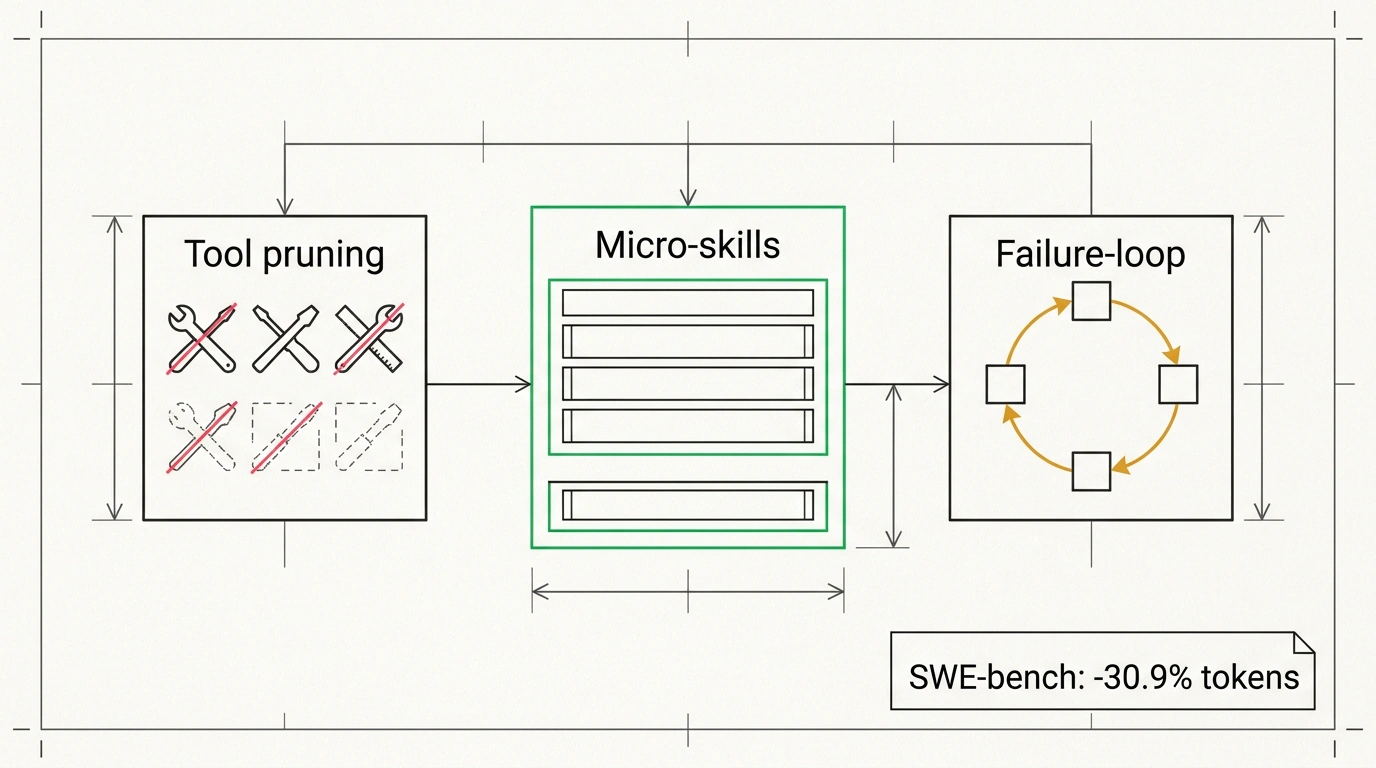
Engineering diagram of coding agent context and memory optimization using the Token Economizer plugin
ArticleAIAI AgentsOpen SourceToken Optimization

Microsoft Research's Token Economizer: How an Open-Source Plugin Cuts Coding Agent Token Usage by Up to 30.9%

In every new session, a coding agent wakes up with 'amnesia': 30% of tool calls repeat project facts it already discovered, and the 17% of failed tasks eat 32% of the budget. The open-source Token Economizer plugin from Microsoft Research and UC Berkeley plugs these three leaks locally and cuts your bill by 18.4–30.9% without losing quality, unlike lowering reasoning effort. Here is how its three modules work under the hood and how to install it for Claude Code, Codex, and Copilot CLI.


👍 16
Julian Goldie SEOMicrosoft TokenEconomizer (GitHub)TokenEconomizer Project PageTokenEconomizer: Experience-Driven Black-Box Cost Control for Coding Agents (arXiv:2610.22732)
November 20
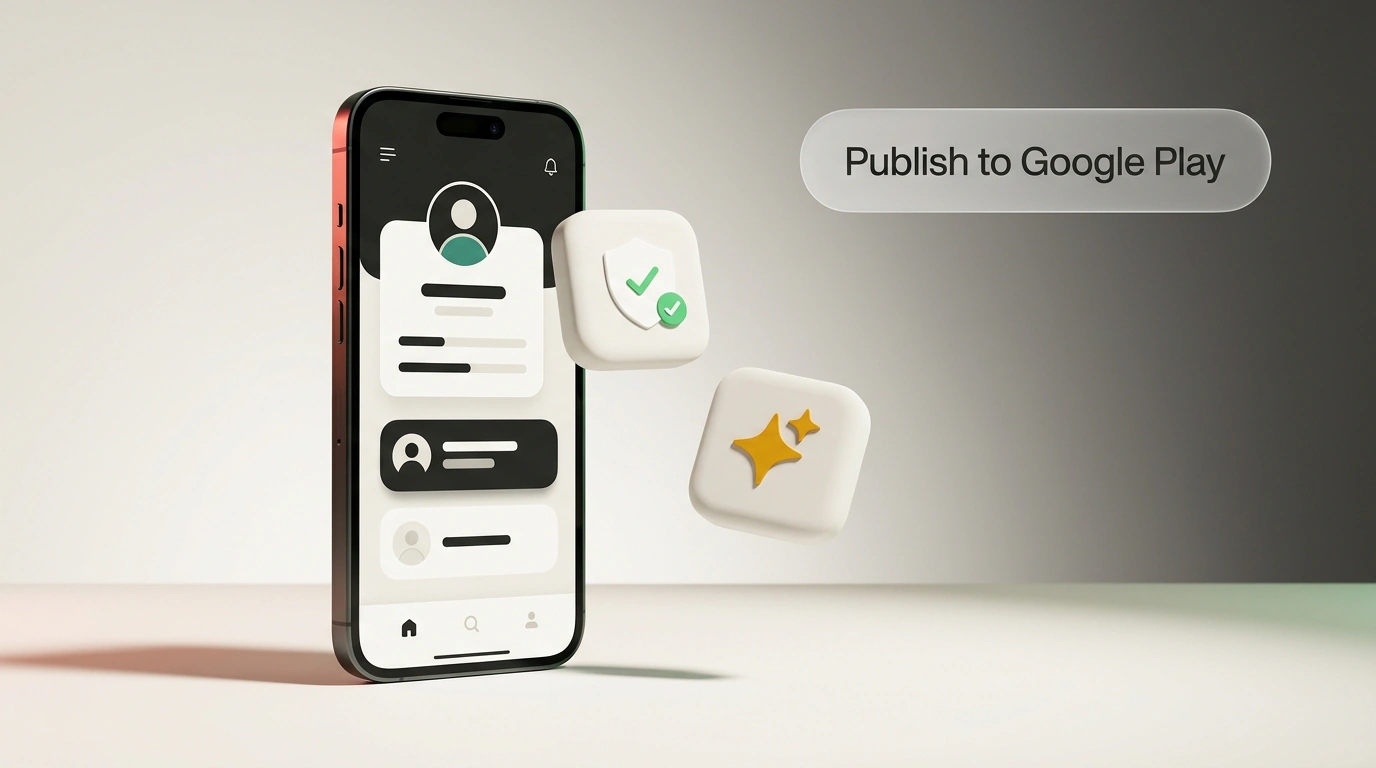
Building a native Android app in Google AI Studio with an emulator and Firebase cloud database
ArticleAIDevelopmentGoogle AI StudioAndroid

Google AI Studio Now Builds Native Android Apps with Firebase and Google Play Publishing

On November 17, Google updated Android app building in AI Studio on Gemini 4 Carbon and Hydrogen. The platform now generates native Kotlin code, connects Firebase database and authentication in one click, embeds Gemini inside the app, and runs an HD emulator with sound right in the browser. Four business app builds show why generated apps remain toys without Firebase, how Google Play publishing works, and what limits appear at scale.

👍 63
Julian Goldie SEOBuild full-stack Android apps with Gemini in Google AI Studio — Google Developers BlogGoogle AI Studio Apps
November 20
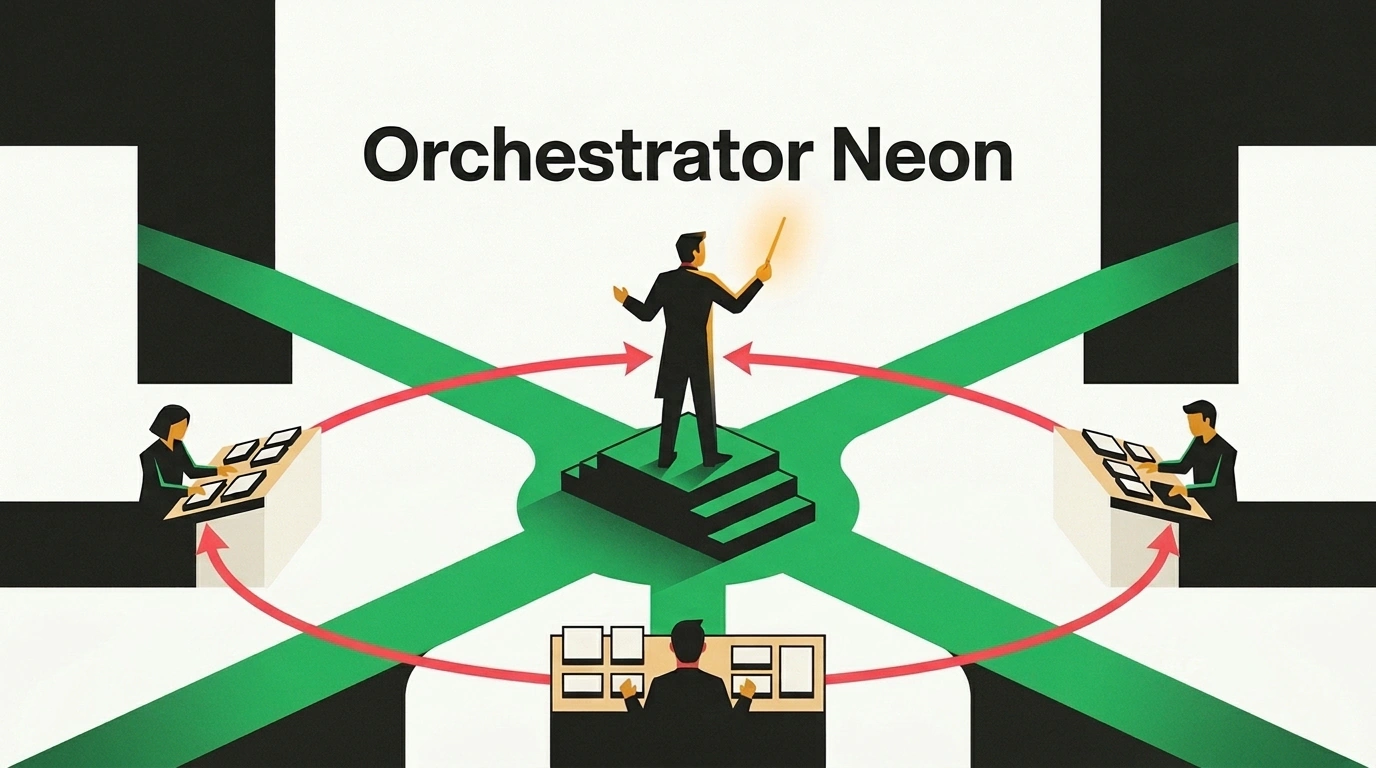
Conductor model Gemini 4 Neon coordinating a team of parallel fast agents
ArticleAIAutomationAI AgentsDevelopment

Gemini 4 Neon and Orchestrator in Google Antigravity: How a Conductor Model Manages Fast Agents

Behind a single press of Enter in Google Antigravity, a two-model relay now runs the show: on November 18, Google released Gemini 4 Neon and Orchestrator mode. The senior model builds the plan and checks the final result, while fast Hydrogen agents assemble files in parallel and hand broken steps back to the conductor instead of shipping broken code. Inside: Neon's lead on agent benchmarks, four thinking levels, CLI commands, and a simple guide to choosing between Hydrogen, Neon, Orchestrator, and Carbon.

👍 30
Julian Goldie SEOGemini 4 Neon in Google Antigravity — Google Antigravity Blog
November 20
News · November 201 news item

A Local 9B Model with DeepSeek Distillation and Heretic v2 Goes Viral on Hugging Face

A local 9B model based on Qwen3.5—combining DeepSeek-V4-Pro distillation with Heretic v2 weight edits—has taken off on Hugging Face. Per the authors' tests, it uses 36% fewer reasoning tokens and rarely refuses prompts, though there are no independent benchmarks and safety filters are stripped.

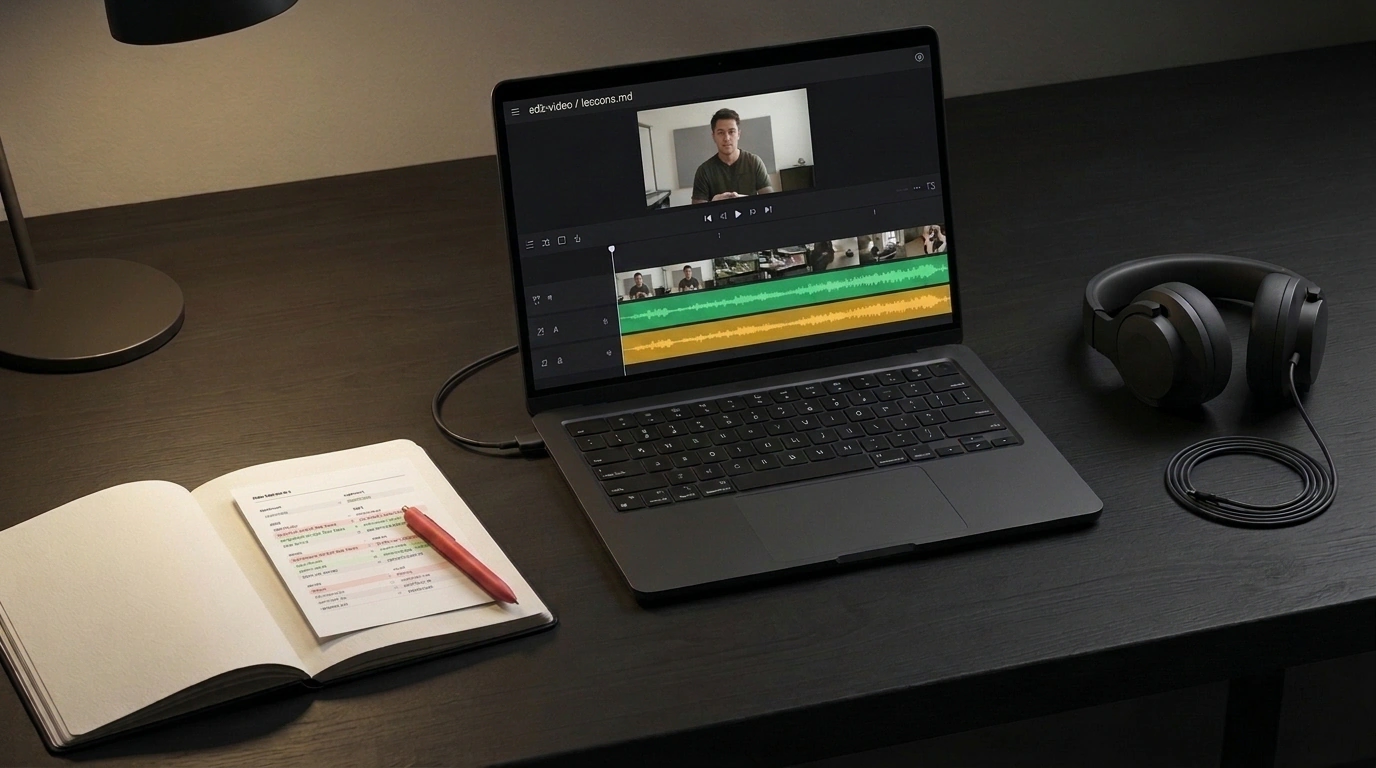
Video editing flat-lay with an audio track and word-by-word diff from the open-source edit-video skill
ArticleAIVideo EditingAI AgentsOpen Source

Open-Source edit-video Skill for Claude Code: How a Coding Agent Edits a YouTube Video for $2.71

A regular coding agent gets video editing 90% done, then the last 10% of clipped words and jerky cuts takes longer to fix than editing by hand. Developer Cole Medin released the open-source edit-video skill for Claude Code: 37+ deterministic scripts with a word-by-word diff validator, a lessons.md bug log, and an optional OpenRouter pipeline. On a real video about Fable 5.2, it caught audio crackle, fixed a misspoken number with voice cloning, and cost $2.71.

👍 33
Cole Medincoleam00/skills — edit-video skill (GitHub)
November 20
Solo creator workspace with Grok Bot agents for content workflow and video editing
ArticleAIContentAI AgentsAutomation

A One-Person Media Machine on Grok Bot: How a Tella Marketer Automated 80% of Video Production

Louise de Sadeleer from video startup Tella broke down her Grok Bot content system, which brought +6,500 Instagram followers and a 50,000-view YouTube video in three months without quitting her day job. Inside: four weekly research bots to save quotas, a Production Polly and Trend Steady group chat for ideas, advisor skills instead of script generation, and mobile rough cuts via Tella MCP.

👍 16
Greg IsenbergTella Model Context Protocol (MCP) Server Documentation
November 20
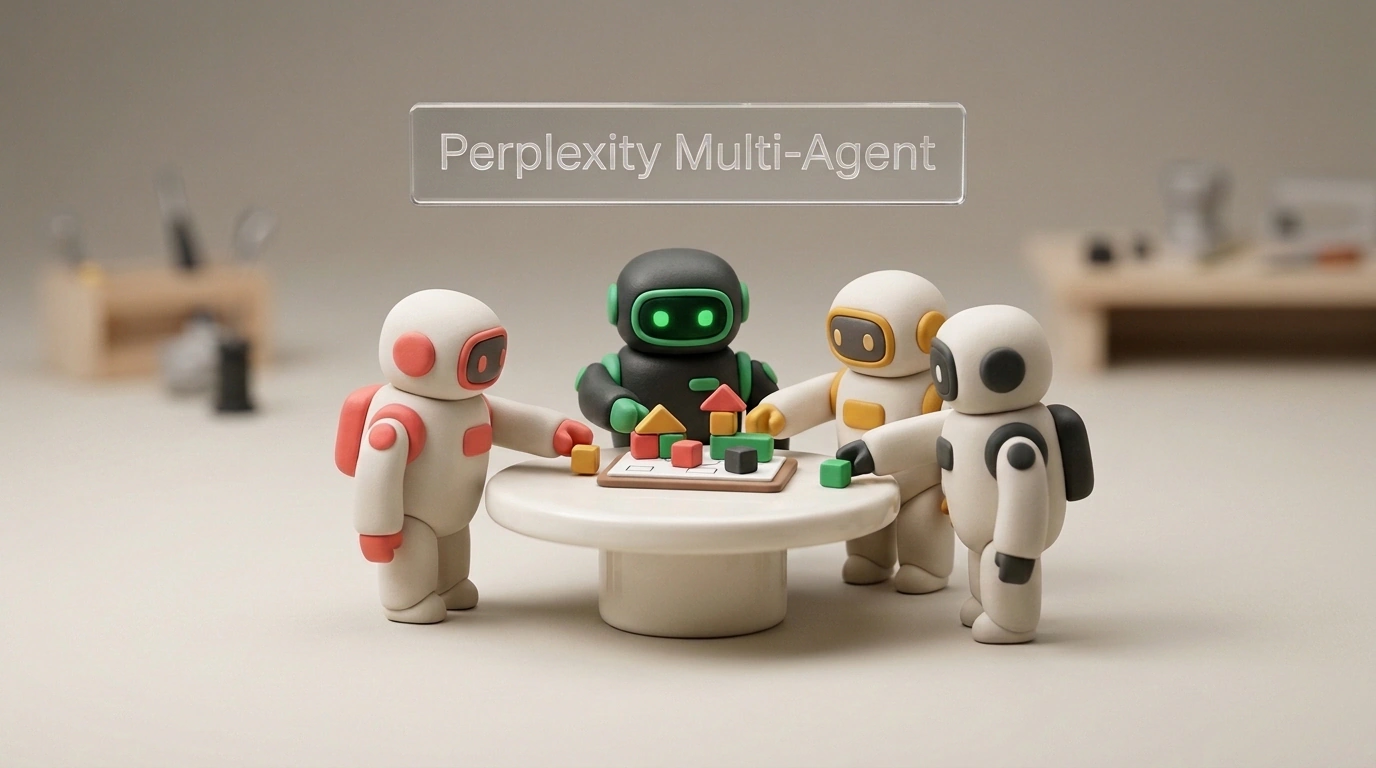
Four rival language models sitting around one table in Perplexity Multi-Agent mode
NoteAIAIAI AgentsLLM

Perplexity Multi-Agent: How Four Rival AI Models Cross-Check Each Other on One Task

Anthropic, OpenAI, and Google fight for the title of best AI model, while Perplexity put their flagships in the same harness. In the new Multi-Agent mode, up to 16 agents powered by Claude, GPT, and Gemini tackle a complex task together, debate conclusions, and edit shared files. Here is how it differs from Ultra and Model Council, what internal benchmarks show, and why Perplexity itself tells you to use it sparingly.

👍 17
Julian Goldie SEOPerplexity's Multiagent Sends One Prompt to Rival AI Models at Once — Hermes AI NewsPerplexity Computer Multiagent: How agents work — NeoTeo
November 20
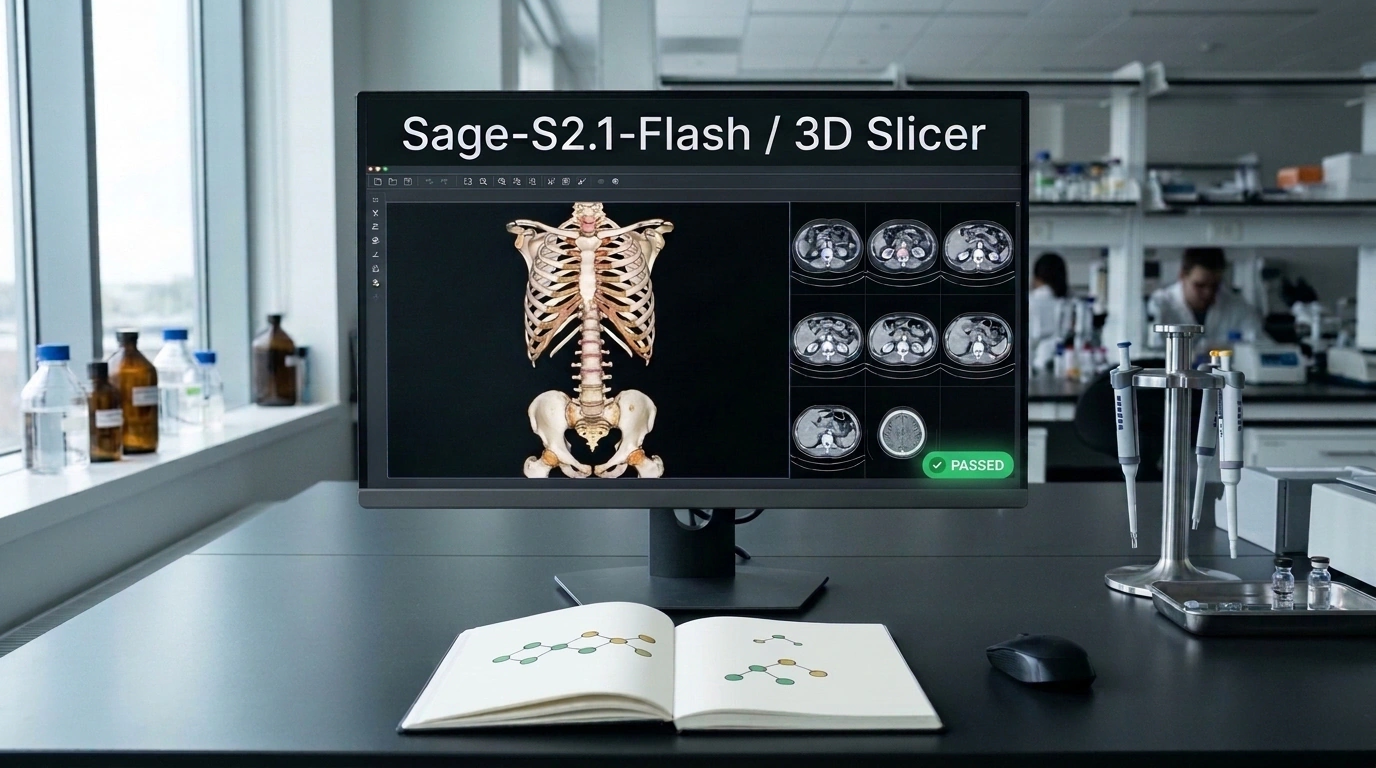
Scientific MoE model Sage-S2.1-Flash reconstructing a 3D anatomical model in 3D Slicer
NoteAIAI AgentsOpen SourceLLM

Shanghai AI Lab's Sage-S2.1-Flash: An Open-Source Scientific MoE Model That Runs 3D Slicer Itself

The InternLM team at Shanghai AI Lab released the scientific MoE model Sage-S2.1-Flash (320B total parameters, 18B active) under the MIT license. Through its Sage SciPerception module, it natively reads over ten scientific formats—from molecules and spectra to EEG—and operates specialized software like 3D Slicer, catching and fixing its own mistakes along the way. In lab benchmarks it beats DeepSeek on ML engineering and complex documents, though it trails Claude Opus 5 in coding.

👍 14
Julian Goldie SEOinternlm/Sage-S2.1-Flash — Hugging Face Model CardSage S2.1 Flash Official Project Page (InternLM / Shanghai AI Lab)
November 20
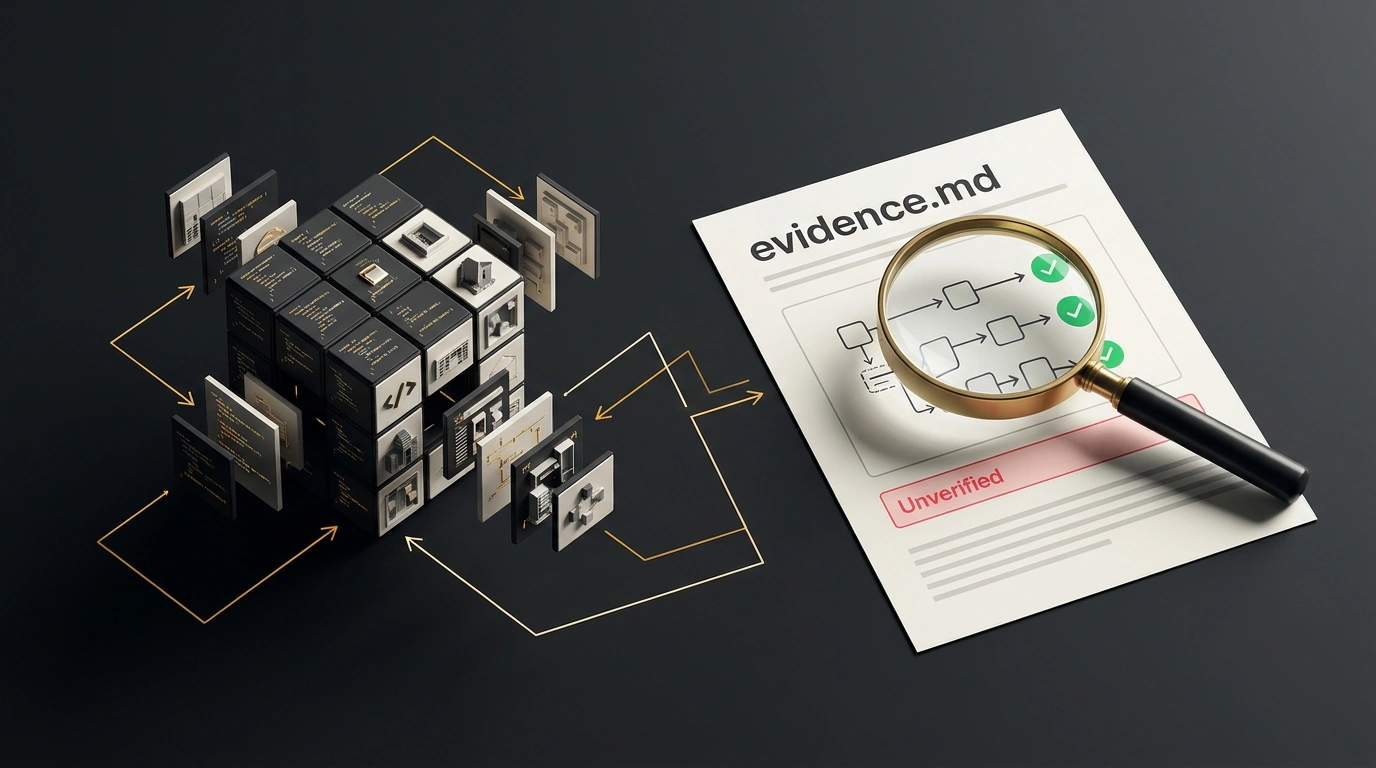
Reverse-engineering open-source code with the REA plugin in DeepSeek Harness using evidence.md proof
NoteAIOpen SourceDevelopmentAI Agents

DeepSeek Harness + REA: How to Reverse-Engineer an Open-Source Project with Proof and Zero Guesswork

Asking an AI to 'build it like this repo' often produces a polished front end with an empty stub behind it. Pairing DeepSeek Harness with the open-source REA v6.9 plugin fixes that via an evidence.md file tied to exact code lines and an honest list of what couldn't be proven. We look at how it works on Puck, smolagents, and Discourse, share verified CLI commands, and list five rules for safe clean-room rebuilds.

👍 15
Julian Goldie SEOmorluto/rea — Reverse Engineer Anything (GitHub)rea-agents on npm (v6.9.0)
November 20
Ephemeral apps and interactive artifacts inside the Claude Code environment
NoteAIAutomationDevelopmentProductivity

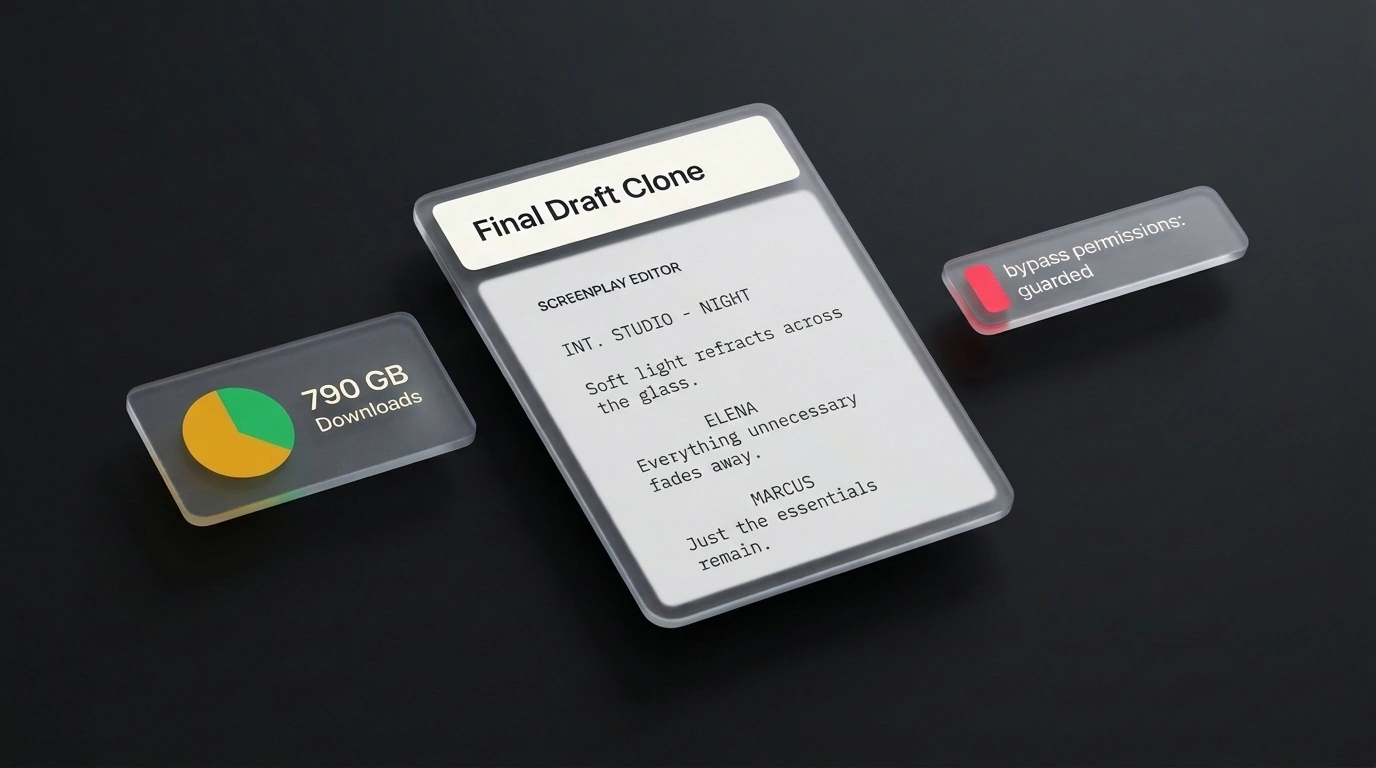
Ephemeral Software from Claude Code Artifacts: Replacing a Paid Editor in Three Prompts

Inside Claude Code, seven artifact types run directly on top of your local disk and terminal, blurring the line between a document and a web app. Looking at a 790 GB Downloads cleanup and a Final Draft ($200/year) replacement built in three prompts via GitHub, Vercel, and Convex, we explore how ephemeral software works and why financial MCPs and bypass permissions mode demand strict trust boundaries.

👍 10
Riley BrownClaude Whiteboards, Claude Sheets, and Claude Data — AnthropicIntroducing Claude Design by Anthropic Labs
November 20