Picture this: a small cleaning-company owner in Manchester is riding home, typing a messy, typo-filled search on his phone. He wants an AI that answers client emails, brings in more bookings, and comes with a live workshop group he can actually attend after work. Before, Google would grab two familiar words and hand him ten blue links to sort out himself. Now, a different engine kicks in behind the search bar.
On November 12, 2026, Google Search VP of Product Robby Stein announced on the official Google blog that Search has moved globally from Gemini 3.8 Flash to Gemini 4 Hydrogen. It's the fast workhorse in the Gemini 4 family (alongside heavy Carbon and mid-tier Argon for paid plans). Best of all, Hydrogen now powers Google Search AI results (AI Mode and complex AI Overviews) worldwide with no paid subscription. It's also rolling out to the Gemini app and Workspace, though Search is where the biggest shift lands.
Four changes—and how Query Fan-Out works
Stein highlighted four shifts in the announcement. First, Search handles long, multi-part queries (mixing city, niche, task, and format) plus sloppy mobile typos much better. Second, non-English languages caught up: searches in Portuguese or Russian should match English depth. Third, results look more visual. Fourth—and biggest—is Query Fan-Out.
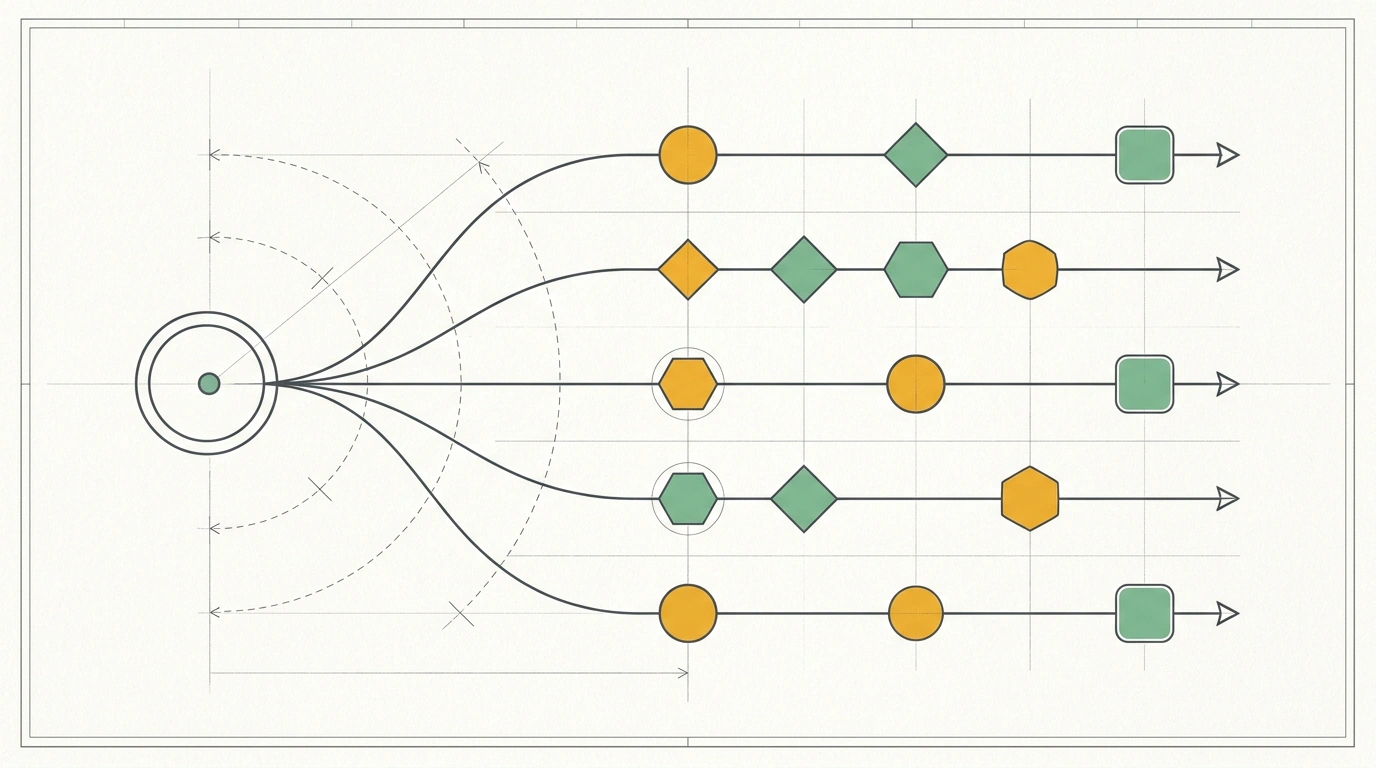
How does it work under the hood? For a complex question, Gemini 4 Hydrogen doesn't hunt for one magic page matching the whole sentence. Instead, it instantly splits the query into a fan of narrow, parallel sub-queries and runs them through Google's live index and core ranking systems (combining RAG with grounding on real pages).
SEO practitioner Julian Goldie uses a crisp metaphor: picture a library. You ask one question, and instead of one librarian walking slowly, ten assistants sprint to ten different shelves at once. Each grabs a book, and an editor at the front desk stitches the answer together with citations. Google Search Central docs give an official example: "how to get rid of weeds in lawn" splits into "best herbicides," "natural weed control," and "weed prevention." Likewise, that Manchester cleaning query fans out into email automation, live session schedules, and beginner lessons—pulling a different page for each.
Visual results, zero-click risk, and the meta-tag myth
The third shift makes answers denser and easier to scan: more images, clean sections, comparison tables (tools in rows, plan features in columns), and "special tools" that Google hasn't explained in detail yet.
Google Search results before and after switching to Gemini 4 Hydrogen (Source: blog.google)
Two questions immediately hit site owners. First: "Won't Google pack my pricing into its own table so neatly that nobody clicks through?" Second: "Do I need secret meta tags for AI Mode?"
Here's the honest answer. Google says the upgraded Query Fan-Out sends traffic to a wider range of sites—including niche pages that never cracked the top three for broad keywords. Answering one narrow sub-question clearly can earn you a cited link. Still, Google shared zero hard numbers on added links or CTR. The zero-click risk is real: plenty of searchers will get what they need straight from the summary table.
On the second question, Google Search Central is clear: there are no secret tags for AI Search. Classic SEO basics still rule—the target simply shifted from one broad keyword to a cluster of specific questions. If your pricing and terms hide inside a wall of prose, Hydrogen will skip you and pull those facts from a competitor's table.
What to fix on your site in 10 minutes—and next
Start with a quick homepage test: pick the five core facts about your product or service (format, pricing, timeline, location, main hook) and put them in a short bullet list near the top. Then run through this checklist for deeper cleanup.
How to prep your site for Query Fan-Out
- Collect long, messy customer questions from emails and chats—typos included—and see who Google cites in AI results today.
- Break each big topic into 4–6 narrow sub-questions (format, pricing, schedule, location, skill level).
- Build clean sections or dedicated pages with clear headings so the model can easily lift a snippet for each Query Fan-Out branch.
- Move key specs into lists and tables near the top of the page to boost your odds of landing in Google's visual comparisons.