Heading into the year's biggest sales—11.11, Black Friday, and New Year shopping—Russia's e-commerce market has split into two parallel realities.
In glossy press releases from RWB (Wildberries & Russ) and Ozon, everything is booming: platforms tout surging discounted assortments and record shopper activity. Step into private seller chats or look at industry analytics, though, and you see a starkly different picture: hundreds of merchants entering peak season with burned-down warehouses, severe storage shortages, and frozen working capital.
Scale of Logistics Losses and Sellers' Cash Flow Crunch
What celebratory reports leave out was laid bare by a Forbes investigation and Data Insight market tracking. The numbers behind the 2026 warehouse crisis are sobering:
- Since late June, at least 37 emergencies and incidents (including major fires and drone-strike damage) have hit marketplace logistics facilities.
- More than 2.1 million square meters of modern Class A and B distribution centers have been destroyed or knocked offline.
- Direct losses to retail businesses run into hundreds of billions of rubles.
Major retailers openly admit the old playbook no longer works. Boris Kats, owner of the Leonardo hobby hypermarket chain, puts it bluntly: most sellers simply don't have the stock left for deep markdowns. Sales have always been a way to clear slow-moving inventory and past-season lines, except this year that stock literally burned up. Apparel brand Finn Flare officially scaled back its discount campaigns after fire wiped out a huge share of its pre-staged inventory at distribution hubs. The scale of inventory losses from warehouse fires has pushed many merchants to the brink of bankruptcy.
The second blow is a severe cash crunch. Marketplace compensation queues are moving at a snail's pace, with only a handful of sellers paid out so far. On top of that, merchants report delays withdrawing current earnings from Wildberries accounts, where support points to technical glitches and DDoS attacks. With bank loan rates where they are, borrowing to fund a fresh production run is out of reach—businesses can't pay factories for holiday inventory amid falling net margins and seller churn.
The Marketplaces' Official Stance and Practical Takeaways
Pushing back against market alarm, RWB's press office went on RBC Radio to insist the season launched smoothly, discounted selection grew severalfold year-over-year, and the platform strikes an ideal balance for both buyers and sellers.
Where does that "severalfold growth" come from? Market analysis suggests headline numbers are padded by an influx of thousands of micro-sellers and non-core categories, even as established mid-sized brands are getting squeezed off the shelves.
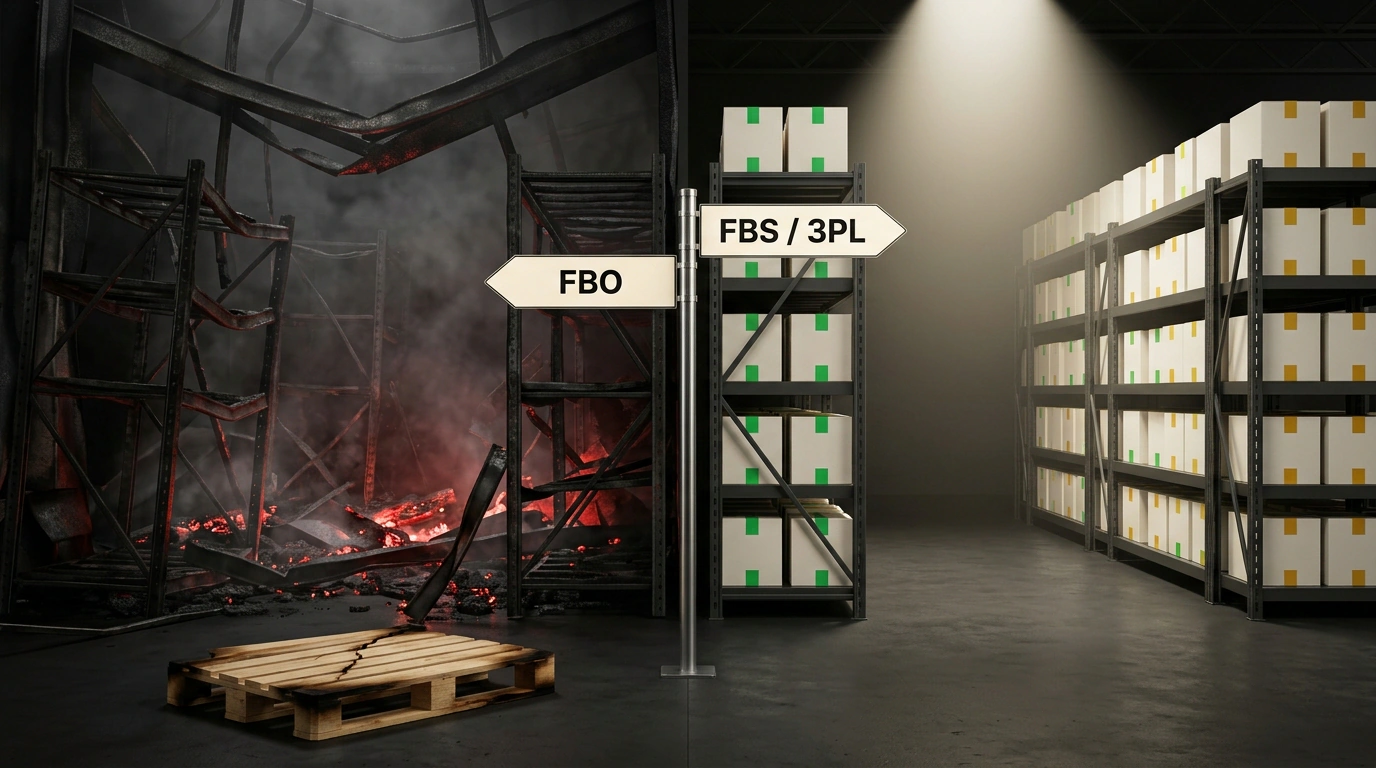
For everyone still in the game, the practical takeaway is clear: keeping your entire inventory parked in central marketplace FBO warehouses is dead as a strategy. To survive peak season, sellers are splitting stock across independent 3PL operators and shipping smaller daily batches via FBS and DBS. Maintaining direct control over your own inventory is the only real insurance left.

