Issue October 24Daily digest · 12 items
In this issueReviewed 35 sources, gathered 12 items
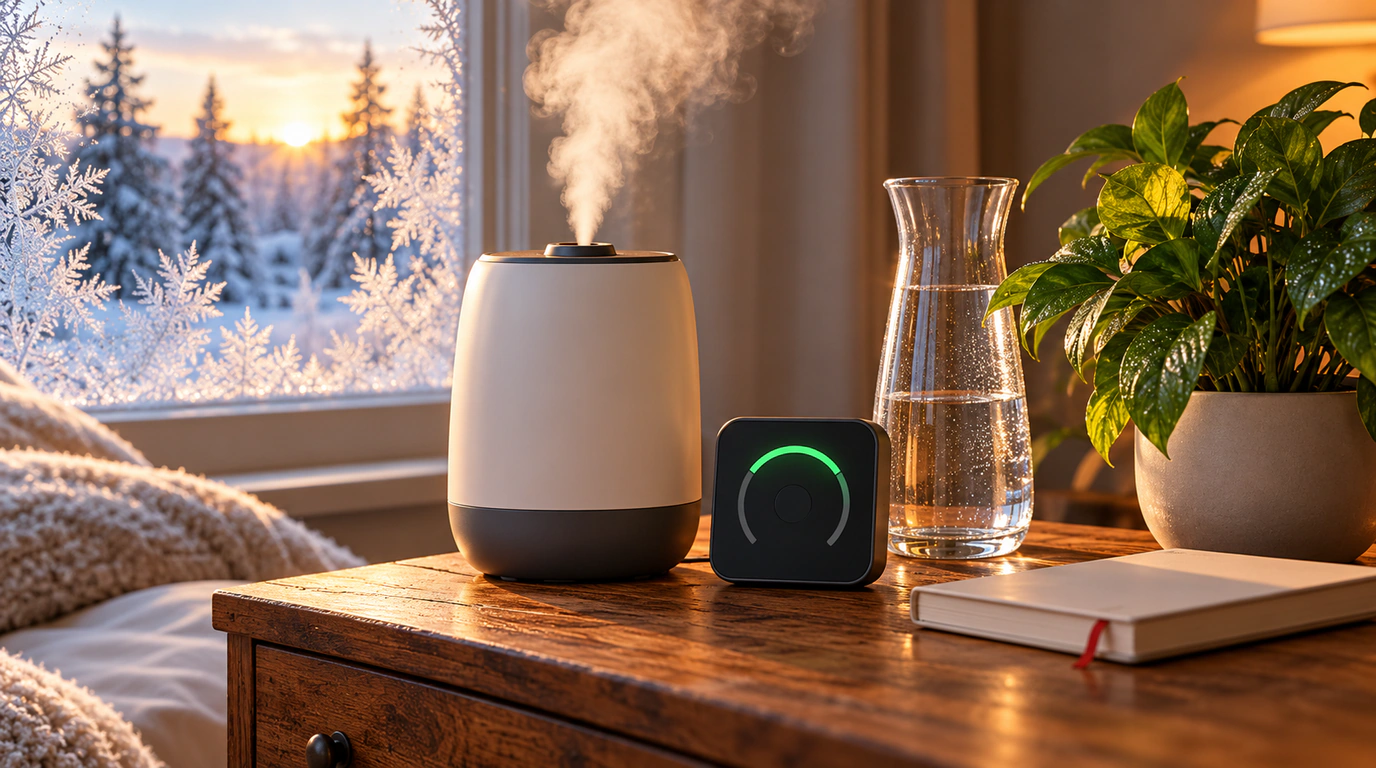
A modern humidifier with a softly lit stream of mist on a bedside table near a frosted window, next to a hygrometer and a green houseplant.
LongreadHealthSafetyPreventionMicroclimate

Winter Humidifiers: Virus Shield or Hidden Threat to Your Lungs?

With the first cold snap, everything indoors dries out—from your throat to your houseplants—as radiators drop humidity to 10–15%, drier than the Sahara. Your airway cilia practically stall, so we instinctively reach for an ultrasonic humidifier.

The catch is that ordinary tap water turns the device into a generator of hazardous PM2.5 mineral smog: ultrasound shatters dissolved hardness salts into fine dust up to 500 µg/m³ that settles deep in your alveoli. To protect your airways instead of irritating your lungs, keep humidity in the 40–50% range, fill the tank only with distilled or reverse-osmosis water, and dry it daily to prevent biofilm.

👍 0
Бородатый не пробовал...U.S. EPA: Use and Care of Home Humidifiers
October 24
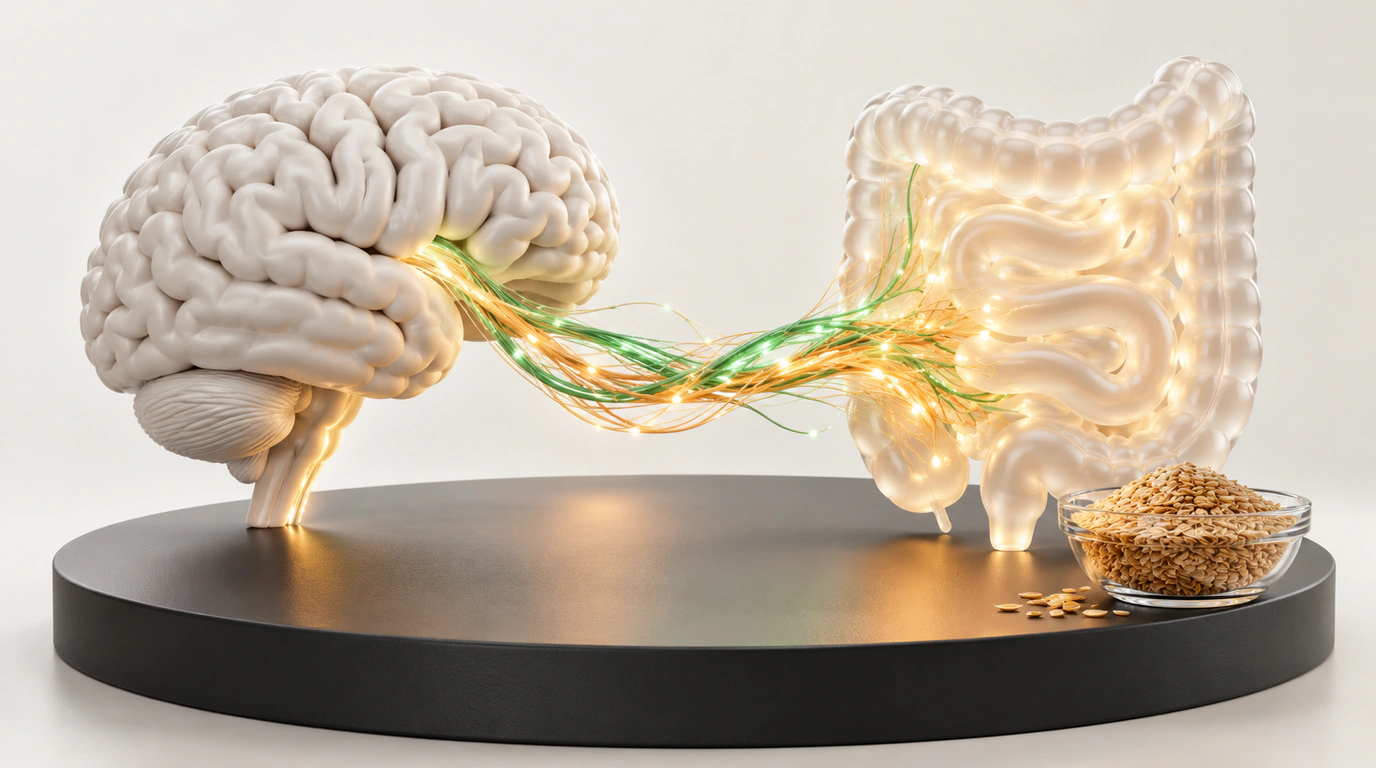
Conceptual 3D composition of brain-gut interaction featuring glowing fiber-optic neural pathways of the vagus nerve on a matte graphite base.
ArticleHealthNutritionGastroenterologyGut Health

Irritable Bowel Syndrome: New Israeli Guidelines and the Gut-Brain Connection

'Your labs are spotless, it's irritable bowel syndrome, there's no cure—just deal with it.' If you've ever heard that diagnosis, you remember the feeling of helplessness. Yet you don't actually have to suffer with IBS for life.

In a new consensus, Israeli gastroenterologists put an end to medical nihilism: the condition can be brought under steady control. The root issue isn't tissue inflammation, but visceral hypersensitivity along the gut-brain axis, where your brain reads ordinary gas movement as an alarm signal. Relief comes not from coarse bran, but from soluble psyllium, a strict Low-FODMAP diet for 2–6 weeks, targeted antispasmodics, and low-dose neuromodulators.

👍 0
Гастроэнтеролог ХАРИТОНОВ Андрей ГеннадьевичThe Management of Irritable Bowel Syndrome: A Position Paper of the Neurogastroenterology and Motility Section of the Israeli Gastroenterology Association
October 24
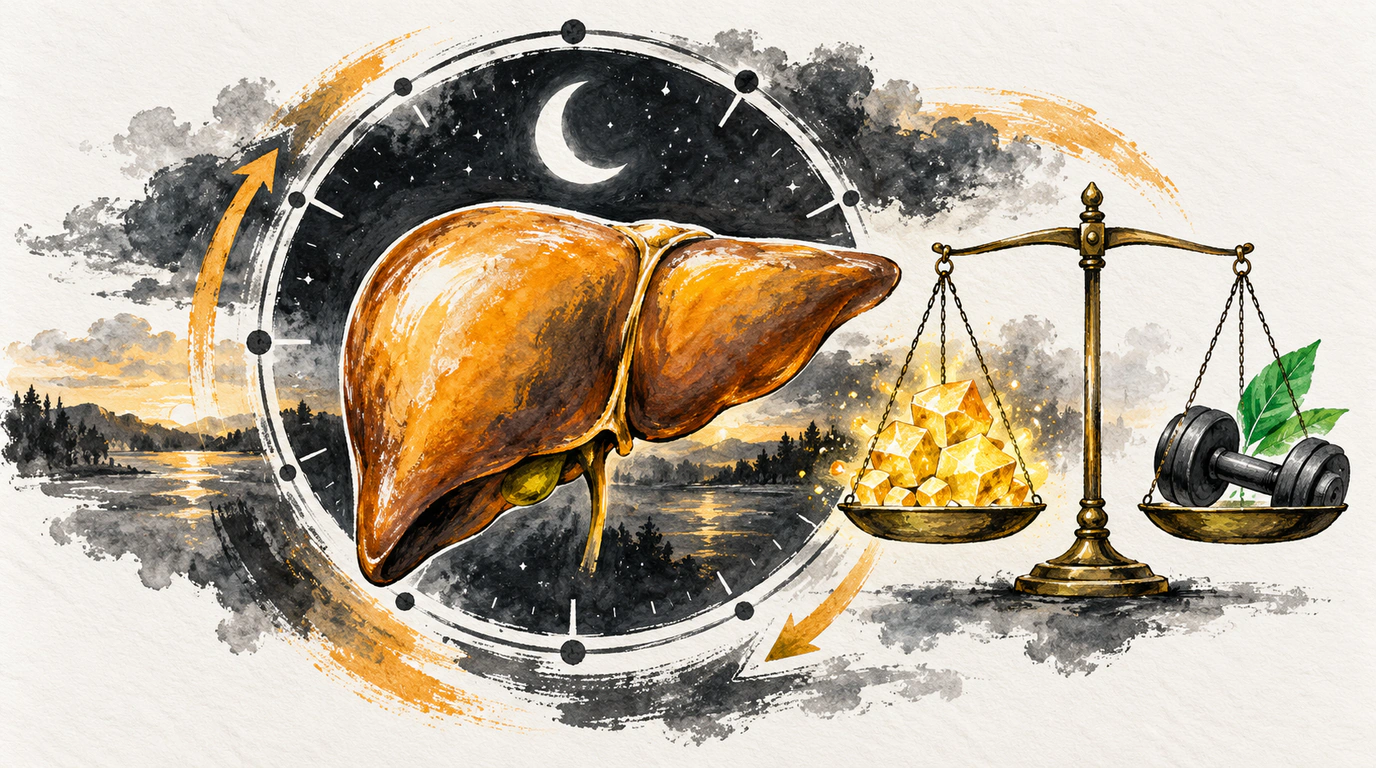
Painterly study of a liver with a nocturnal circadian glucose-synthesis cycle, metabolic balance scales, and a clock in a graphite and amber palette.
ArticleHealthNutritionMetabolismLiver

'Your Liver Forgot How to Make Glucose': Why Fatty Liver Doesn't Shut Down Sugar Production

Detox fans warn that in fatty liver disease, the liver supposedly 'forgets' how to make glucose and can only be saved by multi-day fasting. Biochemical studies turn that myth completely upside down.

Every night, a healthy liver synthesizes up to 50% of your morning blood sugar. In steatosis, that process doesn't stall—it speeds up by 30–35%: insulin resistance breaks the natural brake, so the organ pumps glucose into your blood nonstop. Starving and supplements won't fix this, whereas losing just 5–10% of body weight restores insulin sensitivity and normalizes overnight blood sugar.

👍 0
Бородатый не пробовал...Cell Metabolism: Excessive hepatic mitochondrial TCA cycle and gluconeogenesis in humans with NAFLD
October 24
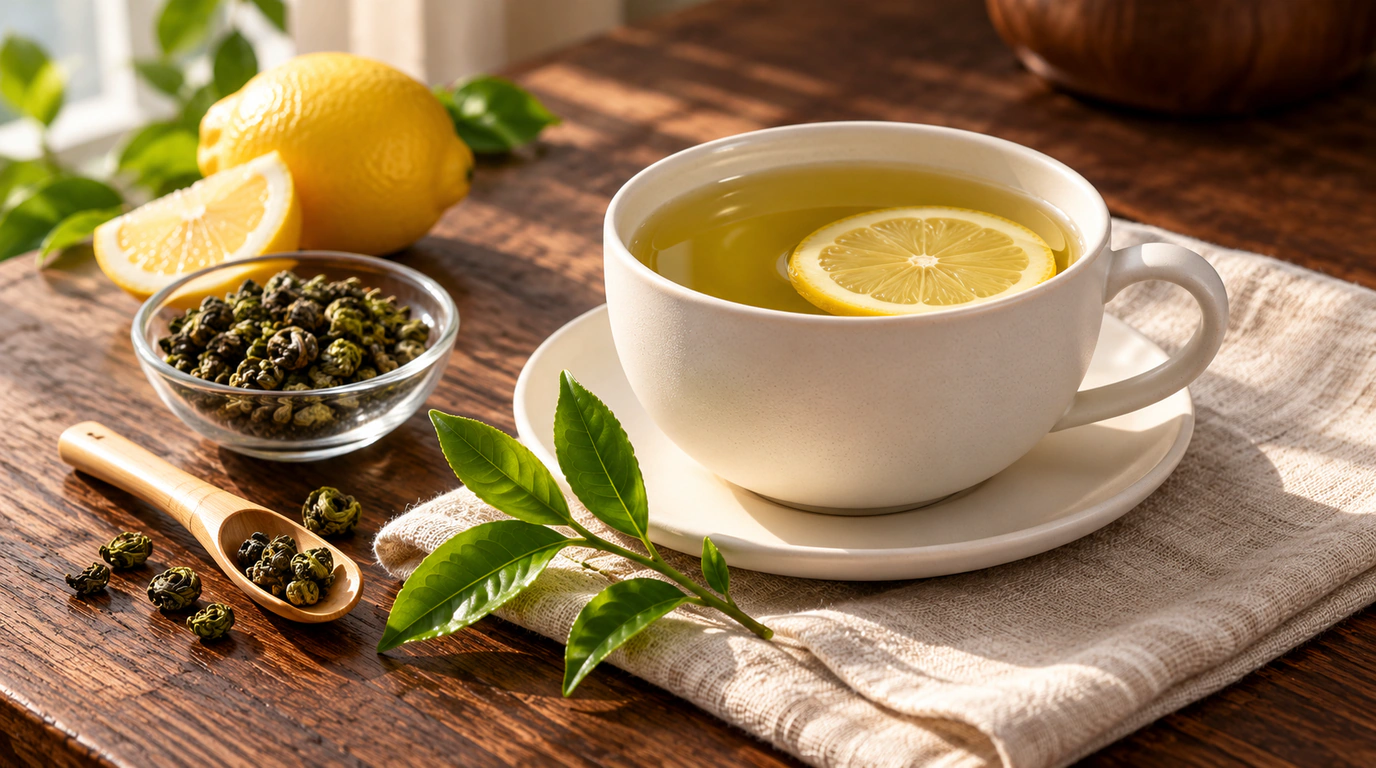
Still life with a cup of freshly brewed green tea, a slice of lemon, and a sprig of tea leaves on a wooden table by a window in morning light.
ArticleHealthSafetyImmunityCommon Cold

Six Risky Folk Cold Remedies: A Science Check on 'Grandma's' Cures

The moment a fever creeps up, it's tempting to reach for old family remedies: dripping garlic juice in your nose, slapping on fiery mustard plasters, soaking your feet in scalding water, and downing peppered vodka. Most people treat these traditions as harmless, yet doctors routinely deal with the fallout.

Confusing a burning sensation with healing causes real injury: garlic juice triggers chemical necrosis of the nasal lining and destroys your sense of smell, mustard plasters burn skin without reaching your bronchi, and alcohol dehydrates tissues while straining your liver. Safe cold care is far simpler: rest, saline nasal spray, humidified air, and warm fluids.

👍 0
Доктор Павлова, эндокринологMayo Clinic: Cold remedies - What works, what doesn't, what can't hurt
October 24
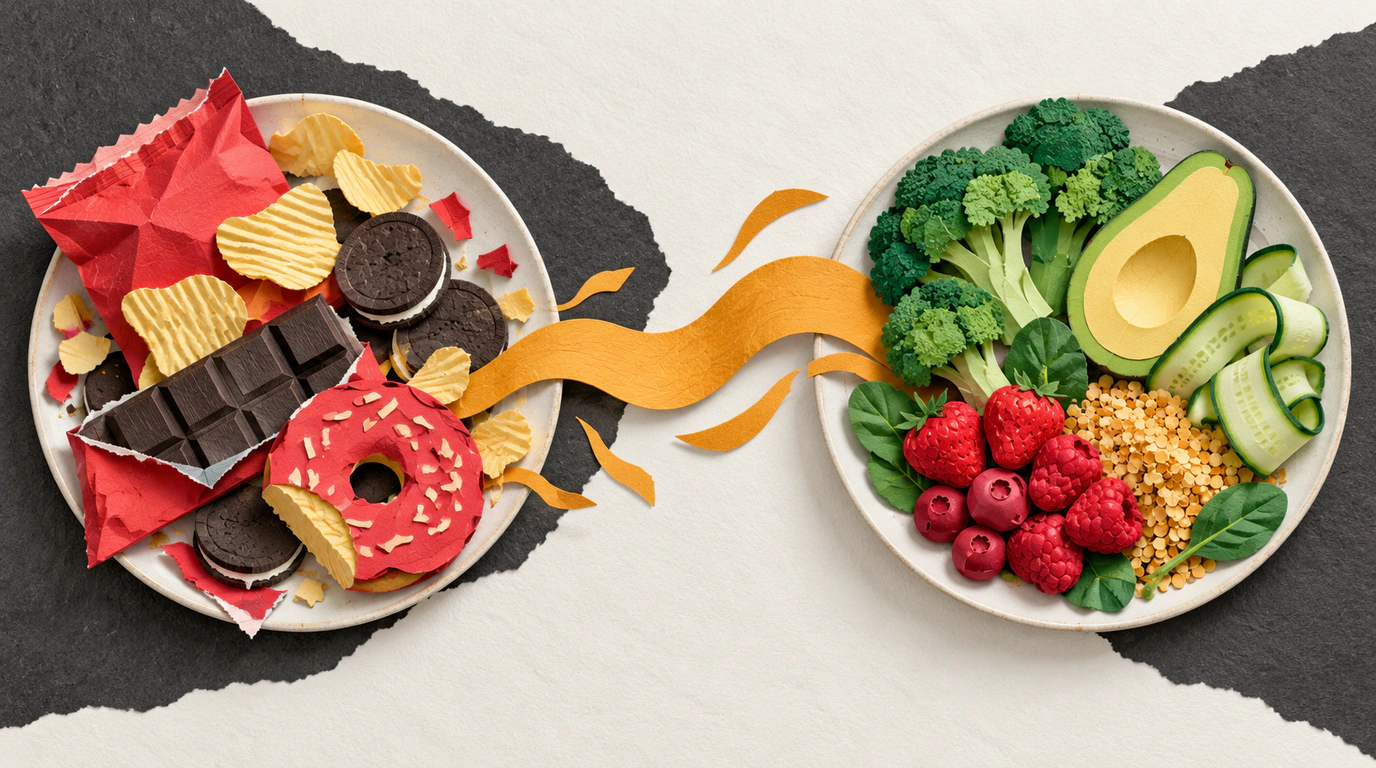
Paper-cut collage showing two contrasting plates of food: fresh whole vegetables versus ultra-processed snacks illustrating food cravings.
ArticleTrainingFitnessHealthJoints

'Running and Squats Will Wreck Your Knees': What Evidence-Based Medicine Says About Joint Loading

Many people believe running and barbell squats quickly grind down cartilage, and that moving less is the best way to save your knees. A massive meta-analysis of 125,000 people proves the exact opposite: recreational runners develop osteoarthritis nearly three times less often than couch potatoes (3.5% vs. 10.2%).

It comes down to an anatomical 'sponge effect.' Joint cartilage has no blood vessels, so chondrocytes draw nutrients from synovial fluid only when movement compresses and releases the tissue. Without load, cartilage starves and degrades. To strengthen your knees without straining ligaments, simply cap weekly volume increases at 10%.

👍 0
лёгкий зожThe Association of Recreational and Competitive Running With Hip and Knee Osteoarthritis: A Systematic Review and Meta-analysis
October 24
An athletic runner on a forest trail in morning sunlight with soft backlighting and pine canopies overhead.
ArticlePsychologySelf-GrowthHabitsFocus

Dopamine Fasting 2.0: Why 'Joy Detoxes' Are a Myth and What Cameron Sepah Actually Designed

Sitting in a dark room, avoiding music, and staring at a wall to 'reset dopamine receptors'—Silicon Valley's trendy craze went completely off the rails. Harvard experts call that kind of asceticism self-punishment with zero basis in physiology.

Dopamine isn't a pleasure hormone; it's a neurotransmitter of anticipation and learning. You can't lower its baseline or 'rinse' your receptors by willpower. Professor Cameron Sepah's original protocol wasn't about banning joy, but about behavioral friction: adding a simple 20-second delay between trigger and action (like leaving your phone in another room) puts you back in charge of automatic habits.

👍 0
Физикл | Олег ЗингилевскийHarvard Health Publishing: Dopamine fasting - Misunderstanding science spawns a maladaptive fad
October 24
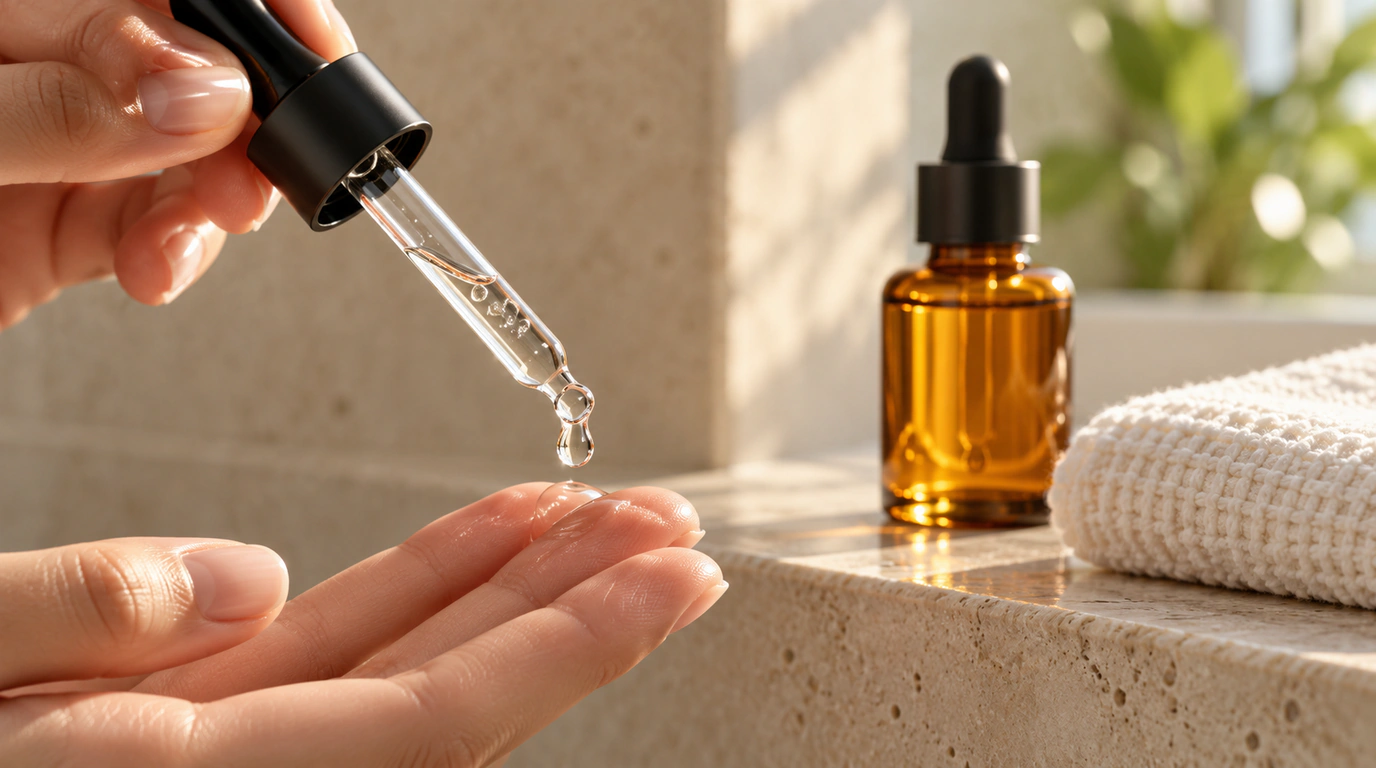
A hand using a dropper to apply clear serum onto fingertips beside an amber glass bottle on a light stone table.
ArticleNutritionHealthEating BehaviorMetabolism

What to Do the Day After Overeating: How to Avoid Fasting Traps and the Yo-Yo Cycle

The morning after a holiday feast, the scale jumps by two kilograms—and your first instinct is to starve yourself or sprint to the gym to burn it off. Endocrinologists warn that this exact reaction triggers a vicious yo-yo weight cycle.

It's physiologically impossible to gain two kilograms of body fat in one night; that would take an unreal surplus of 15,000 kcal. The scale spike is water retention: 1 gram of glycogen binds up to 4 grams of water, compounded by extra sodium. Starving only sets up an evening binge. The smart play is hiding the scale for three days, eating a normal protein-and-fiber breakfast, and drinking water.

👍 0
Максим Кузнецов - Врач эндокринологEuropean Journal of Applied Physiology: Relationship between muscle water and glycogen recovery
October 24
Warm evening bedroom still life with an open book, a cup of chamomile tea, and a glowing salt lamp on a wooden nightstand.
ArticleTrainingHealthEnduranceBlood

Ultramarathons and Blood: Why Red Blood Cell Breakdown Is Cellular Stress, Not 'Rejuvenation'

Sports headlines claim that running the 171 km Ultra-Trail du Mont-Blanc destroys old red blood cells and 'rejuvenates your blood.' Cardiologists warn against that romantic illusion: behind the buzz sits severe cellular stress.

Molecular analysis showed that red blood cells don't break down just from footstrikes on rock—they die from an inflammatory storm and membrane lipid oxidation, triggering widespread eryptosis. The hormone hepcidin blocks cellular iron transport, creating an acute functional shortage of building blocks. Ultra-distance running isn't a rejuvenating spa treatment, but a deep systemic overload that demands careful ferritin monitoring.

👍 0
Бегать простоBlood Red Cells & Iron: Long-Distance Trail Running Induces Inflammatory-Associated Protein, Lipid, and Purine Oxidation in Red Blood Cells
October 24
Tactile clay sculpture composition featuring smooth sculpted water droplets, textured stones, and a green sprout.
ArticleHealthBiohackingProbioticsMicrobiome

A Bacteria for Muscle and Definition? Why Lactobacillus reuteri Supplements Are Pure Marketing

A biohacking sensation is going viral on social media: taking Lactobacillus reuteri supplements supposedly burns fat and builds muscle with no workouts or dieting. Sellers call it the 'bodybuilder microbe,' yet the evidence tears down that glossy marketing claim.

Every dramatic recomposition result came strictly from germ-free lab mice. Worse, L. reuteri is already abundant in ordinary sauerkraut and kefir, while commercial capsules fail to stick in the human gut due to colonization resistance. Muscle growth comes from progressive resistance training and dietary protein—never expensive jars of bacteria.

👍 0
Тренер АртёмCell: Personalized Gut Mucosal Colonization Resistance to Empiric Probiotics
October 24
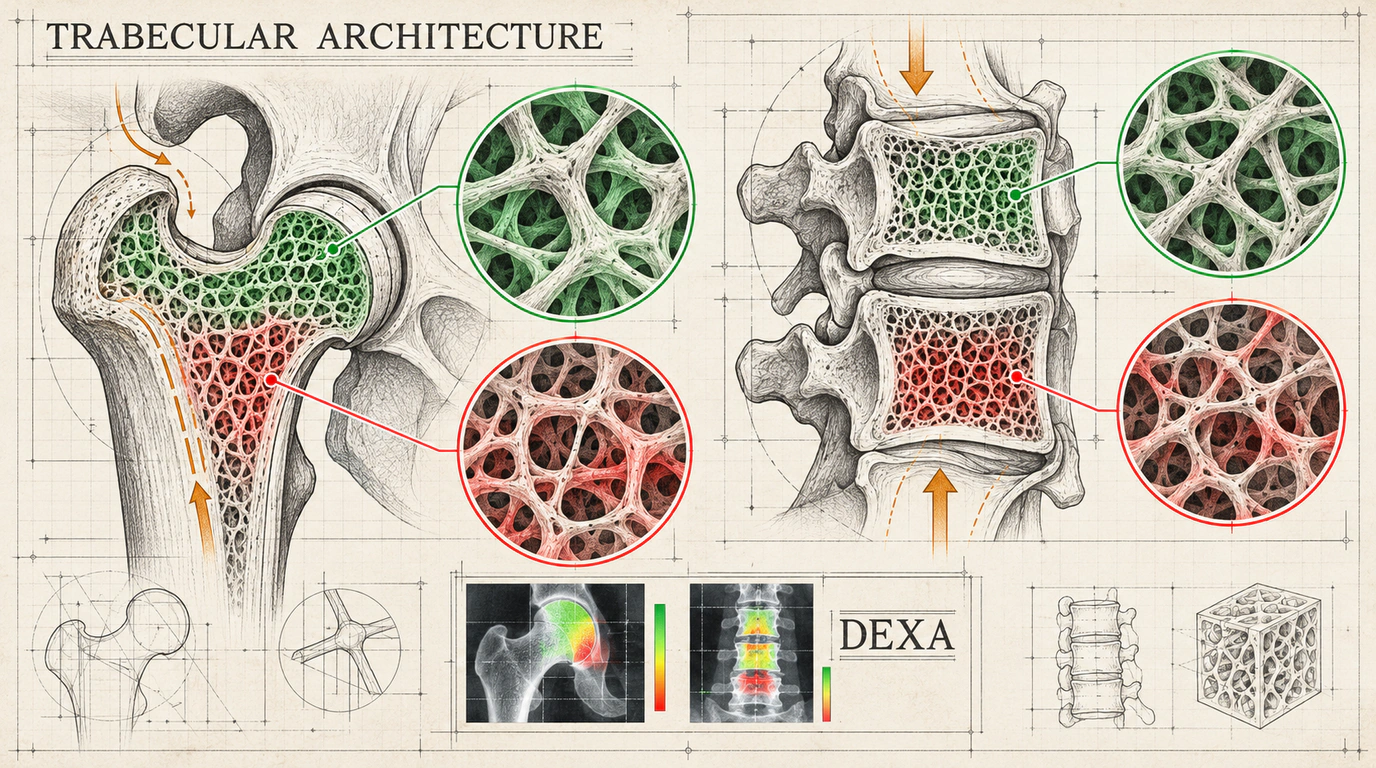
Anatomical blueprint of hip and spine bone density showing trabecular microarchitecture against a warm paper background.
ArticleHealthPreventionOsteoporosisBones

Habits That Erode Bone Density: Hidden Osteoporosis Risks and How to Protect Your Skeleton

Osteoporosis is known as the 'silent epidemic': bones can lose mineral density for years without pain or warning signs until your first unexpected hip fracture. Peak bone mass forms by age 30, after which everyday habits can quietly thin your skeleton.

Endocrinologists highlight three major drivers of accelerated calcium loss:

  • Lack of axial strength loading, without which osteoblasts never get the signal to build new matrix;
  • Insufficient dietary protein (under 1 g/kg), leaving calcium without its collagen scaffold;
  • Excess salt, which forces the kidneys to flush minerals out in urine.

Protecting your bones relies on regular squats, aged hard cheeses, and timely DEXA scanning.

👍 0
Максим КузнецовInternational Osteoporosis Foundation: Prevention & Nutrition Guidelines
October 24
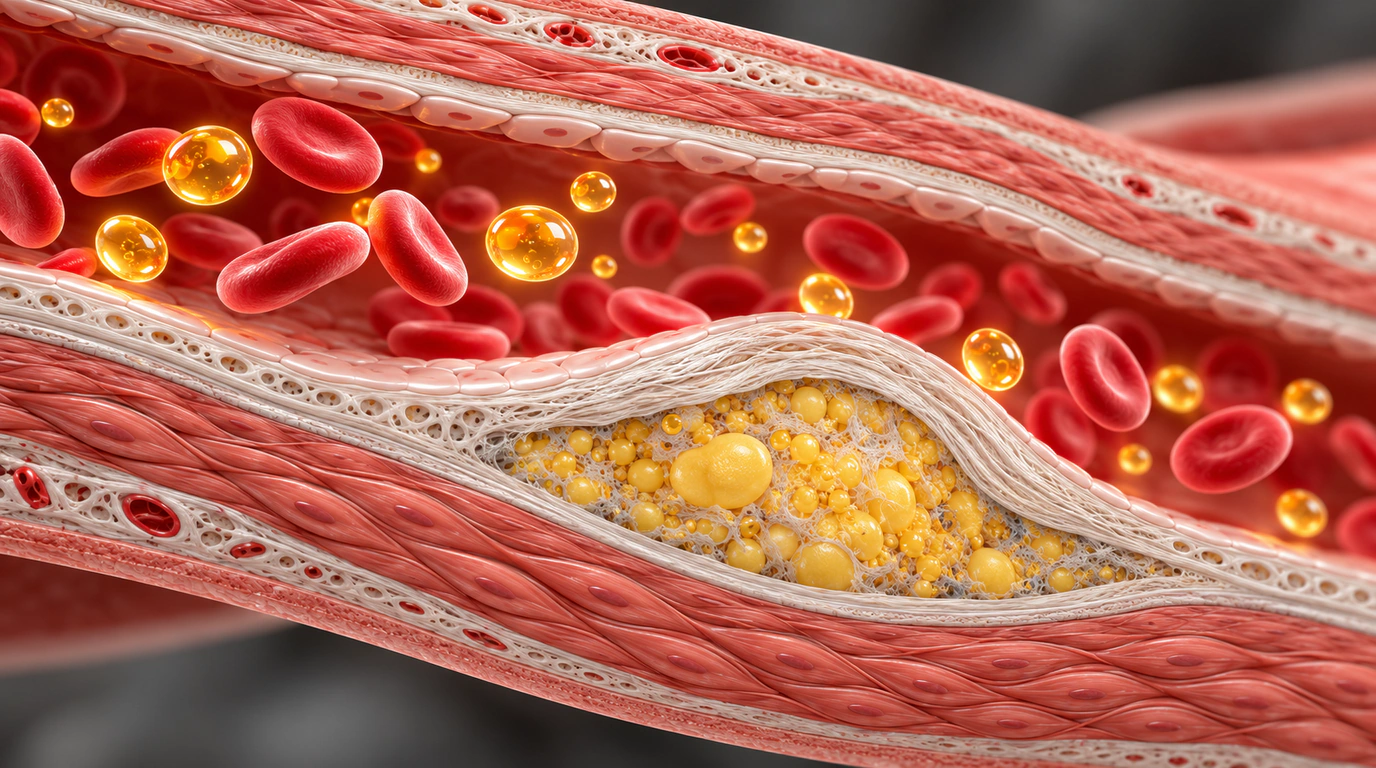
Infographic cross-section of a blood vessel showing the macrostructure of a fibrous plaque, red blood cells, and golden fatty acid molecules.
ArticleHealthFitnessCholesterolBlood vessels

Omega-3s and 'Clearing Out Arteries': Fitness Myths About Cholesterol, Supplements, and Extreme Cutting

A popular gym legend claims that taking handfuls of omega-3 capsules washes away cholesterol plaques and keeps arteries clean. Cardiology dismantles that dangerous illusion: atherosclerotic plaque sits inside the arterial wall beneath a fibrous cap, making it physiologically impossible to dissolve with dietary fats.

Omega-3s lower triglycerides and calm vascular inflammation, but they don't scrub arteries like a bottle brush. Far riskier are extreme contest 'cuts' that strip fats from your diet: protective HDL cholesterol plunges to a critical 0.2 mmol/L, accelerating atherosclerosis. Protecting your vessels takes lipid-panel tracking, not handfuls of supplements.

👍 0
Александр Алексеевич. Атлетизм для всехCirculation: Omega-3 Fatty Acids for the Management of Hypertriglyceridemia (AHA Science Advisory)
October 24
A person performing evening passive spinal decompression over a soft bolster on an exercise mat in a cozy room.
ArticleTrainingFitnessPostureSpine

Evening Back and Neck Decompression: A Bolster Practice for Office Tension

After a long workday at a monitor, your shoulders creep up toward your ears and a familiar ache burns between your shoulder blades. Your first urge is grabbing a hard massage roller to crunch out your back, yet biomechanics coaches warn that a rigid plastic cylinder only increases protective neck-muscle tension.

Passive decompression on a moderately soft bolster made from a rolled blanket works far better. Under your own body weight, thoracic stiffness gently opens up while deep diaphragmatic breathing calms sympathetic tone. The key anatomical rule is keeping your pelvis flat on the floor so your lower back doesn't arch, and always rolling onto your side to get up.

👍 0
РАСТЯЖКА С КУТУЗОВОЙJournal of Physical Therapy Science: Effects of thoracic mobilization and posture exercises on thoracic kyphosis
October 24