Walk down any supermarket aisle and you'll spot protein ice cream, protein pudding, protein bread, bars, and even protein chips. In the public imagination, protein has achieved near-saintly status: the more on your plate, the closer your dream physique, while carbs and fats get cast as villains to slash at all costs.
The Pilates Flow team and mindful-movement specialists urge hitting pause on the hype. For an everyday adult who isn't prepping for a bodybuilding stage, eating too much protein is often riskier than coming up slightly short.
Protein Marketing: Candy Dressed in Gym Clothes
First, look past the front of the package at what protein treats actually contain.
Shoppers see "20g Protein" in bold letters and toss protein cookies into their cart feeling virtuous. Flip the wrapper over and read the fine print, and the story shifts:
- A 60-gram bar routinely packs 250–300 kcal—the same as a standard candy bar;
- To glue dry protein powder together, manufacturers load up on palm or confectionery fats and sugar alcohols (maltitol, sorbitol);
- You end up with the same calorie bomb, an insulin load, and bloating from polyols fermenting in your gut.
That isn't functional nutrition—it's an ultra-processed dessert disguised as fitness fuel.
Your True Physiological Need: How Much You Actually Require
Where did the 2–2.5 grams per kilogram rule come from anyway? Straight from competitive bodybuilding, where athletes repair massive muscle microtrauma—often with pharmacological assistance.
For everyday health and longevity, the real benchmarks are much calmer:
- The World Health Organization (WHO) and the European Food Safety Authority (EFSA) set the baseline for mostly sedentary adults at just 0.8–1.0 gram of protein per kilogram of normal body weight per day.
- With regular recreational exercise—yoga, Pilates, running, or swimming two to three times a week—needs rise modestly to 1.2–1.5 grams per kilogram.
Force-feeding 150–180 grams of protein while sitting at a desk all day builds zero extra muscle. Your liver simply converts the surplus amino acids into glucose via gluconeogenesis, dumping extra urea onto your kidneys.
The Golden Balance on Your Plate
The biggest casualty of protein mania is everything it crowds off your plate: complex carbs, whole grains, leafy greens, berries, and healthy fats.
Your body thrives on the whole-food matrix, not isolated powders. Eggs, fish, lentils, beans, cottage cheese, and poultry deliver protein packaged naturally with iron, zinc, vitamin B12, and choline.
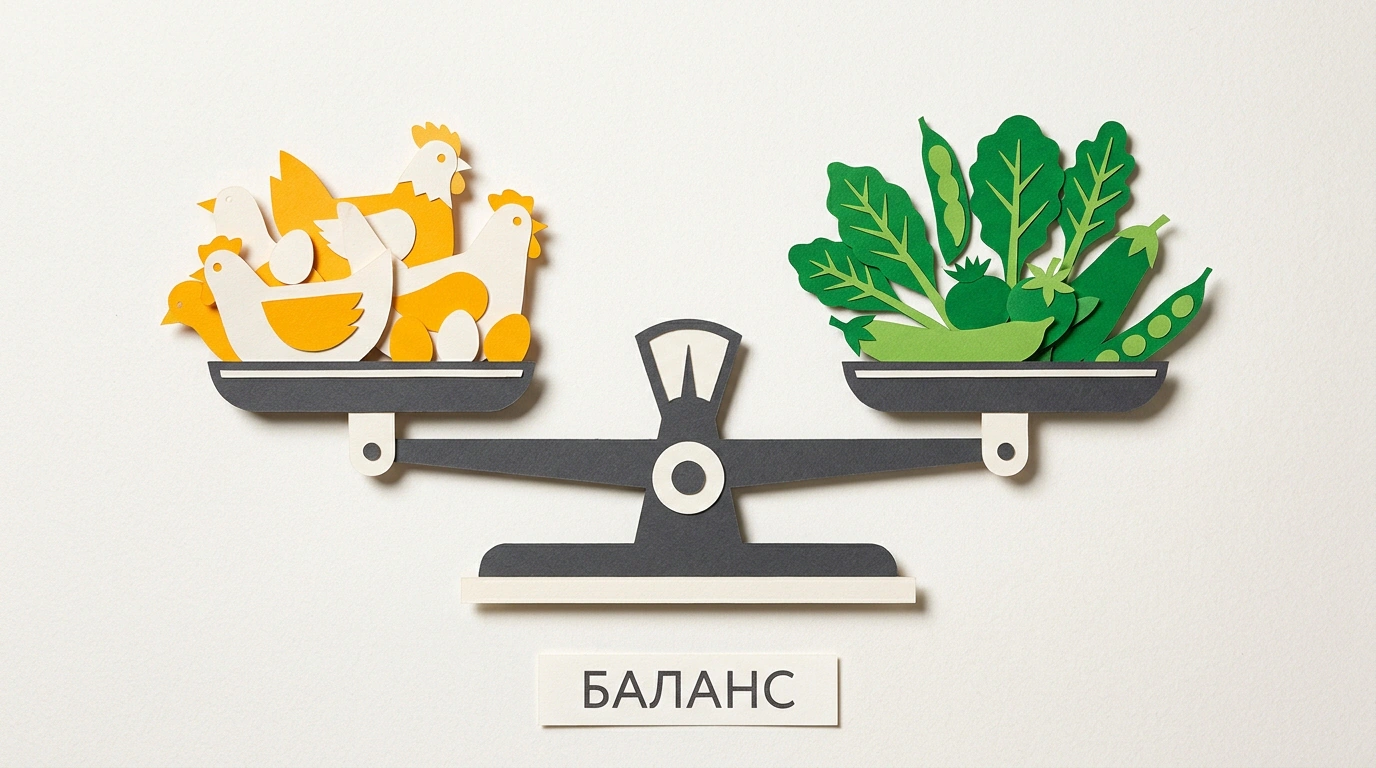
Keep things steady and simple: aim for a palm-sized serving of protein at each main meal, skip the engineered bars, and leave plenty of room on your plate for a generous pile of vegetables.