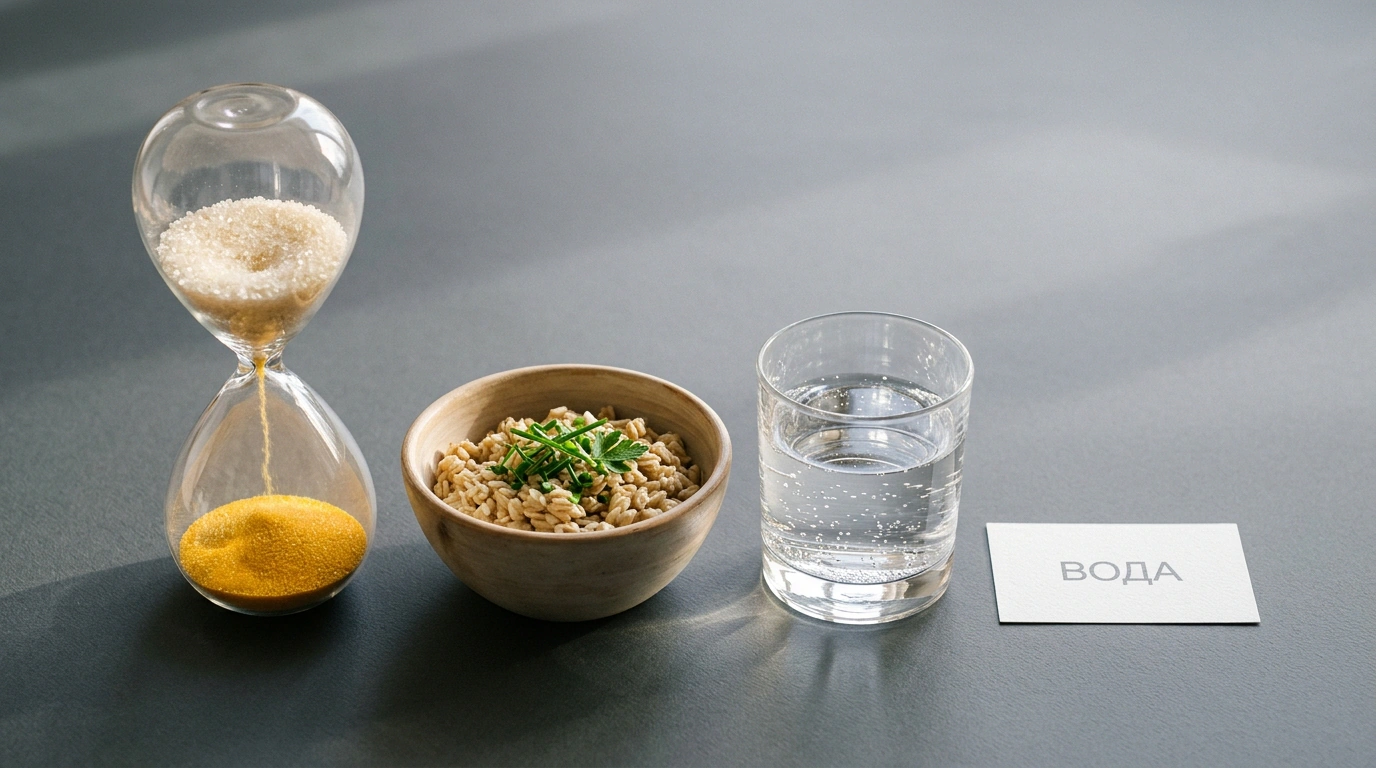
Myths about eating at night are some of the most stubborn—and toxic—ideas in pop wellness. For decades we've been fed scary tales: after 6 p.m. digestion supposedly shuts down, your burger sits and "rots in your stomach," carbs turn straight into belly fat, and you wake up puffy from mysterious "toxins and waste."
Fitness coach Artyom broke down the physiology of evening meals, explaining why the scale jumps overnight and why a hearty dinner has nothing to do with developing diabetes.
Your Stomach Doesn't Sleep: Nighttime Digestion Physiology
The first myth to toss is the idea that your digestive organs punch out for the night while food sits there like a brick.
Your GI tract, heart, lungs, liver, and kidneys work 24/7. During deep sleep, resting metabolic rate dips by only 10–15% compared with lying quietly awake on the couch during the day.
Nothing "rots" in your stomach—it's biologically impossible. Stomach acid sits at an extreme pH of 1.5 to 2.0. Putrefactive bacteria die in seconds inside that acid bath, while pepsin keeps breaking down protein regardless of what the clock says. Intestinal peristalsis continues while you sleep, steadily moving food along.
Morning Scale Jumps: Why You Look Puffy
Plenty of people panic after a pasta or potato dinner when the morning scale reads "+1.5 kg" and their under-eyes look slightly puffy. "I gained three pounds of fat overnight!"
Do the fat-gain math: adding 1.5 kg of pure adipose tissue requires a surplus of roughly 11,000–12,000 kcal above your daily burn. No ordinary person can physically eat that much in one dinner.
So what is the scale actually measuring? Plain water:
- Glycogen storage: Carbs from dinner get tucked away in your liver and skeletal muscles as glycogen. Biochemically, every 1 gram of glycogen binds 3–4 grams of water. Refill 300 grams of depleted glycogen at dinner, and your body instantly holds over a liter of extra fluid.
- Sodium retention: If dinner was salty (sauces, cheese, pickles), sodium pulls additional water into extracellular spaces.
That temporary osmotic water leaves naturally over 24–48 hours as you burn through glycogen. It isn't body fat.
The 'Toxins' Myth and the Real Drivers of Diabetes
In evidence-based medicine, vague "slags" or "toxins" clogging your gut don't exist—it's pseudoscientific jargon. Your liver and kidneys detoxify your body every second. If a cutlet actually poisoned your liver, you'd need emergency ICU care and dialysis, not detox tea.
As for type 2 diabetes: a systematic review of clinical trials (Raynor et al., PMID: 28967343) showed that shifting calories between morning and evening while keeping total daily intake equal does not change fat-loss rates. Diabetes isn't caused by eating dinner late—it stems from chronic overeating, excess visceral fat, and physical inactivity.
The only genuine medical reason to watch late heavy meals is gastroesophageal reflux disease (GERD). Lying flat on a full stomach lets acid wash back into the esophagus and trigger heartburn. If you're prone to reflux, wrap up dinner 2.5–3 hours before bed.
For everyone else, common sense rules: watch your total daily calorie balance, stop fearing your dinner plate, and skip the needless stress.