Issue October 13Daily digest · 15 items
In this issueReviewed 36 sources, gathered 15 items
Autonomous software factory pipeline with an isolated agent sandbox, patch generation, and a test verification loop.
LongreadAIDevelopmentAI AgentsAutomation

Software Factories: How to Build Autonomous Agent Pipelines Instead of Writing Code by Hand

Are you still copying code from an AI chat and fixing errors by hand in your editor? It's time to admit it: that workflow turns a developer into a slow human bridge between the terminal and the model.

Autonomous software factories are replacing manual busywork. These are closed-loop pipelines where an agent writes code inside an isolated cloud sandbox, runs tests on its own, and fixes its own bugs until every check turns green. Still, this approach has real pitfalls, from burning hundreds of thousands of tokens in thrashing loops to strict requirements for your test suite.

Read the full article to see how an agent loop is structured and why a reliable test harness matters more than prompt length.

👍 0
David OndrejCloudroom Developer Platform and Cloud Sandboxes
October 13
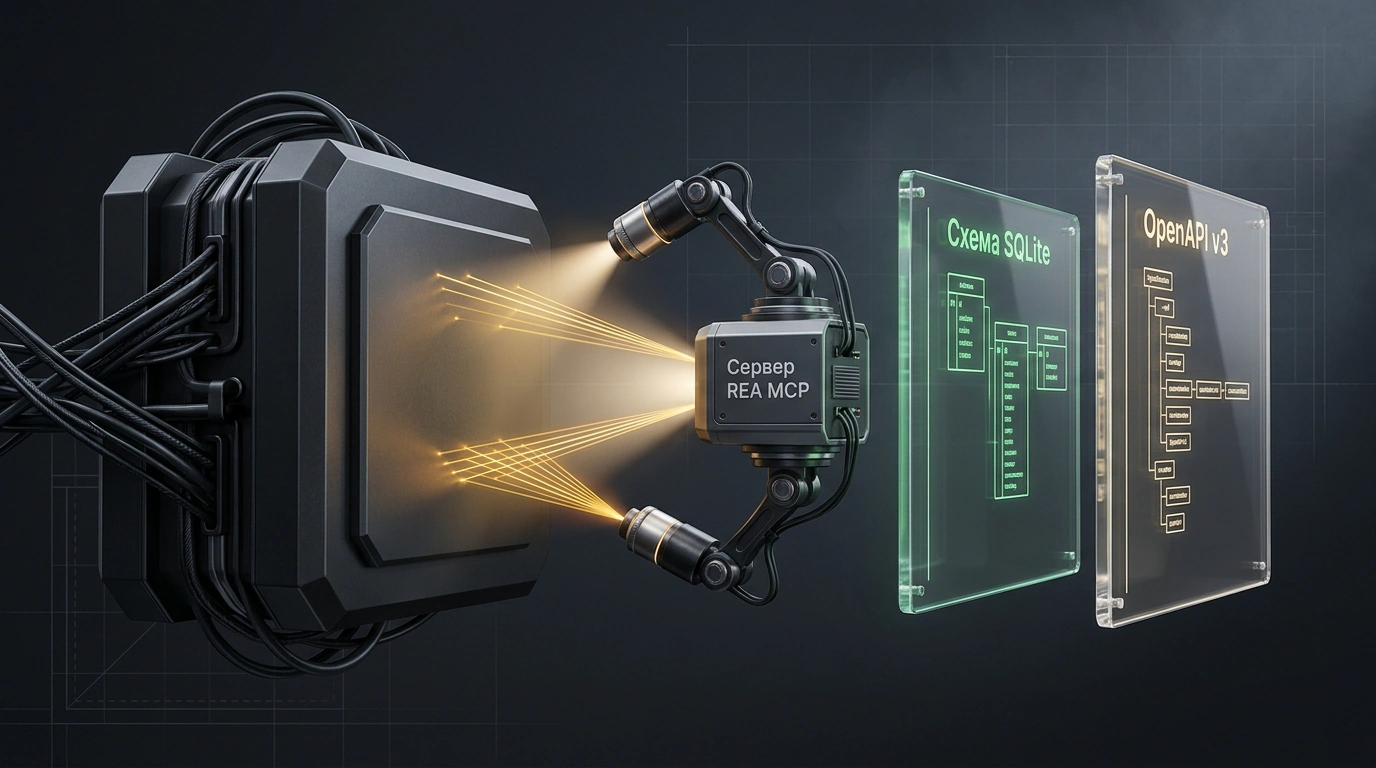
Binary application decomposition by an REA agent extracting clean OpenAPI interfaces and SQLite schemas.
ArticleAIDevelopmentAI AgentsOpen Source

REA and Harness Engineering: Why AI Agents Excel at Reverse Engineering Over Greenfield Design

Have you noticed that AI models get confused when building services from scratch, yet easily dissect someone else's code? There's no mystery here: text prompts leave too much room for guessing, while a compiled binary already locks its logic into call graphs and schemas.

The Reverse Engineer Anything (REA) project takes full advantage of this. Over MCP, it equips coding agents with decompilers and AST parsers, letting them recover clean API contracts straight from Electron packages or APKs.

Check out the article to see how the harness is configured and why building test and analysis harnesses is becoming a developer's core skill.

👍 0
Cole MedinReverse Engineer Anything (REA) GitHub Repository
October 13
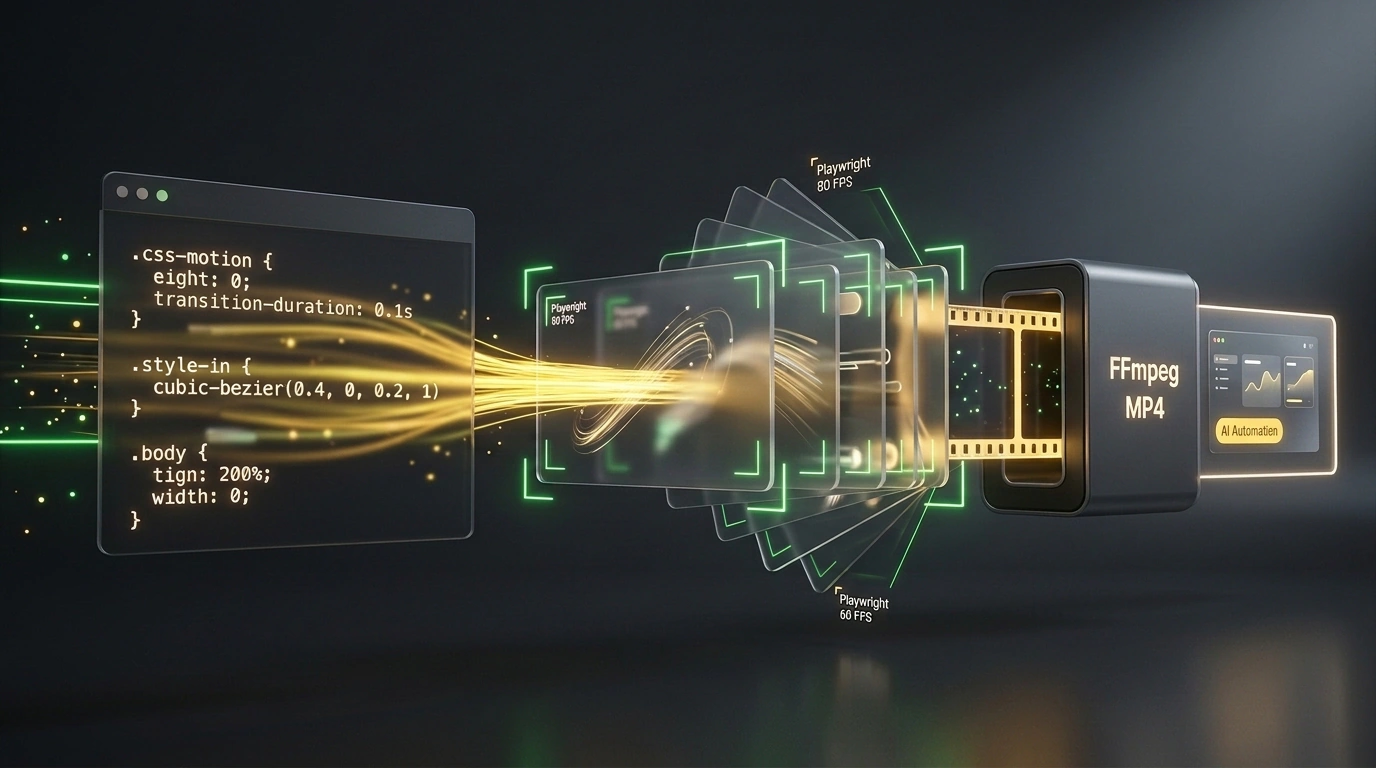
Programmatic assembly of smooth 60fps UI animation from HTML and CSS code using Playwright and FFmpeg in Claude Code.
ArticleAIDevelopmentAutomationDesign

Programmatic Animation in Claude Code: Creating Motion Graphics with claude-motion-design and Opus 5.5

Forget slow rendering in After Effects and weird artifacts from video generation models. You can now build crisp motion graphics with sharp typography using code right in your terminal.

The open-source claude-motion-design skill combines Claude Code, Opus 5.5, Playwright, and FFmpeg into an autonomous video pipeline. The model tunes Bezier curves and HTML/CSS layouts, the browser captures frame-by-frame snapshots at 60 fps, and FFmpeg stitches them into a clean MP4.

Read the article to inspect the skill manifest and see how code-driven video layout speeds up product promo production.

👍 0
No Code MBAClaude Motion Design Skill Repository
October 13
News · October 131 news item

web-edit 0.1a0 Released: Edit Local Files Over Tailscale Without Exposing Secrets to LLMs

Simon Willison has released web-edit 0.1a0, a utility for safely editing local files from mobile devices over a Tailscale network. It keeps secret API keys out of LLM agent contexts. The CodeMirror 6 editor feels great on touchscreens, though it relies entirely on a trusted network.

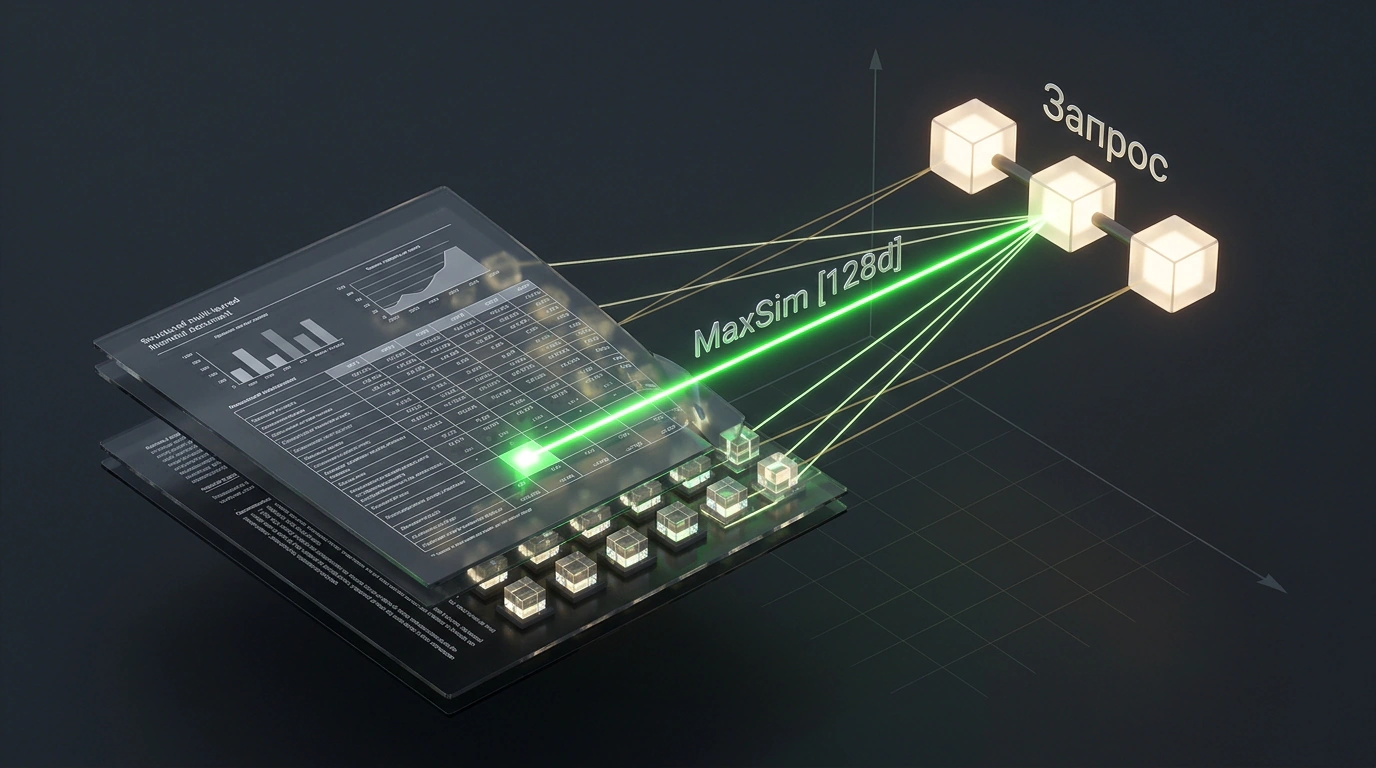
Complex document search using Late Interaction architecture and the MaxSim operator for exact token matching.
ArticleAILLMRAGOpen Source

pplx-embed-v2-late: Perplexity's Multimodal Late-Interaction Embeddings for Document Search

Ever had vector search miss a crucial number in a report table? The reason is simple: classic encoders compress an entire document into a single vector, blurring small details.

Perplexity has open-sourced the pplx-embed-v2-late model family under the MIT license. Instead of flattening text, the architecture stores 128-dimensional vectors for each token and computes relevance via the MaxSim operator. It can search directly across scans and PDFs without fragile OCR.

Read the article to see the PyTorch relevance calculation and learn how late interaction solves enterprise RAG bottlenecks.

👍 0
Julian Goldie SEOPerplexity pplx-embed-v2-late-0.6b Model on Hugging Face
October 13
Mellum 2.1 coding model in JetBrains environment trained with reinforcement learning in sandboxes on real unit tests.
ArticleAIDevelopmentLLM

Mellum 2.1: JetBrains' Coding Model Trained with Reinforcement Learning in Isolated Sandboxes

Used to thinking a strong coding model needs hundreds of billions of parameters? JetBrains challenges that assumption with the open-source Mellum 2.1 under the Apache 2.0 license.

Its MoE architecture has 12 billion total parameters, with only 2.5 billion active per token. The secret is reinforcement learning in sandboxes: the model trained on real repositories and earned rewards only when tests passed. On SWE-bench Verified, its score jumped from 2% to 43.8% without adding a single byte to the weights.

Read the article to see how a compact model speeds up IDE workflows and why training on real shell actions is the future.

👍 0
Julian Goldie SEOJetBrains AI Mellum 2.1 Announcement
October 13
Compact Saluki 27B language model quantized to 8 GB running on a consumer laptop with autonomous tool calling.
ArticleAILLMOpen SourceAI Agents

Saluki 27B: Quantizing a Local Model to 8 GB for Reliable Autonomous Tool Calling

Want a smart agent on your laptop, but 8B models break JSON schemas while larger ones won't fit in memory? A new Hugging Face release solves that trade-off.

ConwayResearch's open-source Underdog-Saluki-27B-1.0 is based on Qwen3.8-27B and compressed with IQ2-mix quantization down to 7.89 GB. It fits on an 8–12 GB GPU or an Apple Silicon Mac while keeping reliable tool calling via llama.cpp.

Read the article to grab the llama-server launch command and see how to run a dependable local agent without cloud API bills.

👍 0
Julian Goldie SEOUnderdog Saluki 27B Model Repository on Hugging Face
October 13
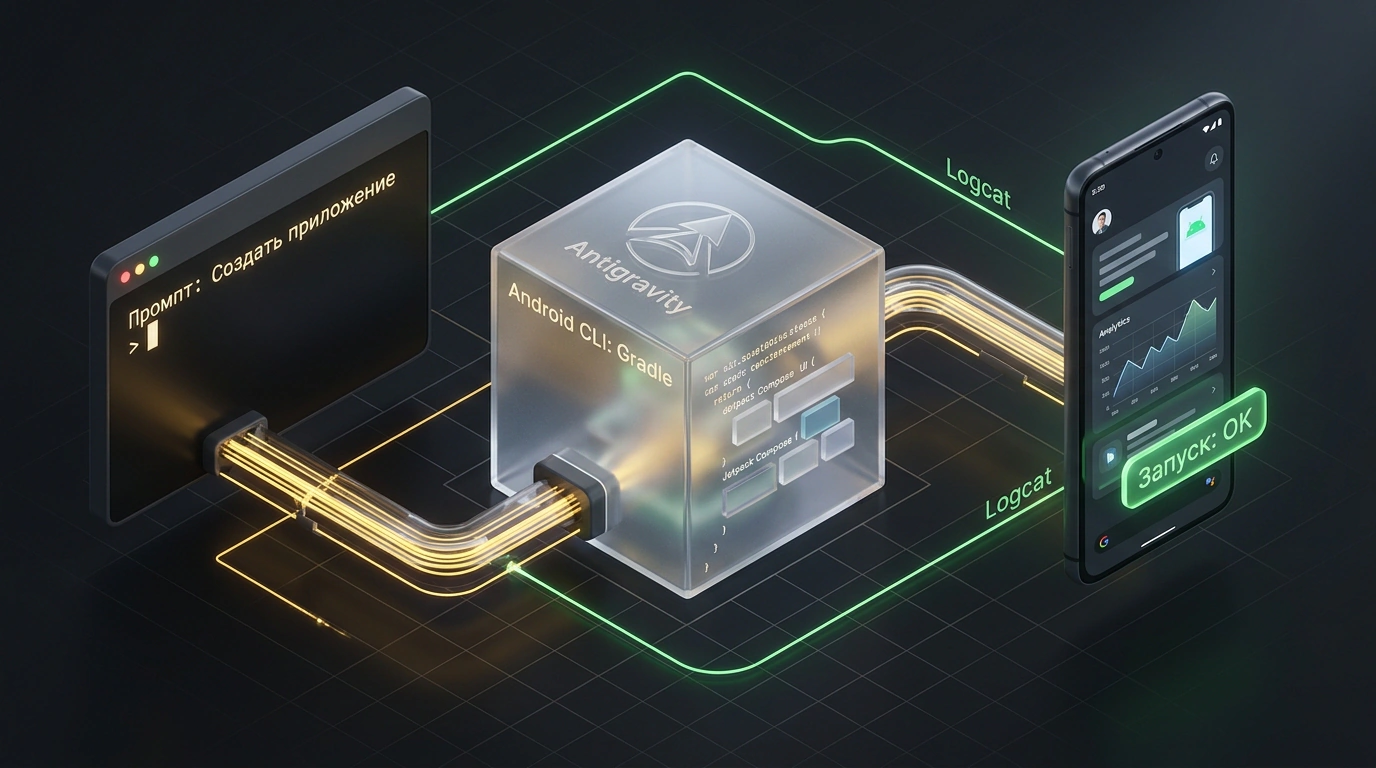
Autonomous Android app build pipeline in Antigravity from text prompt to running Jetpack Compose on a cloud smartphone.
ArticleAIDevelopmentAutomationAI Agents

Building Android Apps in Antigravity: From Text Prompt to Native Jetpack Compose on a Real Device

Wanted to ship a native Android app, but held back by heavy Android Studio installs and finicky Gradle configs? The rules of the game have changed.

Pairing Google Antigravity with Android CLI automates the entire workflow from a text prompt to running on a phone. The Stitch plugin generates Jetpack Compose code, the agent builds the APK in the background, and Device Streaming deploys the binary to a cloud Google Pixel and tests screen taps.

Read the article to see the CLI launch flow and learn how mobile prototyping becomes fast and accessible for any developer.

👍 0
Julian Goldie SEOAndroid Device Streaming Documentation
October 13
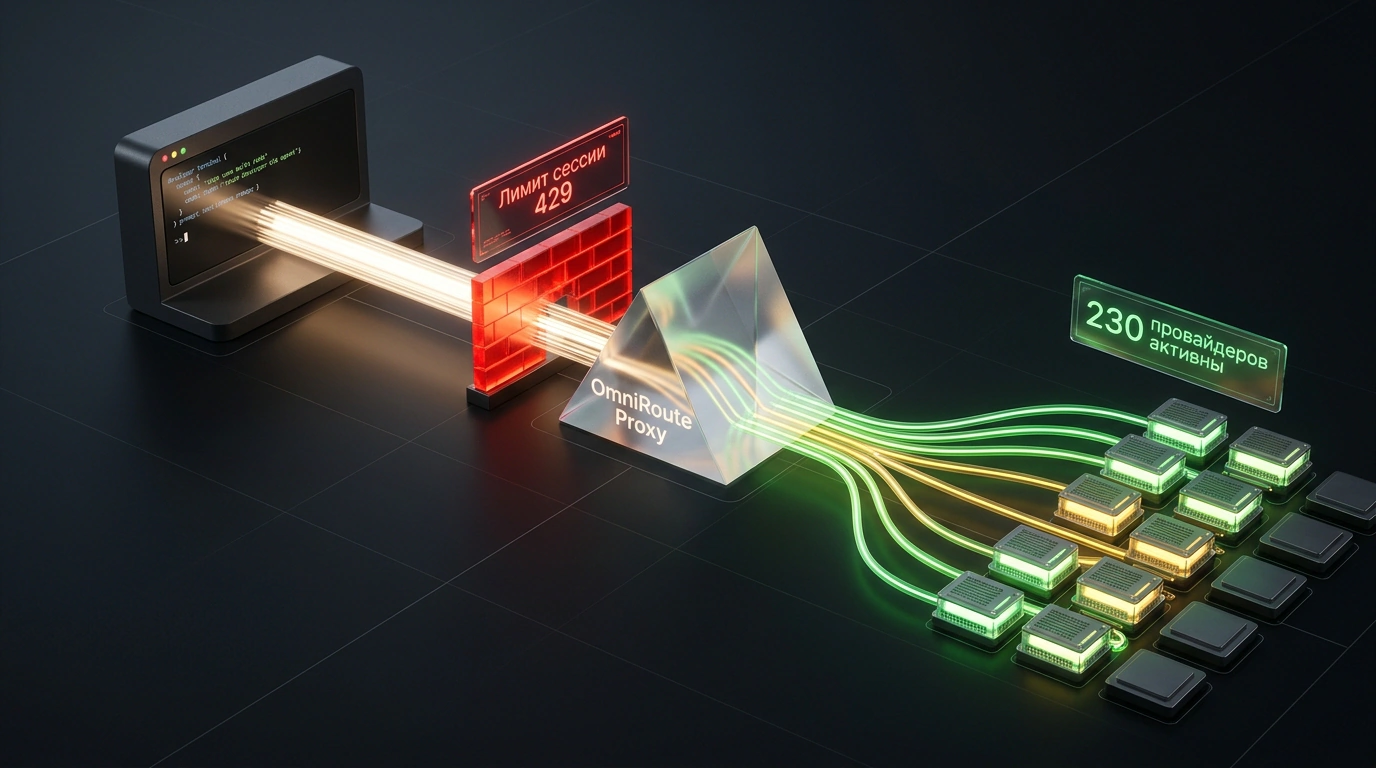
OmniRoute proxy router for Claude Code redirecting requests past rate limits to a distributed network of 230 providers.
ArticleAIDevelopmentLLMAutomation

Claude Code with the OmniRoute Proxy: Bypassing Session Limits and Routing Across 230 Providers

Ever had Claude Code hit a sudden 429 error or lock you into a five-hour cooldown right in the middle of an urgent bugfix? You don't have to stop working anymore.

The local proxy gateway OmniRoute eliminates single-vendor lock-in. It spins up a local server on port 20128, translates Anthropic-format requests into 230+ providers on the fly, and switches your session to backup models instantly if the primary API fails—without breaking your terminal flow.

Read the article to copy the config file and put an end to frustrating coding downtime.

👍 0
Julian Goldie SEOOmniRoute AI Gateway and Proxy Documentation
October 13
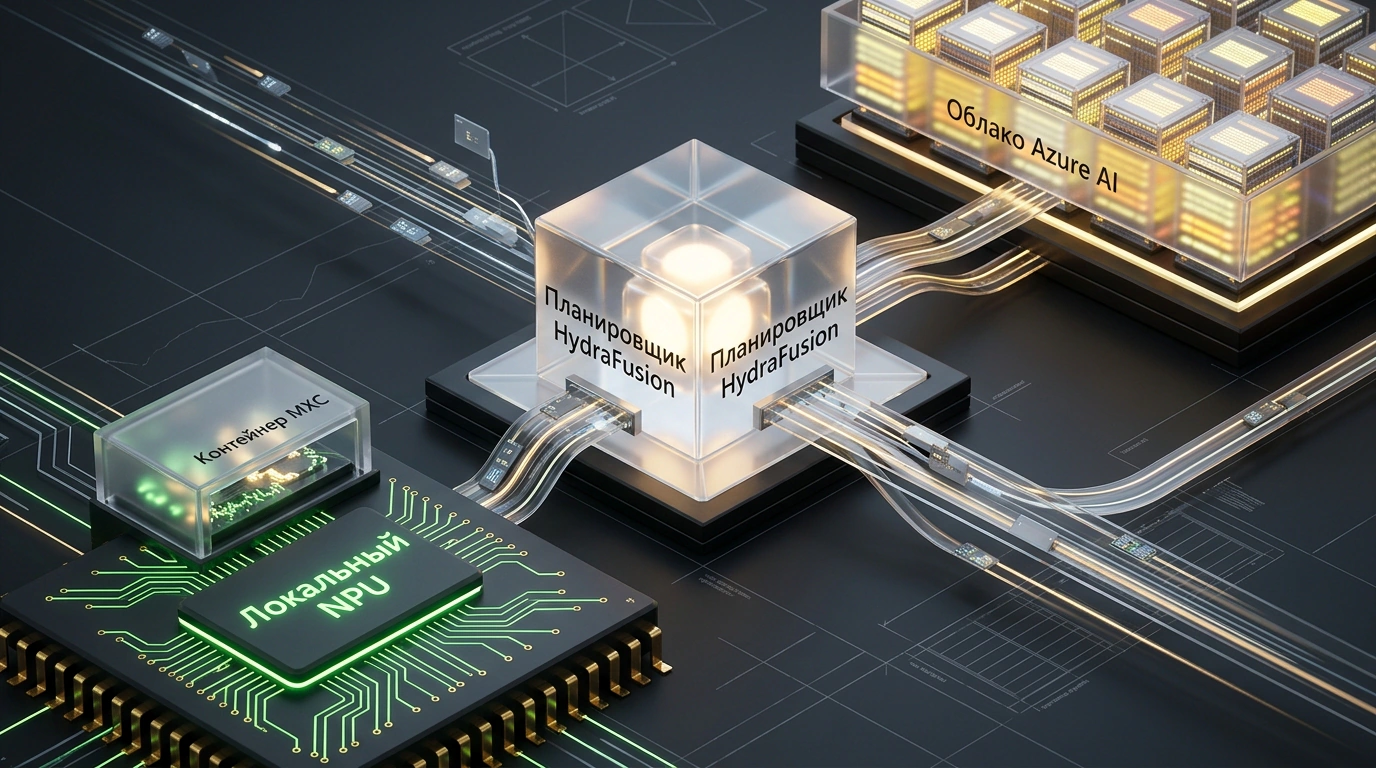
Hybrid Windows Copilot architecture splitting workloads between a local hardware NPU and a cloud cluster.
ArticleAIAutomationSafetyEfficiency

Windows Copilot Hybrid Intelligence: Splitting Tasks Between Local NPU and Cloud Infrastructure

Annoyed that Windows Copilot sends every click to the cloud, adding lag and raising privacy concerns? Microsoft has announced a major architectural overhaul.

Its Hybrid Intelligence model splits the OS into two tiers: the HydraFusion scheduler sends file analysis and autocomplete to the built-in NPU, running 3-bit models via Windows ML and llama.cpp. The cloud only steps in for heavy tasks, while the Autopilot system agent runs inside isolated MXC containers.

Read the article to see how the hybrid stack works and why OS-level AI is finally moving past sluggish web widgets.

👍 0
Julian Goldie SEOWindows Developer Blog: Hybrid Intelligence and Copilot Architecture
October 13
High-speed Qwen Image 2.1 Turbo diffusion model rendering sharp typography on posters and signs.
ArticleAIDesignOpen SourceAlgorithms

Qwen Image 2.1 Turbo: Fast Diffusion with Sharp Text Rendering and Mask Inpainting

Tired of garbled pseudo-letters on generated posters and waiting forever for dozens of diffusion steps? Alibaba AI has a fast fix.

The new open-source Qwen-Image-2.1-Turbo (7B parameters) cuts generation down to just 8 steps using trajectory distillation and fixed CFG=1. It renders crisp typography on posters and supports clean mask-based inpainting via Diffusers without distorting surrounding details.

Read the article to grab the Python script and see how open diffusion is reaching print-grade quality.

👍 0
Julian Goldie SEOQwen-Image-2.1-Turbo Model on Hugging Face
October 13
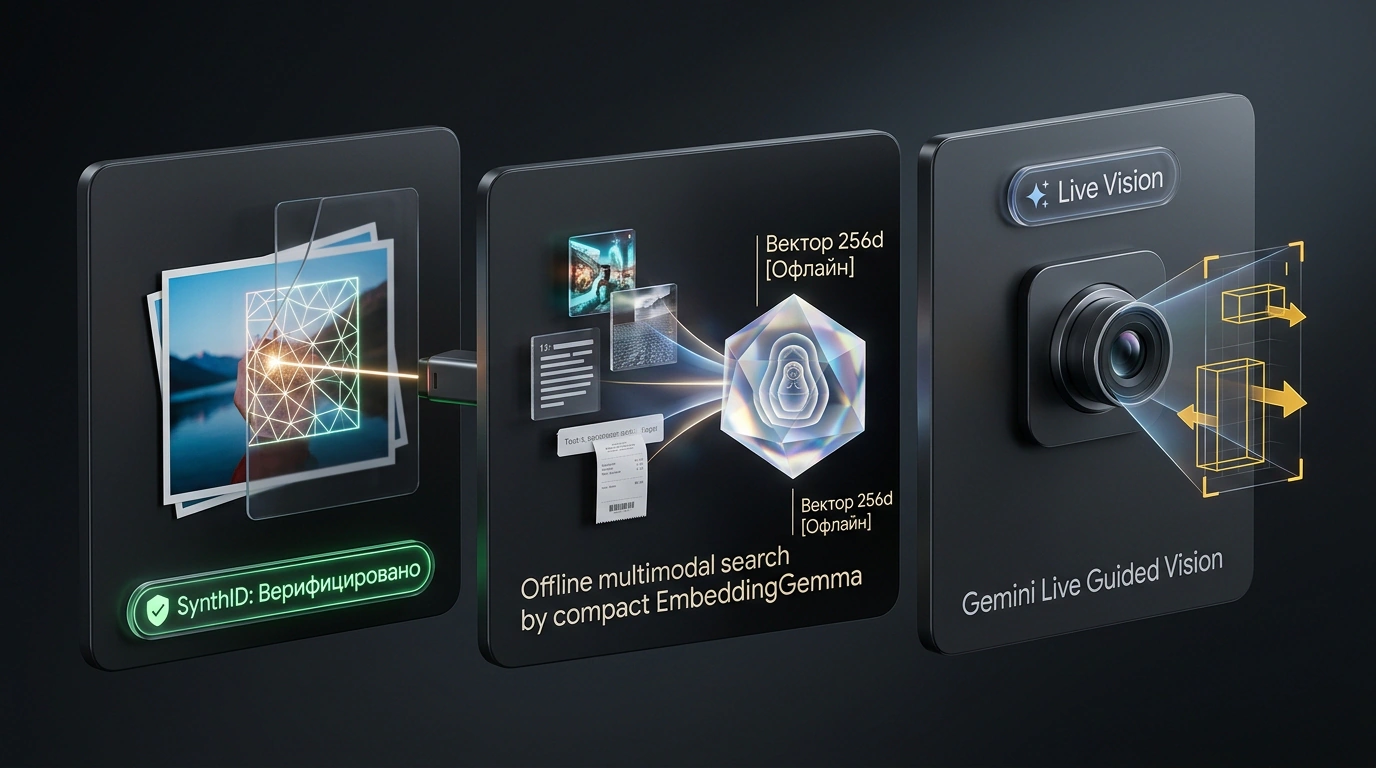
Google Gemini technology triptych: hidden SynthID watermark, local search, and Gemini Live video analysis.
ArticleAILLMSafetyRAG

Google Gemini Update Pack: Public SynthID Detector, Offline Search, and Live Guided Vision

Wondering how to prove an image came from AI, or how to search your phone's photo library without sending anything to the cloud? Google just rolled out a major update pack for the Gemini ecosystem.

The release includes the public SynthID detector for checking invisible digital watermarks and the open-source EmbeddingGemma 2 model under Apache 2.0. At 740M parameters, it maps photos, audio, and text into a single on-device vector index that can truncate down to 256 dimensions.

Read the article to see the SDK watermark check in action and learn how local multimodal RAG works on mobile devices.

👍 0
Julian Goldie SEOGoogle DeepMind SynthID Verification Technology
October 13
Enterprise Gemini Agent with long-term memory, background task execution, and subagent orchestration.
ArticleAIAI AgentsAutomationEfficiency

Enterprise Gemini Agent: Persistent Memory, Subagent Coordination, and Background Execution

Tired of manually copying chatbot answers into spreadsheets, emails, and slide decks? Google Cloud has announced a shift from simple chat windows to the Gemini Agent platform.

Its One Prompt Box lets you state a business goal while a coordinator spawns subagents to query BigQuery, check Sheets, and build Slides. Agents get their own Google Workspace accounts, remember past threads, and keep working in the background even after you close your laptop.

Read the article to see how to configure an agent with the Google GenAI SDK and how digital coworkers are changing enterprise architecture.

👍 0
Julian Goldie SEOGoogle Cloud Gemini Enterprise Platform
October 13
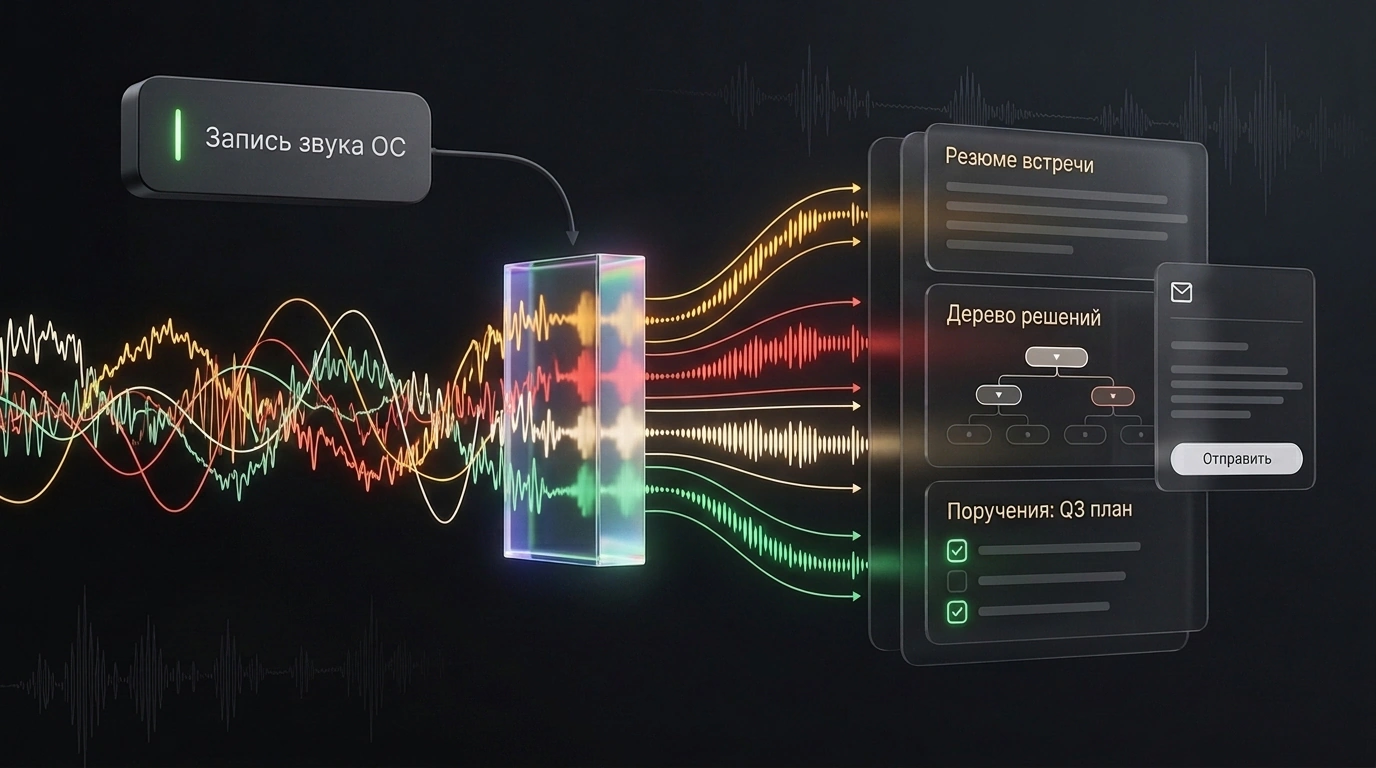
Automated ChatGPT Meetings assistant with system audio capture and action-item tree generation.
ArticleAIAutomationEfficiencyChatbots

ChatGPT Meeting Assistant: Automatic Notes, Action Items, and Calendar Integration

Tired of typing up notes after every call or annoying teammates with third-party recording bots in Zoom? OpenAI has launched a built-in answer to that routine.

The macOS ChatGPT app now includes Record Mode and ChatGPT Meetings. It captures system audio directly without joining as a bot, working just as well for video calls as for in-person conference room chats. You get a decision log, assigned action items, and a ready-to-send follow-up email.

Read the article to see how the assistant works and why standalone note-taking apps are facing tough competition.

👍 0
Julian Goldie SEOThe AI AdvantageOpenAI Help: ChatGPT Desktop Record Mode and Meetings
October 13
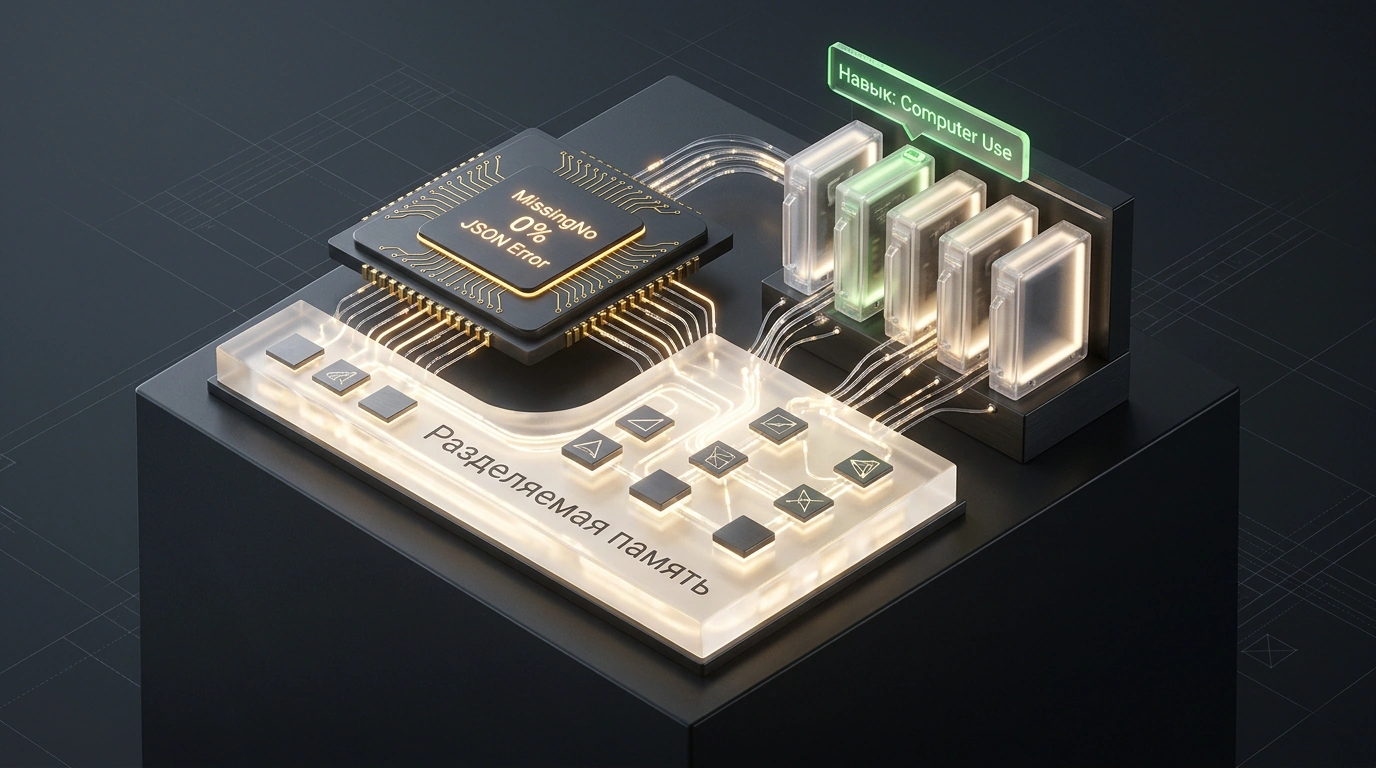
Hermes Agent ecosystem architecture featuring a shared memory bus, the local MissingNo model, and a system skills library.
Thematic roundup3 sectionsAIAI AgentsOpen SourceDevelopment

Hermes Agent Ecosystem: Shared Memory, Local MissingNo Weights, and System Control Skills

Want to run a reliable team of AI agents on your own hardware, without subagents forgetting context or cloud token bills skyrocketing? Nous Research has released a strong open-source answer.

The updated Hermes Agent ecosystem ties together three pieces: a LanceDB-backed shared memory bus to sync facts across agents, a compact stealth model called MissingNo for rock-solid tool calling, and an open library of system skills built on the agentskills.io standard with Computer Use support.

Read the roundup to inspect the shared memory schema and see how to run a truly autonomous agent pipeline without relying on the cloud.

👍 0
Julian Goldie SEONous Research Hermes Architecture Portal
October 13