Issue October 14Daily digest · 16 items
In this issueReviewed 36 sources, gathered 16 items
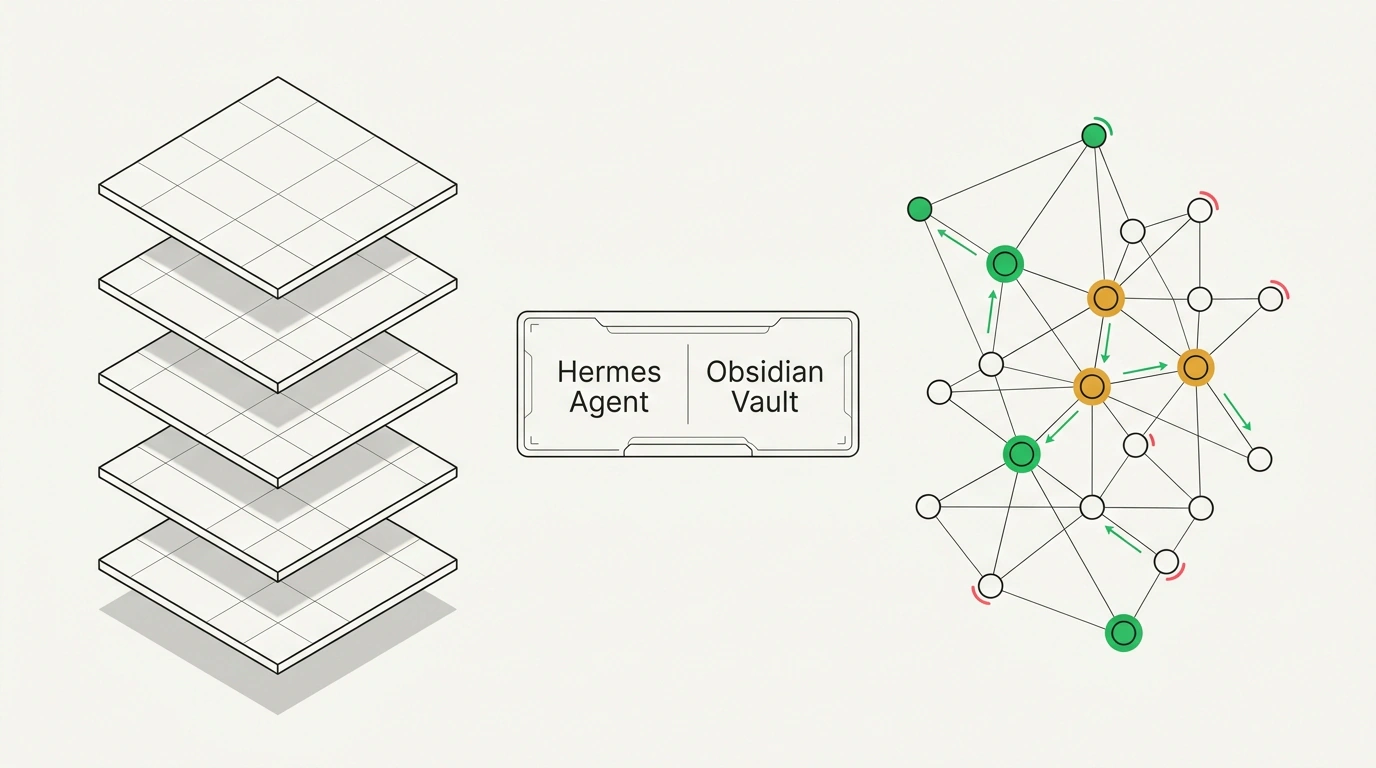
Five-layer memory stack of Hermes agent with an Obsidian note graph
ArticleAIAI AgentsAutomationObsidian

Infinite Memory for AI Agents: How to Connect Hermes and Obsidian Into One System

Autonomous AI agents often suffer from 'goldfish memory.' Every new session starts from a blank slate, forcing you to explain your context and tasks all over again.

A five-layer memory stack built with Hermes Agent and a local Obsidian vault solves this. By separating working memory, an active scratchpad, a long-term note base, an episode log, and an entity graph, the agent recalls past actions instantly. Context lookup drops from several minutes to fractions of a second.

Let's break down the integration architecture, file exchange setup, and ways to prevent parallel write conflicts.

👍 0
Julian Goldie SEONousResearch / hermes-agent GitHub Repository
October 14
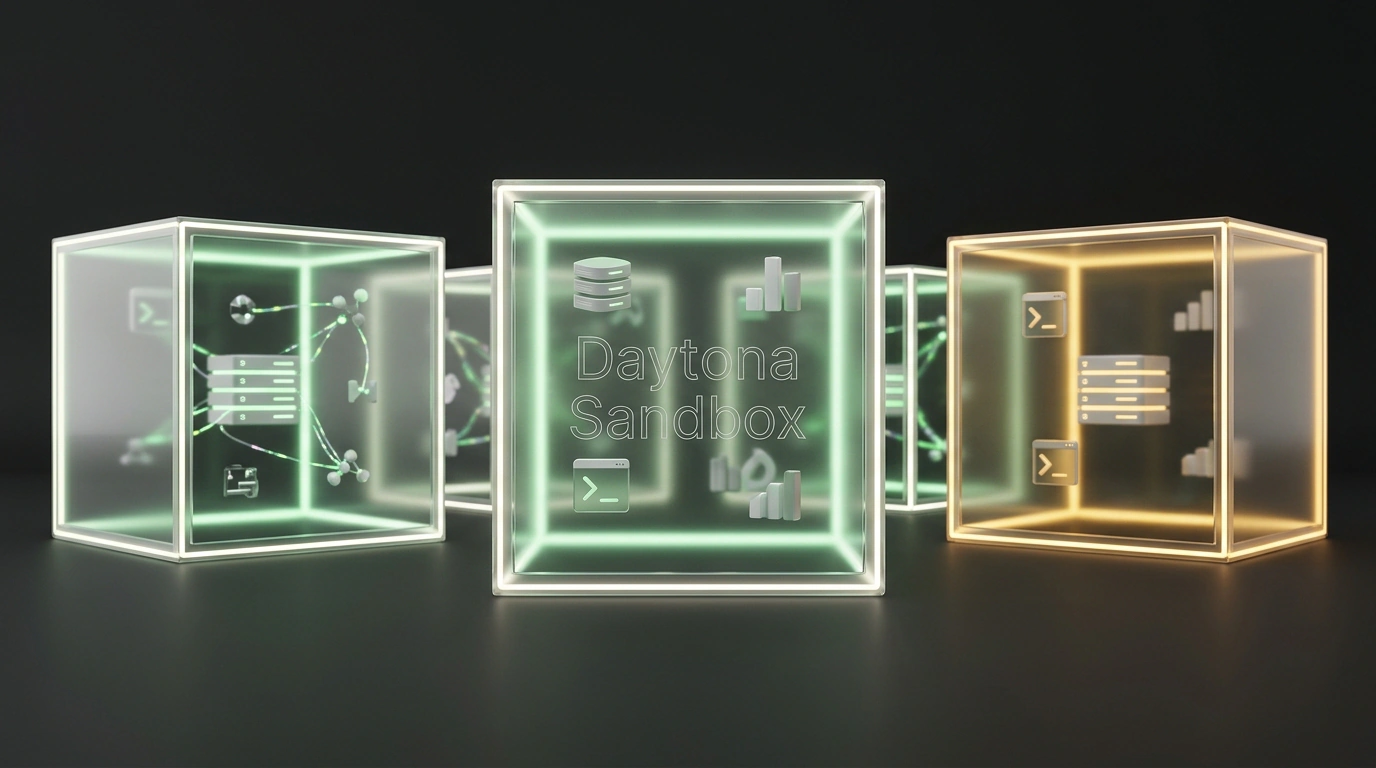
Isolated cloud sandboxes in Daytona for autonomous Hermes Agent OS agents
ArticleAIAI AgentsDevelopmentContainers

A Computer for Every Agent: Daytona Isolation and Cloud Environments for Hermes Agent OS

Giving an autonomous agent direct terminal access on your work laptop is a fast track to deleted files and broken dependencies.

The Daytona for Hermes Agent OS architecture isolates each digital worker in its own cloud container with a dedicated filesystem, runtime, and network perimeter. The agent gets freedom to compile code, install packages, and run background tests, while you manage the fleet from a central web dashboard.

Here's how to configure a safe sandbox perimeter and exchange work files without exposing your host system.

👍 0
Julian Goldie SEODaytona - Open Source Development Environment Manager
October 14
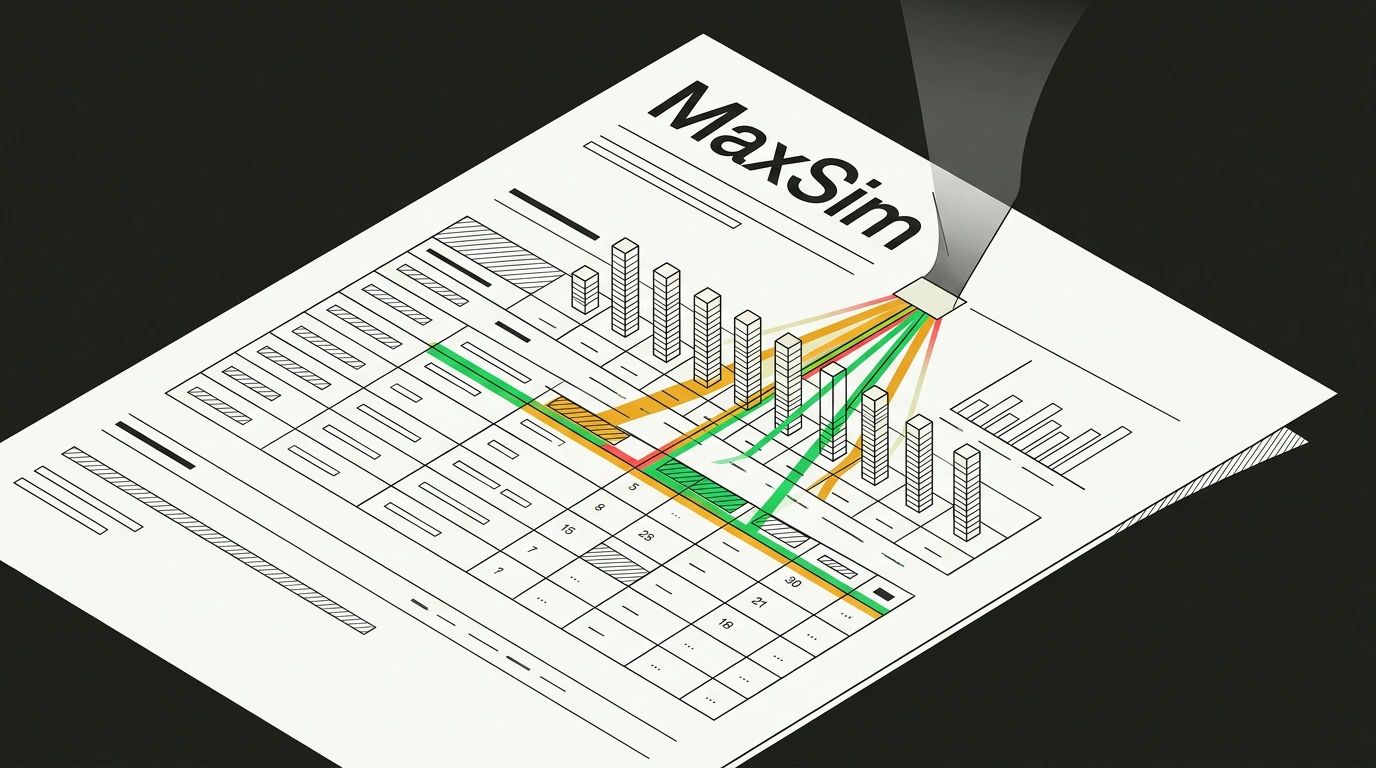
MaxSim multi-vector search diagram for pplx-embed-v2-late on a complex PDF table
ArticleAIRAGSearchEmbeddings

Searching Complex PDFs Without Losing Tables: Perplexity's pplx-embed-v2-late Model

Standard corporate PDF search pipelines throw away most of the meaning: tables collapse into flat text, and charts are ignored by text parsers.

Perplexity's new open-source pplx-embed-v2-late model solves this with late-interaction scoring. It encodes a document at the visual-token level and matches queries against multiple vector representations of each page. It outperforms classic embeddings five times its size and runs locally without sending sensitive files to external APIs.

We explore multi-vector scoring and show how to set up RAG for complex financial reports.

👍 0
Julian Goldie SEOPerplexity AI pplx-embed-v2-late on Hugging Face
October 14
News · October 142 news items

OmniRoute Opens a Free Gateway to 230+ AI Providers for Claude Code and Cursor

Rate limits and empty credit balances in Claude Code and Cursor no longer have to stop your work. The open-source OmniRoute gateway runs as a local proxy and load-balances calls across 230+ model providers, including 90 free endpoints, keeping code generation running smoothly through any outage.

Git Pre-Commit Against Architecture Drift: Geoffrey Huntley's Strict Control for AI Agents

Rules in files like AGENTS.md fade over time due to AI context drift. Geoffrey Huntley found a fix: git pre-commit hooks that scan git diff for bypassed system libraries, block the commit, and immediately feed the agent an exact corrective prompt.

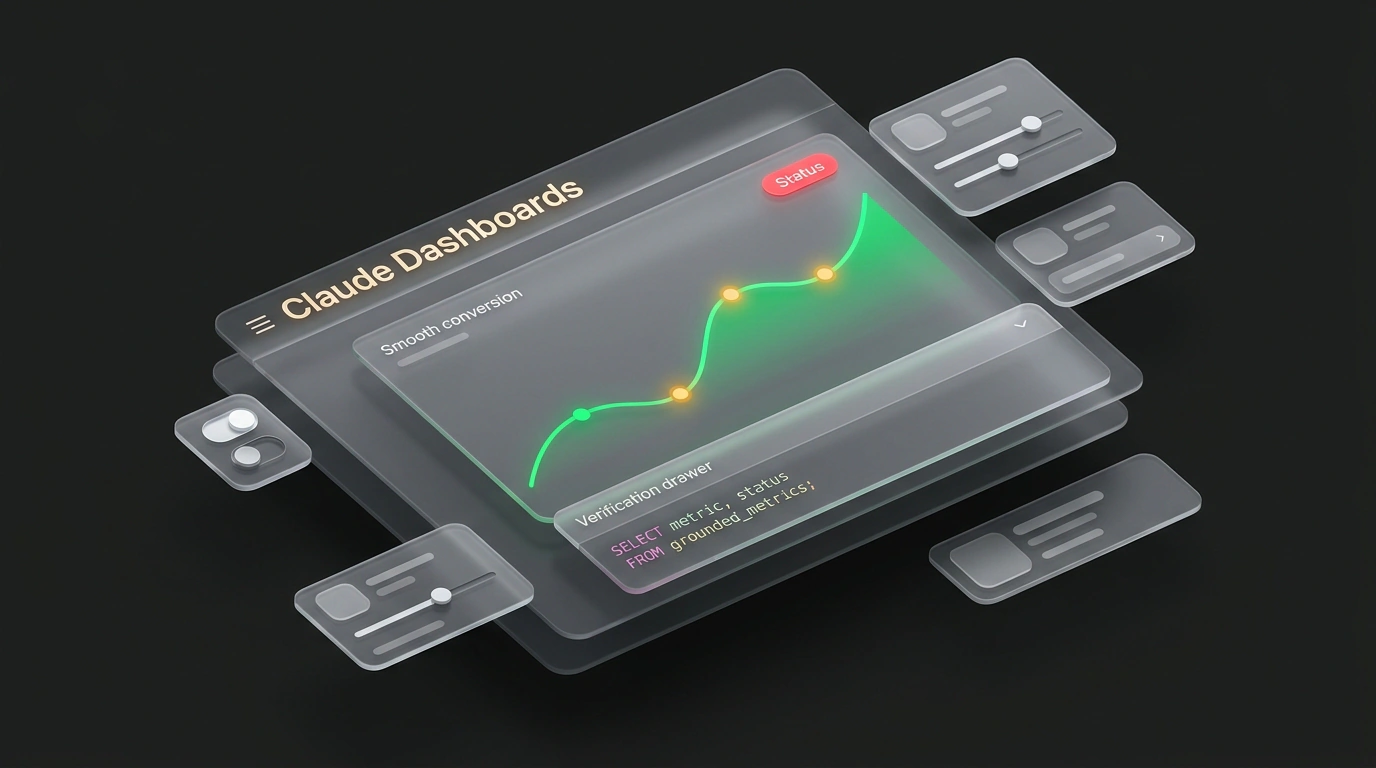
Interactive analytics console Claude Dashboards with verified SQL metrics
ArticleAILLMDashboardsAnimation

Interactive Dashboards and Code Animations: Claude Dashboards and Motion in Beta

Claude's artifact ecosystem now includes two powerful tools: Claude Dashboards and Claude Motion, turning AI chats into practical frontend apps.

Dashboards build interactive analytics panels tied directly to live data. Clicking any chart reveals the exact SQL query behind it, keeping numbers transparent. Meanwhile, Claude Motion generates vector explainers and animations in pure SVG and code, avoiding huge video files and diffusion artifacts.

Let's explore practical use cases for product calculators, analytics summaries, and high-converting landing pages.

👍 0
Julian Goldie SEOAnthropic Support: Claude Dashboards and Motion Documentation
October 14
Attention architecture blocks and one-million-token context of Meta Muse Wonder 4
ArticleAILLMBenchmarksMeta

Meta Muse Wonder and Wonder 4: Architecture, Benchmarks, and Capabilities of the New Flagships

Meta unexpectedly launched the Muse Wonder and Muse Wonder 4 frontier model family, built to compete head-to-head with top closed models.

On software engineering (SWE-bench) and complex reasoning benchmarks, the flagship Wonder 4 comes close to Claude 3.5 Sonnet and Opus. It shows strong skill at navigating large repositories and fixing multi-step bugs.

We compare independent tests by Matthew Berman and Julian Goldie, review the architectural changes, and check if these new models are ready for production developer pipelines.

👍 0
Julian Goldie SEOMatthew BermanArtificial Analysis: LLM Benchmark Leaderboard and Meta Model Tracking
October 14
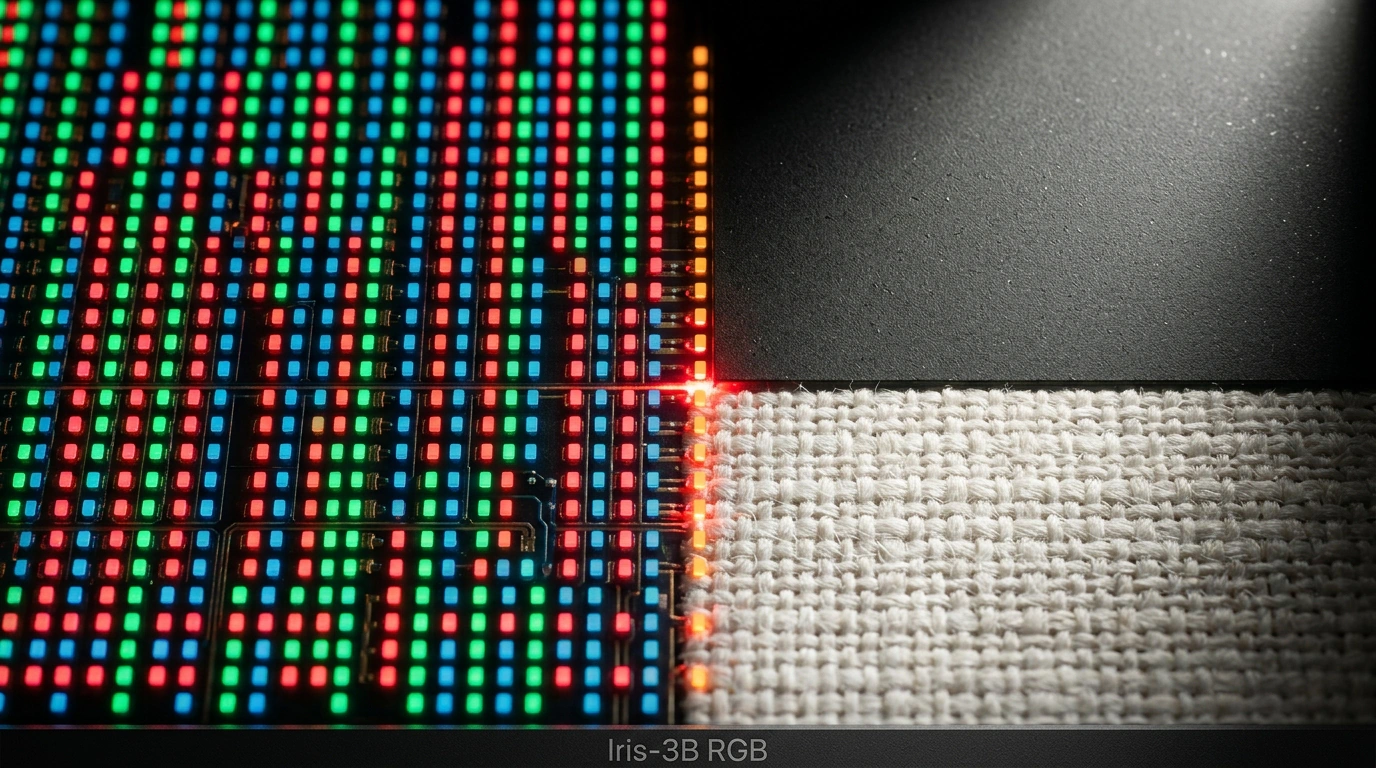
Macro shot of direct pixel synthesis without latent compression in Iris-3B
ArticleAIOpen SourceImage Generation

Generation Without Latent Space: The Open-Source Pixel Model Iris-3B

Most popular image generators work in latent space: an autoencoder compresses pixels, and diffusion generates hidden features. That inevitably blurs fine details and mangles text.

The open-source Iris-3B model breaks that pattern by synthesizing 1024×1024px frames directly in pixel space. At a compact 3 billion parameters, it produces clean textures without VAE artifacts and handles 4x upscaling and restoration in a single pipeline.

We evaluate the architecture's trade-offs, consumer GPU benchmarks, and the future of moving past latent diffusers.

👍 0
Julian Goldie SEOIris-3B Pixel-Space T2I Model on GitHub (speridlabs)
October 14
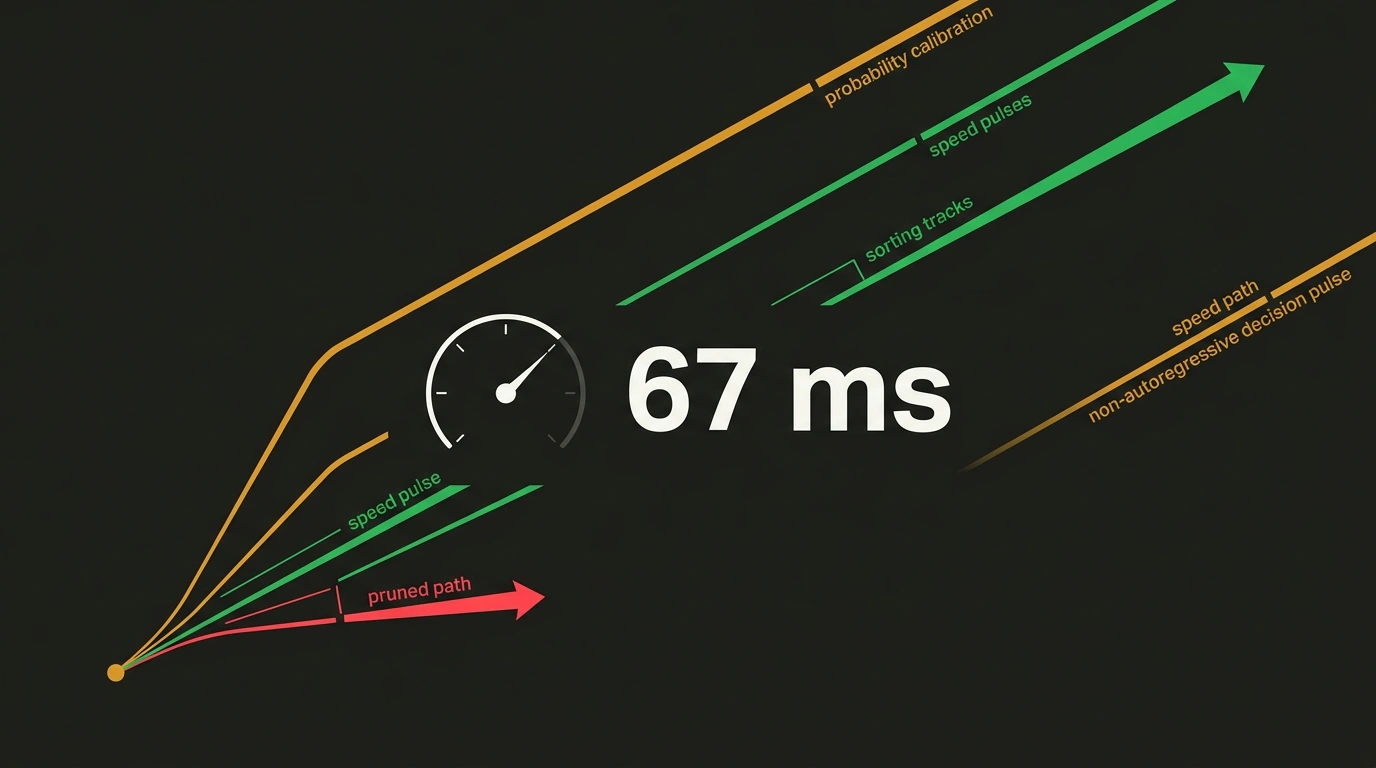
Ultra-fast diffusion decision routing in 67 milliseconds with Celeris-1 Decision
ArticleAIAI AgentsAutomationRouting

Decisions in 67 Milliseconds: Launching the Ultra-Fast Celeris-1 Decision Model

While general-purpose LLMs take 1–3 seconds to make a simple binary choice, complex agent chains lose responsiveness and rack up huge API bills.

Startup Celeris AI offers an alternative: Celeris-1 Decision, a specialized model for instant routing with just 67 ms latency—faster than the 150–400 ms it takes a human eye to blink. Trained to output calibrated probabilities (Brier score) in three strict formats (no action, choice selection, or scoring), it also offers free output tokens.

Here's how to move ticket triage and agent routing onto an ultra-fast microcontroller instead of heavy language giants.

👍 0
Julian Goldie SEOCeleris AI System One Decision Models Documentation
October 14
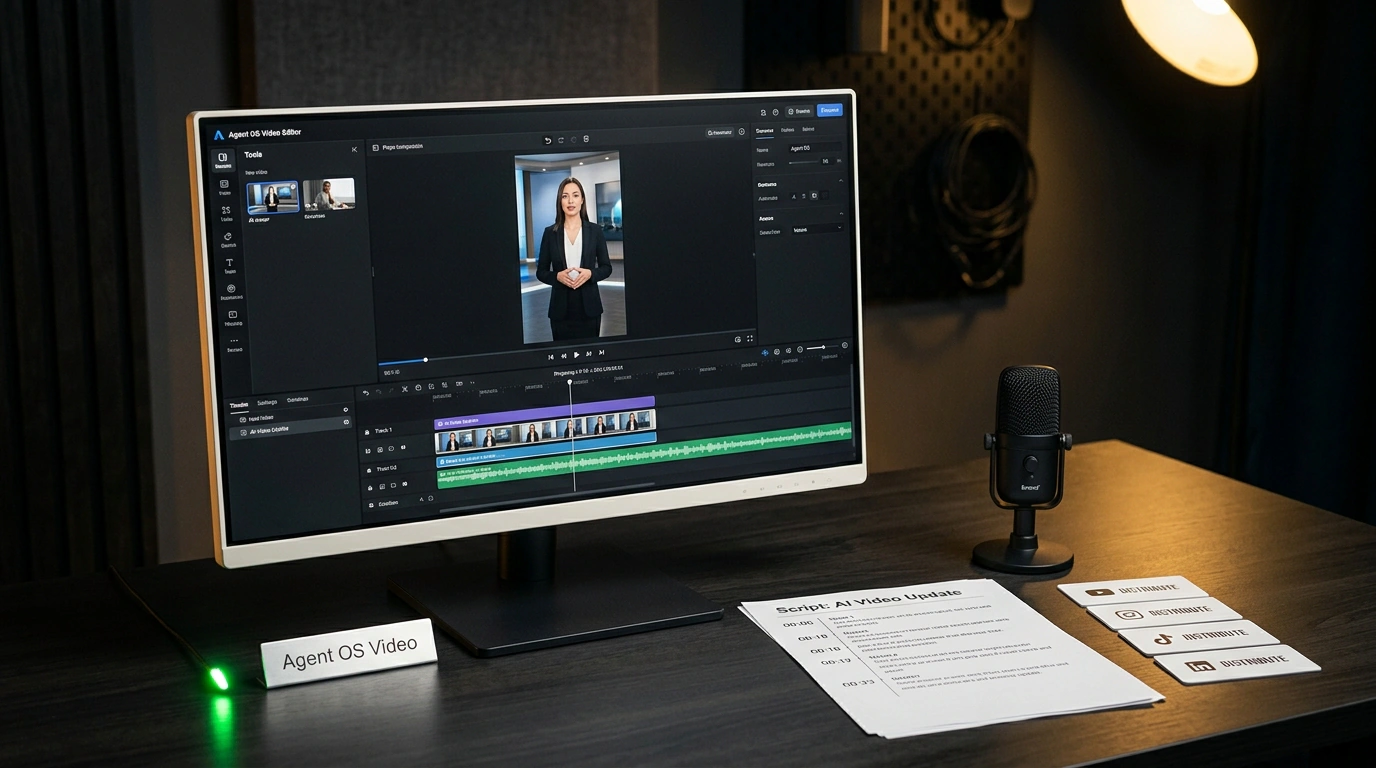
Autonomous video marketing pipeline connecting Claude, HeyGen, and Blotato MCP
ArticleAIAutomationVideo ProductionSMM

Video Marketing Pipeline in Agent OS: Connecting Claude, HeyGen API, and Blotato MCP

Trying to build end-to-end video marketing in no-code tools like n8n often turns into a spaghetti mess of triggers that breaks whenever a social platform tweaks its layout.

In Agent OS, the same workflow runs on specialized components: Claude writes scripts and storyboards, HeyGen API renders photorealistic digital avatars, and Blotato MCP handles cross-platform posting and feeds view and engagement metrics back into the agent's context.

We walk through the pipeline architecture, MCP tool wiring, and practical rules to keep accounts safe from anti-spam filters.

👍 0
Julian Goldie SEOBlotato MCP Server and Social Distribution Protocol
October 14
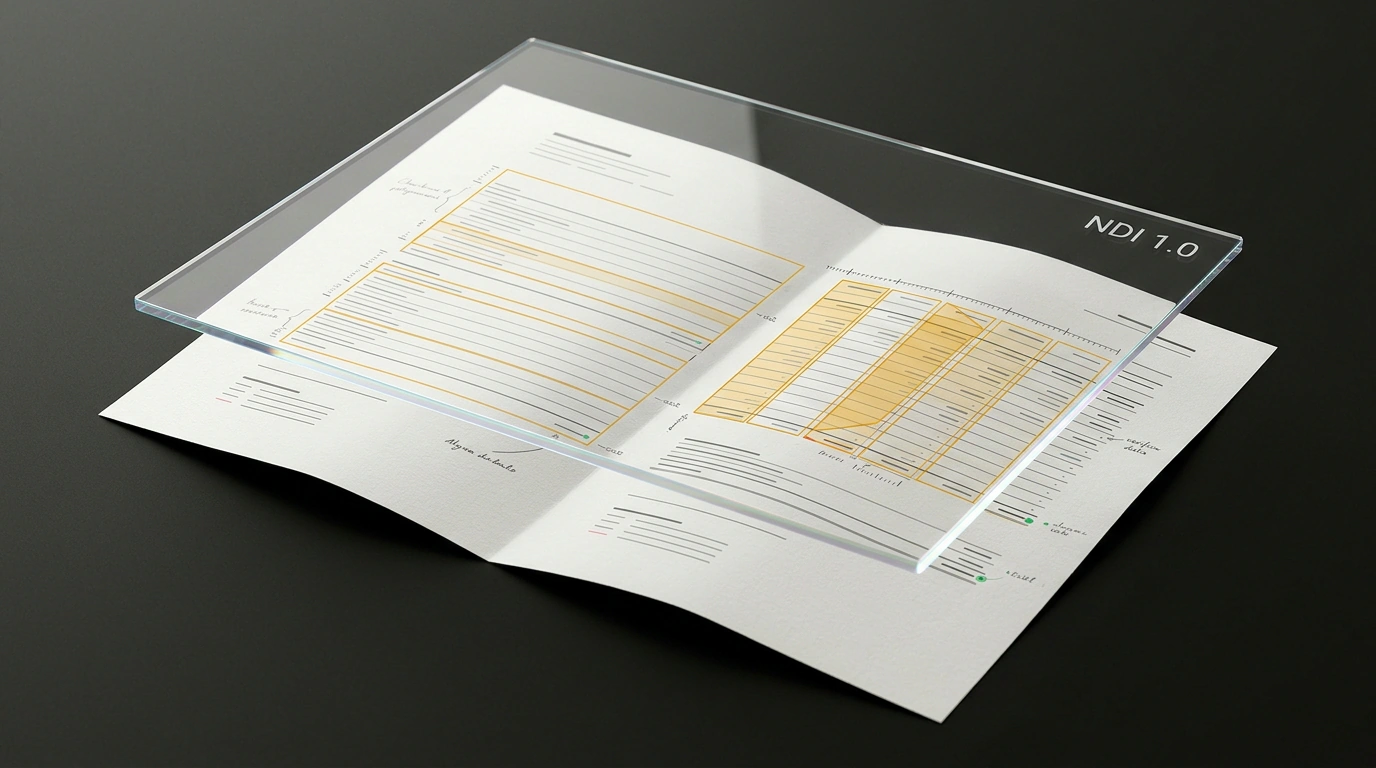
Neural Document Intelligence NDI 1.0 with exact coordinate grounding to scanned pages
ArticleAIDataDocumentsAnalytics

Neural Document Intelligence: How NACE.AI's NDI 1.0 Beats GPT Astra at Data Parsing

Feeding multi-page financial statements and legal contracts to general-purpose multimodal models is expensive and unreliable. Missed footnotes and shifted columns remain constant headaches.

NACE.AI's specialized NDI 1.0 (Neural Document Intelligence) model is built specifically for complex documents. In tests extracting nested tables and handwritten edits, it outperformed flagship GPT Astra while using 10x less compute per page thanks to optimized OCR-token alignment.

We break down how this specialized parser works, its accuracy benchmarks, and how to integrate it into corporate workflows.

👍 0
Julian Goldie SEONACE.AI Neural Document Intelligence Platform (NDI 1.0)
October 14
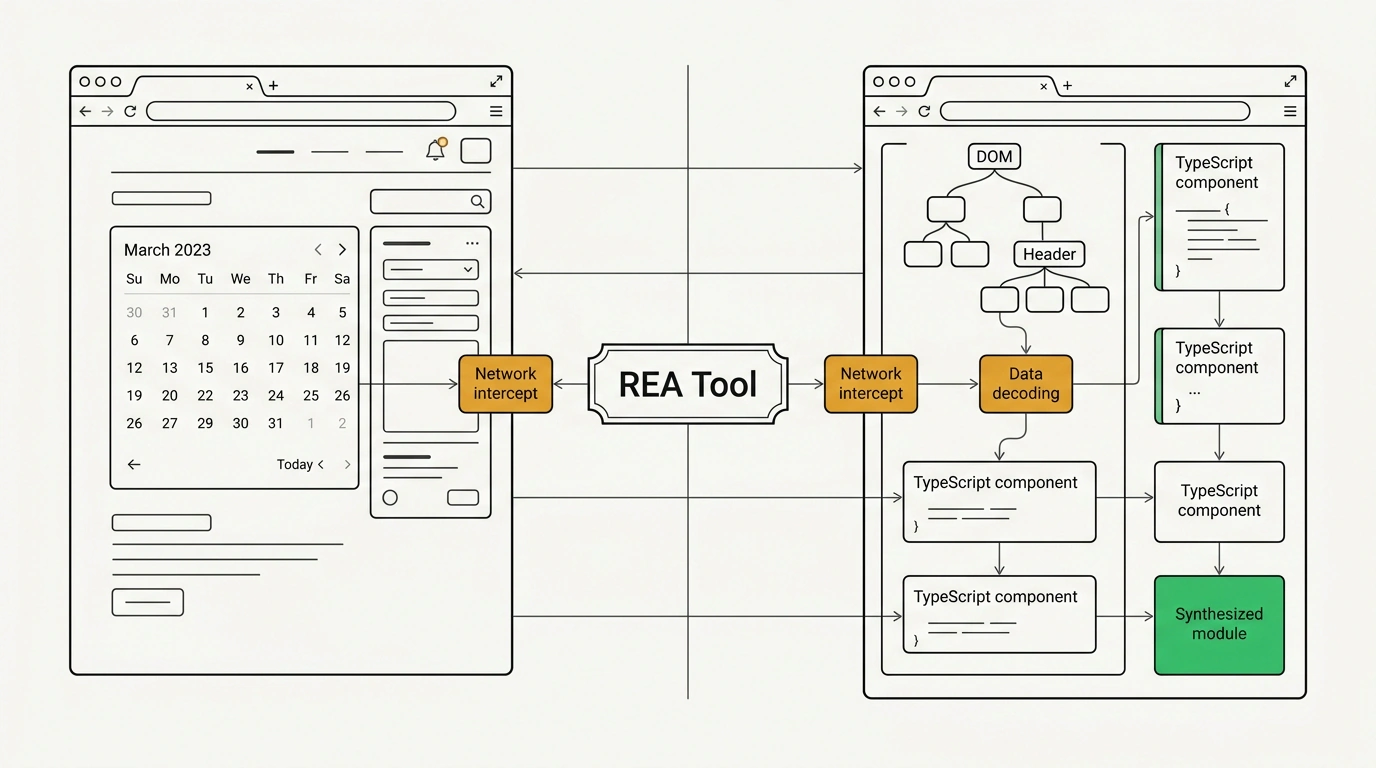
Reverse engineering a web component with Reverse Engineer Anything in Claude Code
ArticleAIDevelopmentReverse EngineeringOpen Source

Reverse Engineer Anything: An Open-Source MCP Tool for Cloning Apps in Claude Code

The viral Reverse Engineer Anything (morluto/rea) repo takes AI-assisted reverse engineering to a new level, letting Claude Code agents decompile web app logic from behavior alone.

Instead of guessing architectures blindly, the agent follows a five-step protocol: capturing user flows, extracting artifacts, mining hidden API strings, decoding data structures, and generating clean working code. Experiments by Nate Herk and Julian Goldie recreated a calendar widget and a Loom-style screen recorder in just a few prompts.

We cover skill setup, where the method shines, and the inevitable walls you hit with obfuscated code.

👍 0
Julian Goldie SEONate HerkReverse Engineer Anything (morluto/rea) on GitHub
October 14
Synthesizing a bottle with a native transparent background from ten references in Qwen Image 2.1
ArticleAIDesignImage Generation

Transparent Backgrounds and 10 References: Capabilities of Multimodal Qwen Image 2.1

Building e-commerce product cards and ad creatives usually meant manual background removal and hours of style matching.

Alibaba's new Qwen Image 2.1 (7B) combines generation and pixel-level editing with native alpha-channel transparency, outputting ready-to-use PNG objects with no stray shadows. It also supports conditioning on up to 10 reference images, keeping characters and brand identity consistent across frames.

We evaluate the fast 8-step Turbo mode, text rendering quality, and practical value for e-commerce sellers.

👍 0
Julian Goldie SEOQwen-Image Official Architecture and Documentation
October 14
Content production pipeline of five autonomous bots in Grok Bot
ArticleAIAI AgentsContent MarketingAutomation

Five Bots in One Harness: Kieran Flanagan's Content Pipeline in Grok Bot

Dumping content writing onto a single generic ChatGPT prompt inevitably produces bland, watery copy with zero voice.

Marketer Kieran Flanagan shared an alternative built in Grok Bot: a five-bot team handling trend monitoring, idea ranking against a creator.md file, deep fact-checking, and final script drafting. Connected to the Monid tool hub, the agents scrape social platforms under a strict $2-per-topic budget cap and cross-check drafts with automated evals.

We break down his taste manifests, role isolation rules, and lessons from building an autonomous content factory.

👍 0
Kieran FlanaganxAI Grok Bot Official System Architecture
October 14
Roast Room virtual board of directors with seven debating agents in Claude Code
ArticleAIAI AgentsManagementDecision Making

A Board of Directors in Claude Code: The Roast Room Skill With Seven Debating Agents

Making strategic calls alone is risky, and assembling a live advisory board for every idea is slow and expensive.

Nate Herk created the open-source Roast Room skill for Claude Code, simulating a closed boardroom of seven subagents modeled on famous entrepreneurs (Jeff Bezos, Warren Buffett, Alex Hormozi, and others). The agents debate one another fiercely, attack weak spots in your business model from opposing angles, and deliver a weighted scorecard verdict.

We cover the role-prompt architecture, how the skill uncovers hidden risks, and how to frame questions for the board.

👍 0
Nate HerkClaude Code Subagents and Skills Documentation
October 14
Seven-step framework for auditing and automating operational routine in Claude Code
ArticleAIAutomationProductivityManagement

A Week Managed by Claude Code: 7 Steps to Audit and Automate Business Routine

Most AI adoption efforts fail because leaders try to automate chaos without knowing where their team's time actually goes.

Entrepreneur Nick Saraev tested handing operational tasks over to Claude Code and turned the experience into a 7-step framework: automated screen audits with short contextual check-ins, task decomposition, strict quality benchmarks (an 8-out-of-10 minimum threshold), and packaging reliable flows into reusable CLI skills.

Here's how to tell which processes are ready for autonomy and where a human still has to stay in charge.

👍 0
Nick SaraevAnthropic Claude Code Overview and Workflows
October 14