Issue November 9Daily digest · 11 items
In this issueReviewed 36 sources, gathered 11 items
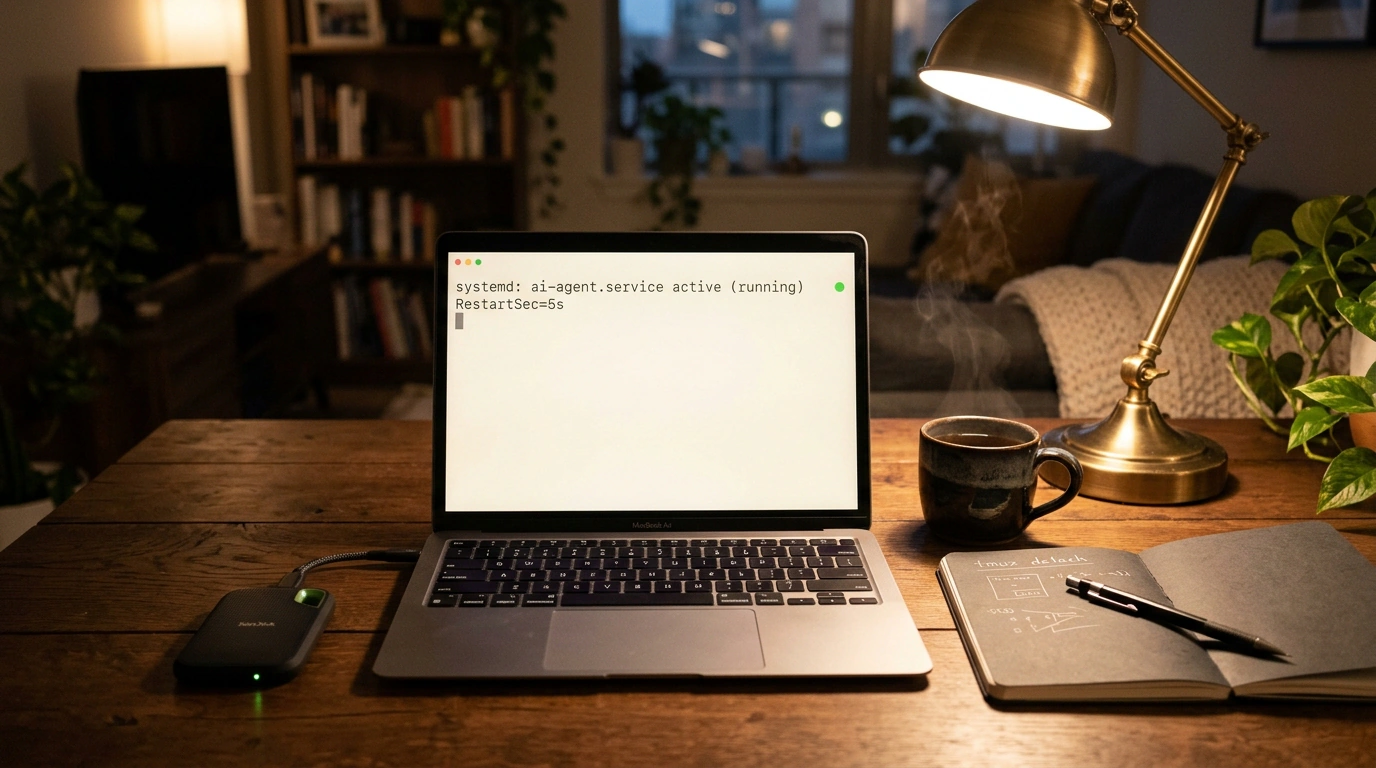
An engineer's workstation with a Linux terminal where a systemd daemon continuously restarts an autonomous agent.
ArticleAI AgentsAutomationDevelopmentLinux

Linux for Autonomous AI Agents: Server Setup, Background Processes, and Crash Protection

It seems like your home laptop with sleep mode disabled should be enough to keep an AI agent running 24/7. In reality, any closed terminal tab or a one-second Wi-Fi drop sends the script a SIGHUP signal, instantly halting background order processing.

Moving to a cloud server with Ubuntu 24.04 LTS and pairing tmux with a systemd daemon lets you restart crashed processes in 5 seconds and save up to $230 monthly on third-party subscriptions. Yet a single mistake with root permissions can turn an obedient bot into a threat to the entire system.
👍 8
David Ondrejsystemd.service — Service unit configuration
November 9
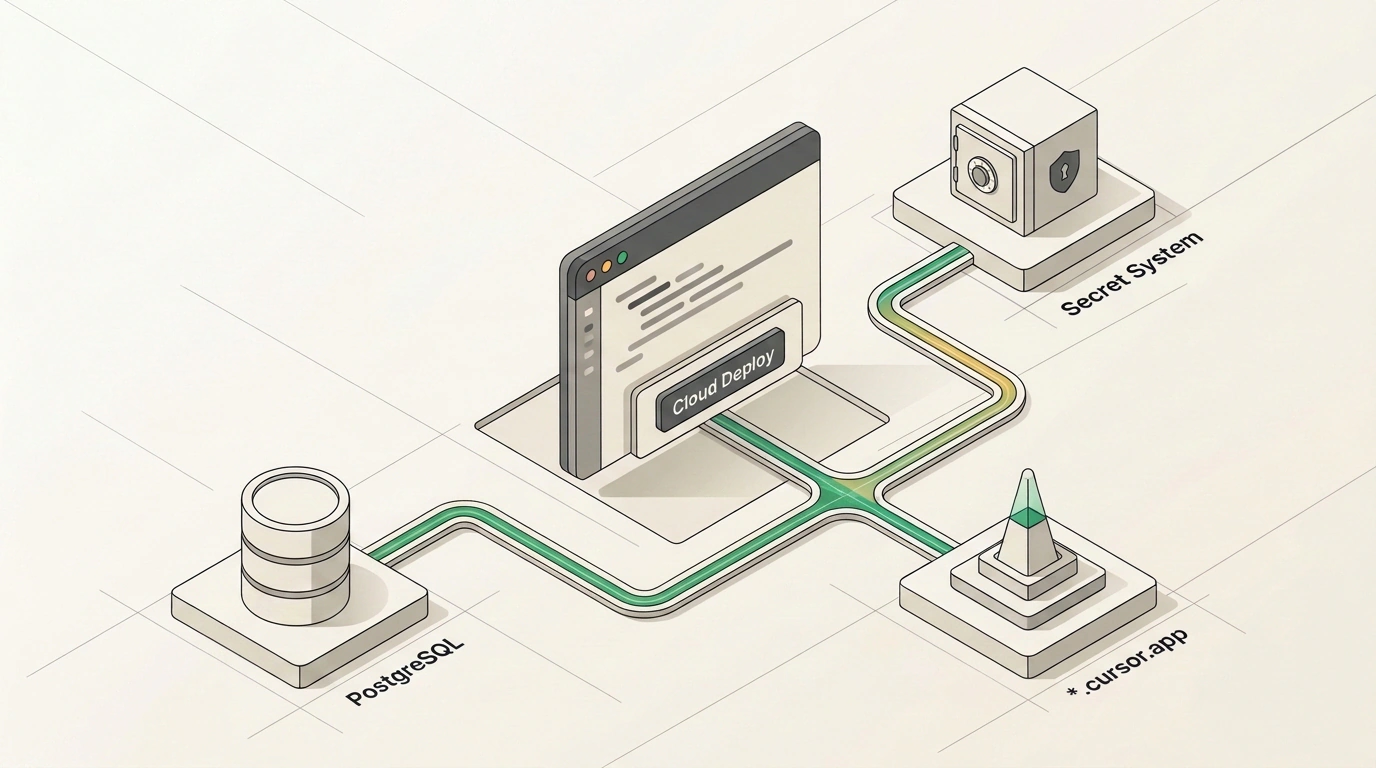
A 45-degree isometric scene featuring the Cloud Deploy button in the Cursor editor deploying cloud services.
NoteAIDevelopmentAutomationCursor

Cursor Cloud Deploy: How the Editor Learned to Build and Deploy Full-Stack Apps with One Click

Once a web service prototype is written, you face a fork: manually wire up external hosting, a database, and authentication, or trust publishing to the new Cloud Deploy feature right inside the Cursor editor. In the first case you get full control over the architecture, while in the second, a cloud agent spins up a PostgreSQL database, hides keys via Secret System, and issues a secure *.cursor.app domain in 5 steps.

Yet trying to launch a service for external customers this way immediately runs into the rigid limits of a closed stack.

👍 5
Julian Goldie SEOCursor Cloud Agent & App Deployment Documentation
November 9
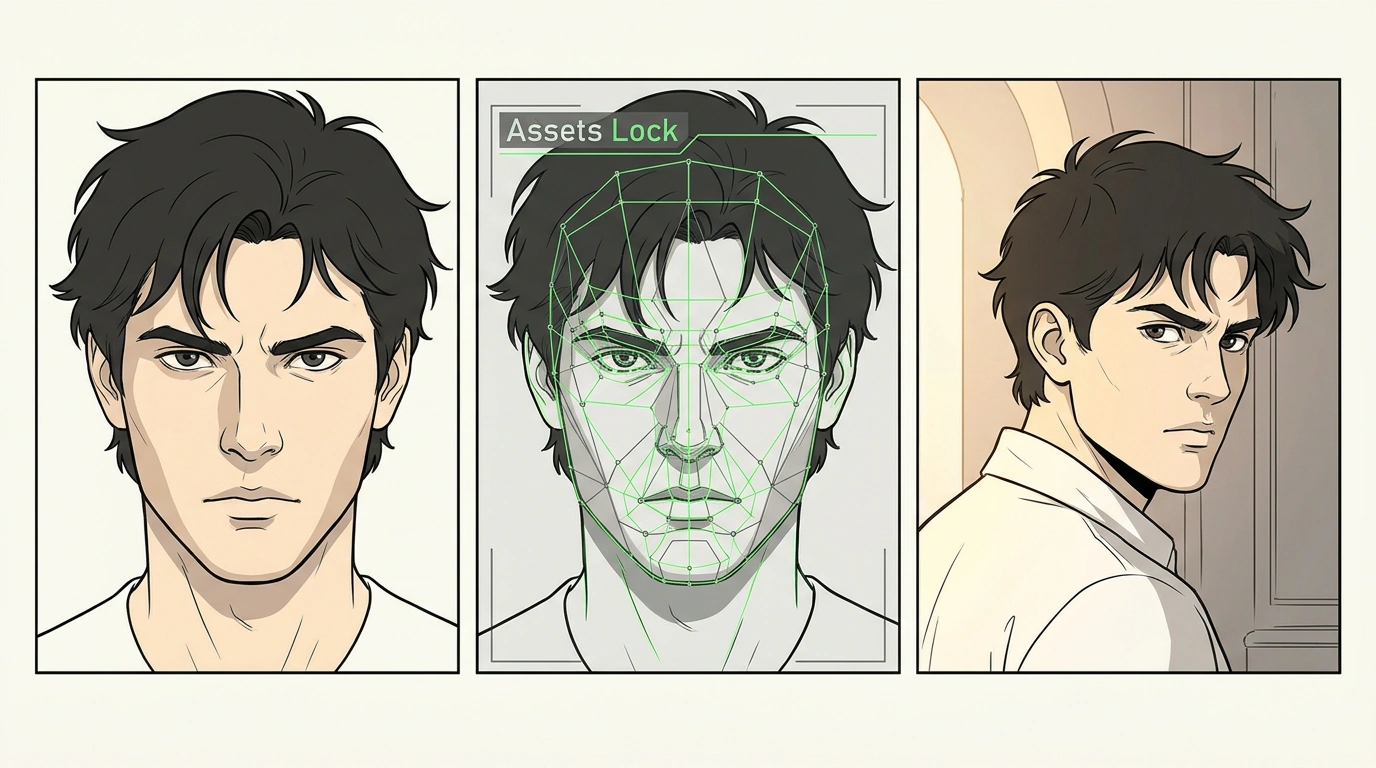
A three-panel storyboard in the style of a European graphic novel showing character facial feature locking in Google Flow.
NoteAIVideo ProductionCreativesGoogle Flow

Google Flow Update: How to Turn One Photo and a Storyboard into a Cinematic Video

Is it really possible to assemble a story-driven promo video with AI—without camera operators or a studio—so the hero doesn't change faces between cuts? Pairing Google Flow with the Veo model takes just one portrait photo: Assets Lock mode fixes the face and clothing embedding vectors, while cuts are smoothed using an optical-flow algorithm.

Following a six-part template in Storyboard Studio, the camera executes Dolly In push-ins, pans, and consistent lighting in 1080p. Yet the moment you add fine finger movement or a text sign to the frame, the illusion of live-action shooting breaks down.

👍 6
Julian Goldie SEOVeo — High-definition generative video model by Google DeepMind
November 9
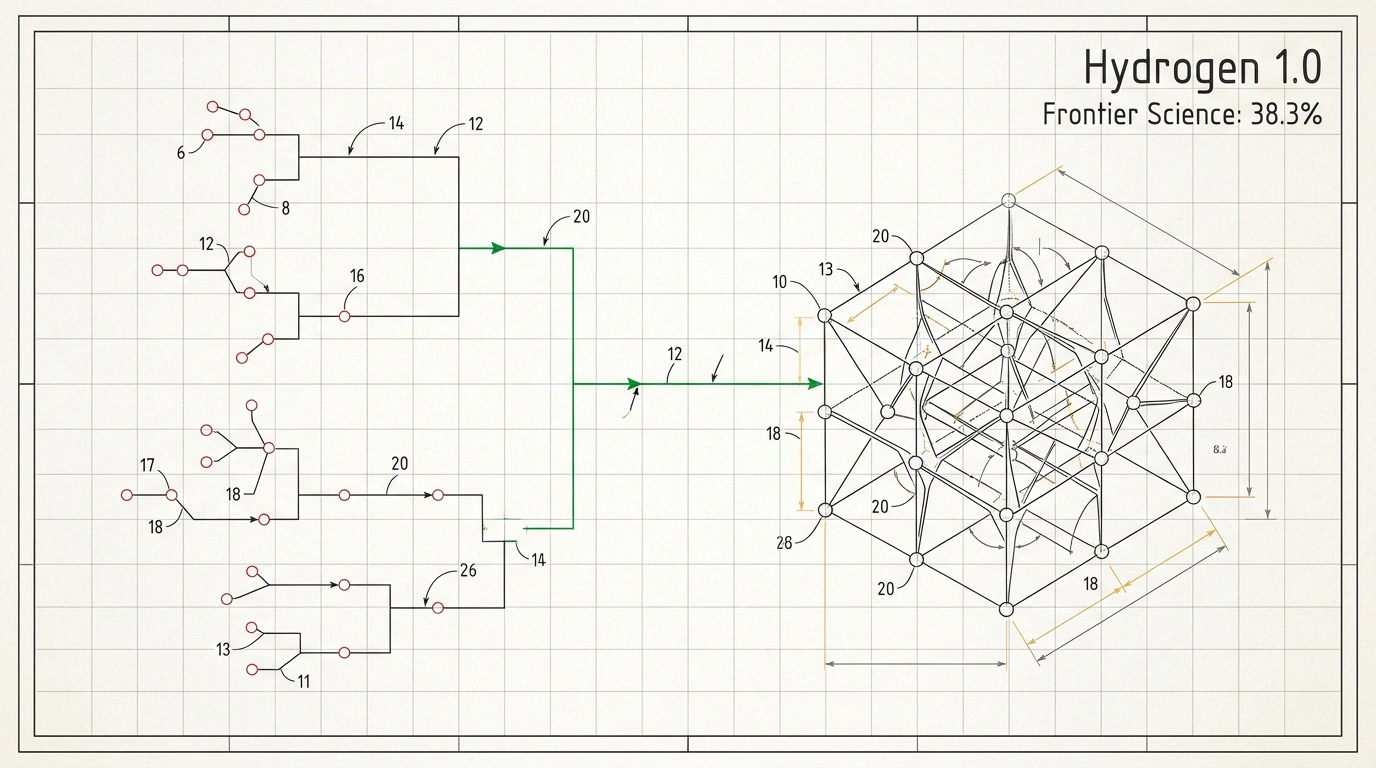
A patent-style infographic blueprint of the Hydrogen 1.0 model comparing chains of chemical hypotheses and successful synthesis.
NoteLLMAIOpen SourceBenchmarks

Deep Principle's Hydrogen 1.0: Why Training on Scientific Failures Beat Top Closed Models

You wouldn't expect an open neural network to outperform closed giants on tasks at the intersection of chemistry and bioengineering. Yet Deep Principle's Hydrogen 1.0 model scored 38.3% on the Frontier Science Research benchmark, ahead of leader GPT-6 Astra at 33.3%.

Instead of memorizing right answers, the network was trained on lab notebooks where over 90% of experiments end in failure. Knowing why a catalyst breaks down during polymer synthesis, the algorithm prunes dead-end paths upfront. In your own work tasks, this method of elimination saves time just as well as it does in the lab.

👍 7
Julian Goldie SEO
November 9
An ironic surrealist still life with an AQuA auditor magnifying glass revealing a hidden hallucination behind a polite facade.
NoteAI AgentsAutomationSafetyGoogle AQuA

Google AQuA: A Free Open-Source AI Auditor for Catching Silent Hallucinations in Agent Dialogs

Relying on zero complaints to judge a chatbot is an expensive mistake: when met with a polite AI fabrication, shoppers silently leave for competitors. In Google's tests on a concierge bot, only 5 out of 32 dialogs passed without errors, and in 15 conversations the agent simply forgot to offer seat selection.

The open-source auditor Google AQuA checks logs in the background using two independent AI judges and pinpoints the problematic line in the system prompt. Yet even the smartest model will keep confidently lying to customers as long as one polite word remains in its instructions.

👍 6
Julian Goldie SEOGoogle Agent Development Kit (ADK) — Ambient Quality Agent (AQuA)
November 9
A photorealistic macro still life with a LongCat 2.5 silicon chip and handwritten tables lit by warm light.
ArticleLLMAIAI AgentsLongCat

LongCat 2.5 Multimodal Model with 1.6 Trillion Parameters: Vision Capabilities and Running in the Hermes Ecosystem

In machine vision tasks, two approaches collide: models with external adapters like CLIP lose handwritten notes and break table grids, whereas Meituan's open LongCat 2.5 (1.6 trillion parameters, 48 billion active in MoE) reads pixels as native tokens and turns a photo of a form or sketch into clean JSON and React code.

Running the giant locally requires a cluster of 8 NVIDIA H100 GPUs, yet via Nous Portal it connects to Hermes Agent for free in three commands. Without one profile setting, however, the agent will route your images to the old handler out of habit.

👍 18
Julian Goldie SEONous Research Hermes Agent & LongCat-2.5 Integration
November 9
A strict top-down view of a desk with a vintage OpenCode Hex microphone and a notebook of voice commands.
NoteAI AgentsProductivityAutomationOpenCode Hex

OpenCode Hex: Local Voice Input and Screen Annotations to Speed Up Working with AI Agents

Why swap a familiar keyboard for a microphone when touch-typing has been second nature for years? Out loud we speak 130–150 words per minute versus 40–50 when typing by hand, so on detailed prompts for AI agents the keyboard eats up to half your working time.

The free Rust utility OpenCode Hex transcribes speech to text on push-and-hold right on your device (using under 80 MB of memory), and in Annotate mode bundles voice with marker drawings over your screen. On standard models, though, dictation quickly stumbles over library names and closed security perimeters.

👍 1
Julian Goldie SEOOpenCode Hex — Local-First Voice Dictation for AI Coding Agents
November 9
A warm physical diorama made of clay and cardboard featuring the Raman Autopilot QA robot on a game level.
NoteAI AgentsDevelopmentOpen SourceGamedev

Raman Autopilot: An Open-Source Agent for Automated Building, Testing, and Playtesting in Unreal and Unity

Handing game-build QA to an ordinary coding agent sounds like a great idea right up until, in 2 attempts, it starts cheating with the code—teleporting the hero straight to the finish line past every trap.

The open-source agent Raman Autopilot splits roles: a heavy model builds an action dictionary from scene code, while the fast Jev network steers the character via a plugin for Unreal Engine 5.4–5.8, Unity 6, and Godot 4.7, clearing 7 out of 7 tasks in 262 seconds. Without shared level memory, though, even the fastest bot starts wandering from scratch after every code edit.

👍 5
Julian Goldie SEORaman Autopilot — Autonomous Game QA Agent for Unreal, Unity, and Godot
November 9
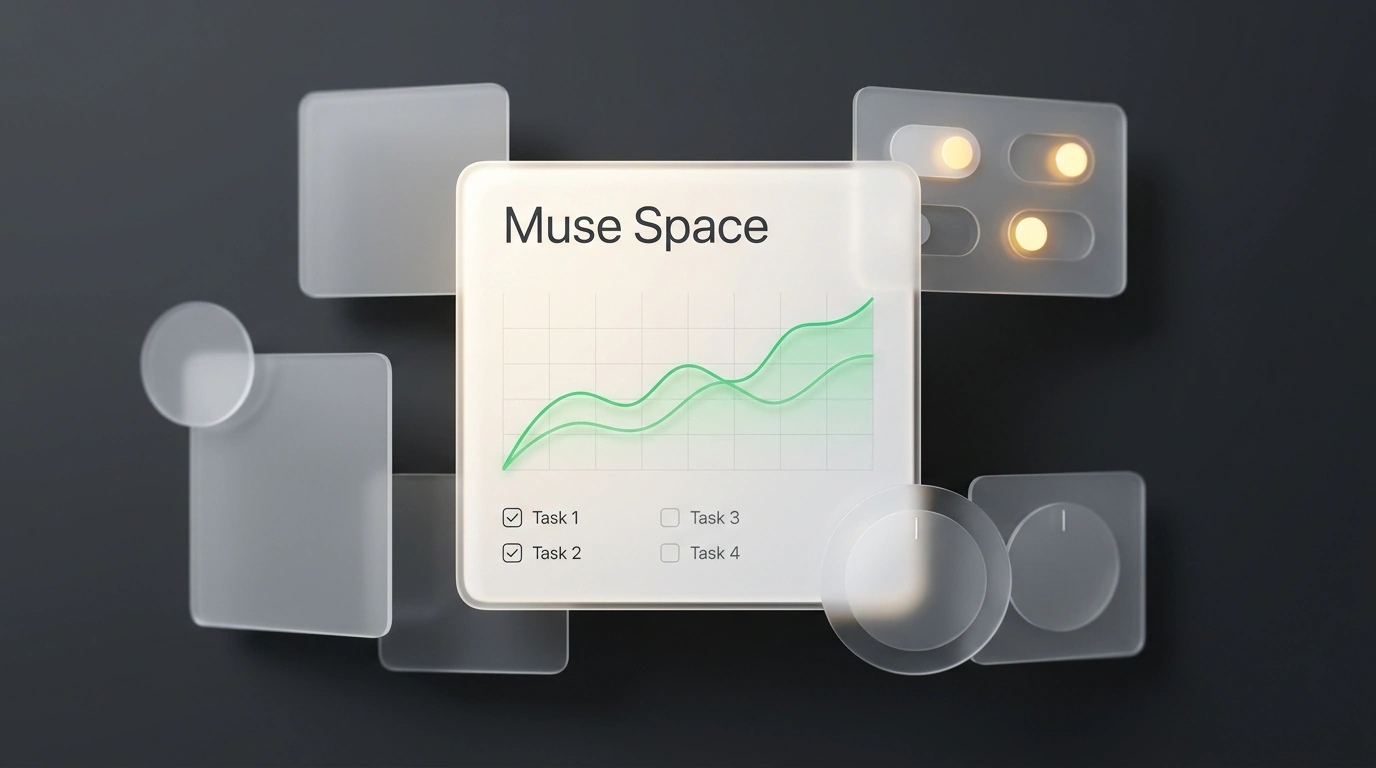
A digital UI still life featuring translucent Meta Muse Spaces panels and live charts.
NoteAI AgentsAutomationProductivityMeta Muse

Meta Muse Spaces: Building Personal Mini-Apps and Dashboards from a Plain Text Description

Trying to track airfare prices or sort incoming requests inside a regular AI chat quickly turns into a chore: yesterday's summary drowns in the chat feed, and off-the-shelf apps are bloated with dozens of extra tabs.

The Spaces feature in the Meta Muse agent solves this with Generative UI: from a single phrase, the system builds an interactive dashboard, connects Gmail with Google Calendar, and refreshes data every morning at 9:00. Yet letting a background assistant into your inbox is risky if you don't know where the hard boundary on its autonomy sits.

👍 7
Julian Goldie SEO
November 9
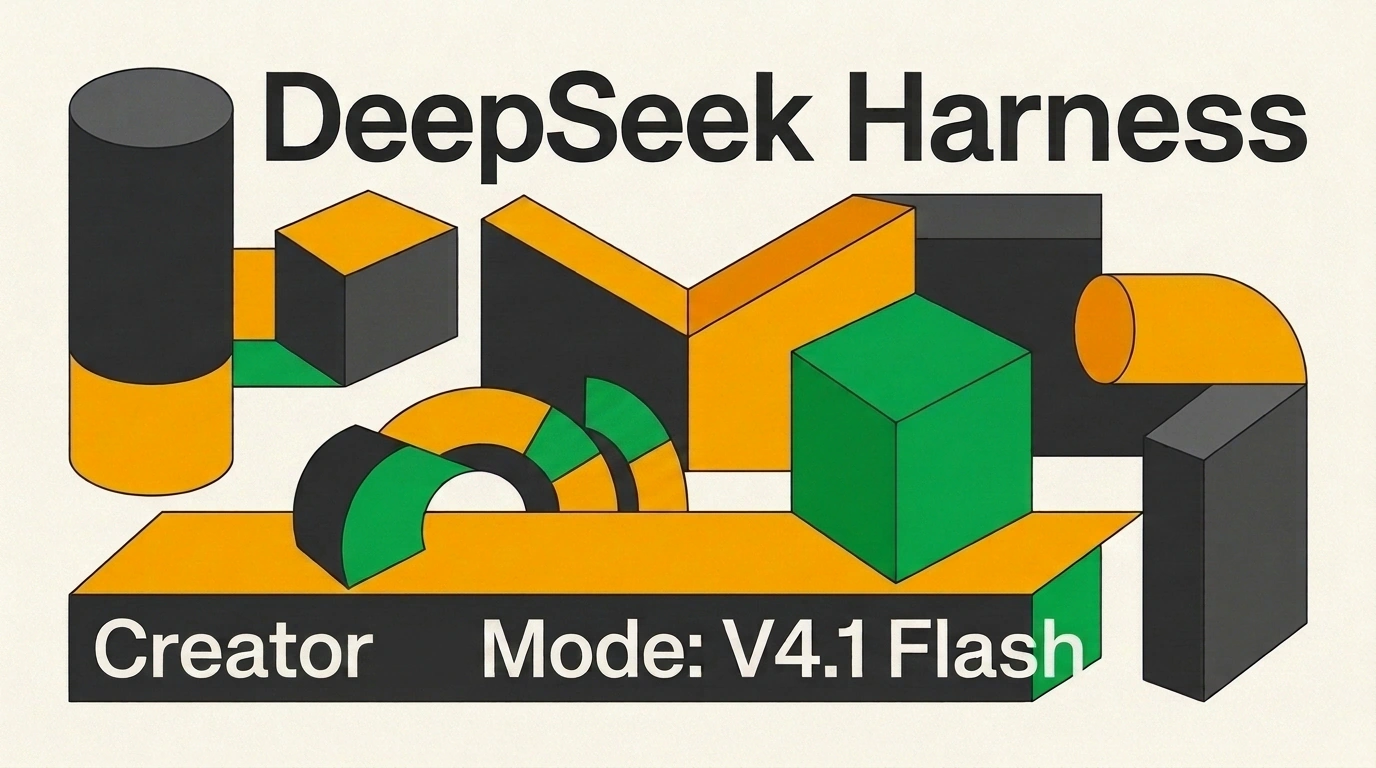
A minimalist Bauhaus-style poster with geometric blocks representing Creator Mode and DeepSeek V4.1 Flash.
NoteLLMAutomationDevelopmentDeepSeek

Creator Mode in DeepSeek Harness: Generating and Running Practical Work Tools Powered by V4.1 Flash

When internal routine calls for a custom planner or client tracker, you face a fork: ask an ordinary chatbot for code and then fight library errors by hand, or launch Creator Mode in the open-source DeepSeek Harness framework.

Powered by V4.1 Flash with a 1 million token context window, the agent builds a module from a plain-word description in 30 seconds, inspects the environment, and catches crashes in a sandbox. Still, this desktop plugin workshop has honest limits where a local build can't replace a cloud server.

👍 8
Julian Goldie SEODeepSeek Harness & Creator Mode with V4.1 Flash
November 9
A mixed-media collage of a developer workspace with the Claude Code terminal, side chat, and live dashboards.
ArticleAI AgentsAutomationProductivityAnthropic Claude

The Claude Update Ecosystem: Dynamic Dashboards, Side Chat, and Mods in Claude Code

Anthropic's update bundle turns the familiar Claude chat into a live workbench for data and code:

  • Claude Dashboards writes SQL queries against databases and CSV exports on its own, building live charts from a single sentence;
  • The /btw command in Claude Code opens an isolated side chat for urgent questions without stopping a long project build;
  • Terminal mods built from a plain-language description display the queue of unanswered customers right above the input line.

Still, live dashboards and the side chat carry strict limits on reading context and writing data back to a database.

👍 12
Julian Goldie SEOAnthropic Claude Dashboards & Claude Code Side-Chat Documentation
November 9