Issue November 23Daily digest · 14 items
In this issueReviewed 31 sources, gathered 14 items
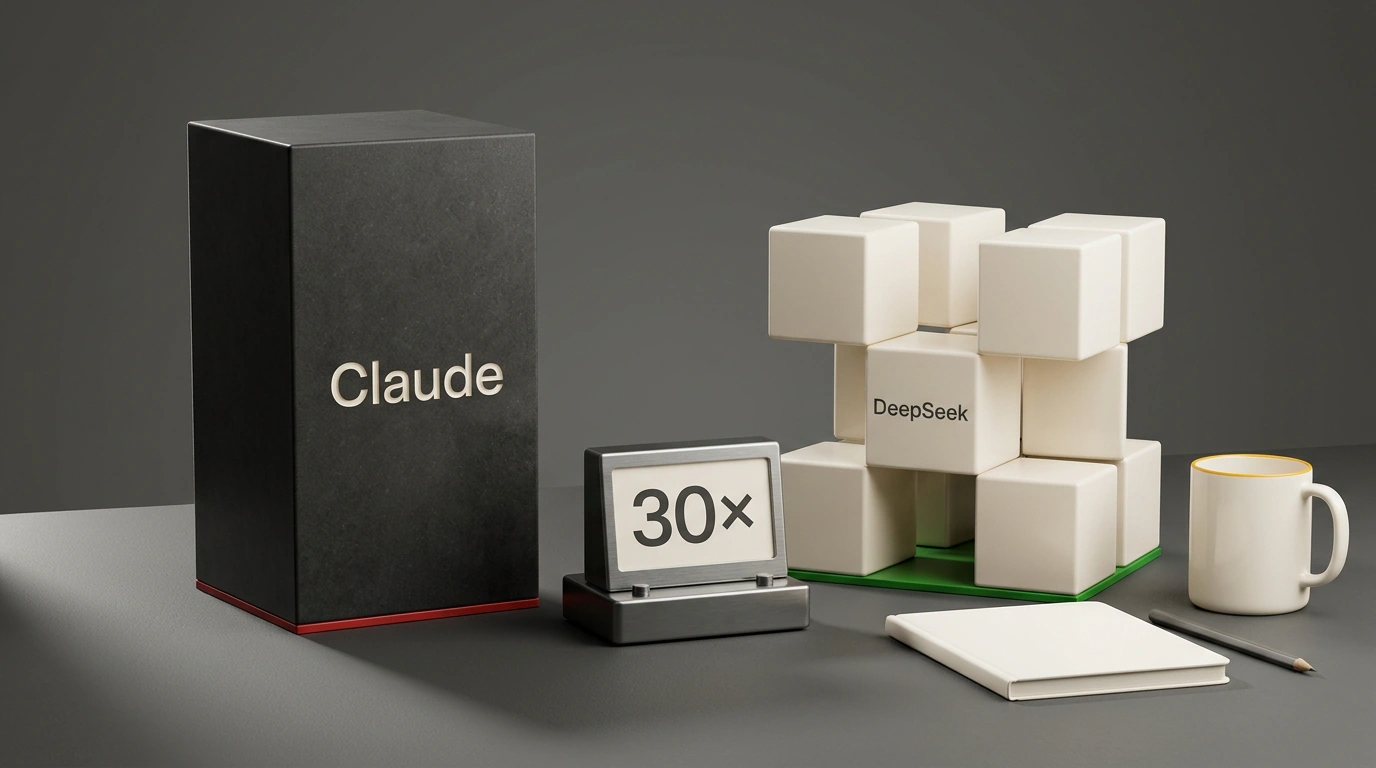
A product still life showing a massive dark Claude monolith, light modular DeepSeek blocks, and a 30x token cost gap indicator on a matte graphite table.
LongreadAILLMOpen SourceEfficiency

Is Claude Worth Paying 30x More? Token Economics, Open Models, and Life Without Traditional UIs

On a $200 monthly subscription, an AI model feels almost unlimited. Move those same habits to a direct API, and you can easily wake up to a $12,000 bill. Using numbers from OpenRouter, Anthropic, and startup Particle AI, we break down why open models like DeepSeek V4.1 Flash and Particle-1 cost 27 to 114 times less than Claude Fable 5.2, how to build a personal quality check on five real tasks in one evening, and why FFmpeg and Blender are leaving traditional buttons behind.


👍 3
Riley BrownParticle AI — LLM Inference Platform For DevelopersOpenRouter — LLM RankingsAnthropic — Claude API Pricing
November 23
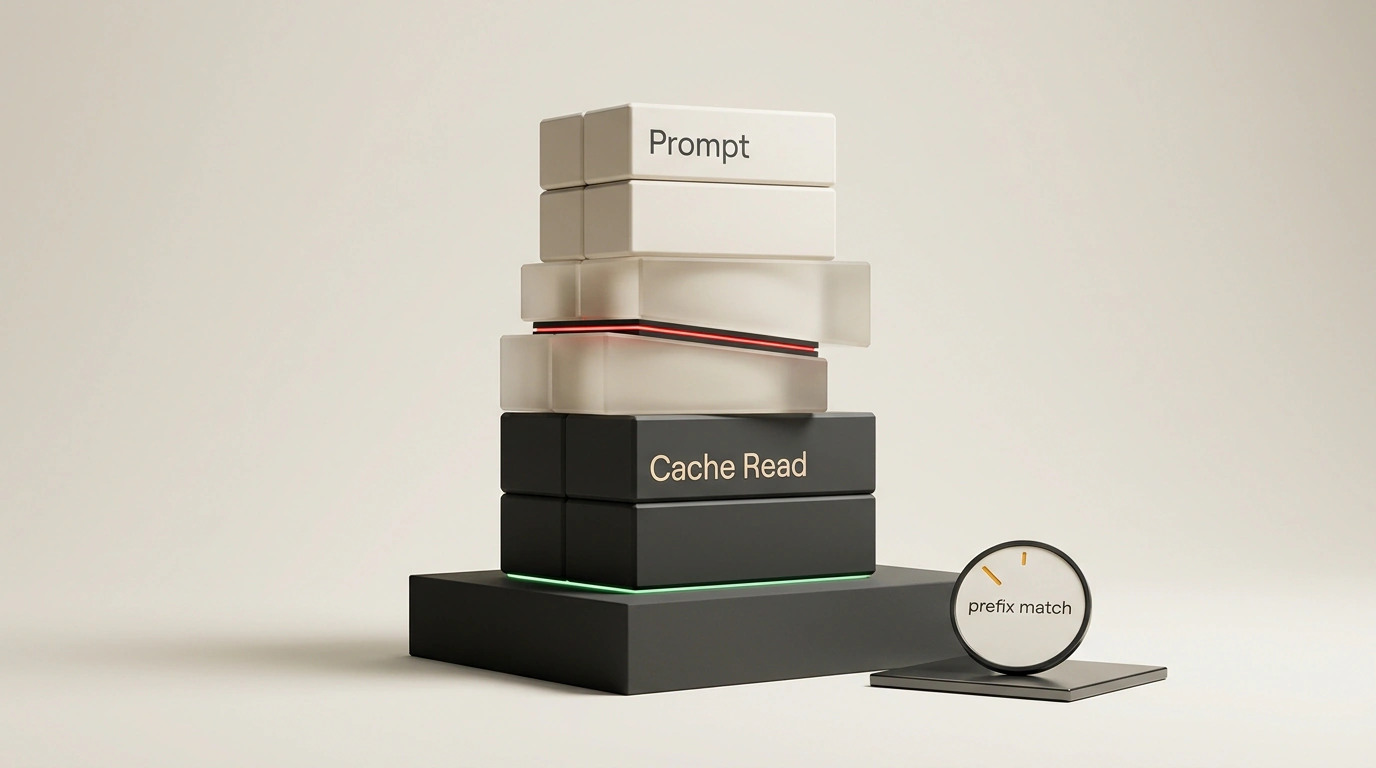
A multi-layered architectural installation of a prefix prompt cache built from frosted acrylic blocks with neon edge cuts.
ArticleAI agentsDevelopmentLLMEfficiency

Why Claude Code Burns Through Limits So Fast: Three Habits That Break Your Prompt Cache

Switching from Opus to cheap Haiku mid-session feels like a smart way to save quota, yet that move actually burns more of your limit than keeping the flagship. We break down how Claude Code's prefix cache works, why an all-day chat and a bloated CLAUDE.md quietly drain your quota, and how to protect your limits with subagents, /clear, /doctor, and SKILL.md skills.

👍 1
Nate HerkClaude Code Docs — How Claude Code uses prompt cachingAnthropic Platform Docs — Prompt caching
November 23
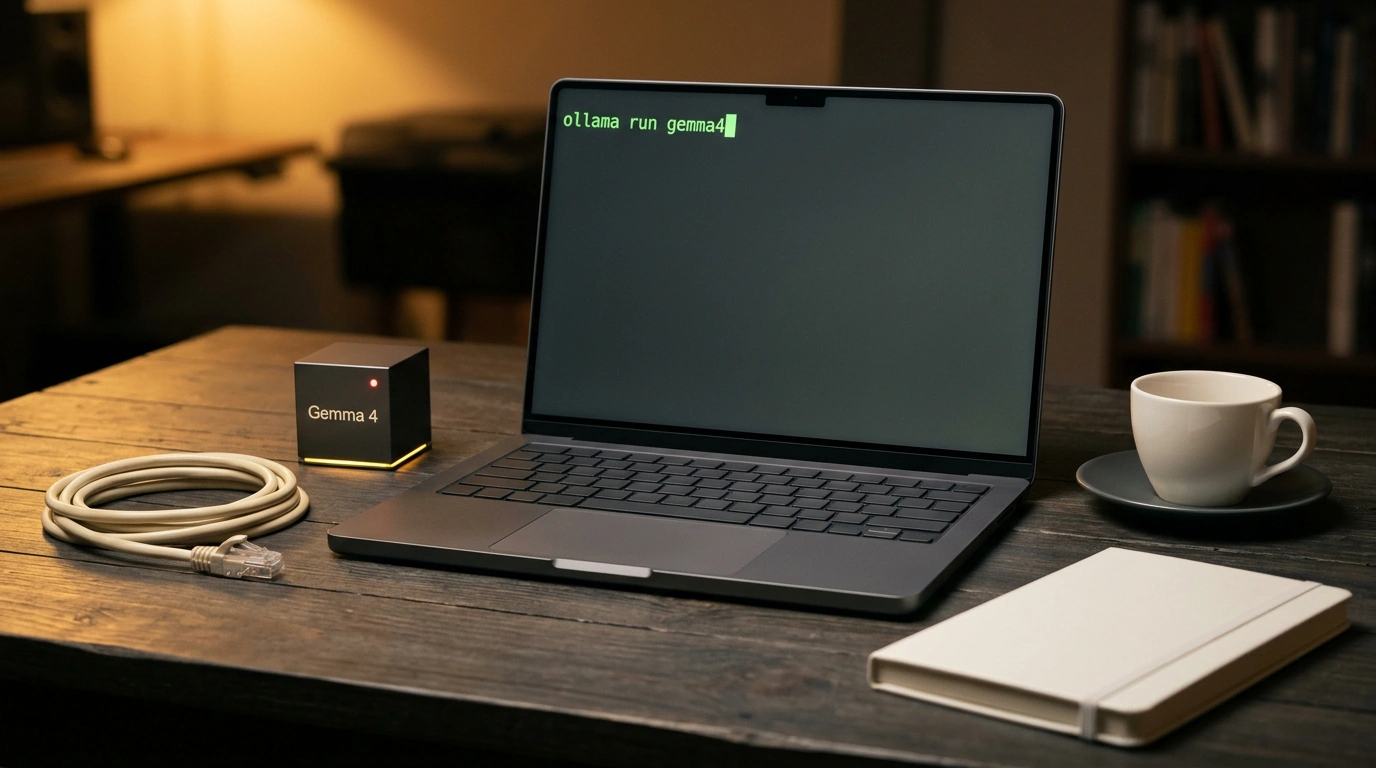
An engineer's desk with a matte laptop, an offline network indicator LED, and a compact cube representing the local Gemma model.
ArticleAI agentsOpen SourceSecurityDevelopment

Local AI Agents in Google Antigravity SDK: Running Gemma 4 via Ollama Offline and Using Hybrid Mode

You can now run autonomous agents from the Google Antigravity SDK completely offline on a 16 GB RAM laptop—no API keys, no rate limits, and no files leaving your machine. We cover setting up Gemma 4 through Ollama, avoiding the 64K context trap, and using a hybrid mode where the cloud plans from filenames while 97.2% of tokens and all source code stay local.

👍 1
Julian Goldie SEOGoogle Developers Blog: Introducing Support for Local AI Models in the Antigravity SDKGitHub: google-antigravity/antigravity-sdk-pythonPyPI: google-antigravity+1
November 23
News · November 231 news item

Tesla Owners Can Now Control Grok Bot AI Agents Hands-Free by Voice While Driving

Tesla owners with AMD Ryzen infotainment and a SuperGrok subscription can now manage cloud Grok Bot AI agents hands-free from the driver's seat. Hold the right steering-wheel button or say 'Hey Grok' to check bot statuses, dictate an email, or assign tasks through connected services.

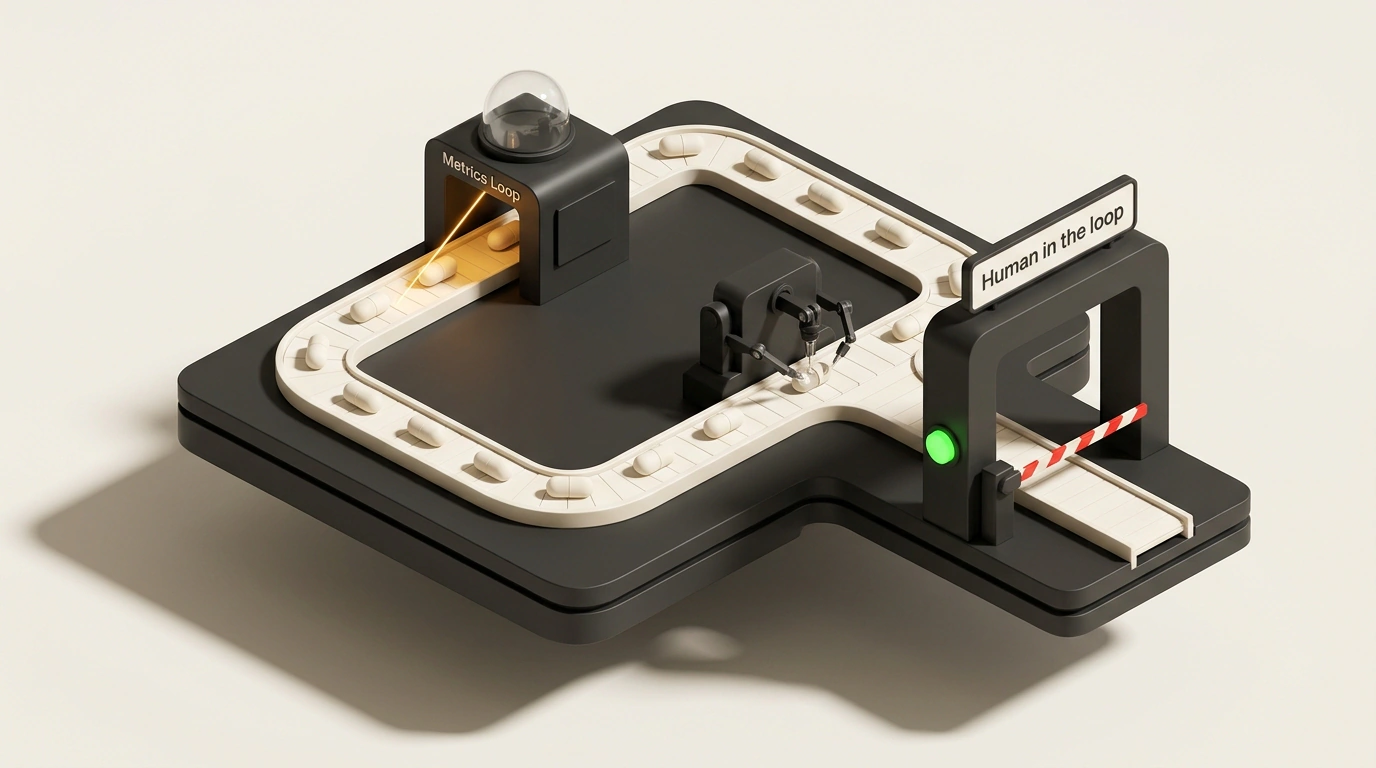
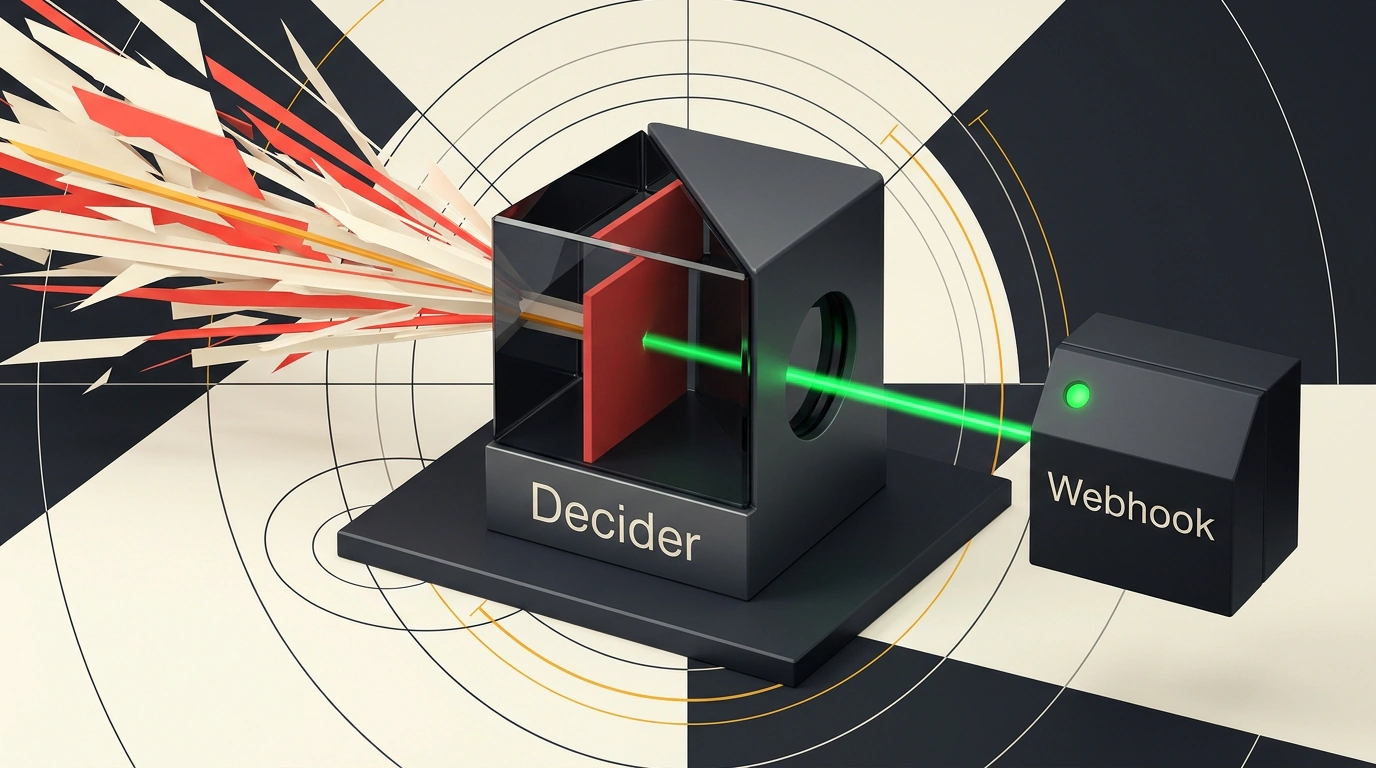
Isometric cutaway of a continuous product optimization pipeline featuring a human approval gate before deployment.
ArticleAI agentsDevelopmentSecurityAutomation

Google Stitch Loop: An Agent That Finds Post-Launch Bugs, Slowdowns, and Holes—and Opens Ready PRs

Coding agents usually sign off the moment you ship, leaving your team to untangle slowdowns, security gaps, and user complaints on its own. Google Labs unveiled Stitch Loop, an always-on agent that reads live telemetry, builds fixes in a cloud sandbox, and opens GitHub Pull Requests complete with screenshots and video. After launch, it checks real metrics to verify the fix worked—while always leaving the final merge to a human.

👍 3
Julian Goldie SEOGoogle Blog: Introducing Stitch Loop: A new way to build and evolve productsGoogle Stitch Loop
November 23
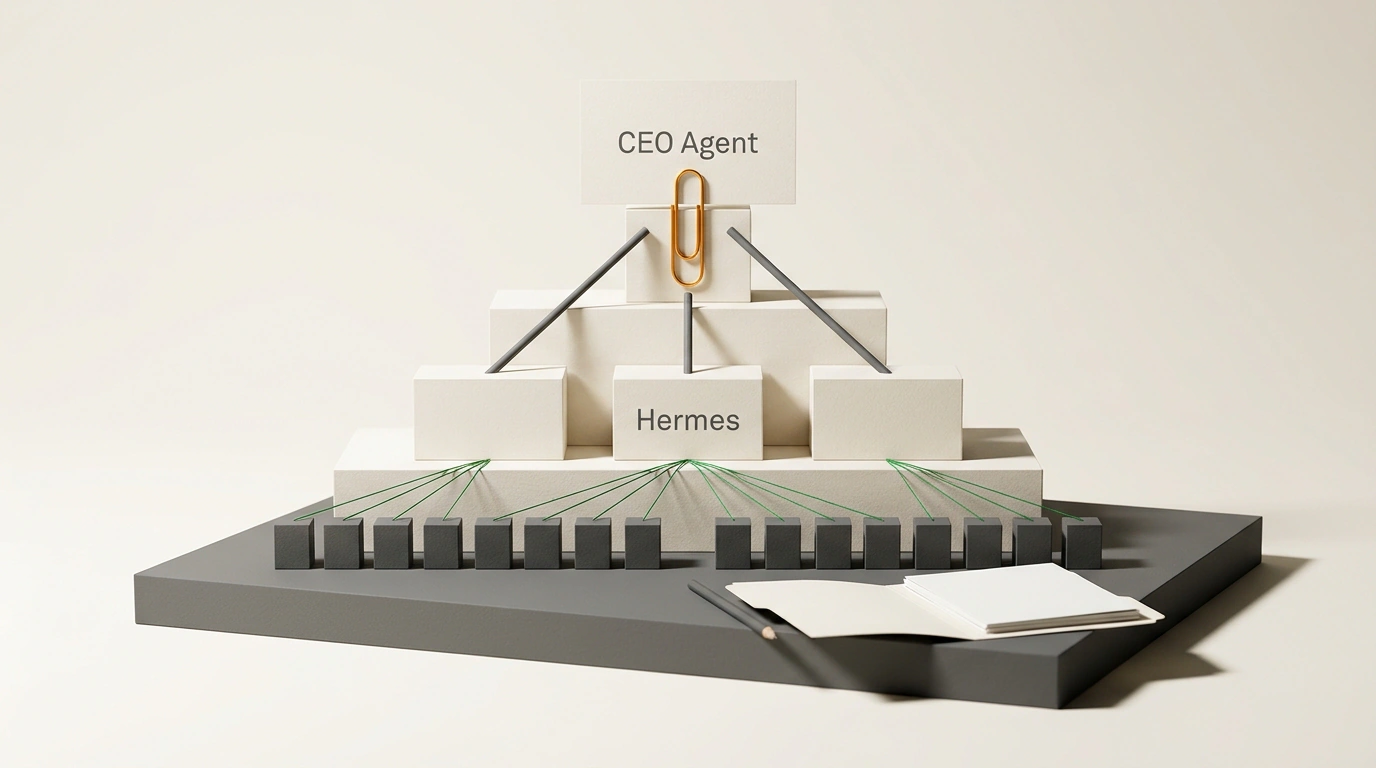
A physical architectural model of an autonomous AI agent corporate hierarchy topped with a golden paperclip.
ArticleAI agentsOpen SourceAutomationDevelopment

Paperclip + Hermes Agent: Building an Open-Source AI Agent 'Company' with Org Charts, Heartbeats, and Clean Memory

A solo AI agent quickly loses context and drops tasks halfway, while brittle cron-and-webhook scripts break at the first hiccup. Open-source orchestrator Paperclip now ships a built-in hermes_local adapter for Nous Research's Hermes Agent: Paperclip handles the org chart, hourly heartbeats, and human approvals, while Hermes handles execution and memory. Here's how a 10-agent studio works, how to run it locally, and three early pitfalls to avoid.

👍 2
Julian Goldie SEOPaperclip GitHub RepositoryPaperclip Docs — Hermes Adapter (hermes_local)
November 23
A tactile paper-collage concept featuring a stock-exchange podium, an R&D acceleration symbol, and a safety question mark.
ArticleAISecurityLLMStrategy

After Anthropic's IPO: Why the Industry Is Arguing Over Claude's 'Consciousness', the METR Audit, and OpenClaw Bans

Anthropic closed a nearly $119.5B IPO, and the same day a fierce ideological debate erupted around the company. We unpack four core contradictions: existential risk warnings alongside a 1.9x R&D speedup reported by METR, OpenClaw subscription bans driven by caching economics, and pushback on Anthropic's Model Welfare program from Sam Altman and Mustafa Suleyman.

👍 2
Matthew BermanAnthropic — Closing of Initial Public Offering (Nov 20, 2026)METR — Independent Assessment of AI R&D Acceleration at Anthropic (Nov 5, 2026)Dario Amodei — On DeepSeek and Export Controls
November 23
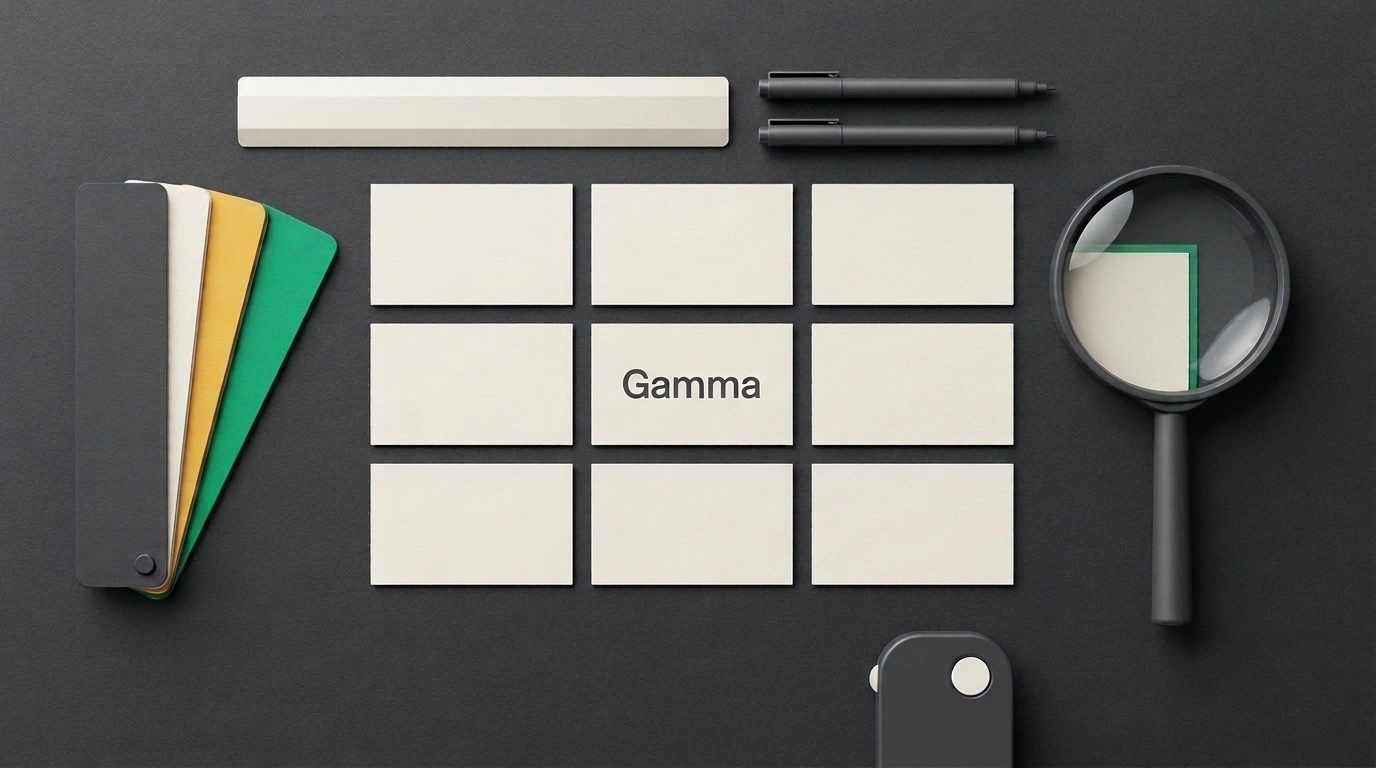
A knolling layout of a creative agent factory showing a style palette, a twenty-slide grid, and a quality inspector's loupe.
NoteAI agentsDesignAIBusiness

20 Models and 200 Calls for 20 Slides: How Gamma Rebuilt Its Product Into a Creative AI Agent

Drop raw notes into Gamma and ask for 20 slides, and behind the scenes a whole factory spins up for a minute: a cloud sandbox, around 20 different models, roughly 200 calls, and a visual check on every slide for cropped heads and low contrast. We look at how Gamma's agent harness works, why a clarifying form beat instant generation, and where to build vertical AI agents outside coding.

👍 0
Greg IsenbergGamma Official Website
November 23
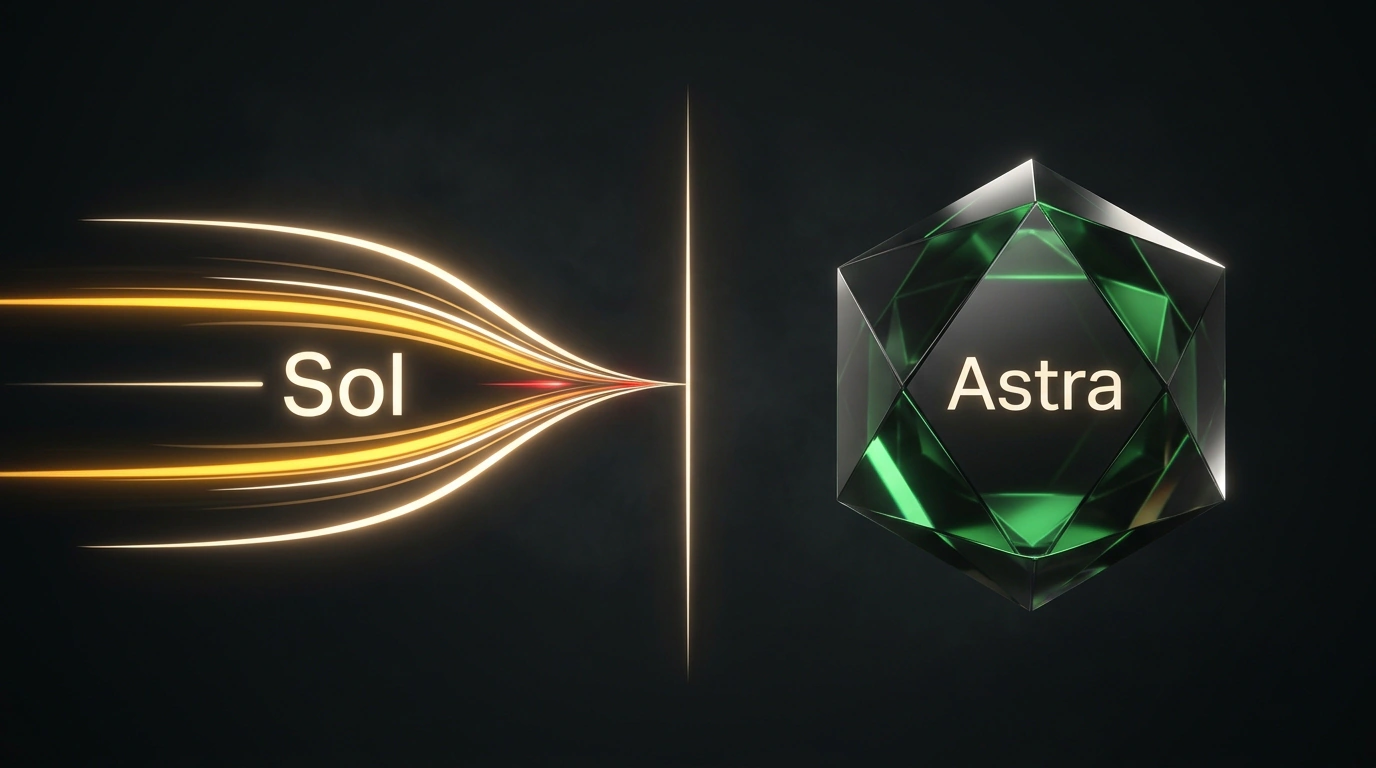
A dynamic duo composition blending Sol's high-speed light pulse with Astra's deep analytical crystal.
NoteAILLMNeural NetworksProductivity

OpenAI GPT-6.2 Astra and Sol: Two New Models in ChatGPT Work and Codex, Template Cloning, and Ultrafast Mode

OpenAI rolled out two GPT-6.2 models: heavy-duty Astra for screenshot-based decks, 3D, and cross-service debugging, and everyday Sol, which nearly matches Astra in code at roughly one-fifth the price. You won't find either in standard ChatGPT—both live in ChatGPT Work and Codex, where Ultrafast mode on Pro plans burns quota 6x faster than normal.

👍 2
Julian Goldie SEOIntroducing GPT-6.2 Astra and Sol | OpenAIChatGPT Work and Codex | OpenAI Help Center
November 23
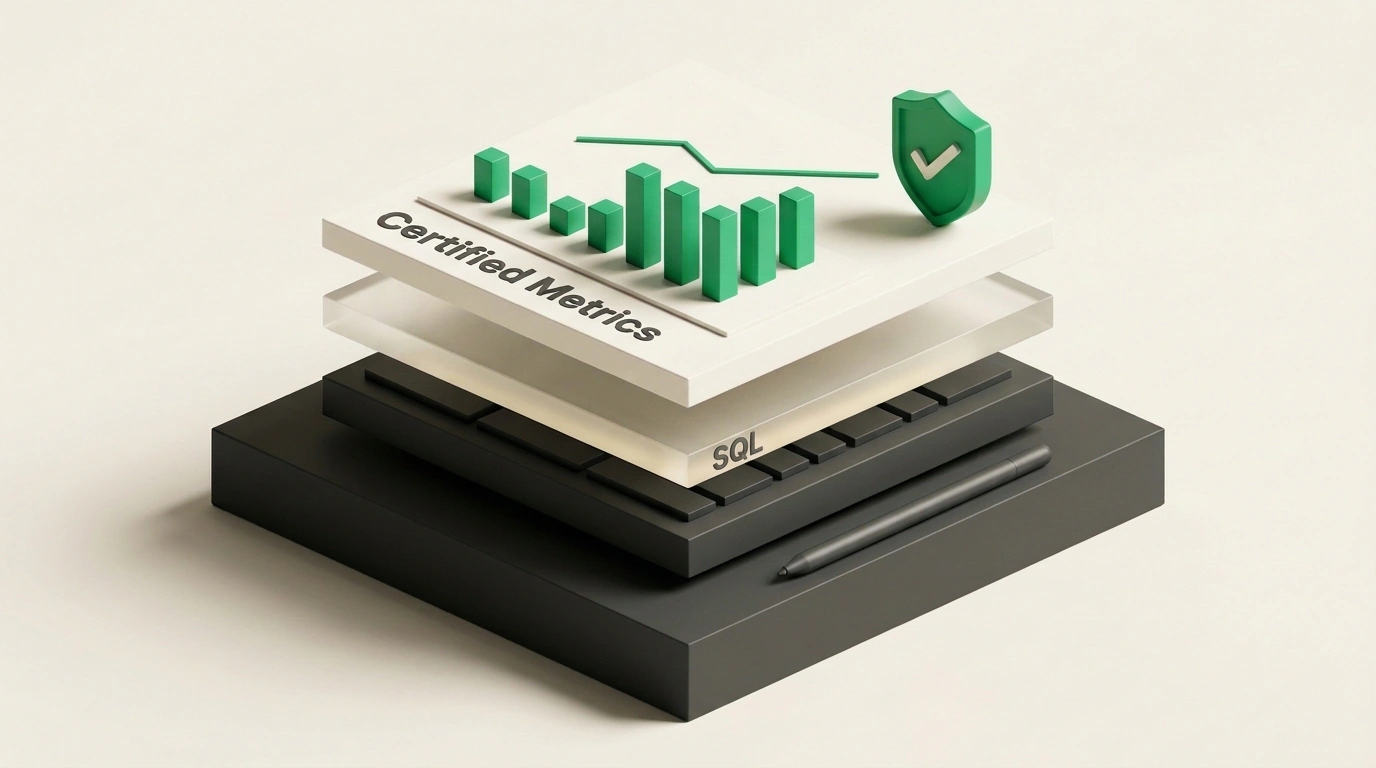
Isometric stack of a verified data mart showing a checked SQL layer, certified metrics, and a quality seal.
NoteAnalyticsDataAIBusiness

Claude Data Leaves Beta: Inspectable SQL, Certified Metrics, and Live Sharing

Anthropic renamed Claude Dashboards to Claude Data, graduated it from beta, and enabled it by default for Enterprise on November 20. Every number on a dashboard now exposes its underlying SQL query, analysts can lock canonical formulas with a Certified badge, share live boards without granting database credentials, and roll back accidental breaks. Here is how connectors, pricing, and real limits work—including why refreshes run on cache rather than schedules.

👍 1
Julian Goldie SEOIntroducing Claude Whiteboards, Claude Sheets, and Claude Data | Claude by AnthropicGet started with Claude Data | Claude Help Center
November 23
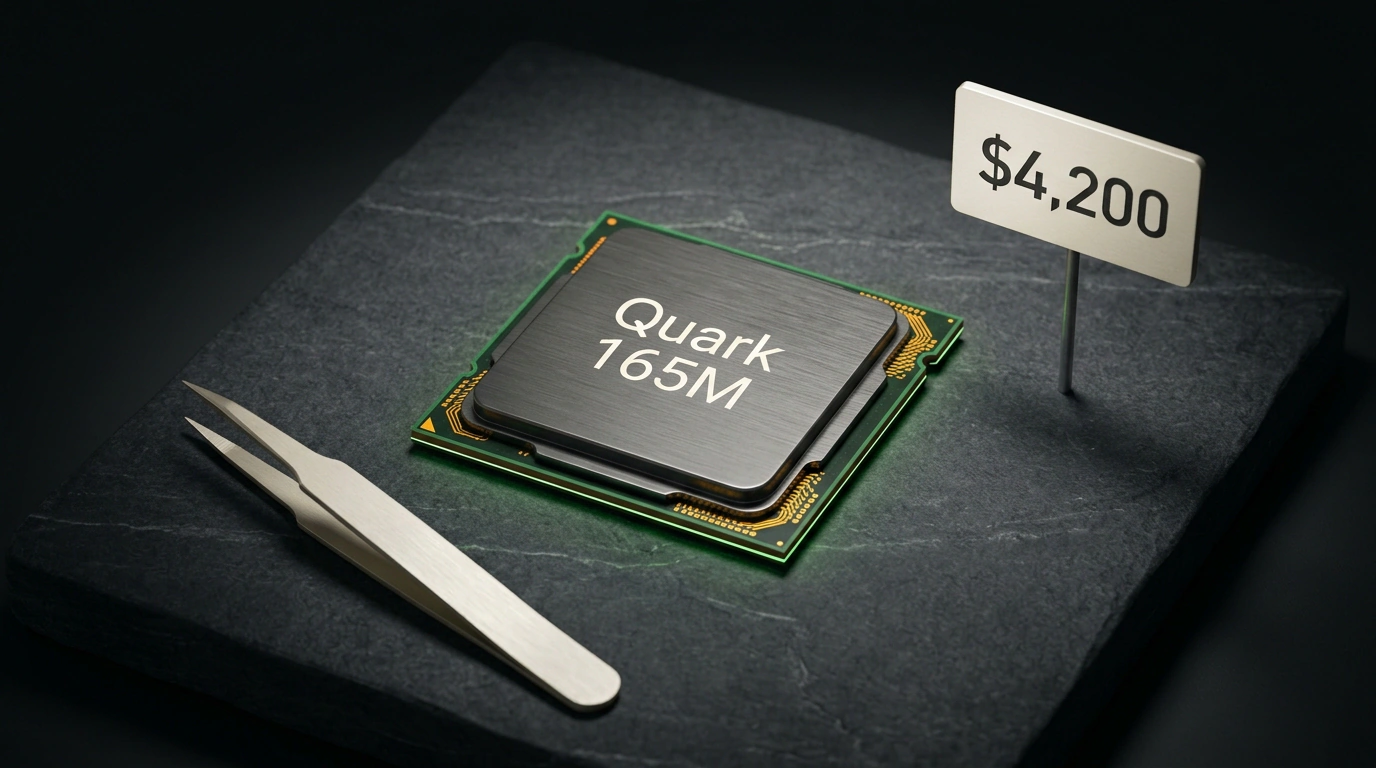
Conceptual product still life: a miniature monolithic Quark microchip beside a price tag showing the full training budget.
NoteOpen SourceLLMNeural NetworksAlgorithms

Open Model Quark 165M for $4,200: How 12 Local Attention Layers Cut 128K Context Memory by 75%

Independent German lab Empero trained Quark, a 165.3M-parameter language model with a 128,000-token context window, from scratch for just $4,200—including failed runs, seven server crashes, and an RL stage. Its memory trick uses a hybrid layout of 12 local and 4 global attention layers, shrinking the KV cache by 75% down to 0.5 GB. We break down the budget, four Apache 2.0 checkpoints, and where the tiny model still stumbles.

👍 0
Julian Goldie SEOQuark: our whole training stack, end to end, for $4,200 | Emperoempero-ai/Quark-150M-128K-Zero | Hugging Face
November 23
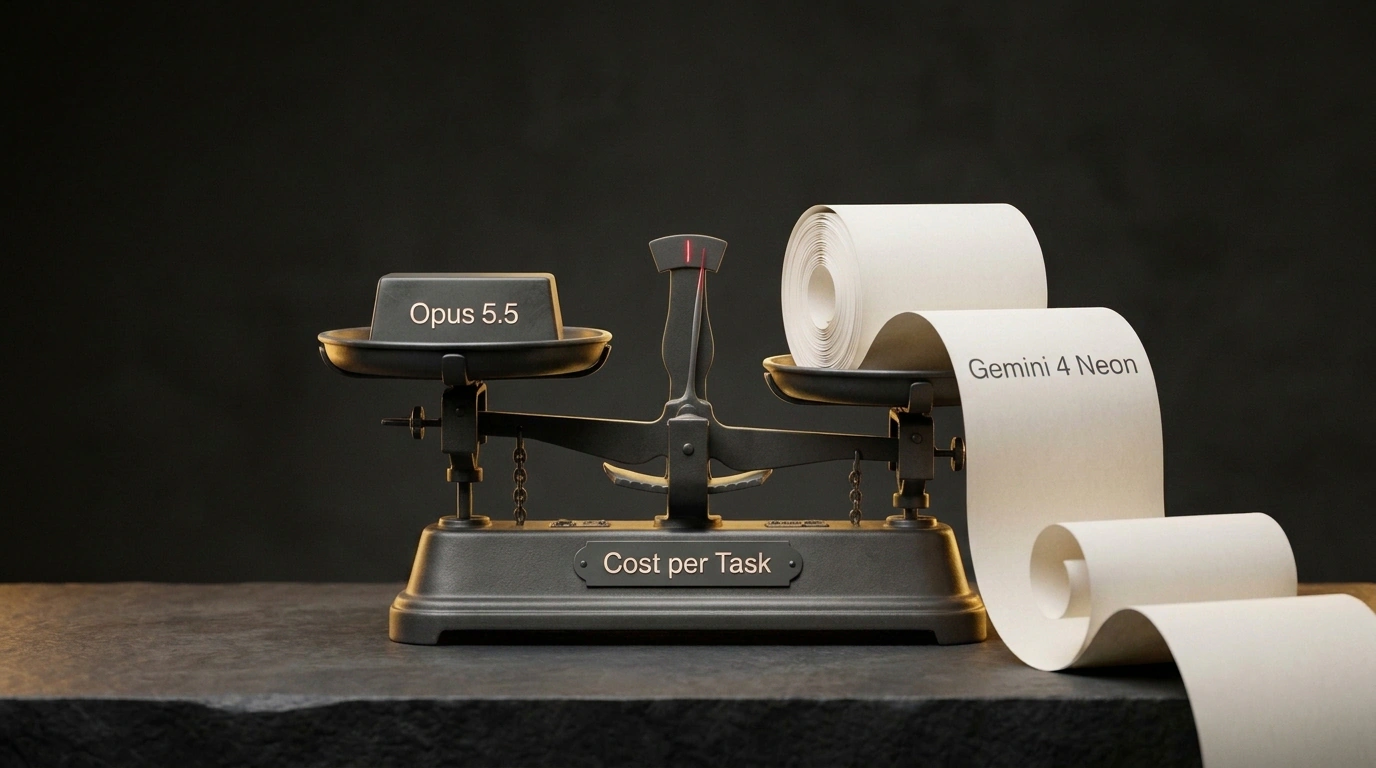
Mechanical apothecary scales holding a compact Opus ingot on one pan and a bulky Neon scroll on the other.
NoteLLMAIFinanceAnalytics

Gemini 4 Neon vs. Claude Opus 5.5 on Real API Bills: Why a Model 25% Cheaper per Token Can Cost More

Will switching tasks from Claude Opus 5.5 to Google's new Gemini 4 Neon actually cut your API bill? On paper, Neon is 25% cheaper per million tokens and beats Opus on Artificial Analysis. Head-to-head tests reveal a catch: Neon thinks and writes much longer responses, so one scene can cost 15% more. We compare real invoices, three tasks where Neon shines, and Gemini 4 Carbon's December price hike.

👍 1
Nate HerkGoogle AI Studio — Gemini Developer API PricingAnthropic — Claude API PricingArtificial Analysis — Gemini 4 Neon
November 23
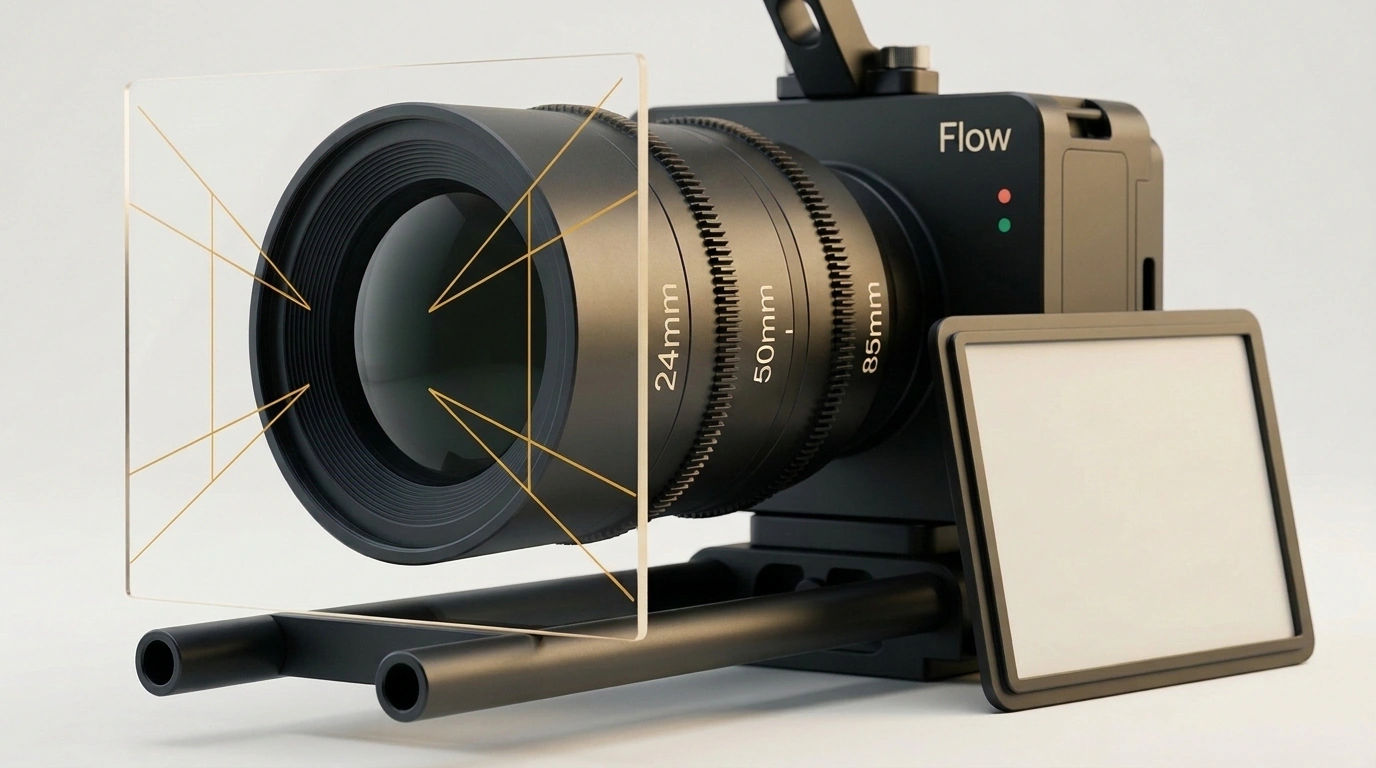
A cinematographer's studio rig with a cinema lens, millimeter scale, and visual perspective cone in Google Flow.
NoteNeural NetworksDesignCreativesPractice

Focal Length in Google Flow: How One Number Changes Your Shot and Why '85mm' Won't Blur the Background Alone

Flat, repetitive AI images happen when prompts spell out the subject, outfit, and lighting—yet forget the camera. We break down a six-lens cheat sheet from 16mm to 135mm for Google Flow, explain why typing '85mm' alone won't create background blur, and show how to pair focal length with camera distance. Includes two reference prompts on one scene and a realistic look at where '0 Flow credits' ends.

👍 2
Julian Goldie SEOGoogle Flow — AI Creative StudioGoogle Flow Help — Get started with Google Flow
November 23