Issue October 23Daily digest · 11 items
In this issueReviewed 68 sources, gathered 11 items
Still life of a developer's desk with a laptop, a bun fmt console screen, and a notebook on an oak table under soft lamp light.
LongreadDevelopmentOpen SourceBunJavaScript

Bun 1.4.4 Release: Built-In bun fmt Formatter and a 280x Speedup

286x faster—that is how much the native bun fmt formatter outpaced classic Prettier on a real 2,600-file repository, finishing in just 60 milliseconds instead of 17 seconds while using 10x less RAM.

I tested the tool on a live project: under the hood, a Zig engine pairs with the Oxc compiler. It natively reads existing .prettierrc configs, sorts Tailwind classes and imports on the fly, and its bun fmt --staged mode eliminates the need for lint-staged and hundreds of megabytes of bloated node_modules.

👍 0
Bun BlogBun ReleasesBun Documentation: Code Formatter (bun fmt)
October 23
Three-dimensional UI composition of Base UI's filterable dropdown dialog menu with a search bar, command list, and floating navigation keys.
LongreadDevelopmentOpen SourceFrontendAccessibility

Anatomy of an Accessible Filterable Menu: Engineering Decisions by the Base UI Team

Why build a full dialog just for a simple searchable dropdown? On the surface, the WAI-ARIA spec already offers the familiar Combobox pattern that everyone reaches for.

Yet Base UI engineers Jenna Smith and James Nelson proved that in an action menu, picking an item triggers a command rather than filling an input—which leaves screen readers confused. I broke down their reference design: physical focus stays locked in the search input, while virtual navigation via aria-activedescendant lets you type a filter and step through items without ever losing context.

👍 0
Веб-стандартыBase UI Blog: Building a filterable menu that works for everyone
October 23
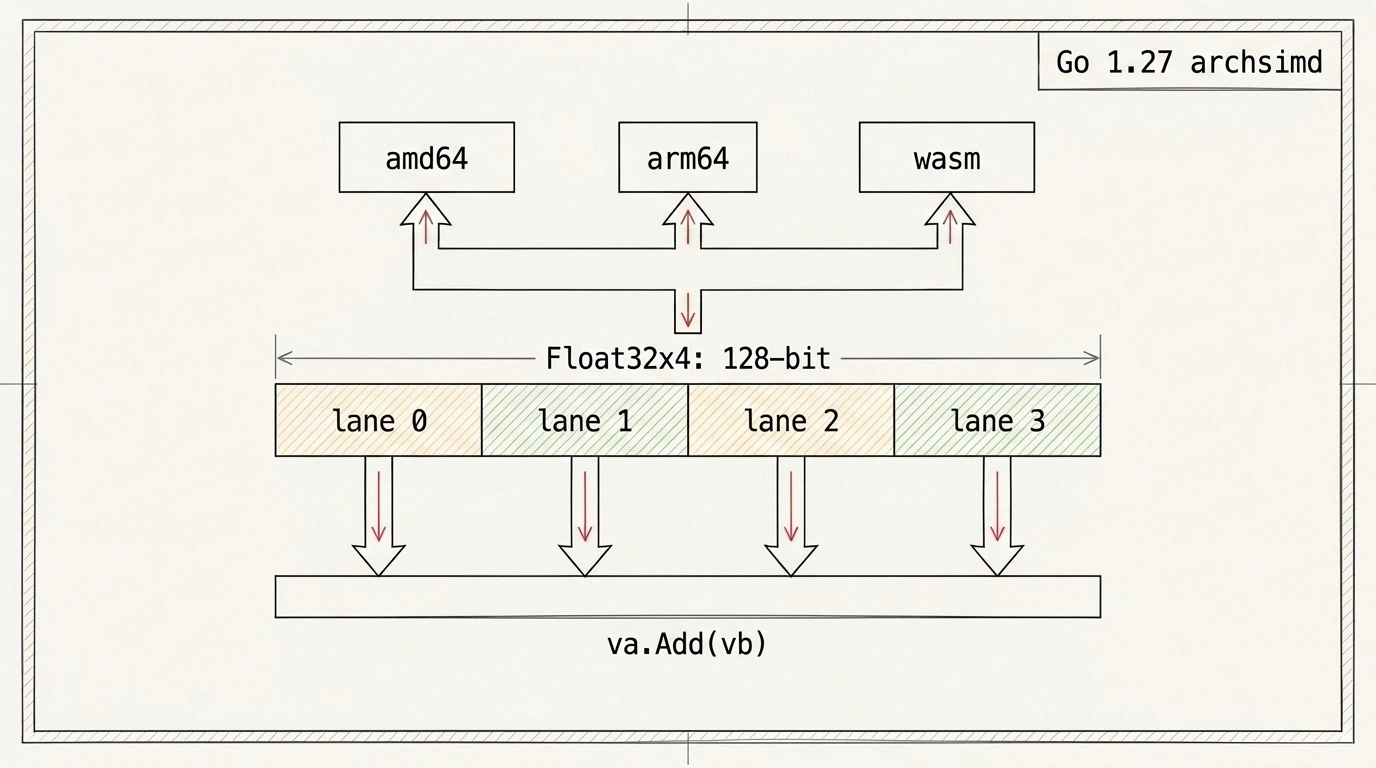
Technical infographic blueprint of SIMD architecture in Go 1.27 showing parallel lanes of a Float32x4 vector register for ARM64, amd64, and WebAssembly.
LongreadDevelopmentAlgorithmsGoOptimization

Assembly-Free SIMD in Go 1.27: Low-Level Vectorization for ARM64 and WebAssembly

For years, Go engineers building high-load systems faced an ugly trade-off: live with slow scalar loops, or write Plan 9 assembly blocks—losing function inlining and cursing cross-compilation.

In the upcoming Go 1.27 release, experimental standard-library vectorization expands to ARM64 and WebAssembly. I dug into the simd/archsimd package: fast vector operations are now called as regular typed struct methods with zero assembly, provided you watch for subtle platform differences like PermuteOrZero versus LookupOrZero.

👍 0
Библиотека Go-разработчикаThe Go Blog: Arch-specific SIMD in Go
October 23
News · October 231 news item

Critical Vulnerability in Node.js Brotli Decoder Allows Remote Code Execution

A critical vulnerability, CVE-2026-111497 (Node2Shell), has been found in Node.js's native Brotli compression decoder. A buffer overflow lets an attacker achieve RCE via a standard compressed HTTP request. The security team has shipped emergency patches: update to 22.23.4, 24.22.1, or 26.12.1.

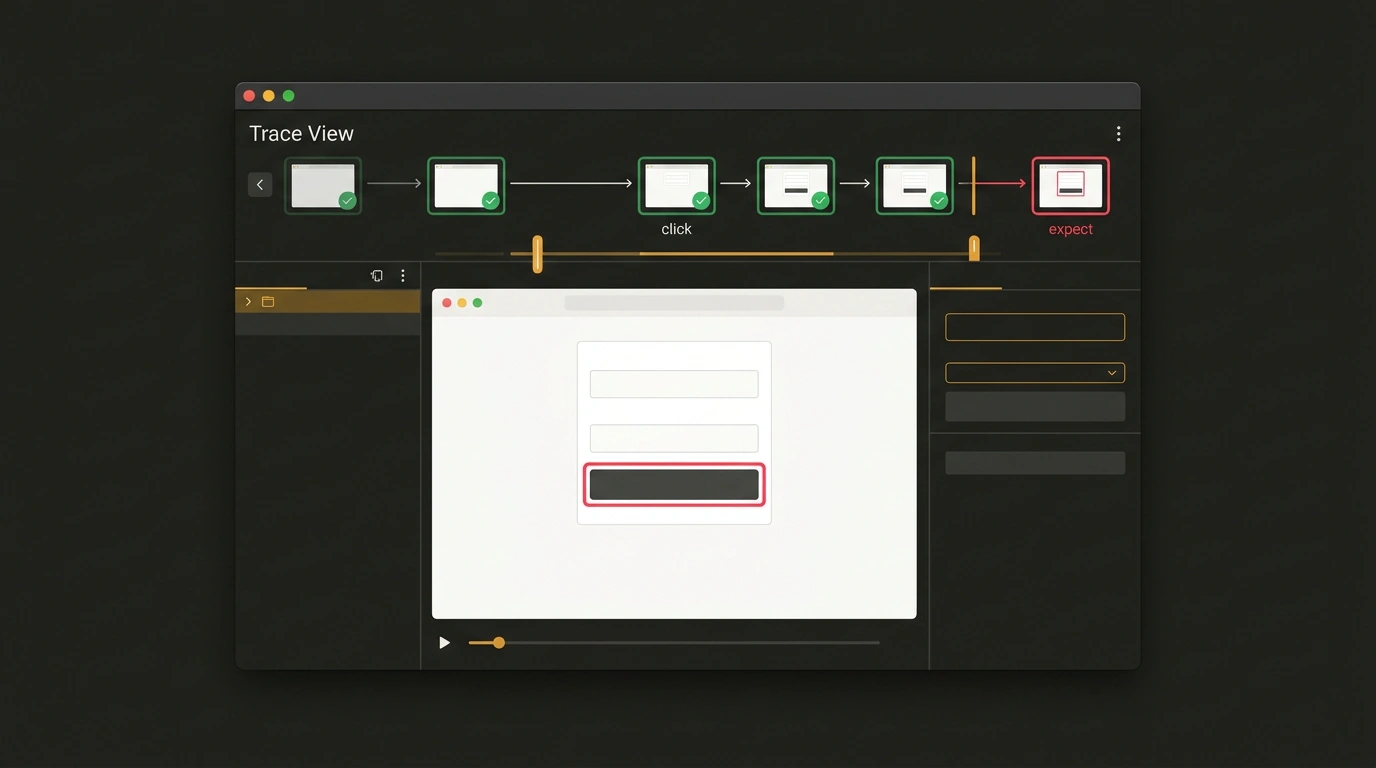
Interactive Trace View timeline in a browser showing step-by-step DOM snapshots and a highlighted outline around a failed test element.
ArticleDevelopmentAutomationTestingVitest

Vitest 5: Step-by-Step Browser Test Debugging with Trace View

Few things are more frustrating than a CI browser test failing, only for the attached screenshot to show a completely blank screen or a closed modal with no clue what went wrong.

The major Vitest 5 release brings the long-awaited Trace View to Browser Mode. Instead of post-mortem static images, it continuously records step-by-step DOM snapshots for every action and assertion. I put it through its paces: you can scrub backward through any failed step in the browser or a static HTML report and see the broken element highlighted immediately without sprinkling manual debug pauses.

👍 0
Библиотека фронтендераVitest Documentation: Browser Mode and Trace View
October 23
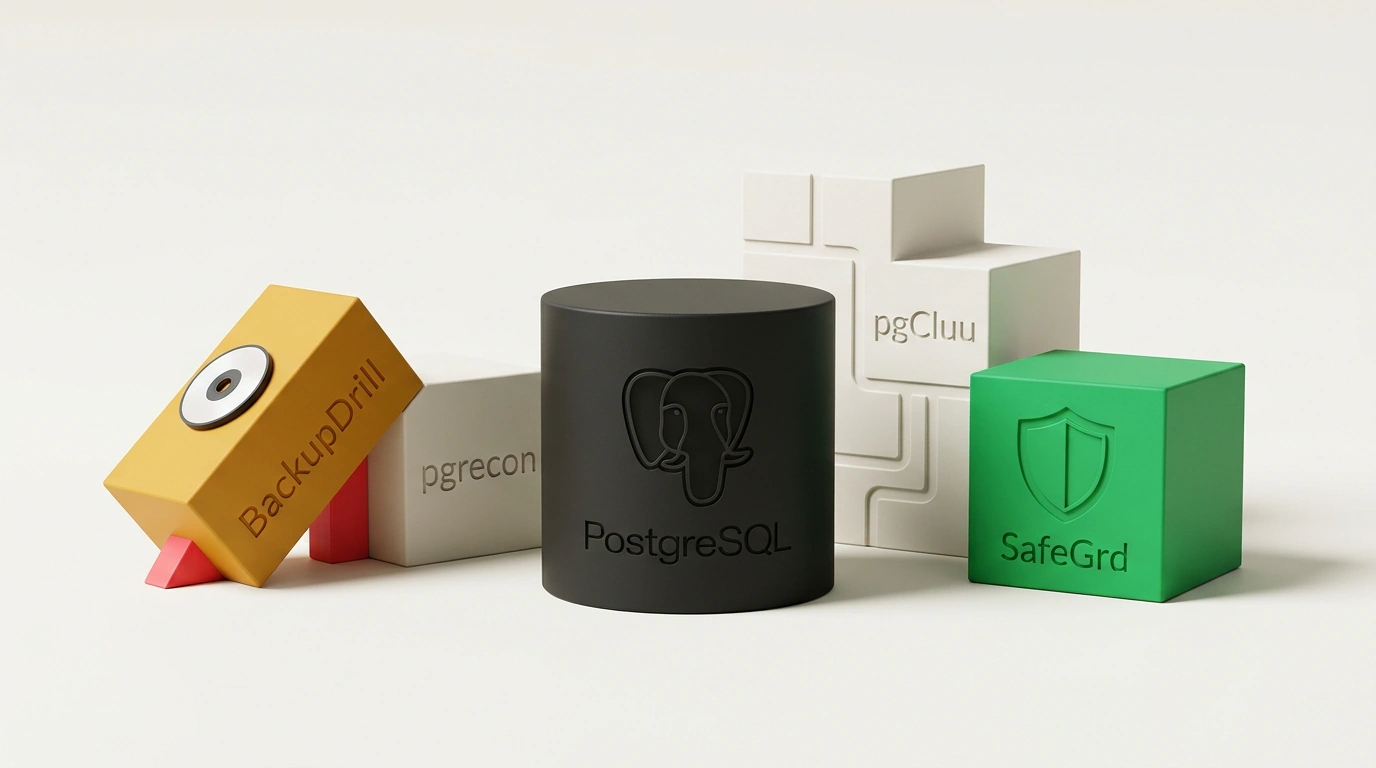
Architectural still life of four geometric PostgreSQL ecosystem modules representing auditing, migration, and scheduled backup verification.
Thematic roundup4 sectionsDevelopmentDataOpen SourcePostgreSQL

PostgreSQL Ecosystem Tools: Cluster Audits, Oracle Migration, and Backup Verification

A relational database's real reliability isn't proven in the docs—it's proven on the day of a major outage: if a backup won't restore, you never really had backups at all.

I picked four focused open-source utilities from the PostgreSQL ecosystem that close critical operational blind spots:

  • BackupDrill — automatically spins up an isolated Docker container to validate Supabase dumps;
  • pgCluu 5.0 — builds detailed hardware audits of disk I/O and replication slots;
  • pgrecon — converts complex Oracle schemas to Postgres in a completely air-gapped offline mode;
  • SafeGrd — restores backups on a schedule and cryptographically attests row-level integrity.
👍 0
PostgreSQL NewsBackupDrill CLI Repository on GitHub
October 23
Dramatic late-night terminal debugging scene simulating system calls inside an isolated container to test Falco rules.
ArticleSafetyAutomationKubernetesFalco

event-generator: Simulating Attacks to Test Falco Security Rules

Writing Falco security audit rules is only half the battle. The most dangerous engineering illusion is assuming silent logs mean a safe cluster: a single typo in a filter expression can leave the system completely blind.

The event-generator utility from Falco Security lets you safely emulate malicious activity inside an isolated Docker container. I tested the latest release: it reproduces container escapes, system file tampering, and suspicious Kubernetes API calls, turning manual rule checks into automated CI/CD regression testing.

👍 0
DevOps&SRE LibraryFalco event-generator GitHub Repository
October 23
Isometric model of the NooBaa gateway in Kubernetes with a unified S3 protocol and automatic object distribution across local disks and clouds.
ArticleDevelopmentOpen SourceKubernetesStorage

NooBaa Operator: Hybrid S3 Storage and Event Triggers in Kubernetes

When Kubernetes microservices talk to both local disks and external clouds like AWS S3 or Google Cloud, your codebase quickly accumulates a zoo of incompatible libraries and vendor SDKs.

The NooBaa Operator project deploys a single lightweight S3 gateway inside your cluster. I tested this approach: a developer requests a bucket via a declarative ObjectBucketClaim resource, and the operator automatically distributes objects, manages cross-cloud mirroring, tiers cold data to cheaper storage, and provides serverless event triggers with zero vendor lock-in.

👍 0
DevOps&SRE LibraryNooBaa Operator GitHub Repository
October 23
Cozy late-night still life of a data engineer's desk with a laptop, a structured ClickHouse prompt, and security configuration notes.
ArticleDataAI AgentsClickHouseSQL

AI Agents for ClickHouse: Connecting LLMs to Analytical DBs Without Cloud Subscriptions

While the industry tries to solve Text-to-SQL by piling on heavy frameworks and paid cloud subscriptions, the real secret to reliable LLM analytics lies elsewhere.

Engineer Alexey Belozersky's experience shows that the decisive piece isn't MCP—it's structured schema context in a "Master Prompt" encoding ClickHouse dialect quirks and hard bans on scalar operations. I broke down how to run this pipeline on a local model and why locking down the database user with a strict readonly profile saves your infrastructure from an agent's unpredictable detours.

👍 0
System Design & HighloadYouTube: Онлайн-встреча с А. Белозерским по ИИ и ClickHouse
October 23
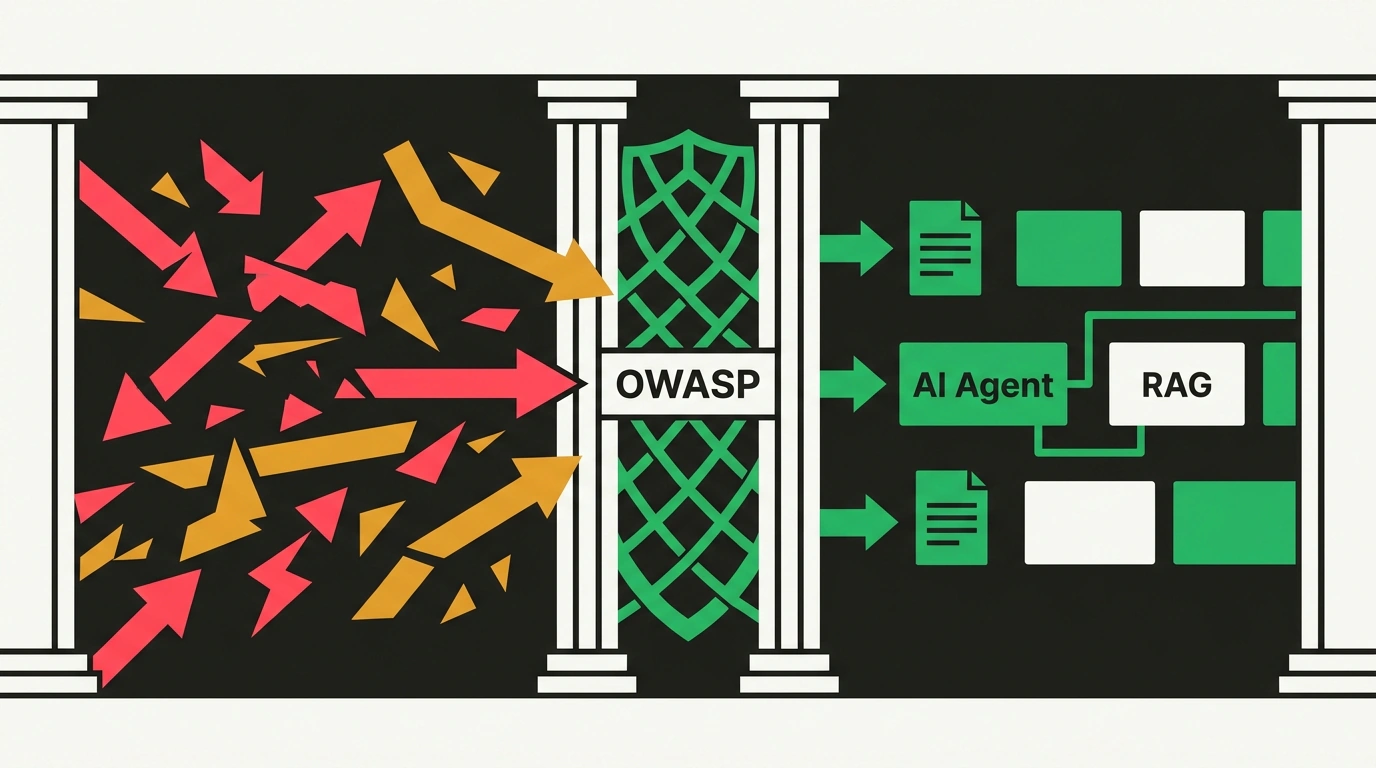
Graphic poster illustrating a protective validation gateway separating untrusted input from an AI agent's context under OWASP standards.
ArticleSafetyDevelopmentOWASPEngineering

OWASP Cheat Sheets: Securing Applications, AI Agents, and RAG Systems

Unlike classic web apps where executable code is strictly separated from user data, autonomous AI agents mix prompts, RAG context, and external tool outputs in a single window—opening the door to indirect prompt injections.

The OWASP Cheat Sheet Series team has released a major update to its AI security guides. I reviewed the new recommendations: instead of blindly trusting prompt-level filters, the community insists on deterministic parameter validation gateways, strict tool-permission boundaries, and mandatory Human-in-the-Loop approval for destructive actions.

👍 0
SQL PortalOWASP Cheat Sheet Series Official Documentation
October 23