Issue October 28Daily digest · 15 items
In this issueReviewed 35 sources, gathered 15 items
Minimalist still life with a clean laboratory glass slide and a breath-test collection bag on a light wooden table
NoteHealthPracticeGastroenterologyPrevention

No Pain, No Problem? Why Silent Infections and Asymptomatic Conditions Cannot Be Ignored

Most of us only book a doctor's appointment when a sharp stitch hits our side or stomach cramps double us over. If nothing hurts, it feels like the body is running like clockwork.

In gastroenterology, however, the most dangerous damage often unfolds in complete silence. In 80% of carriers, Helicobacter pylori causes no symptoms for years while quietly triggering mucosal atrophy and the precancerous Correa cascade. Acute pain turns out to be the least reliable warning sign.

👍 0
Гастроэнтеролог ХАРИТОНОВ Андрей Геннадьевич
October 28
Arrangement of fresh low-glycemic whole vegetables alongside a clean apothecary jar on a linen tablecloth
NoteHealthNutritionDermatologyResearch

Low-Glycemic-Load Diet for Acne: What a Clinical Trial Showed

Dermatology has been split between two extremes for years: one camp blames every breakout on chocolate and milk, while the other insists food has zero effect on skin and only heavy-duty prescription creams and antibiotics matter.

A clinical trial shows the truth sits right at the intersection of pharmacology and your plate. Adding a low-glycemic-load diet to standard adapalene and doxycycline therapy clears skin dramatically faster. The mechanism behind that synergy goes much deeper than simply cutting out sweets.

👍 0
CMT - Научный подходEffect of Dietary Glycemic Load on Acne Vulgaris: A 12-Week Randomized Controlled Trial
October 28
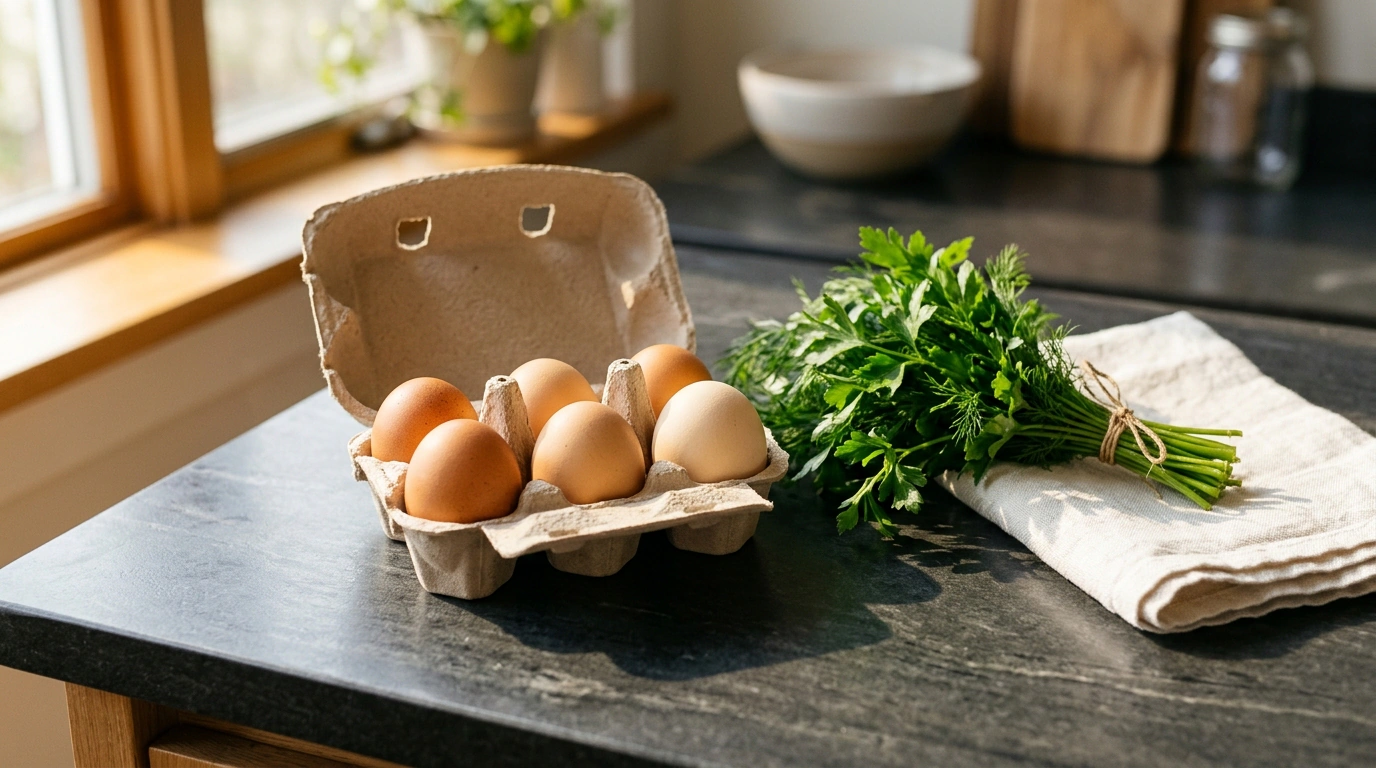
Minimalist still life of chicken eggs in a cardboard carton with fresh green sprigs in morning sunlight
NoteHealthNutritionMythsEvidence-Based Medicine

The 'Hormone Egg' Myth: Why Breakfast Eggs Don't Cause Fibroids or Tumors

Social media regularly erupts with alarmist claims that chicken eggs cause uterine fibroids, breast fibroadenomas, and polyps because they are supposedly packed with 'avian growth hormones.'

An oncologist breaks down why this viral scare rests on a textbook logical fallacy and a complete misunderstanding of gut physiology. Peptide hormones cannot survive stomach acid, and the high rate of benign growths in women has nothing to do with morning scrambled eggs. The real drivers of hormonal disruption look very different.

👍 0
Бородатый не пробовал...Analysis of steroid hormones in shell eggs from layer breeds common to Taiwan by LC-MS/MS
October 28
News · October 283 news items

Statin Phobia at the Cost of Your Arteries: A Clinical Case of Atherosclerosis at 42

Five years of 'watchful waiting' over high cholesterol (LDL above 5.0 mmol/L) and trying to manage it with diet alone left a 42-year-old man with calcified plaques in his carotid arteries. Cardiologists warn that extreme cholesterol demands lipid-lowering therapy, and statin phobia quietly burns through your vascular reserve.

The Autumn 'Vitamin Deficiency' Myth: Why Healthy Adults Don't Need Seasonal Multivitamins

As soon as the weather turns cold, pharmacies push multivitamin courses for 'autumn vitamin deficiency.' Yet in the 21st century, year-round access to produce covers basic needs, leaving true avitaminosis in the past. At northern latitudes, vitamin D is the only proven seasonal shortfall.

HIIT vs. Steady-State Cardio: How Intervals Protect Muscle During Weight Loss

When you lose weight, 20–40% of the drop on the scale can come from precious muscle tissue. A six-month study of 123 volunteers found that only high-intensity interval training (HIIT) burned fat without sacrificing lean mass, while steady-state cardio chipped away at muscle.

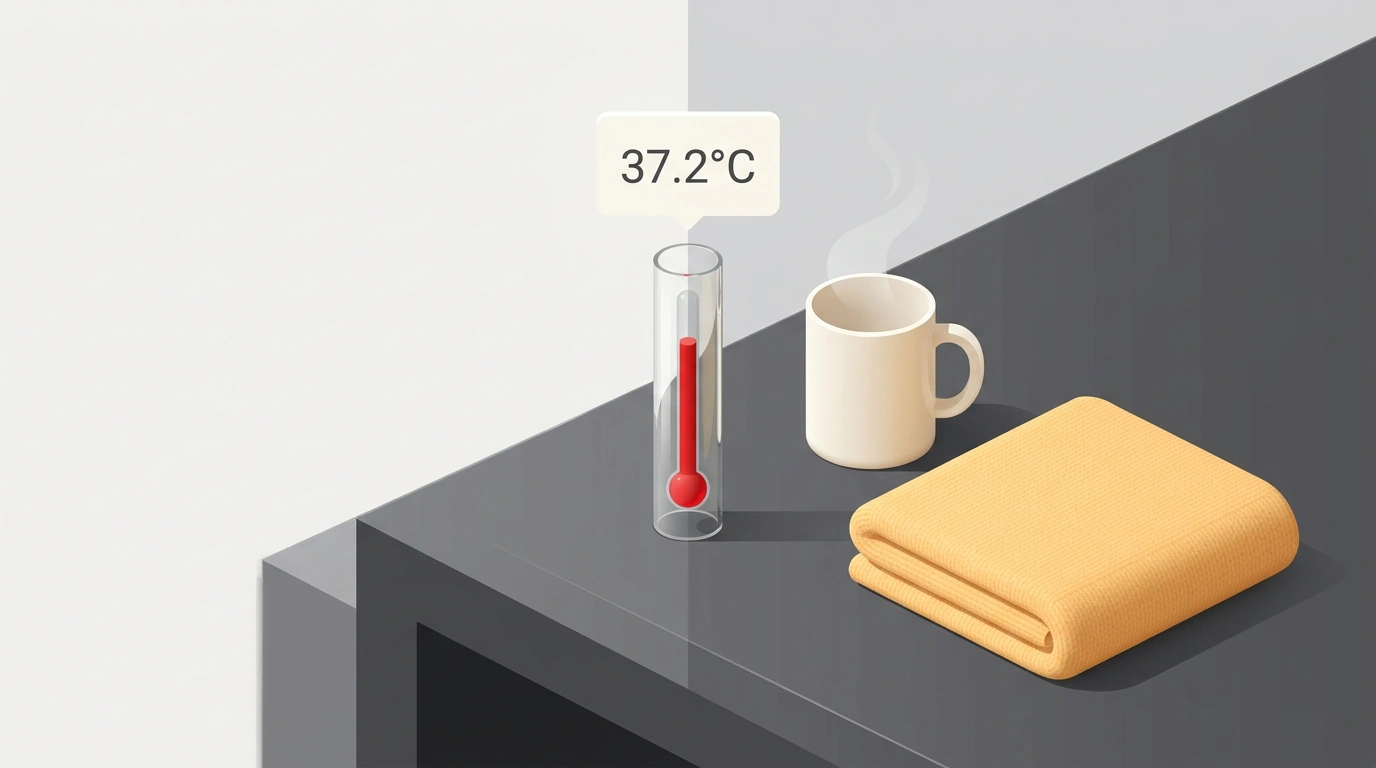
Isometric graphic scene with a room thermometer, a cup of warm tea, and a soft blanket
NoteHealthPracticeImmunityPhysiology

Body Temperature and Immunity: Why Men and Women React Differently to Infections

Ever noticed how differently men and women handle a common cold? Jokes about 'man flu at 37.2°C' sound like lighthearted teasing, but immunologists have uncovered a real biological foundation behind them.

Researchers at the Institut Pasteur studied blood samples from 1,000 healthy adults and found a direct link between basal body temperature and immune-cell activity. In women, higher body temperature sharply boosts protective cytokine output, whereas men show no such correlation. That immune superpower comes with an unexpectedly steep price.

👍 0
Доктор Павлова, эндокринолог
October 28
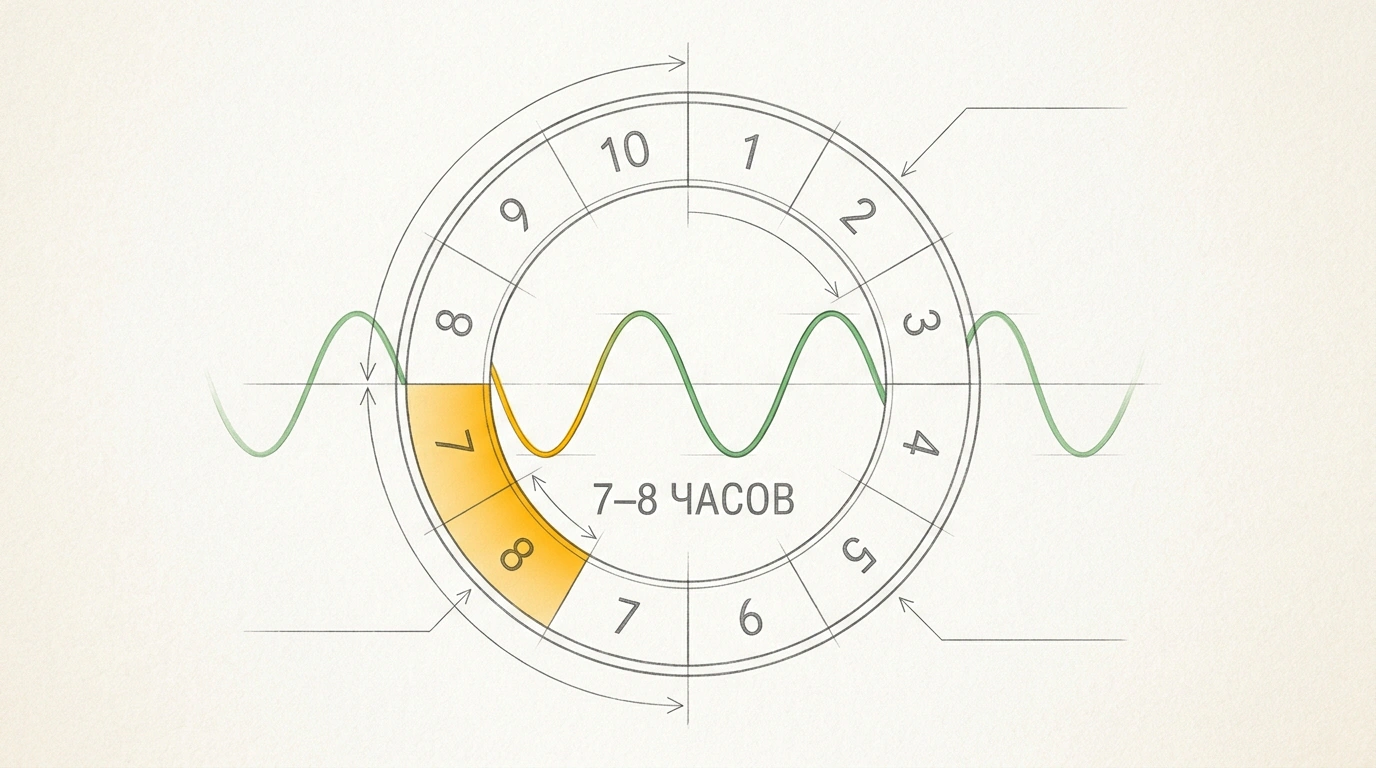
Infographic blueprint of sleep stages and a circadian clock on textured paper with a graphite scale
NoteHealthBiohackingSleepRecovery

Sleep Physiology Hour by Hour: What Happens to Your Body From 1 to 10 Hours in Bed

You've probably heard the advice: 'Sleep as long as you can and you'll stay healthy.' It's tempting to believe extra hours in bed on the weekend erase a week's sleep debt and recharge your batteries.

Cardiology meta-analyses covering hundreds of thousands of people shatter that illusion. The mortality curve for sleep forms a clear U-shape: sleeping under five hours is deadly for your blood vessels, yet regularly sleeping past 9–10 hours doesn't bring extra vitality. The hidden reason behind oversleeping has nothing to do with laziness.

👍 0
Максим Кузнецов
October 28
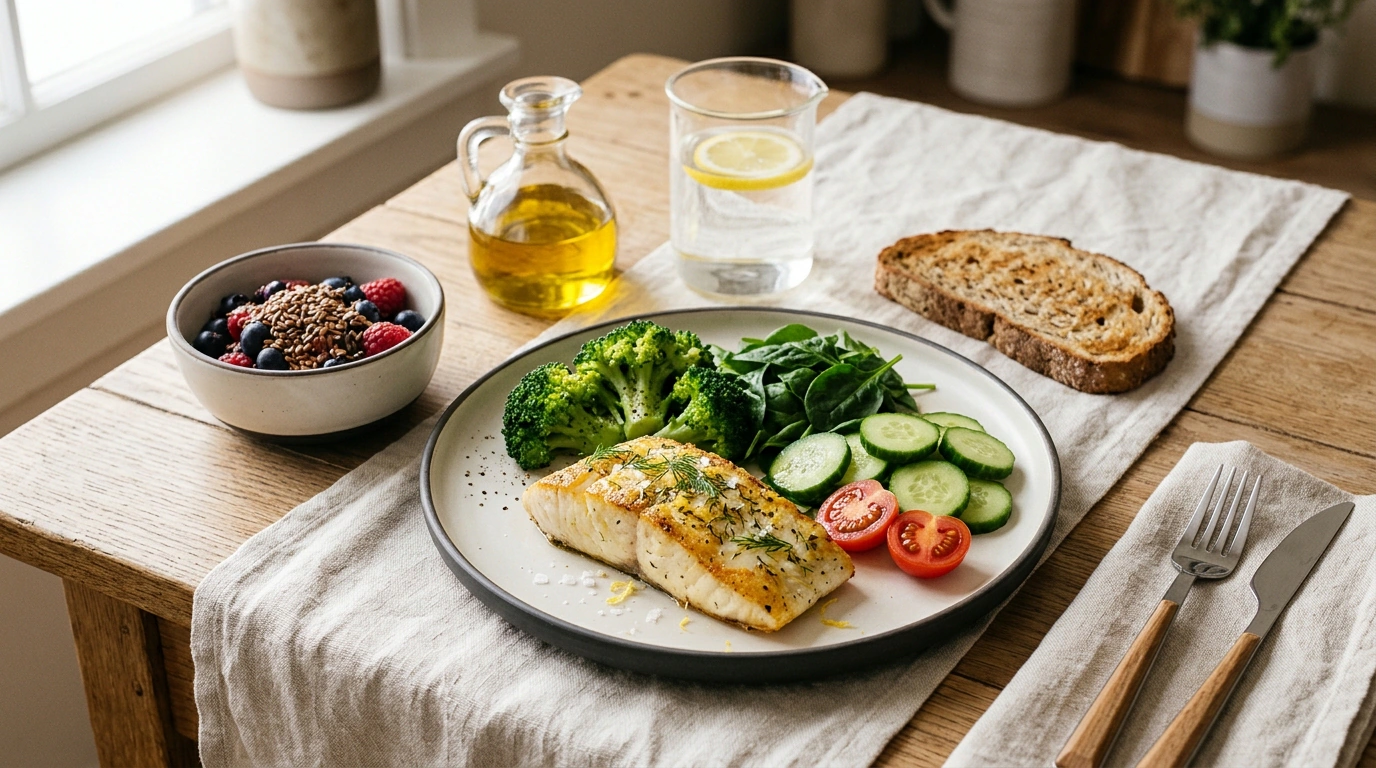
Balanced morning still life with fish, fresh vegetables, leafy greens, and berries on a linen napkin in sunlight
LongreadHealthNutritionDieteticsDiet

Protein and Fiber: The Anatomy of Your Two Main Regulators of Satiety and Gut Health

Trying to lose weight on protein alone often hits a brick wall: you can't stomach another chicken breast, your gut feels like lead, and by evening you're craving sweets anyway.

Digestive biochemistry explains why protein can't carry the load by itself:

  • Without fiber, stomach stretch receptors never send the brain an initial fullness signal;
  • Undigested excess protein triggers putrefactive fermentation in the colon;
  • Only bacterial fermentation of soluble fiber activates the satiety hormones GLP-1 and PYY.

Building that duo on an everyday plate takes zero expensive superfoods.

👍 0
Максим КузнецовDietary fiber and satiety: the effects of fiber on satiety hormones and gut microbiota
October 28
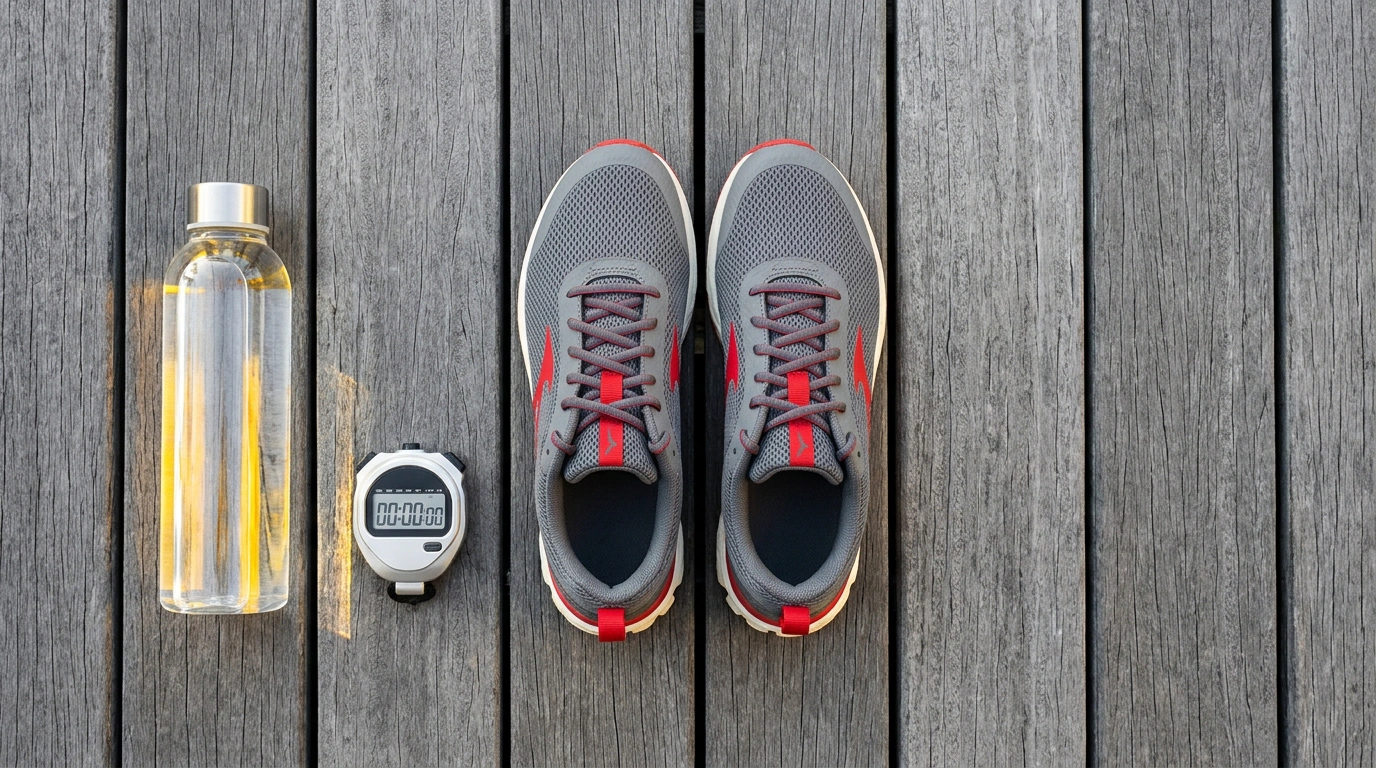
Top-down view of running gear including sneakers, a sports water bottle, and a stopwatch on a wooden deck
NoteHealthPracticeRunningWeight Loss

Morning Runs and Weight Loss: Why This Popular Habit Often Fails to Deliver

Starting a 'new life on Monday' with a brisk 6 a.m. jog is a classic script millions believe in. In practice, a month of daily suffering on the pavement often leaves the scale stuck in the exact same spot.

Endocrinologists explain why: the modest calories burned on a run are wiped out almost instantly by rebound hunger, while untrained joints take a heavy beating. The real key to safe fat loss lies in a very different kind of movement.

👍 0
Максим Кузнецов
October 28
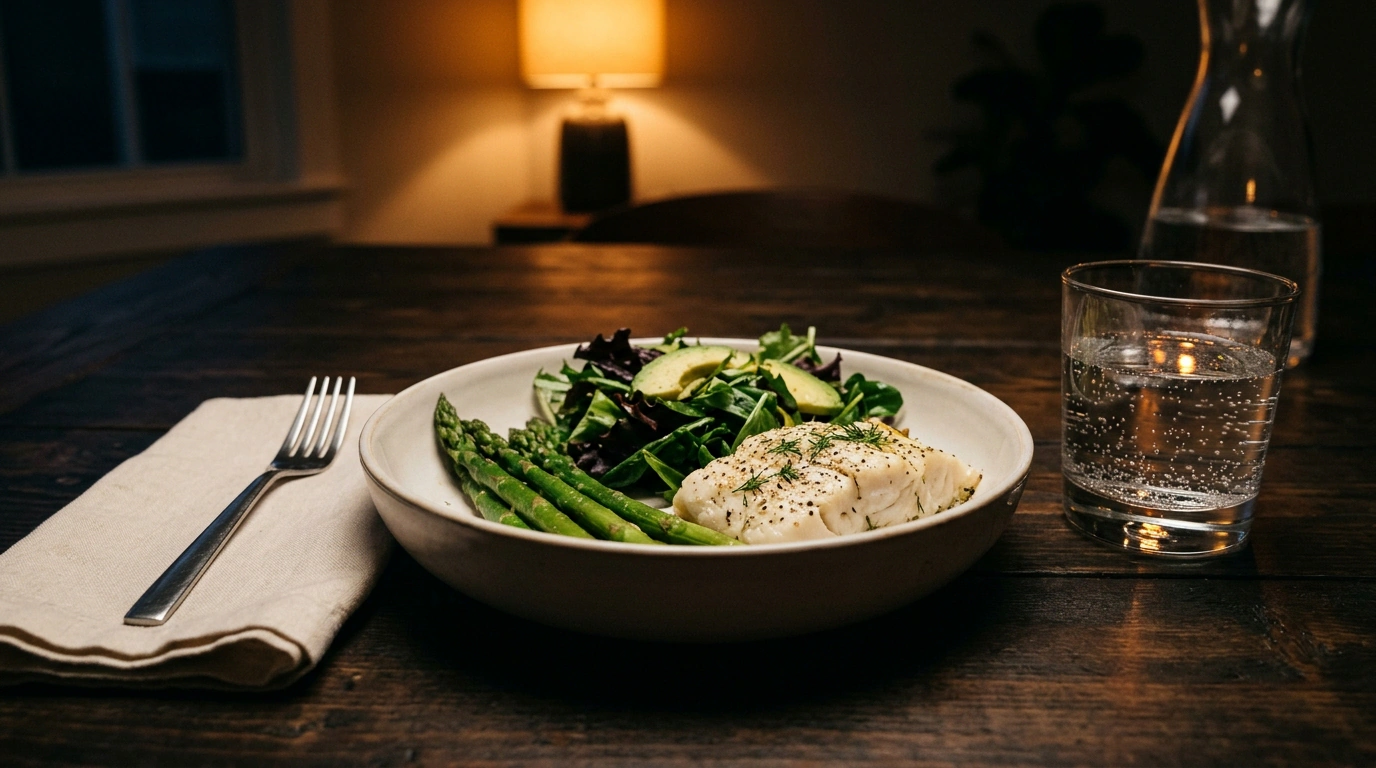
Cozy evening still life with a balanced dinner of fish and green vegetables in soft warm light
ArticleHealthNutritionWeight LossEndocrinology

An Endocrinologist's Ideal Dinner: A Formula for Fullness Without Heaviness or Calorie Overload

Evening is the most vulnerable part of the day. Fatigue piles up, willpower runs dry, and your hand drifts toward the fridge for something fatty or sweet. For years, dietitians banned eating after 6 p.m., warning of weight gain and insulin spikes.

Endocrinologists suggest dropping the guilt and looking at the biochemistry of satiety instead. An ideal dinner built around jacket-baked potatoes, sauerkraut, and lean fish delivers deep fullness for remarkably few calories. The true calorie count of potatoes surprises even seasoned skeptics.

👍 0
Максим КузнецовA satiety index of common foods
October 28
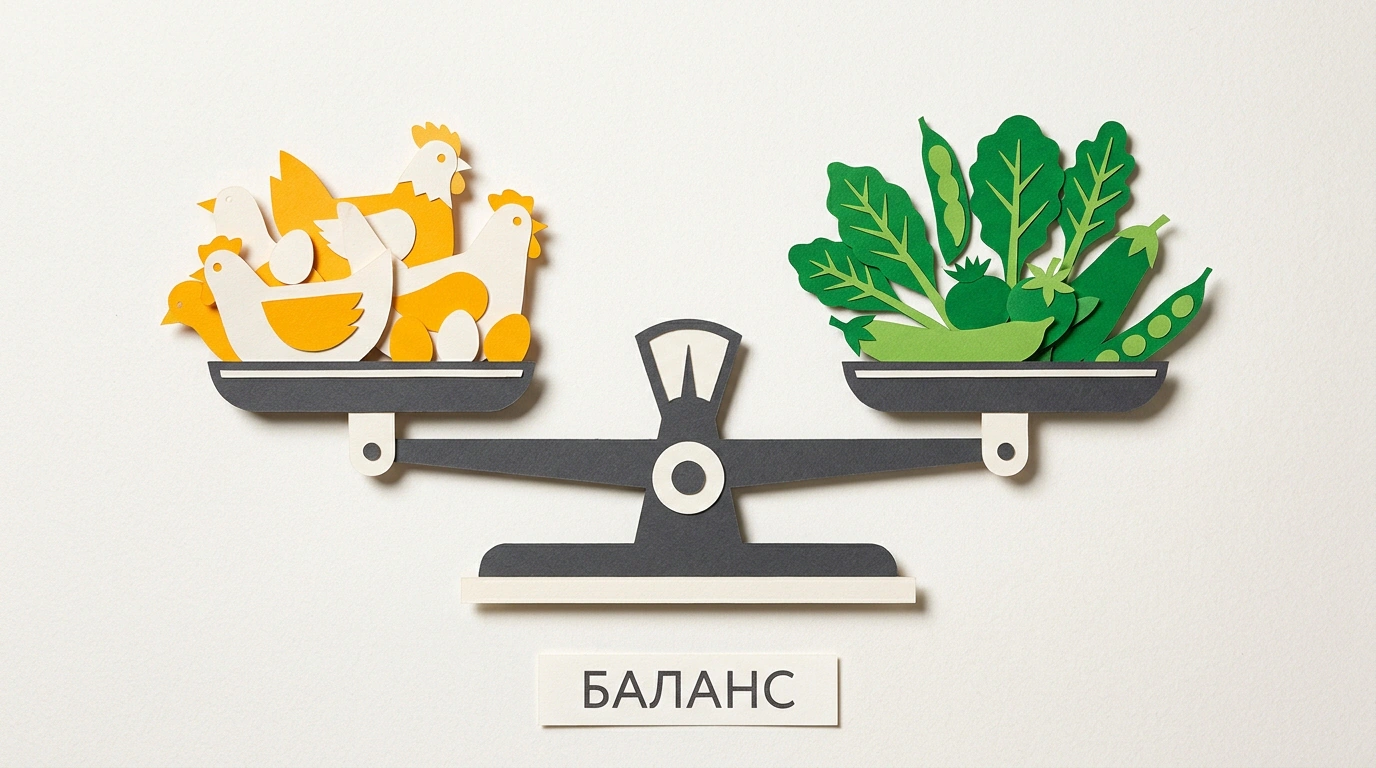
Artistic paper collage featuring apothecary scales, balance pans, and silhouettes of whole foods
NoteHealthNutritionBalanceFitness

The Protein Craze: Why Overdoing Protein Hurts More Than Falling Short—and How to Find Balance

Protein marketing has convinced us that without isolates and bars, you can't build a healthy body. Protein gets stuffed into yogurt, cookies, and chips, pushing people to overload their plates regardless of lifestyle.

Mindful-movement coaches unpack this lopsided trend. For desk-bound adults, excess protein actually does more harm than a mild shortfall—straining the kidneys and crowding out vital fiber. Your body's true physiological protein need looks nothing like bodybuilding dogma.

👍 0
Pilates Flow - Светлана ГринScientific Opinion on Dietary Reference Values for protein: EFSA NDA Panel
October 28
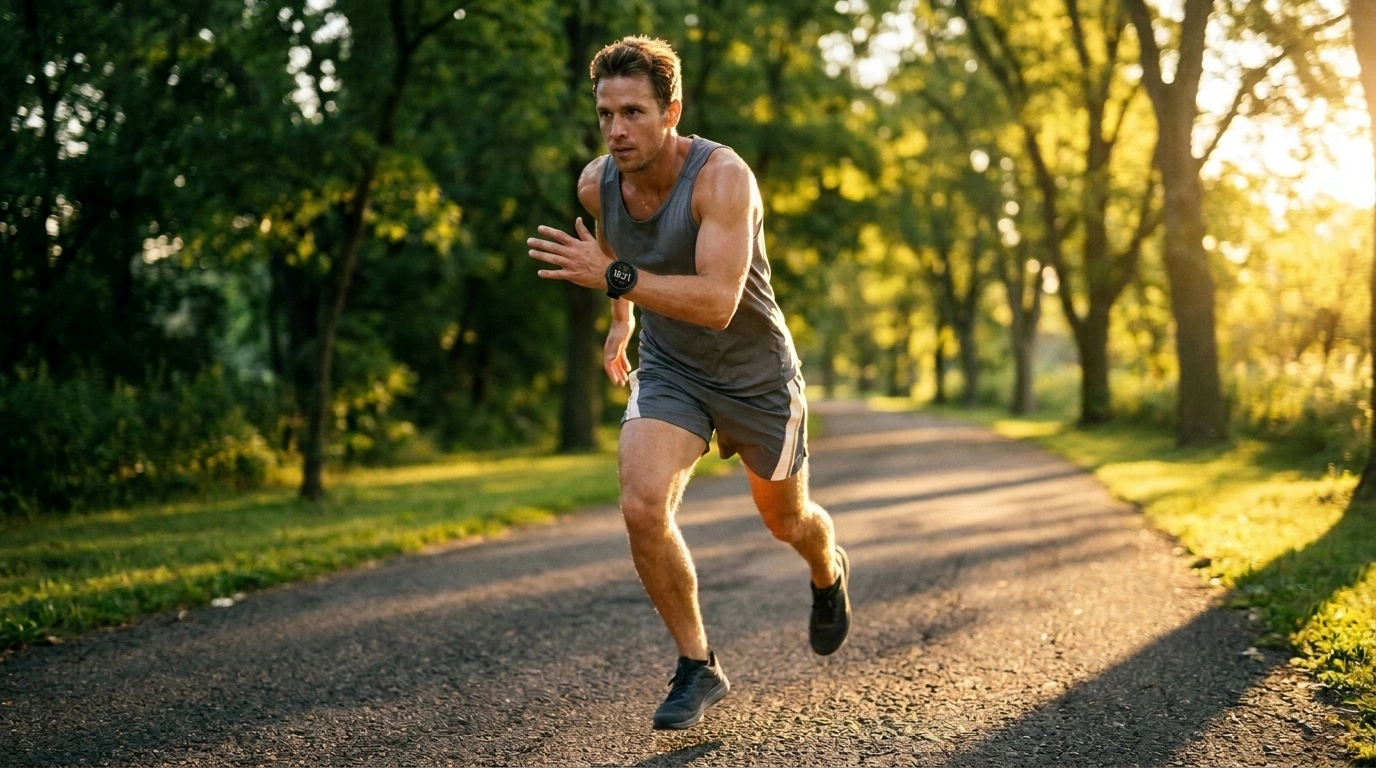
Dynamic reportage shot of a runner striding along a tree-lined park path in morning sunlight
ArticleHealthPracticeRunningEndurance

5 Kilometers in 16 Minutes: Pacing Tactics, Heart-Rate Zones, and Mental Grit

From the sidelines, a 5K looks like a light warm-up compared with a marathon. Yet clocking 16 minutes 21 seconds in a local park run is a relentless battle right on the razor's edge of lactate threshold, where one pacing slip triggers brutal acid buildup.

A tactical race breakdown exposes the anatomy of fast amateur running—from firing up the nervous system before the gun to surviving the physiological crisis at kilometer four. Every runner can learn how to manage their body's reserves from it.

👍 0
Бегать простоPacing strategies for middle- and long-distance running: physiological determinants
October 28
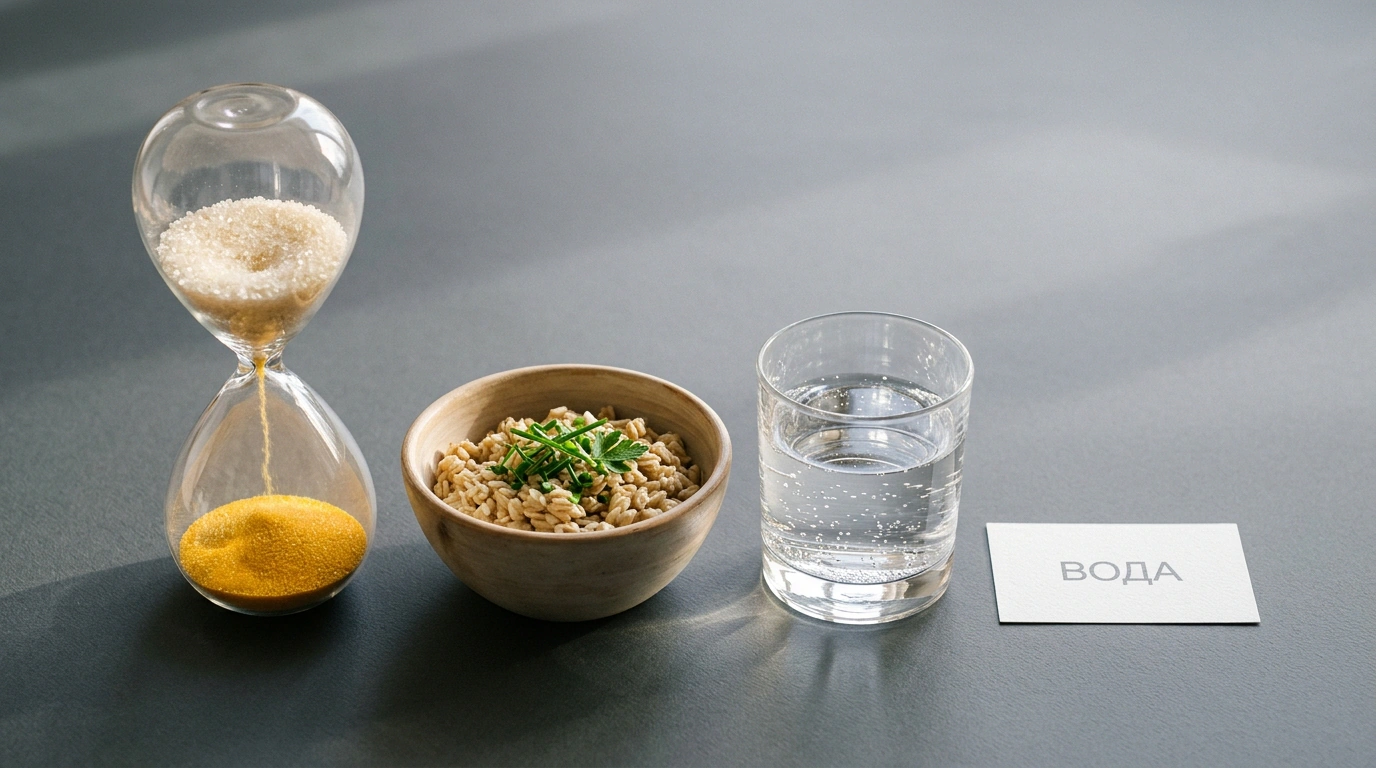
Surreal still life with an hourglass, a bowl of whole grains, and a glass of clear water
NoteHealthNutritionPhysiologyMetabolism

Hearty Dinners, Puffiness, and 'Toxins': Why Evening Meals Don't Cause Diabetes

How many times have you heard: 'Eat after six and food rots in your stomach, you'll wake up puffy, and you'll get diabetes'? Many of us fear the dinner plate and assume any morning bump on the scale means overnight fat gain.

Coaches and physicians tear those unscientific myths apart. There are no mysterious 'slags' clogging your body, your stomach doesn't clock out at midnight, and morning puffiness after carbs is just normal glycogen physics. Real weight gain has nothing to do with the time on the clock.

👍 0
Тренер АртёмAre large dinners associated with excess weight: systematic review and meta-analysis
October 28