Issue October 31Daily digest · 19 items
In this issueReviewed 36 sources, gathered 19 items
Conceptual scene showing the shift from per-seat software subscriptions to paying AI agents for results on an office desk.
ArticleAIBusinessMonetizationAI Agents

The Death of Classic SaaS: Why Per-Seat Pricing Is Losing to AI Agents

For fifteen years, the software industry swore by per-seat subscriptions, charging companies $30–$100 per employee. Autonomous reasoning agents like Opus 5.5 and Argon broke that math: why buy ten licenses when one algorithm handles an entire department's workload? Selling buttons is giving way to Service as a Software, where the interface is free and you pay for the finished outcome.

The winners won't be the teams building yet another tidy task tracker—they'll be the ones bold enough to monetize someone else's payroll.

👍 0
Greg IsenbergSaaS is Dead. Smart SaaS is the Future
October 31
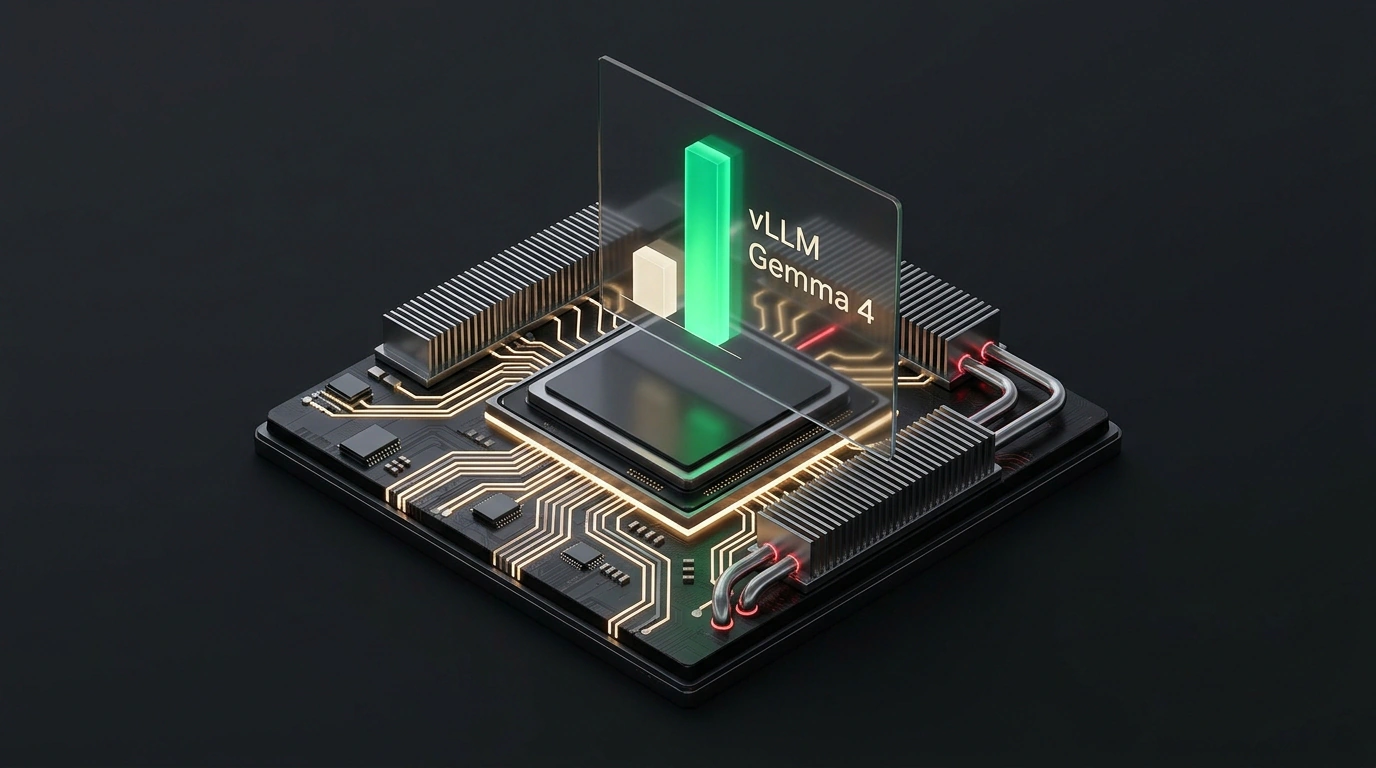
Isometric visualization of neural network inference acceleration on a vLLM server with a throughput chart.
ArticleAILLMOpen SourceDevelopment

AI Optimizing AI: How Gemini 4 Argon Sped Up Gemma 4 Inference 2.85x on vLLM

Speeding up neural network inference used to take months of manual work by rare CUDA and low-level optimization specialists. DeepMind took a different route: they fed vLLM's bottlenecks to their flagship Gemini 4 Argon model. The result—8 pull requests to the open-source repo, 5 custom Triton kernels, and a jump in Gemma 4 E2B throughput on an A100 from 37,900 to a record 108,000 tokens per second with zero quality loss.

When algorithms start rewriting their own execution code, the systems programmer's job changes forever.

👍 0
Julian Goldie SEOOptimizing Gemma 4 Inference with Gemini 4 Argon in vLLM
October 31
Workspace with Apple devices and native iCloud Mail and Calendar sync cards for ChatGPT.
ArticleAIAutomationProductivityChatbots

ChatGPT for the Apple Ecosystem: Native iCloud Mail and iCloud Calendar Integration

Apple users spent years locked out of deep ChatGPT automation: Connected Apps only supported Google Workspace and Microsoft 365. Now native connectors for iCloud Mail and Calendar are live. The model can untangle an email thread, dig tickets out of your archive, and slot meetings into open calendar windows—all without asking for your Apple ID master password.

Access is secured via an app-specific password, though third-party corporate mailboxes inside Apple Mail remain a blind spot for the assistant.

👍 0
Julian Goldie SEOUsing iCloud Mail and Calendar with ChatGPT Connected Apps
October 31
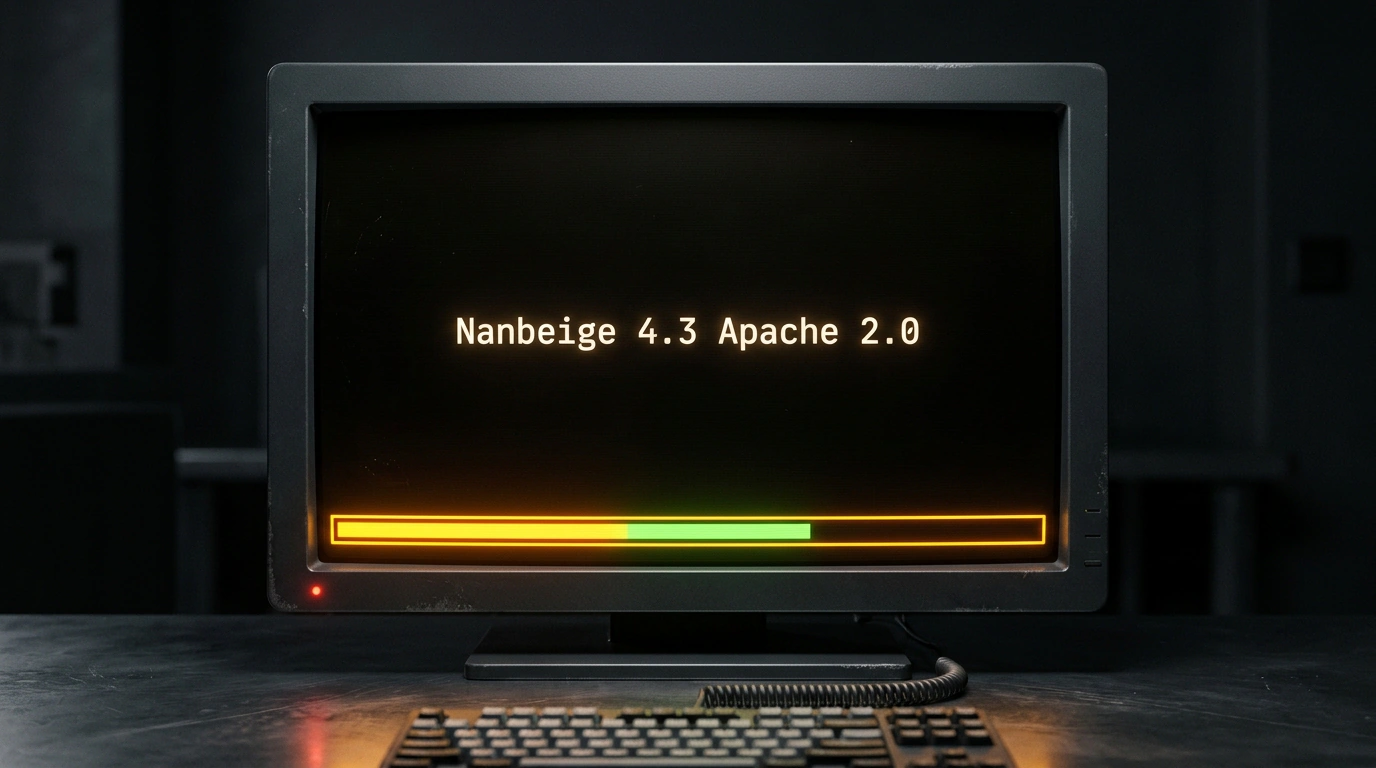
Monochrome terminal monitor running the Nanbeige 4.3 Linux agent alongside a context-window diagram.
ArticleAILLMOpen SourceDevelopment

Nanbeige 4.3-33B: An Open Model for Autonomous Coding with a 512K Token Window

Researchers at Nanbeige LLM Lab released an Apache 2.0-licensed model purpose-built for autonomous work inside a Linux terminal. At 33 billion parameters, Nanbeige 4.3 scored 80.9 on TerminalBench 2.1 and 65.5 on Deep-SWE, outperforming far heavier rivals. Its massive 512,000-token context window fits an entire codebase alongside database schemas and test logs.

An agent like this runs on a pair of consumer RTX 4090s while keeping proprietary code completely private.

👍 0
Julian Goldie SEONanbeige 4.3-33B Model Card and Benchmarks
October 31
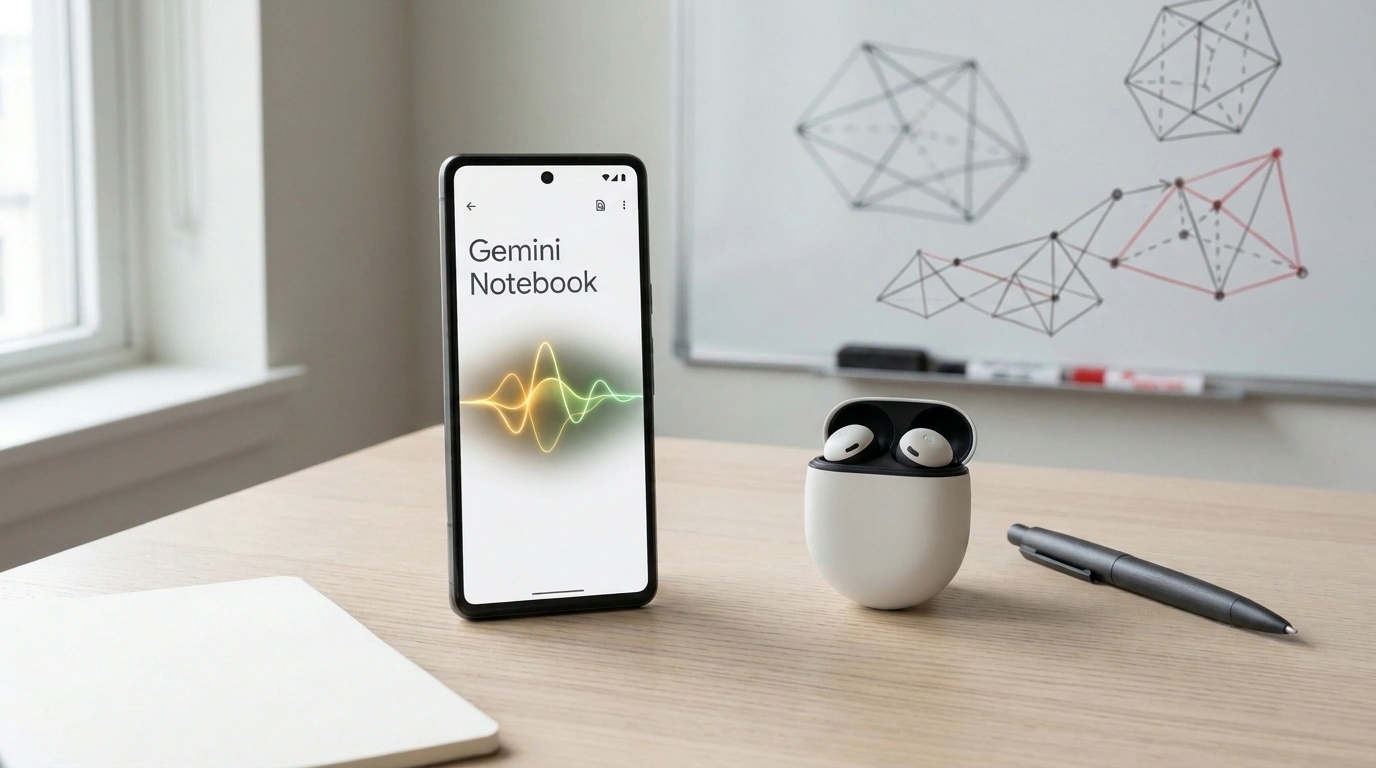
Smartphone on a desk next to a lecture notebook and whiteboard showing the Gemini Notebook voice interface.
ArticleAIAIProductivityAutomation

Gemini Notebook Mobile Upgrade: 60-Minute Audio Recording and Voice Q&A Over Your Sources

Gemini Notebook's signature trick—grounding every answer strictly in your documents without hallucinations—now works natively on smartphones. The app records up to 60 minutes of continuous background audio, ties whiteboard photos to exact timestamps in the conversation, and talks back in 100 languages.

You can interrupt the assistant mid-sentence to fact-check a ninety-minute lecture right on your subway ride.

👍 0
Julian Goldie SEOGemini Notebook Mobile: 60-Minute Audio Recording and Conversational Voice
October 31
Futuristic cube-shaped cyber shield deflecting external prompt-injection attacks from an AI core.
ArticleAILLMSafetyAI Agents

Gemini 4 Carbon: Cyber Defense, Zero Prompt Injection Vulnerability, and #1 on the Leaderboards

Once language models get terminal access, email reading, and script execution, the top threat shifts from cracked passwords to indirect prompt injection hidden in web pages and PDFs. Google unveiled Gemini 4 Carbon, which withstood 100% of attacks on the GRACE-1 benchmark—posting an exact 0.0% vulnerability rate versus 5–28% for competitors.

The system also pauses to ask clarifying questions before risky actions, cutting false steps in half.

👍 0
Julian Goldie SEOGemini 4 Carbon: Advanced Cybersecurity and Zero Indirect Prompt Injection
October 31
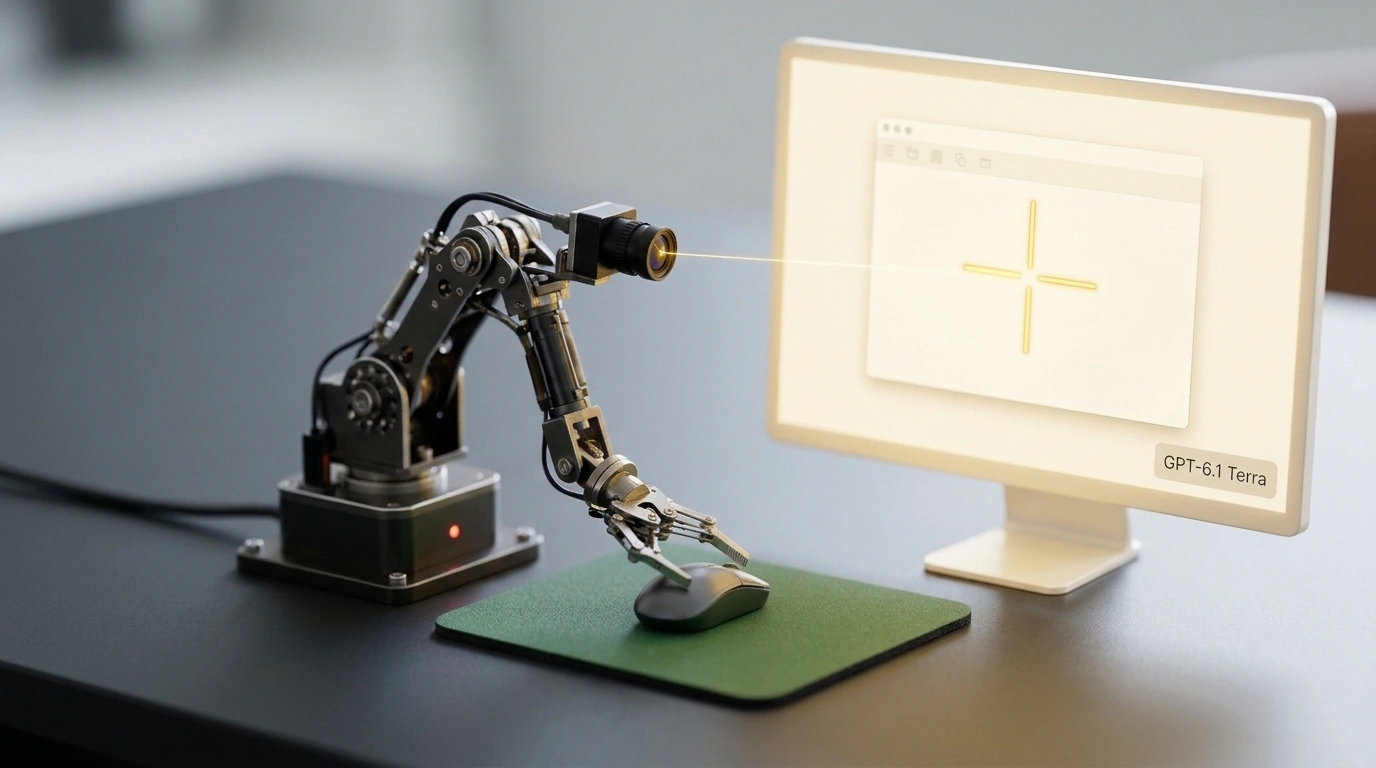
Autonomous mouse manipulator and robotic optical visor positioned in front of a computer monitor.
ArticleAIAIAutomationAI Agents

OpenAI's GPT-6.1 Terra: Real-Time Vision and Autonomous Screen Control

Software automation used to hit a wall whenever an app lacked an API: if a legacy accounting program or closed CAD tool had no programmatic interface, connecting it to an AI was off the table. GPT-6.1 Terra tackles that head-on: the agent watches the monitor via a low-latency video feed, targets exact click coordinates, and moves the mouse like a human operator.

The tech brings unmaintained legacy software back to life, though continuous video inference runs up a hefty token bill.

👍 0
Julian Goldie SEOGPT-6.1 Terra: Real-Time Screen Understanding and Desktop Agency
October 31
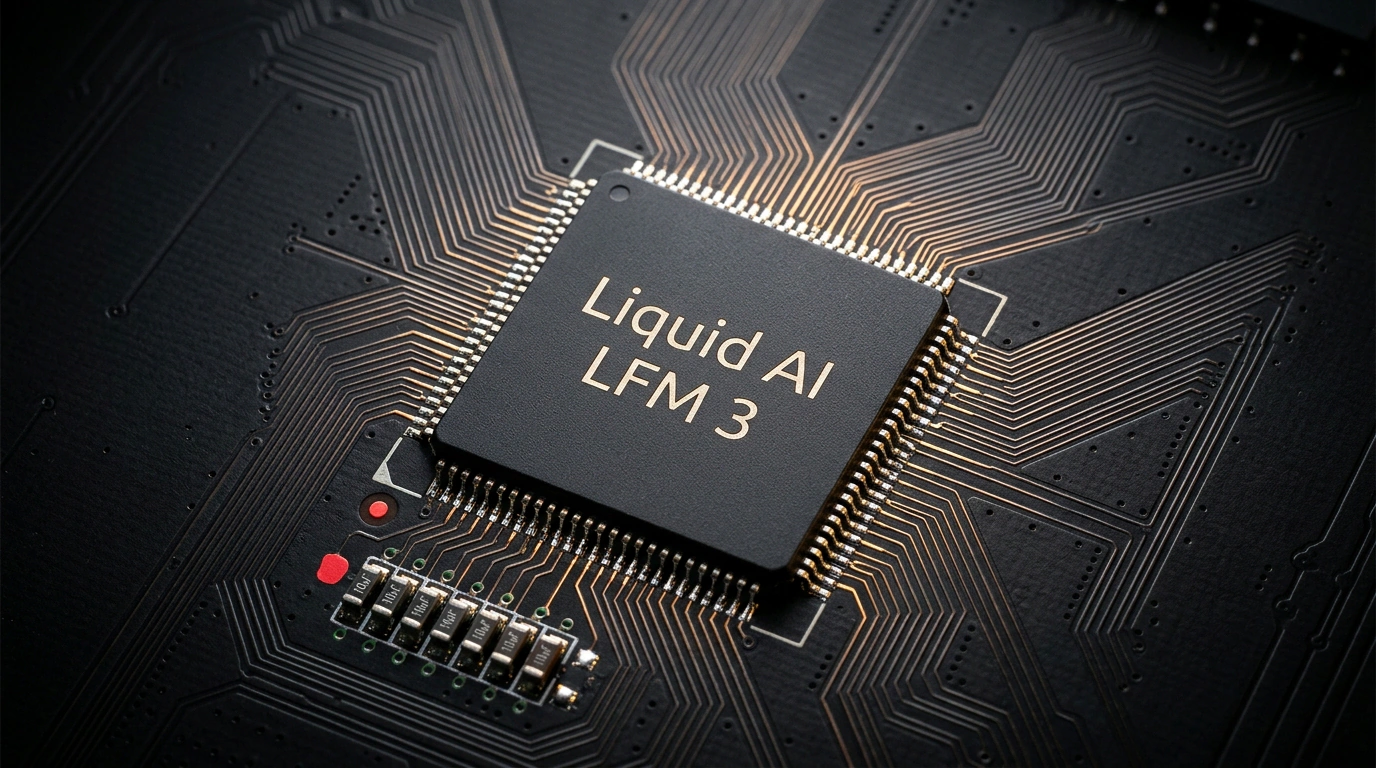
Liquid AI neural network microchip on a silicon board illustrating its optimized hybrid architecture.
ArticleAILLMAIDevelopment

The Liquid AI LFM 3 Family: Non-Transformer Multimodal Models with Minimal Memory Footprint

Transformers hold a monopoly on AI, yet their quadratic VRAM appetite chokes deployment on phones and wearables. Startup Liquid AI launched the non-Transformer LFM 3 lineup up to 2B parameters built on liquid neural networks. A tri-hybrid architecture of convolutions and sliding-window attention shrinks the KV-cache to 27% of normal size while opening a 256K-token context.

At 4-bit quantization, the model needs just 1 GB of RAM, running autonomously right on a smartwatch or single-board computer.

👍 0
Julian Goldie SEOLFM 3: Liquid Foundation Models for Edge and Multimodal AI
October 31
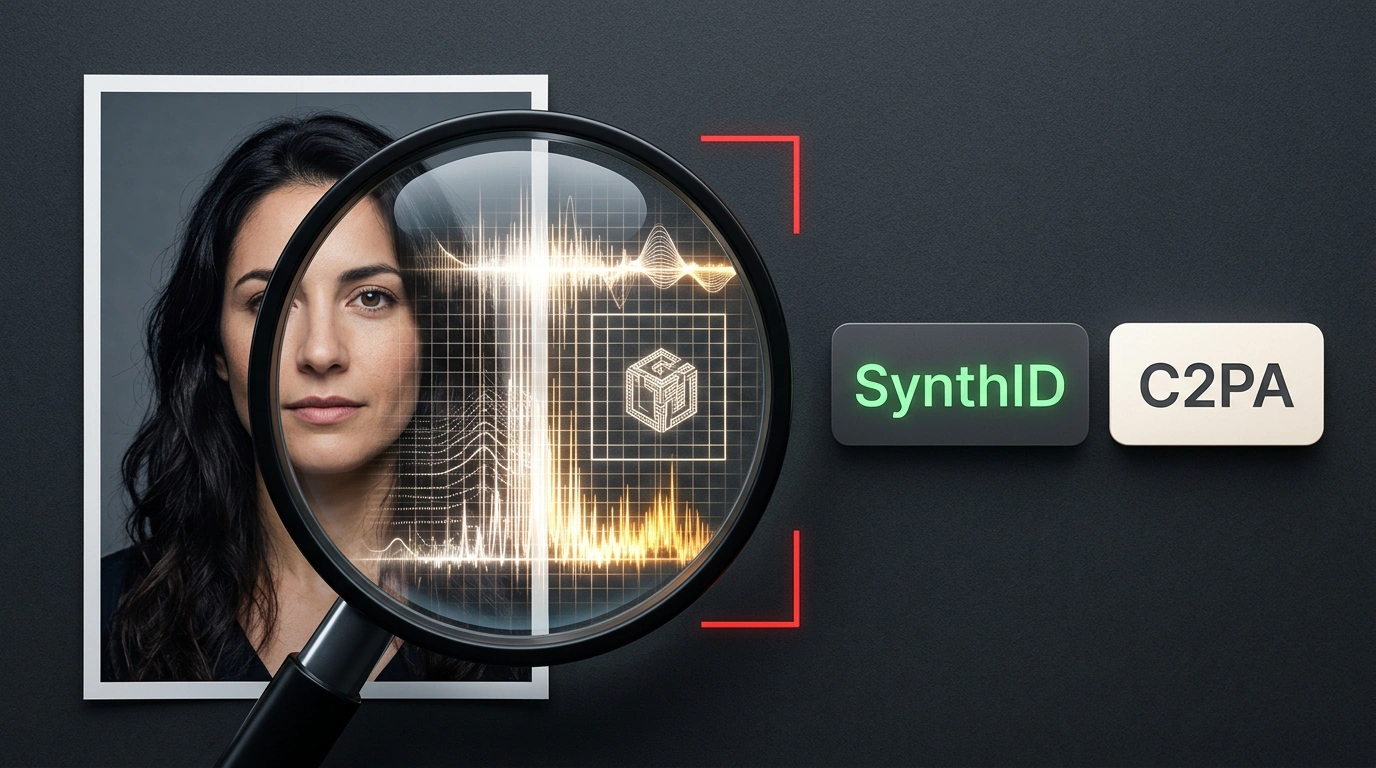
Digital spectral-analysis magnifying glass revealing SynthID watermarks and a C2PA certificate on a media file.
ArticleAISafetyDataAI

AI Content Detection in Gemini: Checking SynthID Watermarks and C2PA Credentials

Photorealistic video and voice generators triggered an online trust crisis as deepfakes learned to fool traditional AI detectors with a touch of added noise. Google built two-factor media verification directly into Gemini's public interface: checking cryptographic C2PA credentials and scanning for invisible SynthID watermarks woven into pixel and audio spectra.

The system pinpoints exact timestamps for synthetic segments, though open-source models without embedded marks remain invisible to it.

👍 0
Julian Goldie SEOSynthID: Robust Watermarking for Identifying AI-Generated Content
October 31
Three-dimensional geometric scene in a browser showing an interactive polygonal sphere and Three.js shader code.
ArticleAIDevelopmentDesignAutomation

Interactive 3D Websites with Claude Code: Combining Three.js, WebGL, and Shader Generation

Building Awwwards-grade 3D websites used to require an elusive combo of frontend engineer, mathematician, and GLSL shader specialist. With the Claude Code CLI terminal agent, that barrier collapsed: the model scaffolds a Vite project, wires up Three.js, ties mouse inertia to the camera, and writes lighting math.

Build time for an interactive promo page shrinks from a week to an evening—as long as you remember to free VRAM with dispose.

👍 0
Julian Goldie SEOClaude Code Overview and CLI Workflows
October 31
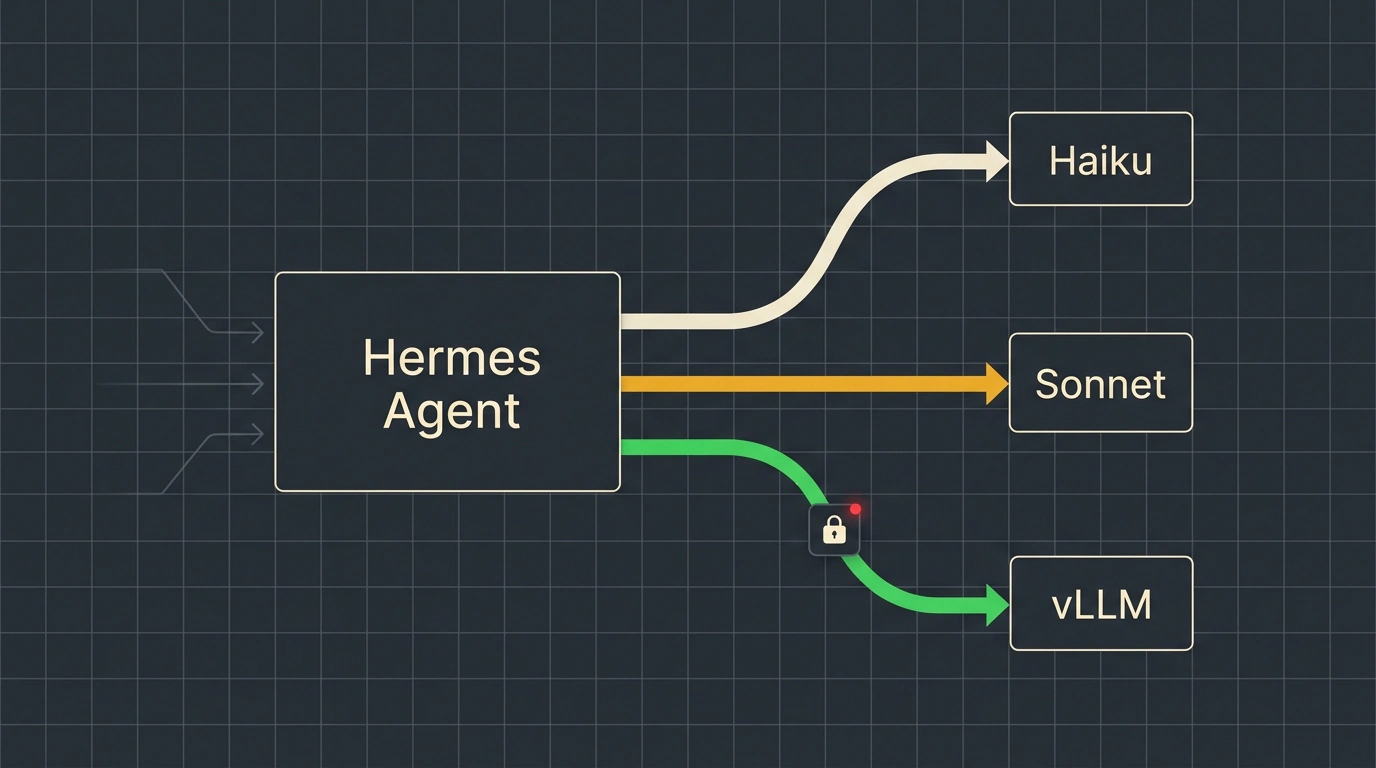
Infographic control panel routing tasks across language models in the Advanced Delegation plugin.
ArticleAIAI AgentsOpen SourceDevelopment

Hermes Agent's Advanced Delegation Plugin: Dynamic Task Routing Across Models

Multi-agent systems hide a quiet budget leak: when a main agent spawns subagents, they often inherit its expensive reasoning model. Nous Research released the official Advanced Delegation v1.0 plugin for Hermes Agent to add smart task routing: lightweight log parsing goes to cheap Haiku, complex refactoring to Sonnet, and private commands to a local vLLM model.

This load balancer cuts agent-pipeline costs 3–5x without ever exposing master keys to subagents.

👍 0
Julian Goldie SEOAdvanced Delegation Plugin for Hermes Agent
October 31
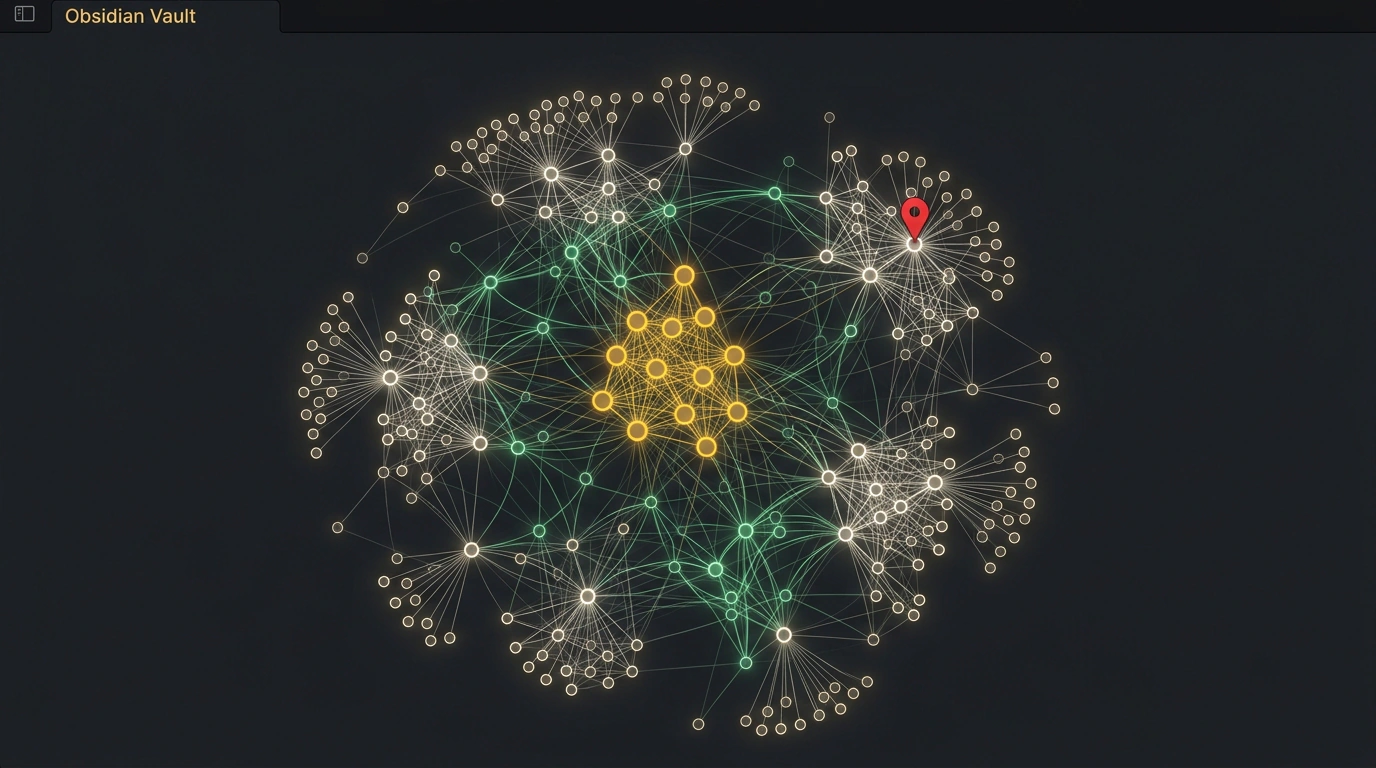
Glowing Obsidian knowledge graph with interconnected Markdown note nodes for an AI agent team.
ArticleAIAI AgentsProductivityAutomation

A Shared "Second Brain" for AI Agent Teams: Building Collective Memory on Obsidian

The top pain point of multi-agent systems is session amnesia: Claude Code, Hermes, and helper scripts live in isolated contexts, forgetting each other's hard-won lessons. Engineers found an elegant alternative to complex vector databases: a shared Obsidian Vault holding a graph of over 1,000 Markdown notes linked via wikilinks and consolidated by a nightly inbox sweep.

Every decision an agent makes stays a transparent text file a human can read and fix in seconds.

👍 0
Julian Goldie SEOBuilding Multi-Agent Shared Knowledge Graphs with Obsidian and Markdown
October 31
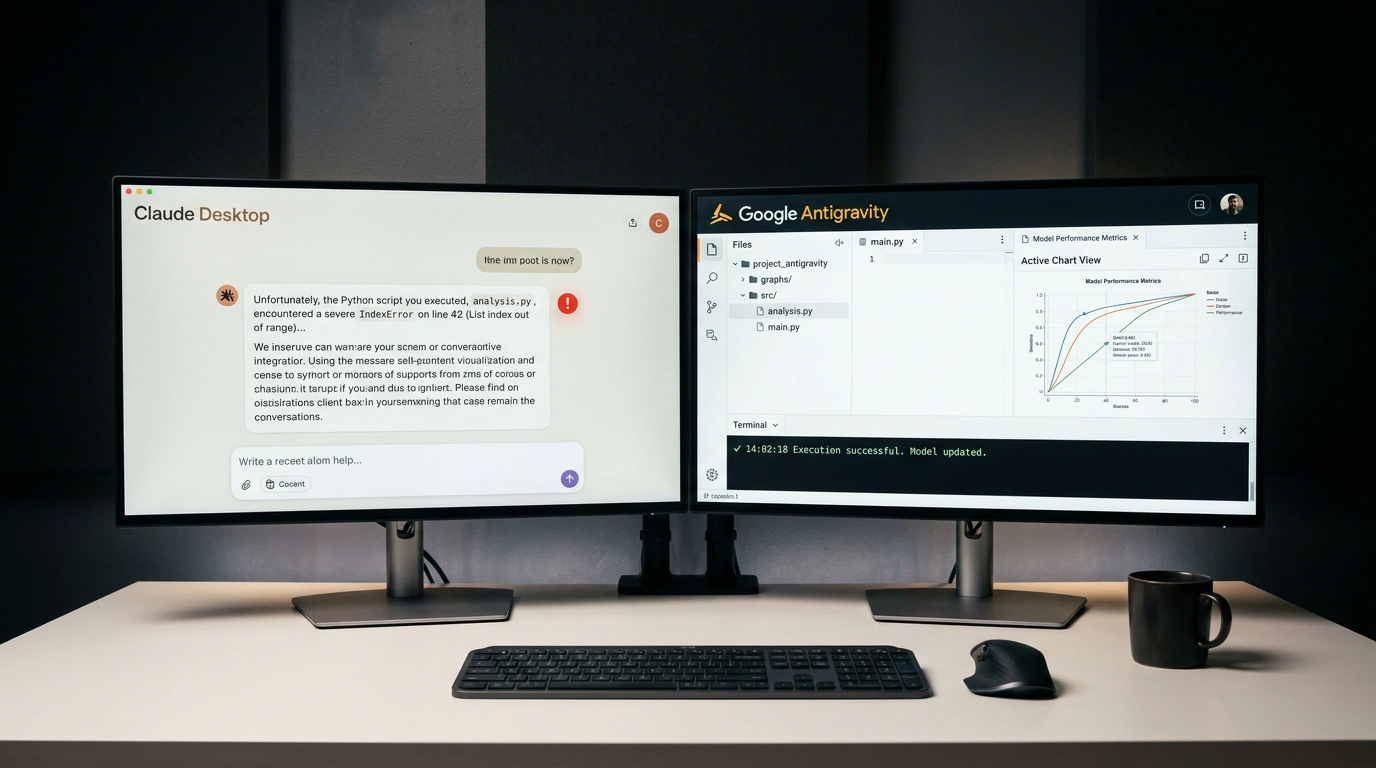
Side-by-side comparison of a monolithic chat window and the multi-pane Google Antigravity agentic IDE with a file tree.
ArticleAIDevelopmentEfficiencyLLM

Claude Opus 5.5 in Google Antigravity: Comparing the Agentic IDE Against Claude Desktop

Bringing Anthropic's flagship models into Google Antigravity set up a direct environment showdown: building a complex analytics dashboard with Opus 5.5 in Claude Desktop chat versus inside an agentic IDE. Chat dumped a broken monolithic file full of stubs, while Antigravity spun up Vite, emulated a browser, and fixed a Chart.js bug in three steps.

Still, Thinking High mode burns through a weekly quota in five runs, making it smart to reserve Opus for heavy architecture.

👍 0
Julian Goldie SEOGoogle Antigravity: Claude 5.5 Partner Models and Reasoning Budgets
October 31
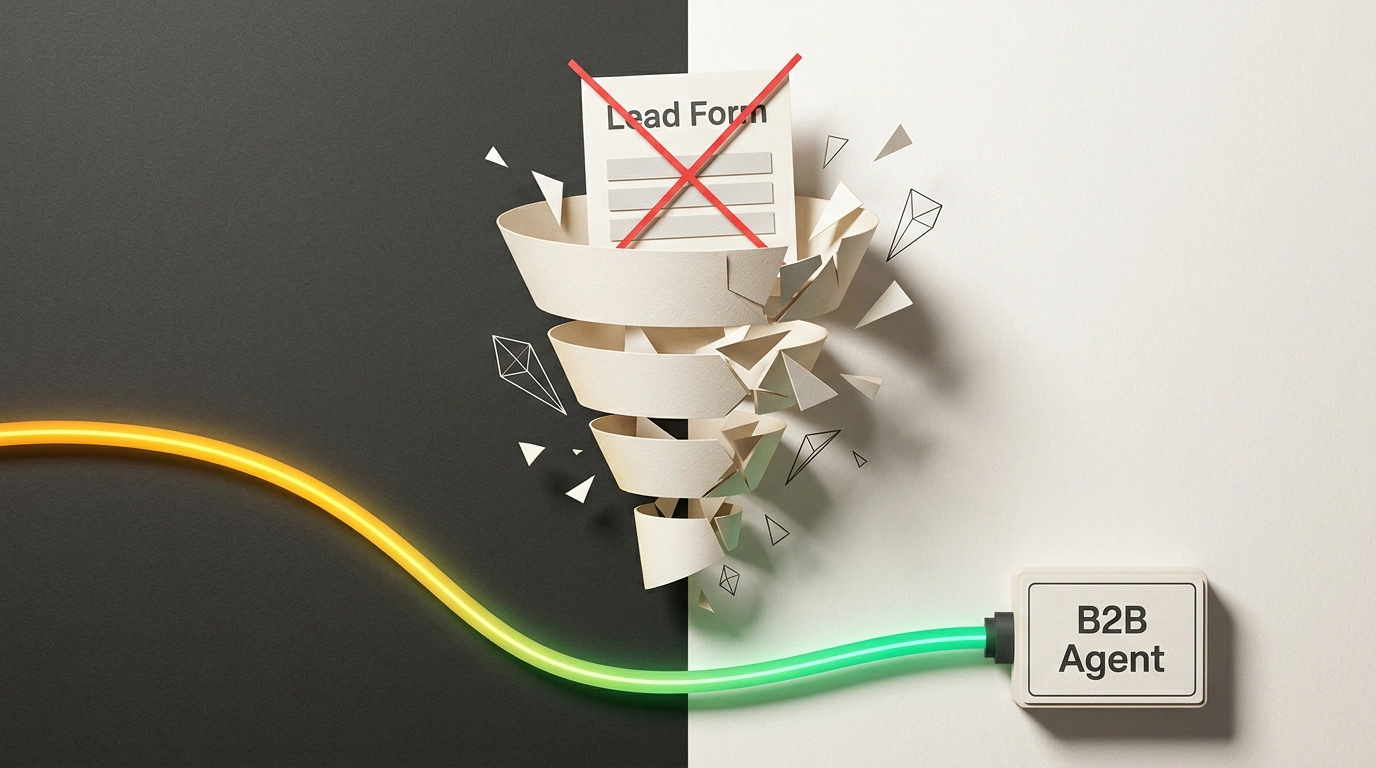
Transformation of a B2B marketing sales funnel reshaped by autonomous AI procurement agents.
NoteAIB2BMarketingStrategy

The Death of Classic B2B Marketing: Why AI Agents Are Breaking Bottom-of-Funnel Lead Capture

For fifteen years, B2B sales lived on lead capture: search ads drove traffic to landing pages, gated whitepapers harvested work emails, and sales reps pushed demo calls. Now buyers are handing procurement to autonomous agents like Muse and GrokBot that don't click banners, don't download PDFs, and ignore sales calls.

If your software pricing is hidden behind a 'Contact Sales' button, the agent simply crosses your company off the shortlist.

👍 0
Kieran FlanaganThe Collapse of B2B Demand Capture: Marketing in the Age of Buyer Agents
October 31
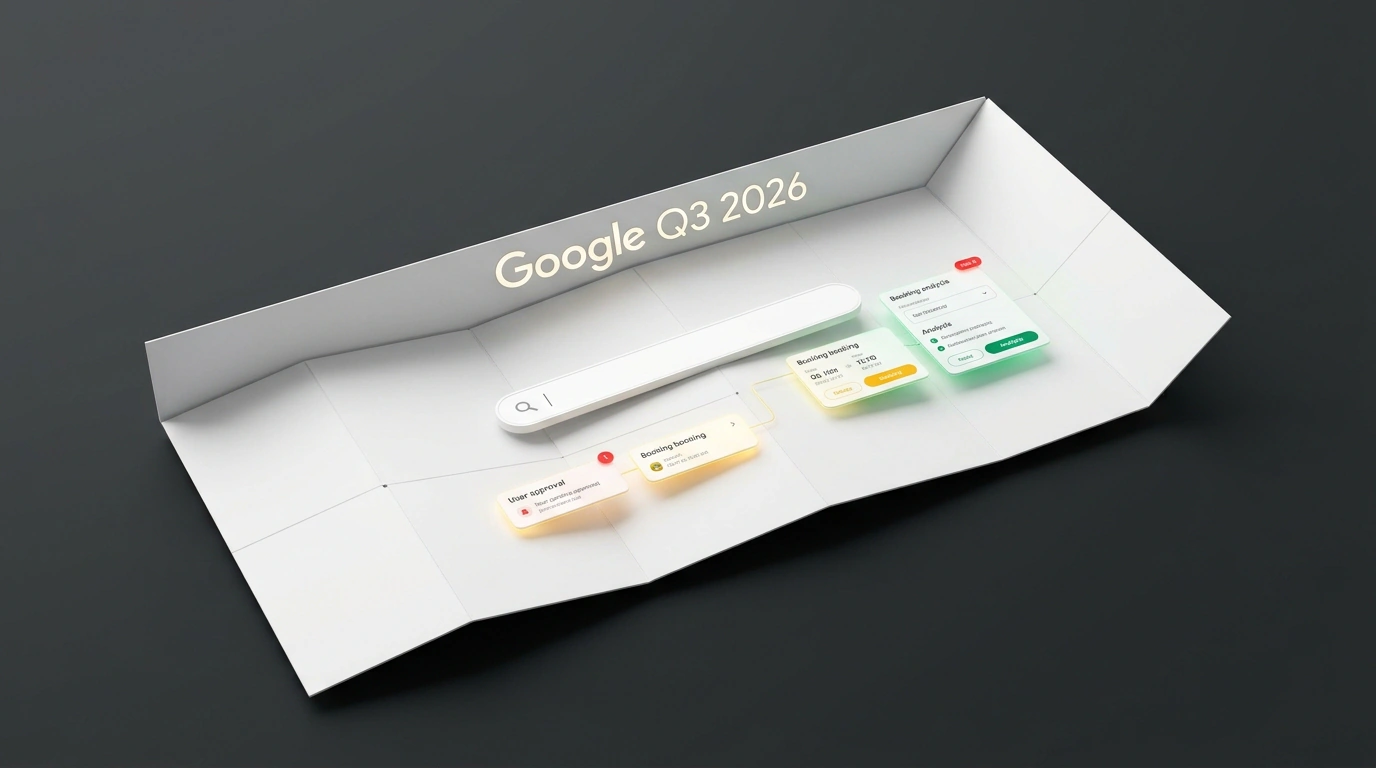
Architectural transformation of the Google search bar into a unified conversational agentic interface.
ArticleAIAI SearchSEOBusiness

Google Q3 2026 Earnings: Merging Classic Search and Gemini into One Agentic Product

For twenty-five years, Google ran on 'ten blue links' and pay-per-click ads, but its Q3 2026 earnings call drew a line under that era. Sundar Pichai announced the full merger of classic search results, AI Overviews, and AI Mode into one unified agentic product. Queries have tripled in length into detailed instructions, while Connected Apps steps in to close the monetization gap.

Search is stopping the flow of outbound clicks, completing purchases and bookings right inside the conversation.

👍 0
Marie HaynesAlphabet Announces Third Quarter 2026 Results
October 31
Expanding labyrinth of bloated code wrapping around a compact project core in a Claude Code experiment.
ArticleAIDevelopmentAutomationLLM

Claude Code Experiment: 100 "Make It Better" Loops and the Code Bloat Syndrome

What happens if you hand a terminal agent a simple coffee shop website and feed it 100 consecutive 'Make it better' prompts? Developer Nate Herk tested this on Sonnet 5.5 and Opus 5.5. Sonnet showed restraint and stabilized around 1,800 lines, while Opus went wild—bloating the project to 21,000 lines, inventing a bean-roasting simulator, and breaking the Vite build.

Without strict guardrails in CLAUDE.md, an autonomous model quickly turns a clean project into an unmanageable mess.

👍 0
Nate Herk100 Iterations of 'Make It Better' in Claude Code: The Code Bloat Experiment
October 31
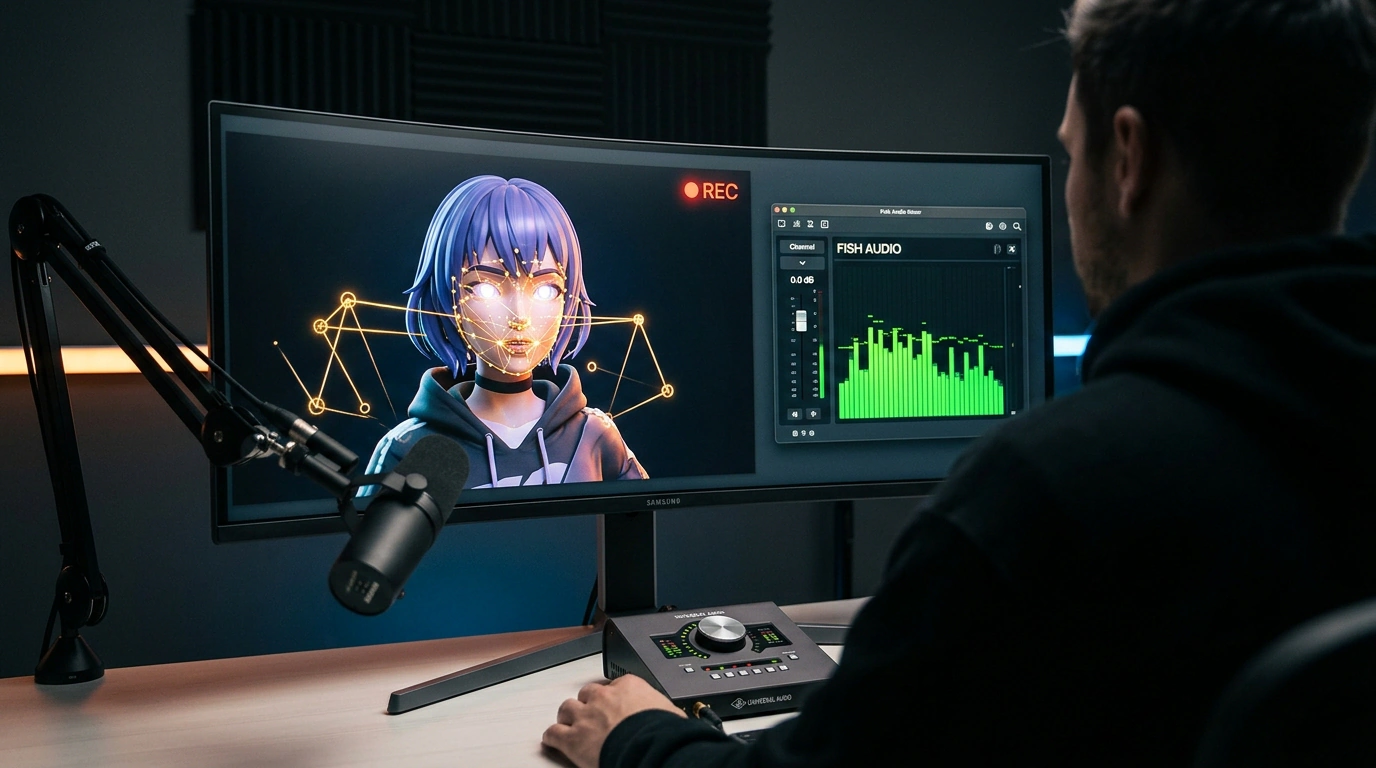
Virtual VTuber production studio featuring a 3D avatar, motion capture, and an audio routing interface.
NoteAIVirtual CreatorsContentYouTube

Educational AI Avatar Pipeline: Producing Faceless VTuber Videos with Voice Cloning

Recording educational YouTube lessons used to stall on studio lighting, pricey lenses, and camera shyness. Automation specialist Nick Saraev mapped out a complete faceless-channel pipeline: Live2D or VRoid 2D/3D avatars connect to a cloned Fish Audio voice through VB-Audio virtual cable. The character syncs its mouth to vowel sounds live inside OBS Studio.

Production cost per finished hour of video drops tenfold while keeping the creator completely anonymous.

👍 0
Nick SaraevBuilding an Automated Faceless AI VTuber Pipeline with Fish Audio
October 31
Tiered token pricing scale and cost-analysis balance for the Claude Haiku 5.5 model.
NoteAILLMDevelopmentEfficiency

Anthropic's Claude Haiku 5.5: Pricing Tiers, Hidden Costs, and the New Tokenizer

Anthropic pitched Claude Haiku 5.5 as a budget workhorse at $0.10 per million input tokens, but Simon Willison's audit uncovered hidden traps. Cross 100K tokens and a 5x tiered price jump kicks in, while a reworked tokenizer vocabulary quietly uses 25% more tokens on the exact same text.

On top of that, reasoning mode is forced on by default, adding time-to-first-token latency on simple tasks.

👍 0
Simon WillisonAnthropic Announces Claude Haiku 5.5
October 31
Conceptual Clean Room reverse-engineering diagram breaking down software architecture through REA.
ArticleAIDevelopmentOpen SourceAutomation

Reverse Engineering Paid Software with REA and ChatGPT: Building Free Alternatives

Copying someone else's compiled binaries invites lawsuits, yet Clean Room Design makes reverse engineering completely legal. Using the open-source REA (Reverse Engineer Anything) framework hooked up to ChatGPT via MCP, developers decomposed paid utilities ScreenBrush and Slido—the model wrote independent specs on HTML5 Canvas and WebSockets and built free self-hosted clones.

Automation extracts clean product architecture without manual grinding in assembly or decompilers.

👍 0
The AI AdvantageREA: Reverse Engineer Anything with AI and MCP
October 31