Issue October 27Daily digest · 15 items
In this issueReviewed 68 sources, gathered 15 items
Conceptual 3D visualization of the Pingora proxy consistent hashing ring showing virtual node optimization and RAM savings.
ArticleDevelopmentAlgorithmsRustOptimization

How Math and Rust Helped Cloudflare Save 100 TB of RAM

100 terabytes of RAM can be reclaimed across a global network without buying a single new memory stick. Cloudflare engineers proved this in production when their Rust-based Pingora proxy started hitting memory ceilings due to its consistent hashing algorithm.

Instead of inflating hardware budgets, the team recalculated node distribution using probability theory and inspected how the compiler aligns structs in memory. Simply shifting hash points on the fly risked flushing terabytes of cache and triggering a traffic stampede to customer origins.


👍 0
DevOps&SRE LibraryCloudflare Blog: Saving another 100TB of RAM with math (and Rust)
October 27
Still life of a systems engineer's desk showing a terminal with crontab open, a desk clock indicating job launch time, and a notebook sketching the five schedule fields.
LongreadAutomationSafetyLinuxDevOps

The Complete Guide to Cron and crontab in Linux: From Basic Schedules to Hidden Environment Traps

You run a script by hand in your terminal and it finishes in a second—schedule it via crontab and you get broken backups and silent logs. It's the classic non-interactive shell trap: the cron daemon executes commands in a stripped-down environment without your usual PATH or user profile.

As a result, scripts immediately trip over missing binaries or collide during overlapping runs. Testing commands inside a cozy interactive shell hides these surprises until production.

👍 0
Linux | Network | DevOpsLinux crontab(5) Manual PageCron и crontab в Linux простыми словами: задачи по расписанию
October 27
Ligne Claire European comic-style graphic illustration depicting the inspection of byte fuzzing mutations in Go.
ArticleDevelopmentSafetyGoTesting

Fuzzing Found a Bug in Go: How to Capture the Crash and Turn It into a Regression Test

Table-driven tests in Go often create a false sense of security: developers only check scenarios they already expect. In production, a service still crashes on an exotic byte sequence nobody on the team ever thought to test.

Built-in Go Fuzzing hunts down these landmines by analyzing the compiled control-flow graph and automatically shrinks garbage inputs into a tiny reproducible case. Still, running a heavy mutation generator on every commit will quickly choke your CI pipeline.

👍 0
Библиотека Go-разработчикаGo Documentation: Go Fuzzing
October 27
News · October 272 news items

The blocks.so Registry: Ready-Made Composite UI Blocks for the shadcn Ecosystem

The open-source blocks.so registry extends the shadcn ecosystem with ready-made composite UI sections. Developers can drop responsive hero banners, pricing tables, and testimonial cards straight into their projects with a single official CLI command and zero extra library bloat.

Losing Props Reactivity in Vue: Why Destructuring Breaks and How to Fix It

Destructuring props in Vue 3 remains a frequent trap for newcomers: extracting primitive values severs the link to the underlying reactive proxy. This guide explains why updates stop firing and covers reliable fixes using toRefs and Vue 3.5's native destructuring syntax.

Axonometric exploded diagram of PostgreSQL's modular core architecture featuring three new extensions: HypoPG, pg_hdr_histogram, and pg_ivm.
Thematic roundup3 sectionsDataOpen SourcePostgreSQLSQL

Fresh PostgreSQL Extensions: Hypothetical Indexes, Exact Percentiles, and Incremental Views

Postgres outgrew the bounds of a classic relational database long ago thanks to its flexible C extension architecture. Three fresh releases tackle everyday performance bottlenecks:

  • HypoPG 1.4.4: virtual indexes for checking EXPLAIN plans without writing files to disk;
  • pg_hdr_histogram 1.0.0: measuring true p95 and p99 latencies without blowing up memory;
  • pg_ivm 1.17: updating heavy reporting views by computing only the changed data delta.

Each module solves a real pain point, though every one still requires careful overhead sizing under production load.

👍 0
PostgreSQL News: HypoPG 1.4.4 is out!GitHub: HypoPG repository
October 27
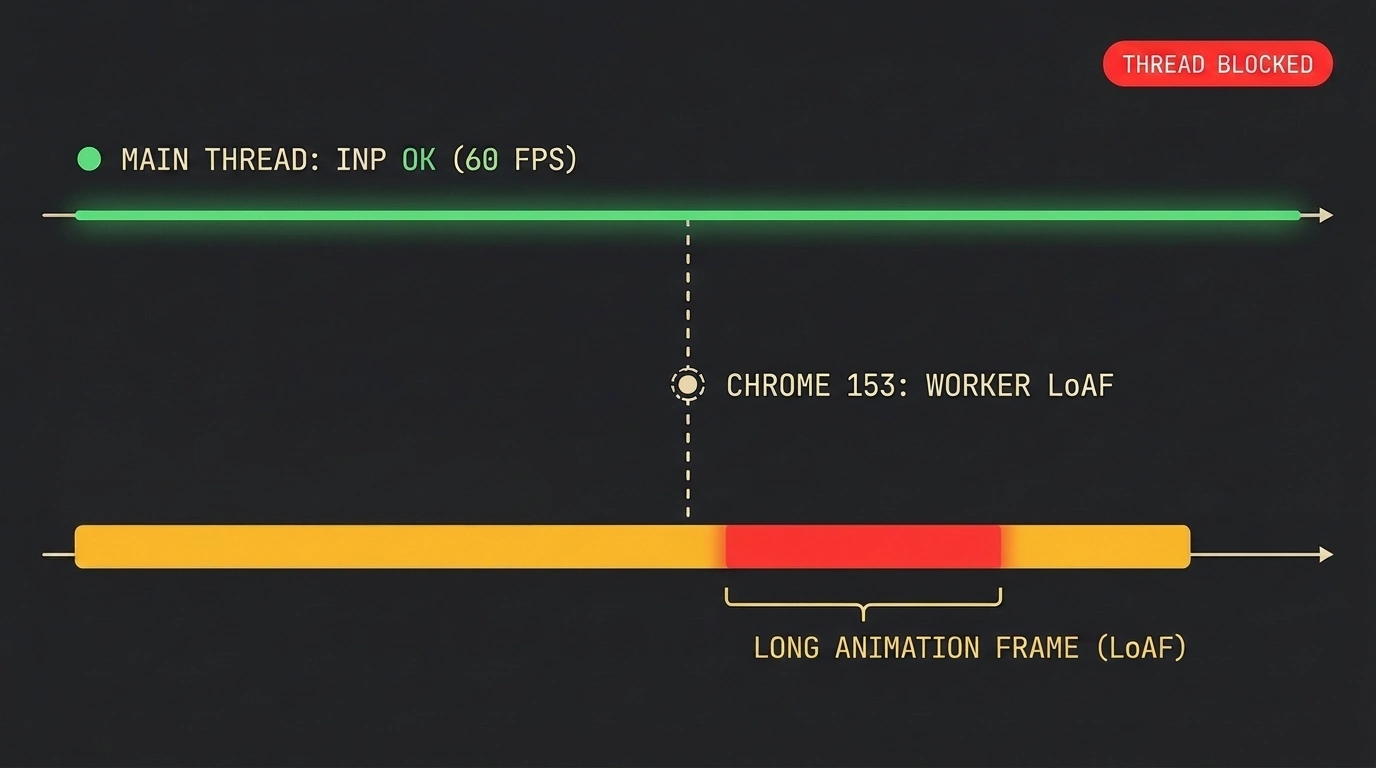
Visual cross-section of two parallel browser threads illustrating a blocked Web Worker tracked via Long Animation Frames telemetry in Chrome 153.
NoteDevelopmentAnalyticsJavaScriptPerformance

Frozen Web Worker: How Chrome 153 Lets You Measure Background Thread Delays

You offload heavy math to a background worker to keep the UI smooth, yet users still get stuck staring at an endless spinner. The main thread sits idle and dashboards glow green, while the worker's own event loop is frozen solid under computation.

The Long Animation Frames API in Chrome 153 finally exposes that blind spot to PerformanceObserver. Even so, a traffic jam made of hundreds of tiny microtasks still slips right past the browser's new radar.

👍 0
Библиотека фронтендераChrome Platform Status: Long Animation Frames API in Web WorkersCSS Wizardry: Chrome Makes Busy Workers Measurable
October 27
Analytical still life showing a radar chart of Kimi 3.1 benchmarks alongside real-world Terminal-Bench 4.0 metrics.
ArticleLLMAIBenchmarksArchitecture

Why Kimi 3.1 Sparked Debate: A Sober Look at Benchmarks and Architectural Shifts

The 2.8-trillion-parameter open model Kimi 3.1 sparked fierce debate: some celebrate a win over closed giants, while others slam its steep inference pricing. Synthetic benchmarks like HumanEval barely reflect how engineers actually work.

Comparing how the model behaves across real tasks reveals a split picture: it shines in blind frontend evaluations yet stalls on deep refactoring. On practical terminal tasks, however, it delivered a fivefold leap over its predecessor.

👍 0
System Design & HighloadMoonshot AI Official PortalArtificial Analysis: Kimi K3.1 Model Evaluation
October 27
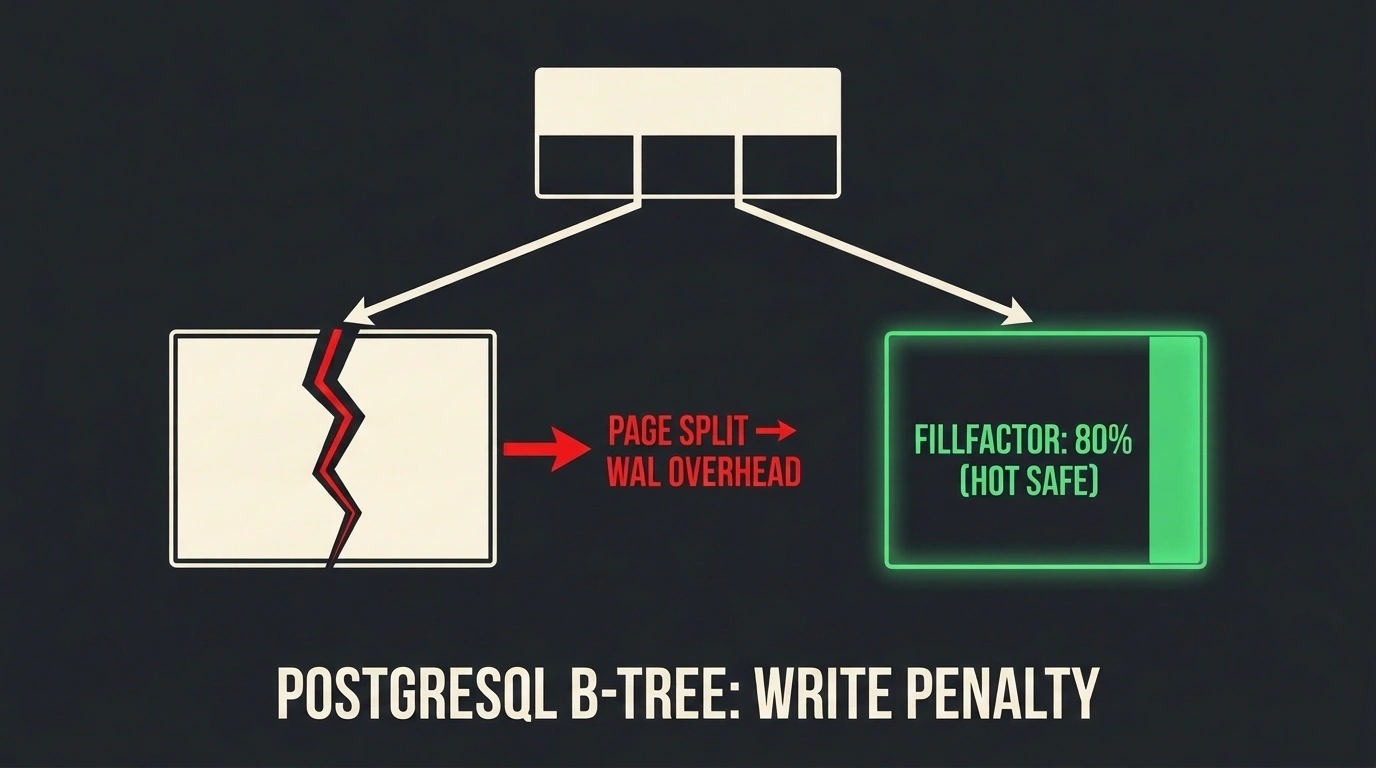
Graphic diagram of PostgreSQL B-Tree index anatomy illustrating an 8-kilobyte page split and fillfactor optimization.
NoteDataAlgorithmsDatabasesIndexes

Indexes Don't Make Your Database Faster: B-Tree Anatomy and the Hidden Cost of Writes

It's tempting to think table indexes only speed things up, yet every B-Tree index adds a hidden tax to write operations. Add a few extra columns for analytics, and a routine row insert starts splitting 8-kilobyte pages and flooding disks with WAL writes.

To keep databases from choking on frequent updates, engineers lower fillfactor and lean on internal engine optimizations. Index one heavily updated column by mistake, though, and all that protection vanishes instantly.

👍 0
SQL PortalPostgreSQL Documentation: B-Tree Index Implementation
October 27
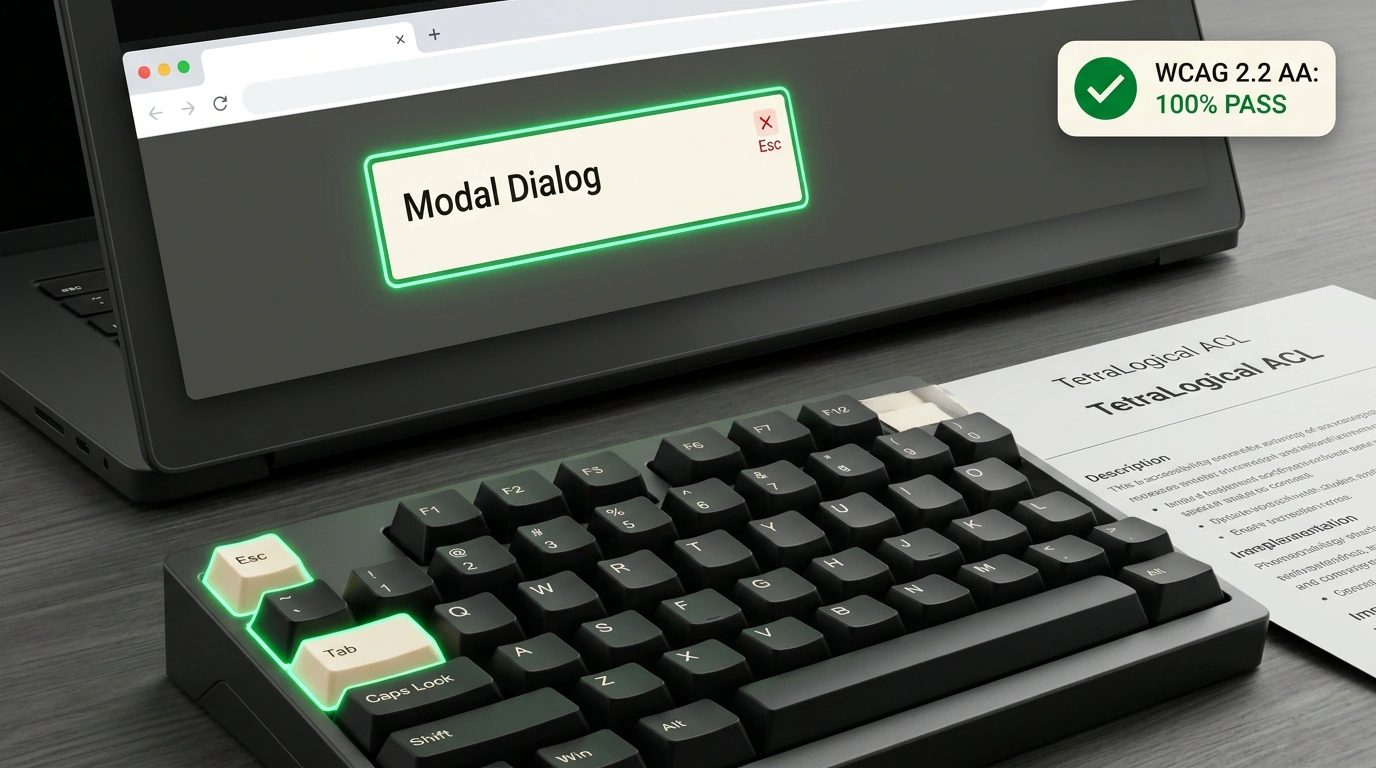
Workspace still life featuring a WCAG 2.2 accessible modal dialog on screen and a keyboard with focus highlighted on the Tab key.
ArticleDevelopmentOpen SourceFrontendAccessibility

Accessibility Without Compromise: TetraLogical's Open-Source Component Library

Auditing interfaces against WCAG 2.2 usually feels like a grueling manual chore with endless screen-reader testing. TetraLogical took a different path and released an open-source component library built on plain HTML with zero heavy dependencies.

The project's real engineering breakthrough is replacing subjective manual checks with automation covering 97% of accessibility criteria. Standard static linters catch less than a third of defects, missing live focus and keyboard behavior altogether.

👍 0
Веб-стандартыTetraLogical Blog: Introducing the Accessible Components LibraryGitHub: TetraLogical Accessible Components Library
October 27
Isometric 3D architectural model of Vovk.ts projecting a single Next.js controller into an HTTP endpoint, RPC client, and MCP tool.
NoteAI AgentsDevelopmentNext.jsMCP

Vovk.ts: How to Turn Next.js Endpoints into AI Agent Tools

When wiring an AI agent into a Next.js backend, teams often spin up a separate microservice and copy parameter schemas by hand. Before long, every endpoint tweak turns into painful drift between the client and the external model.

The open-source library Vovk.ts solves this with a unified procedure architecture. Very few frameworks have managed to bridge existing client sessions with AI agents without maintaining a zoo of adapters.

👍 0
Best of JSVovk.ts Official DocumentationGitHub: finom/vovk repository
October 27
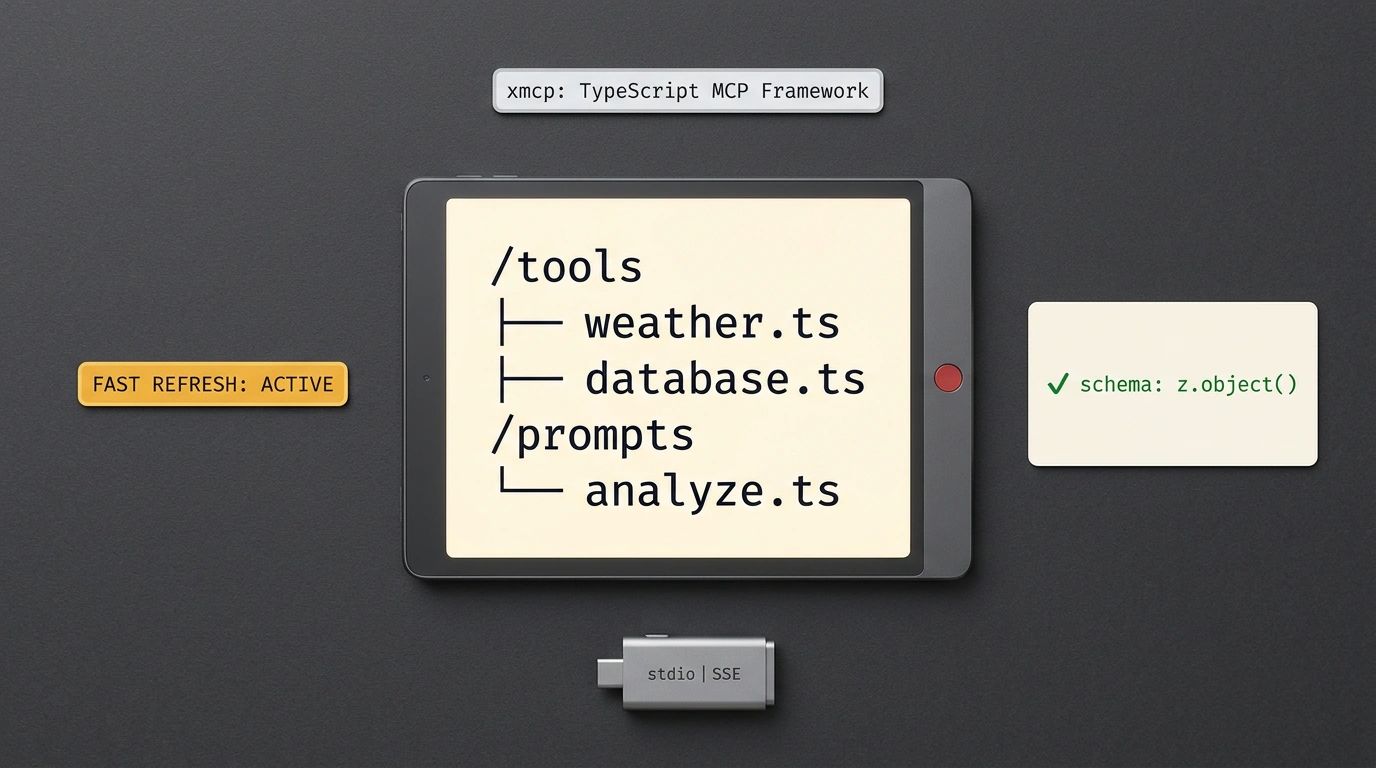
Minimalist knolling flat-lay still life depicting the file structure of the declarative xmcp TypeScript framework for MCP servers.
NoteAI AgentsOpen SourceTypeScriptMCP

xmcp: A Declarative TypeScript Framework for Building MCP Servers Fast

Building servers for the Model Context Protocol still feels like wrestling with low-level plumbing. Developers have to register tools manually, maintain JSON schemas, and wire up transport layers by hand.

The declarative xmcp framework brings familiar file-system routing to agent tooling: every script dropped into the tools folder becomes an isolated tool automatically. Bringing web-dev comforts like instant hot reload into terminal protocols, however, proved far from trivial.

👍 0
Best of JSxmcp Official PortalGitHub: basementstudio/xmcp repository
October 27
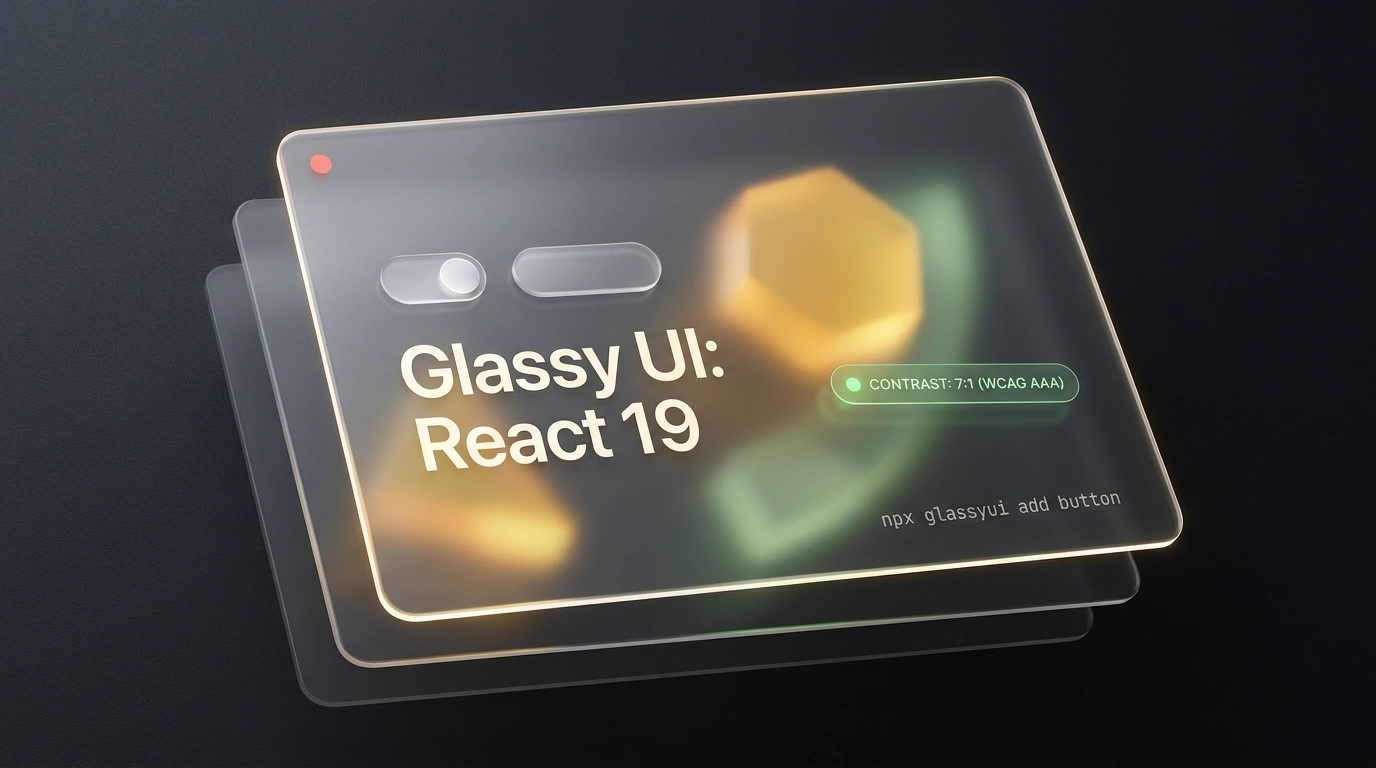
Multi-layered optical 3D composition of frosted-glass Glassy UI components for React 19 guaranteeing WCAG 7:1 contrast.
ArticleDevelopmentOpen SourceReactInterfaces

Glassy UI: A Frosted-Glass Component Library for React 19 and Tailwind 4

Frosted-glass panels in design mockups have long meant dropped frames and unreadable text in real browsers. Heavy backdrop-filter rules choked mobile GPUs, while labels vanished against high-contrast backgrounds.

Glassy UI rethinks the trend for React 19 and Tailwind 4, letting you install component source code directly into your repo. Preserving tactile frosted depth without tanking mobile frame rates is a tricky balancing act.

👍 0
Best of JSGlassy UI DocumentationGitHub: alexburlis/glassyui repository
October 27
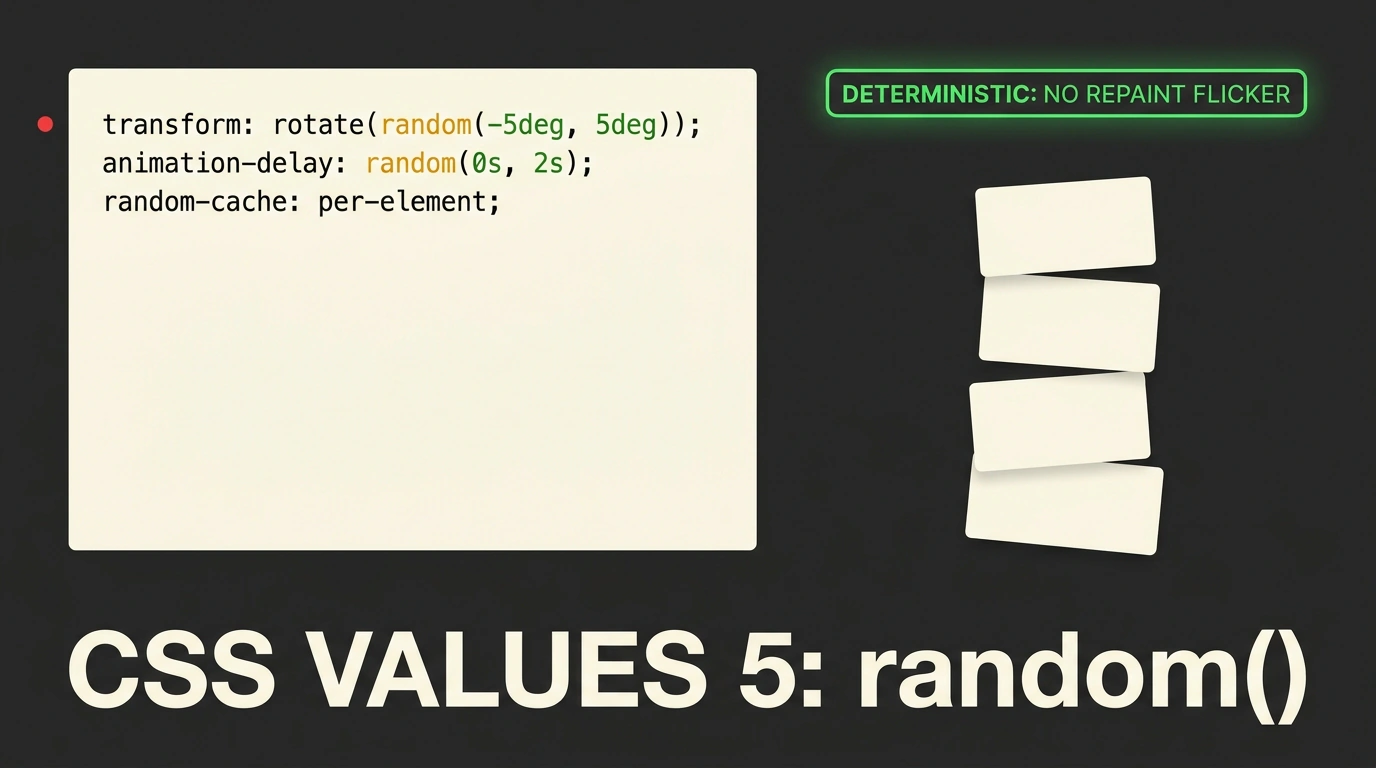
Poster-style web interface graphic illustrating the native CSS random() function with range arguments and a per-element caching key.
ArticleDevelopmentDesignCSSStandards

Randomness in Pure CSS: How the random() Function Works and What It Changes for Layouts

For years, adding a few random card tilts or organic animation delays meant pulling in JavaScript. The new native random() function in CSS Values and Units Level 5 finally lets stylesheets compute random values directly.

The toughest engineering hurdle in the spec was preventing visual chaos on page updates. Without strict caching keys, every hover or repaint would turn layouts into a flickering mess.

👍 0
Веб-стандартыBramus: Generating Random Numbers in CSS with random()
October 27