Issue November 3Daily digest · 15 items
In this issueReviewed 35 sources, gathered 15 items
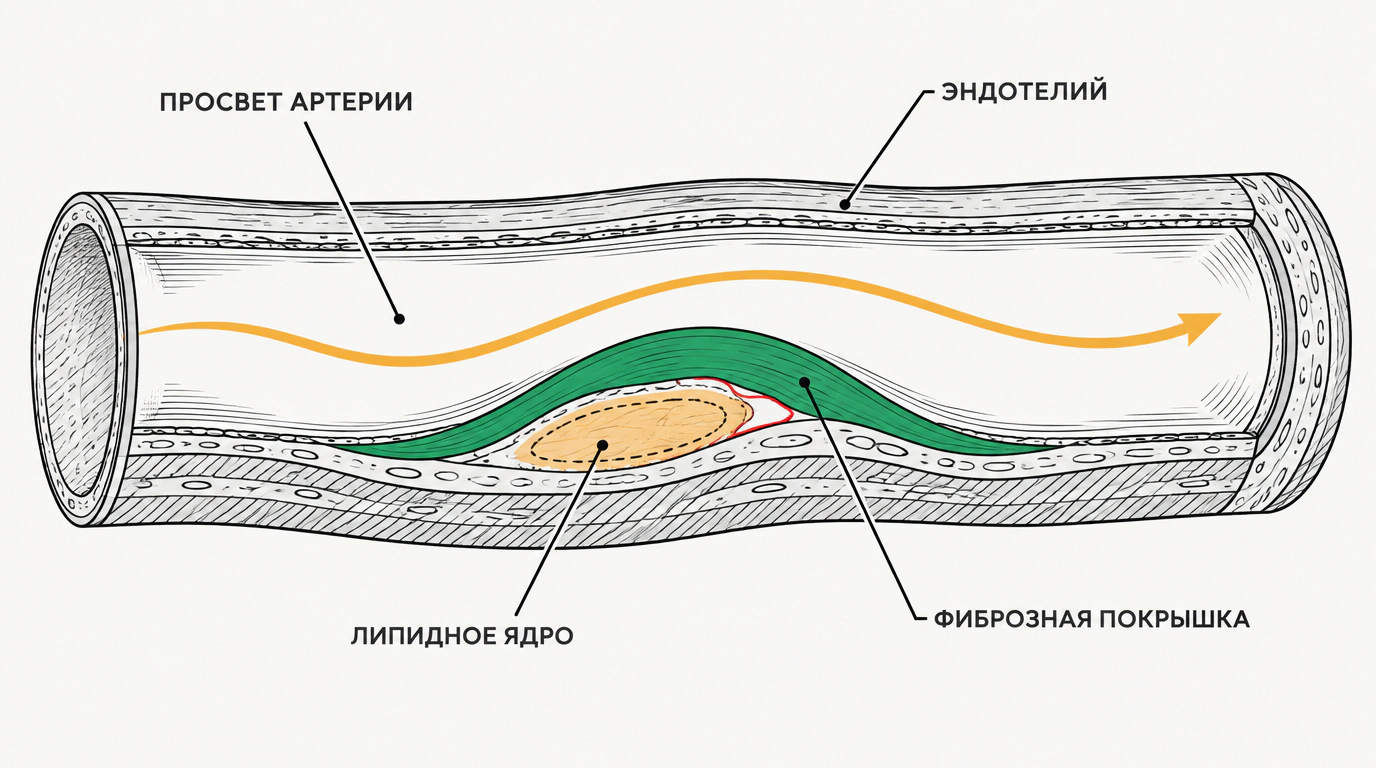
Infographic architectural cross-section of a coronary artery showing stabilization and thickening of the fibrous cap of an atherosclerotic plaque.
LongreadHealthBiohackingCardiologyBlood vessels

Can Atherosclerosis Be Reversed? What the JAMA Cardiology Study Showed

For years, an atherosclerotic plaque in an artery was considered a life sentence and a one-way ticket, with therapy able only to slow down the catastrophe. The recent FLOWPROMOTE study in JAMA Cardiology overturned that dogma: aggressively lowering "bad" cholesterol can shrink plaque volume by a third. Yet no miracle of dissolving without a trace occurs—the vessel remodels according to a strict biological law.

And this hidden stabilization mechanism completely changes the strategy for preventing heart attacks.


👍 74
Доктор УтинJAMA Cardiology: FLOWPROMOTE Randomized Clinical Trial on Plaque Regression
November 3
Man at a desk by a bright window taking a calm physiological exhale, having set his smartphone aside for focused work.
LongreadHealthPsychologyProductivityStress

The Physiology of Procrastination: Why Putting Things Off Hits Your Heart and How to Break the Cortisol Loop

We are used to dismissing the habit of stalling until a deadline as simple laziness or a character flaw. Yet a massive University of Cambridge study of 65 thousand people and an analysis by endocrinologist Zukhra Pavlova reveal a very different picture: procrastination delivers a powerful somatic blow to the body. Constant background tension keeps cortisol elevated, disrupts heart rate variability, and promotes visceral fat.

And you can't beat this storm with self-flagellation—your body needs a completely different physiological protocol.

👍 133
Доктор Павлова, эндокринологPLOS ONE: Procrastination Prevalence and Impact Cohort Study
November 3
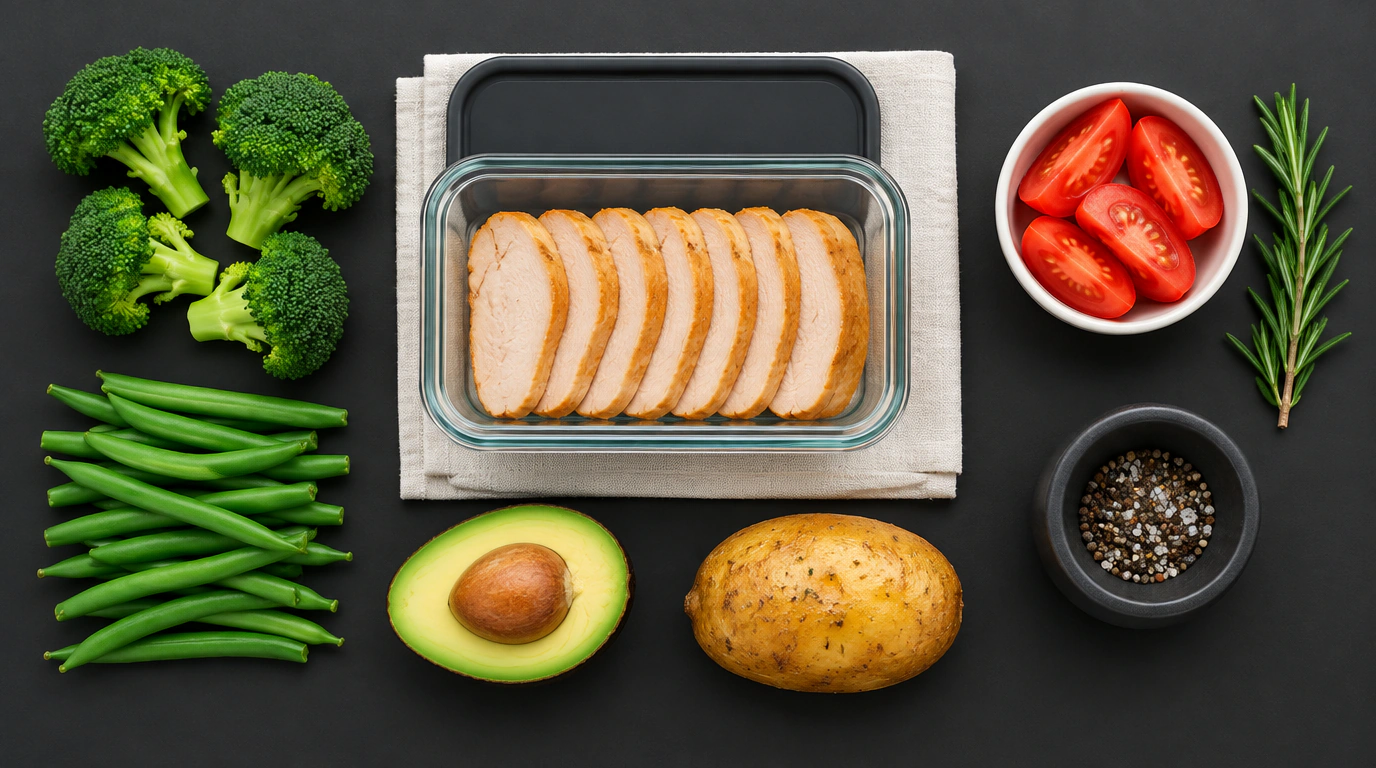
Staged still life of a balanced athlete's meal: sliced roasted meat in a glass container, broccoli, and fresh vegetables.
LongreadHealthNutritionTrainingProtein

How Much Meat Does an Athlete Need? Protein Balance, Overeating Myths, and Kitchen Safety

For decades, gyms pushed a cult of eating a kilogram of dry chicken breast a day in hopes of speeding up muscle growth. Yet a systematic meta-analysis of nearly 2,000 athletes and the experience of coach Alexander Alekseevich prove that muscle protein synthesis hits a strict plateau at just 1.6 grams of protein per kilogram of body weight. Going past that dose doesn't grow bigger biceps—it overloads GI enzymes and triggers putrefactive dyspepsia.

Instead, gentle cooking methods and enough dietary fiber shape your physique for years to come.

👍 120
Александр Алексеевич. Атлетизм для всехBJSM: Systematic Review and Meta-Analysis of Protein Intake for Resistance Training
November 3
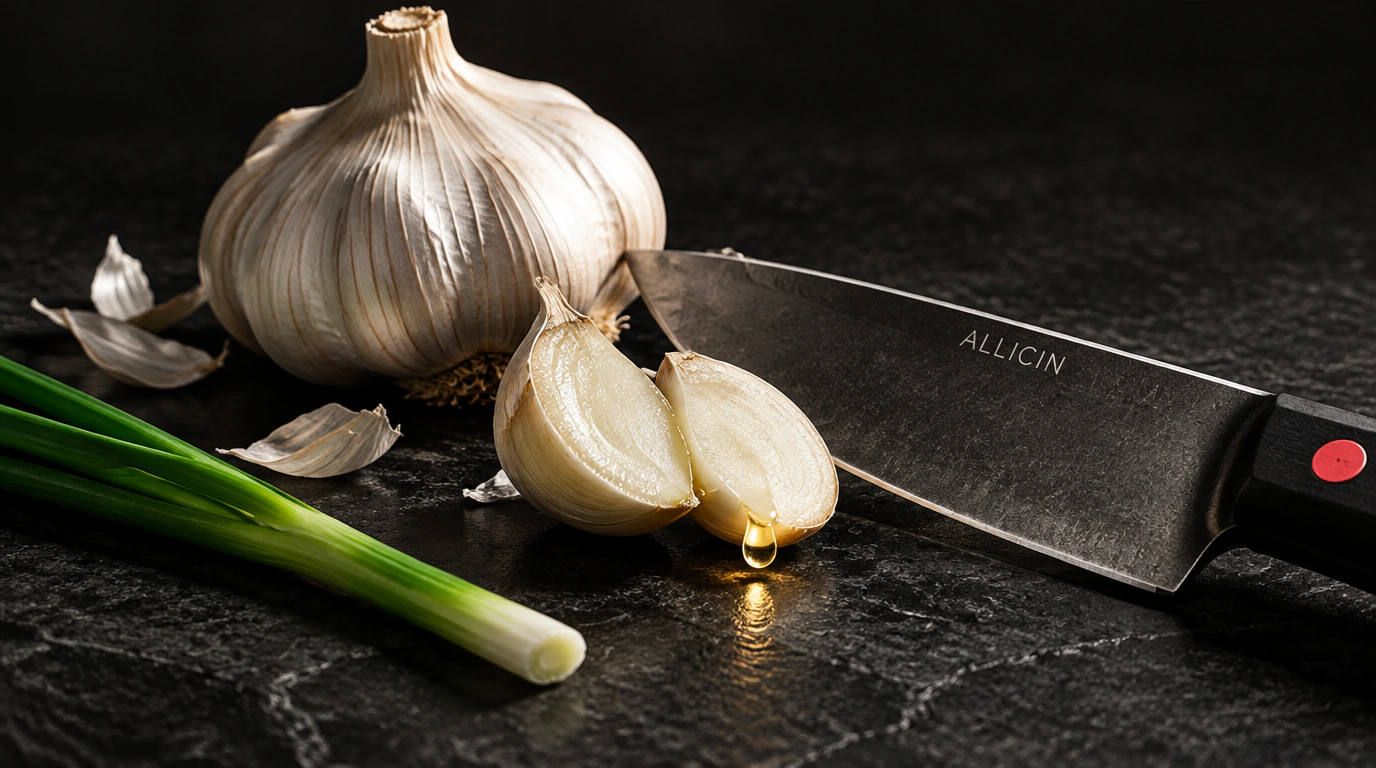
Sculptural artistic still life with a sliced garlic bulb, a knife blade, and a drop of fresh juice.
ArticleHealthNutritionImmunityEvidence-Based Medicine

How to Eat Garlic Properly: Allicin Biochemistry, the Whole-Clove Myth, and Protecting Your Stomach Lining

The internet recipe of "swallowing a whole garlic clove every morning on an empty stomach" promises miraculous vessel cleansing, antiviral protection, and parasite removal without pharmacy drugs. Evidence-based physician Nikita Burlakov dissects the plant's organic chemistry and explains why this popular ritual brings zero benefit while guaranteeing erosive gastritis. All of garlic's healing power is born only under one mandatory mechanical condition.

And that condition completely invalidates the popular folk lifehack.

👍 116
Бородатый не пробовал...Arch Intern Med: Randomized Clinical Trial on Raw Garlic vs Supplements on Lipids
November 3
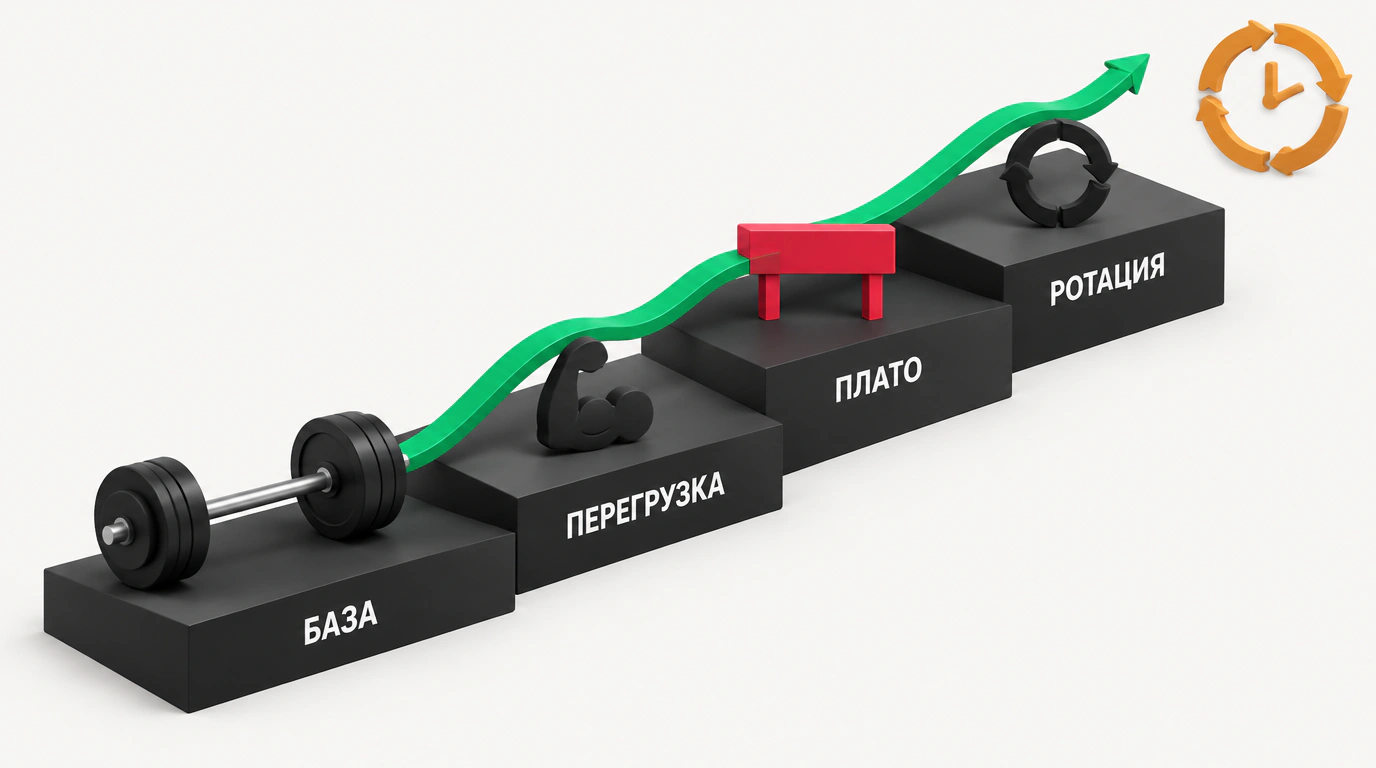
Physical isometric infographic showing a weightlifter's progression steps and a cyclical training block chart.
ArticleHealthTrainingFitnessPeriodization

Training Plateaus: When and How to Change Your Workout Program According to Science

When the scale needle freezes and the weight on the bar hasn't budged for three weeks straight, most people rush to extremes: either stubbornly grinding the same routine until injury, or swapping exercises every week. Sports physiology and randomized trial data show that the body's adaptation to an unchanging stimulus takes 6 to 12 weeks.

Yet what needs changing isn't your core biomechanical foundation, but entirely different training levers.

👍 5
FitStars: Фитнес по наукеVariety support and exercise adherence behavior: Experimental and mediating effects
November 3
Artistic paper-collage diptych: a bar of dark chocolate and a fresh beef steak on contrasting backgrounds.
ArticleHealthNutritionPsychologyEating Behavior

Cravings for Chocolate and Meat: Hormones, Culture, and the Physiology of Taste Preferences

It is widely taken for granted that women naturally need chocolate while men need a juicy steak. Yet a global study in Nature Scientific Reports on 20 thousand people and an analysis by the blog «Здоровье на Спортсе» prove that biology accounts for only a tiny share of our taste cravings. Taste bud structure is identical in both sexes, and men statistically eat more sugar than women.

The real directors of our food cravings are entirely different social mechanisms.

👍 16
Здоровье на СпортсеSci Rep: Paradoxical Gender Effects in Meat Consumption Across Cultures
November 3
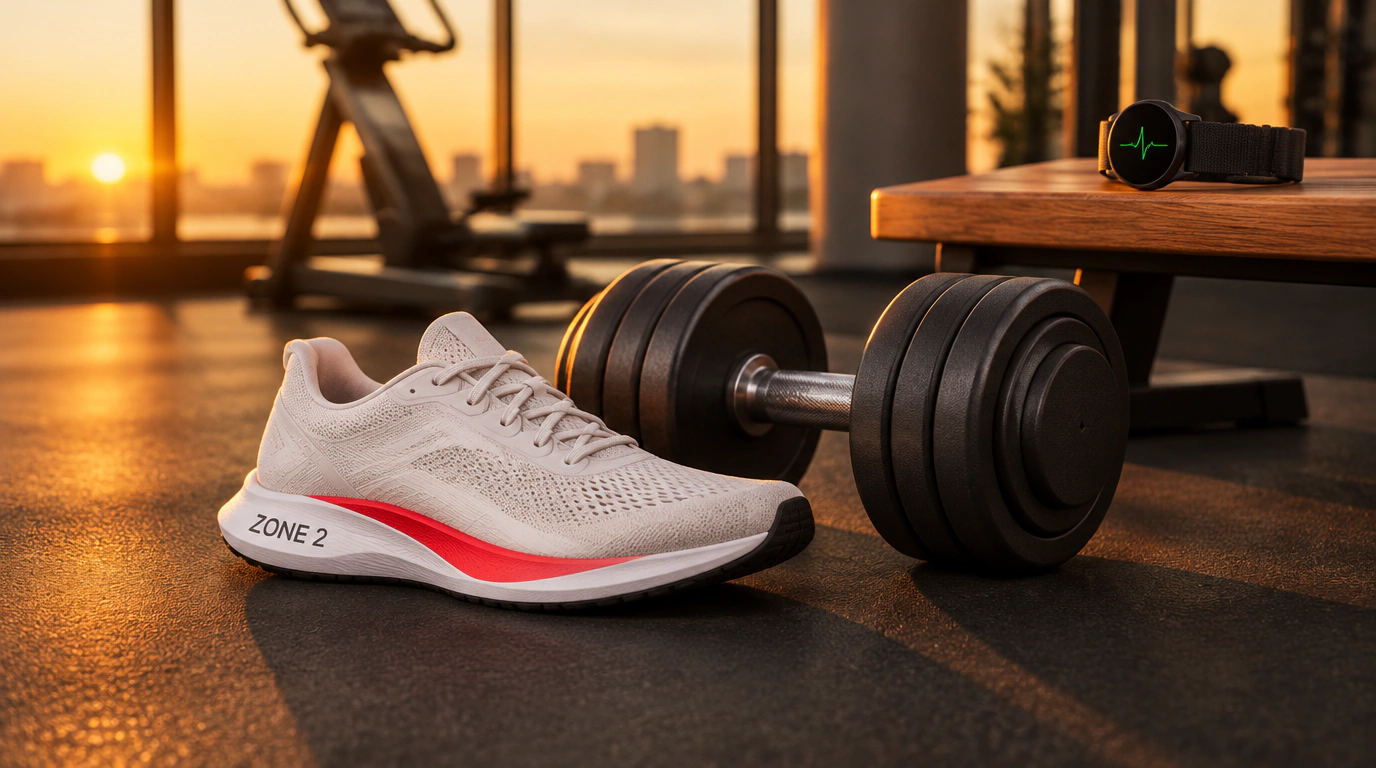
Dynamic sculptural composition of cardio-strength balance: running shoes and a heavy adjustable dumbbell in a gym.
ArticleHealthTrainingFitnessEndurance

Why Strength Athletes Should Run: Cardiorespiratory Fitness, VO2max, and Preserving Muscle

For decades, a stubborn fear of the treadmill has lived in gyms: iron lifters are convinced that any cardio will immediately burn muscle mass and tank strength records. Coach Sasha Vasilyev of the «Физикл» project and a massive meta-analysis in BJSM of 96 thousand people prove the opposite. Well-structured aerobic work cuts mortality risk by 41% and speeds up recovery between heavy barbell sets.

The key is separating two competing cellular signals in time.

👍 7
Физикл | Олег ЗингилевскийBJSM: Muscle-Strengthening Exercise and Mortality Systematic Review
November 3
Architectural still life of a healthy environment: an organized workspace with a glass water bottle and a shelf of healthy snacks.
NoteHealthPsychologyDisciplineHabits

The Illusion of Willpower: Why Self-Control Fails Without Changing Your Environment

When we cave in to chips or skip a workout after a hard day, our familiar inner critic insists: "You just have no willpower." Yet a massive audit across 23 international laboratories proved that the popular "ego depletion" theory doesn't hold up in practice. People with exemplary discipline don't fight temptations every minute—they simply keep them out of sight.

And this shift in perspective turns self-coercion into calm environmental engineering.

👍 4
Физикл | Олег ЗингилевскийA Multilab Preregistered Replication of the Ego-Depletion Effect: Perspectives on Psychological Science
November 3
Graphic showcase debunking supplements: five transparent pharmacy bottles filled with simple whole foods.
NoteHealthBiohackingNutritionVitamins

5 Popular Advertised Supplements Not Worth Your Money

Supplement marketing insists that a modern healthy lifestyle is impossible without a daily handful of capsules. Endocrinologist Maxim Kuznetsov reviewed the evidence base of best-selling supplements and singled out five pharmacy purchases with no scientific backing:

  • Hydrolyzed collagen and liquid chlorophyll;
  • Testosterone boosters like tribulus;
  • Preventive magnesium when eating a balanced diet;
  • Commercial thermogenic fat burners.

Inside the GI tract, trendy molecules break down into basic building blocks with no targeted effect.

👍 8
Максим Кузнецов - Врач эндокринологEffects of Oral Collagen for Skin Anti-Aging: Systematic Review in Nutrients
November 3
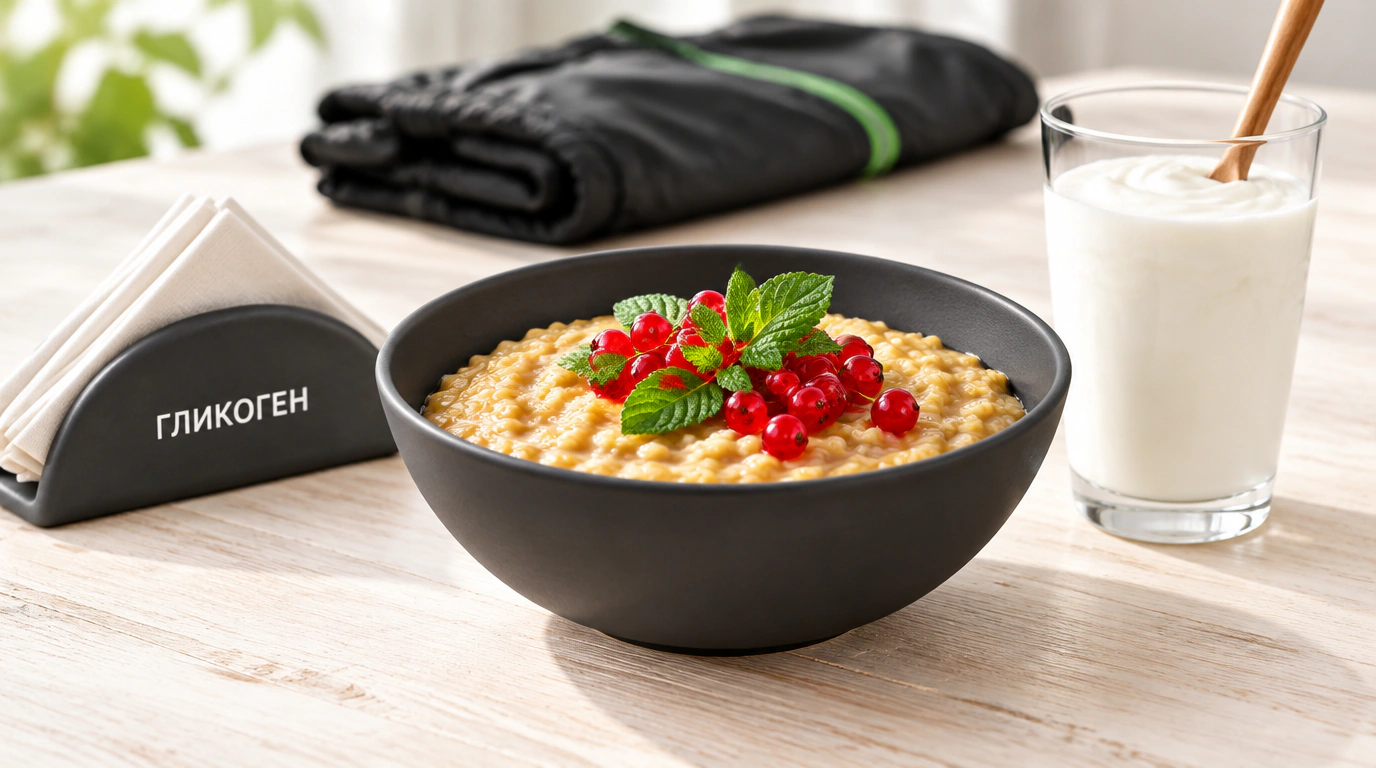
Studio still life of a runner's sports nutrition: a bowl of carb-rich oatmeal with berries and a glass of yogurt against a treadmill backdrop.
NoteHealthNutritionTrainingRunning

Protein in Endurance Sports: What a Recent Meta-Analysis Showed

Marathoners and triathletes often buy up whey isolates hoping to boost pace and recover their legs faster after long runs. Yet a recent meta-analysis in JISSN showed that pure protein has almost no effect on running endurance or glycogen resynthesis speed. All apparent supplement benefits in earlier trials were explained by simple extra calories.

The real conductors of recovery after a long run remain completely different nutrients.

👍 4
Бегать простоInternational Society of Sports Nutrition Position Stand: protein and exercise
November 3
Metaphorical still life of a safe weight-loss pace: apothecary balance scales with an hourglass and a ripe green apple.
NoteHealthNutritionWeight LossSafety

Why Extreme Weight Loss Is Dangerous: Gallbladder, Kidneys, and a Safe Pace

News of heart attacks among weight-loss reality-show contestants scares anyone hoping to shed extra pounds. Coach Artyom explains: extreme weight drops of 10–15 kilograms a month genuinely trigger bile stasis, gallstones, and arrhythmias due to potassium loss. Yet the culprit isn't dieting itself, but a reckless deficit speed.

Physiology calls for a moderate pace where the body loses fat rather than its own organs.

👍 7
Тренер АртёмPubMed: Clinical hazards of rapid weight loss and cholelithiasis
November 3
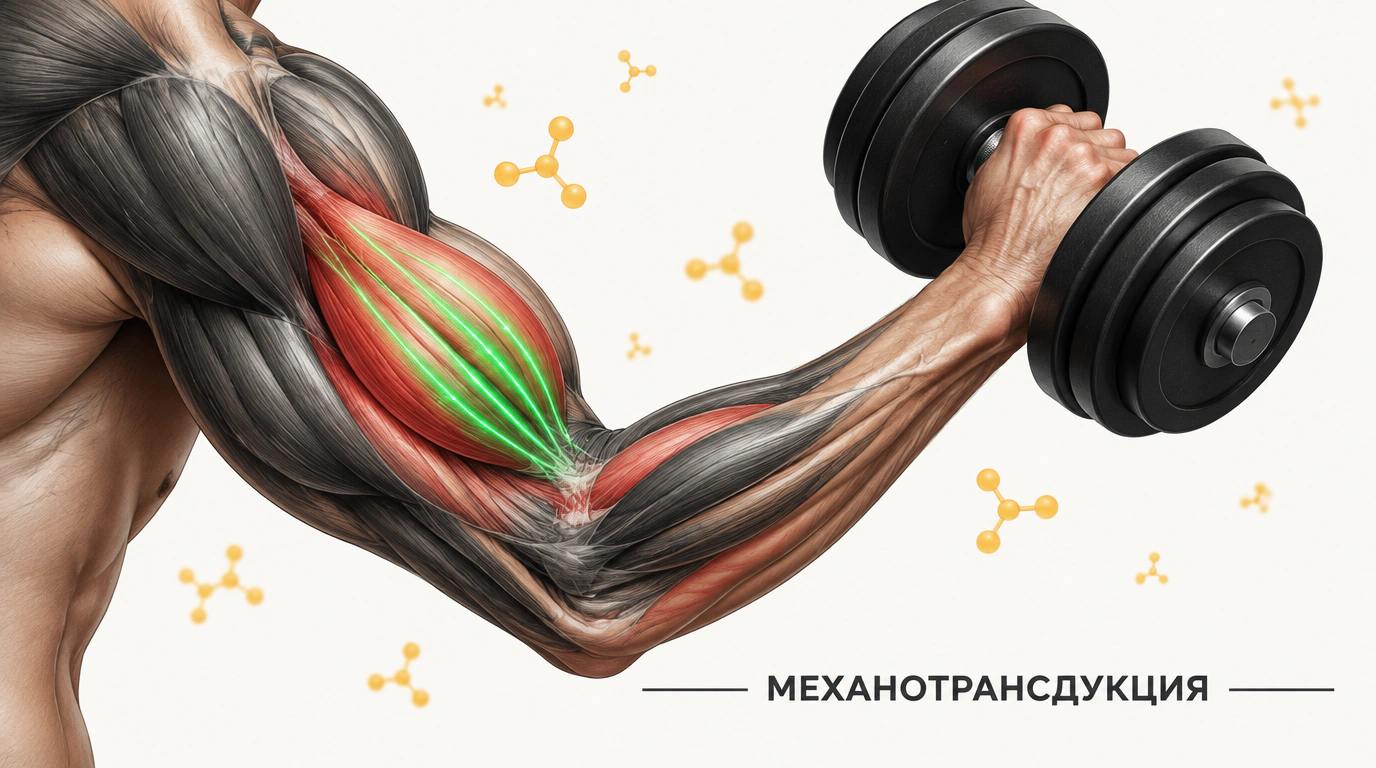
Painterly anatomical illustration of mechanical tension inside an athlete's active biceps during a dumbbell curl.
NoteHealthTrainingFitnessHormones

Hormonal Spikes During Workouts: Why Testosterone and Growth Hormone Don't Build Muscle

Gyms still advise beginners to do heavy squats for a "testosterone surge" that supposedly helps grow biceps and shoulders. Coach Artyom and classic experiments in the Journal of Physiology prove that brief, acute hormone spikes during a workout have zero effect on protein synthesis in the arms. Muscle growth is triggered by local mechanical tension inside the specific fiber.

So spending energy on squats for the sake of your arms turns out to be a pointless effort.

👍 41
Тренер АртёмJournal of Physiology: Resistance exercise-induced increases in putative anabolic hormones
November 3
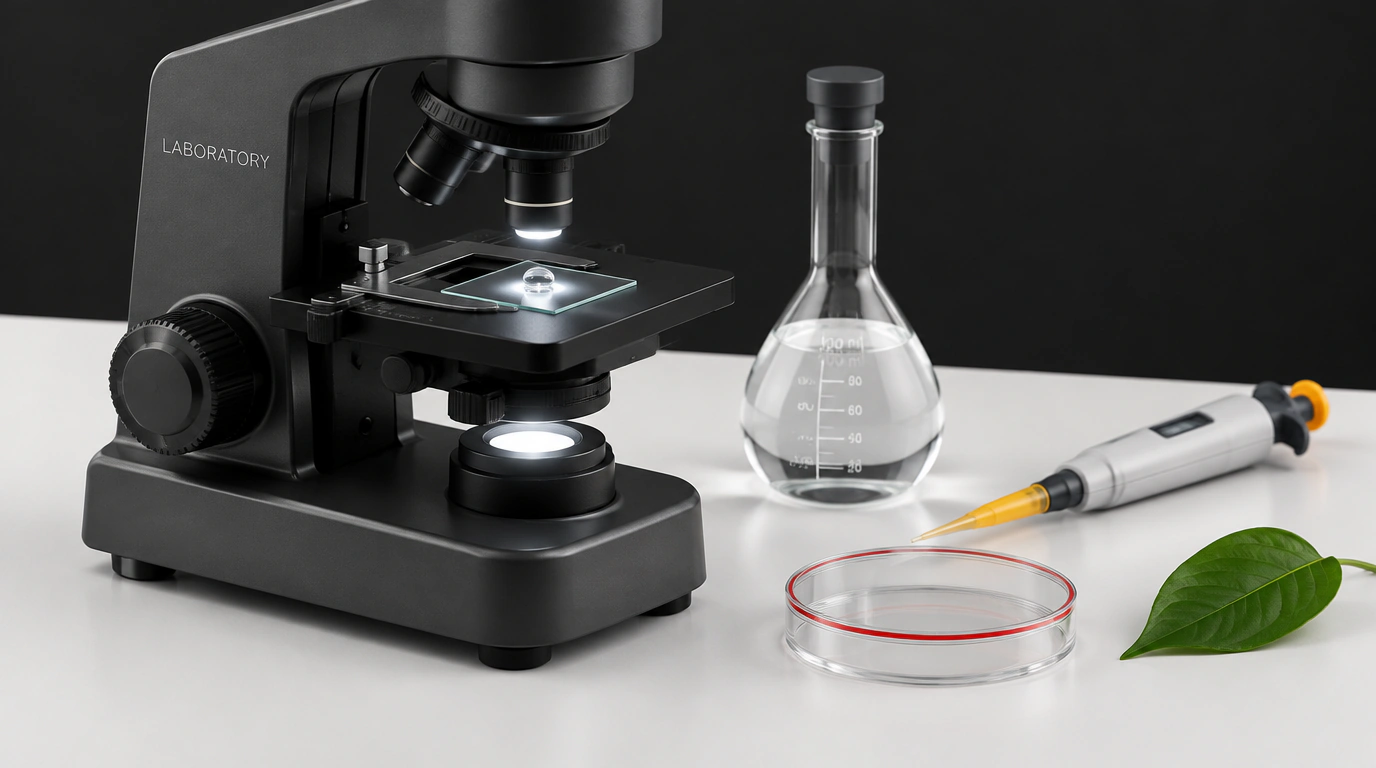
Laboratory still life debunking the grounding myth: an optical microscope, a glass slide with a droplet, and a flask of saline.
NoteHealthBiohackingEvidence-Based MedicineMyths

Grounding and Blood Under a Microscope: Debunking a Popular Pseudoscientific Trick

A lab trick is going viral on social media: a drop of human blood before walking barefoot looks clumped together, while after "grounding" the red blood cells supposedly float freely. Evidence-based physician Nikita Burlakov debunks the trick: the "rouleaux" phenomenon on a glass slide is a mundane artifact of a drop drying outside the bloodstream. In living circulation, cells are protected from clumping by zeta potential.

And walking barefoot has nothing whatsoever to do with preventing blood clots.

👍 62
Бородатый не пробовал...Earthing (grounding) the human body reduces blood viscosity: Critical appraisal
November 3
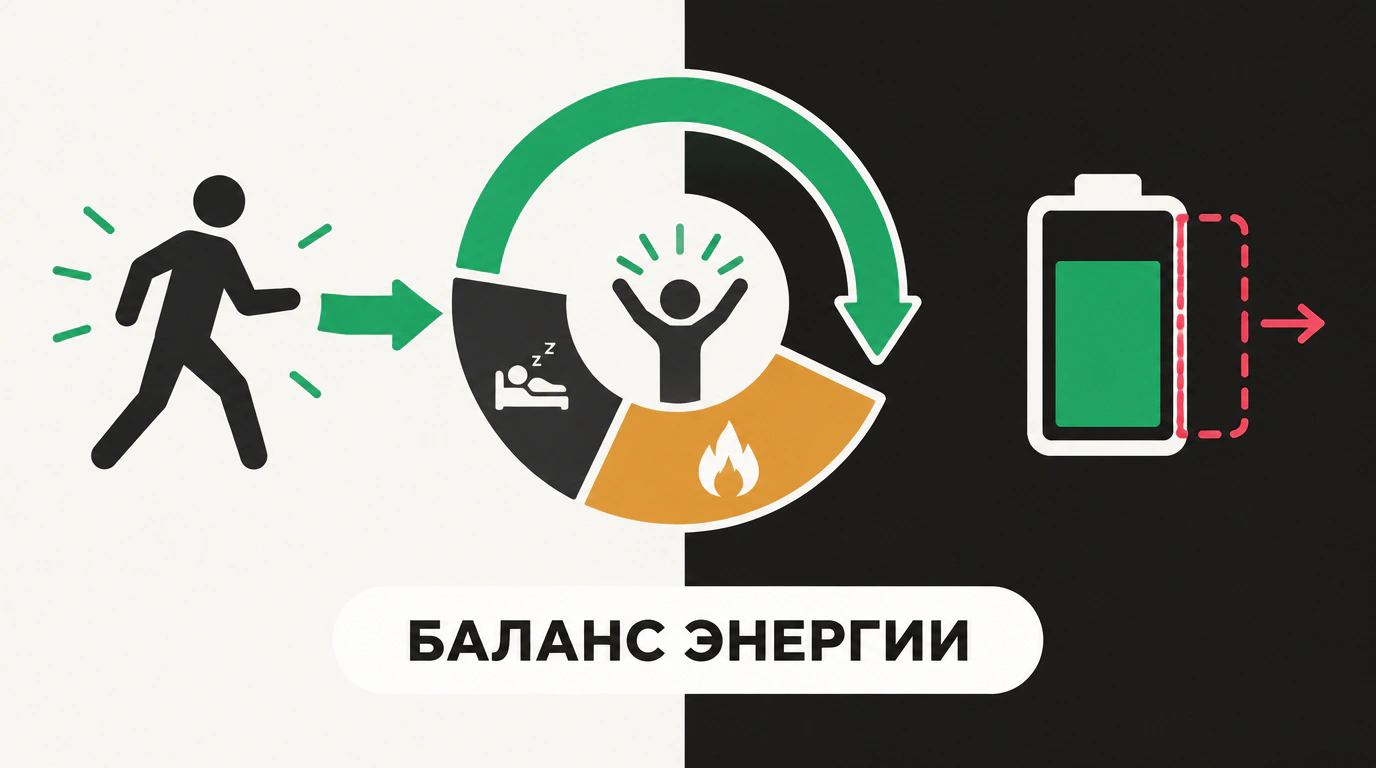
Minimalist flat vector art of metabolic energy balance: scales between spontaneous movement and a plate of food.
NoteHealthNutritionWeight LossMetabolism

Metabolic Adaptation: Why Weight Stalls and How to Outsmart Energy-Saving Mode

When the scale freezes during the third week of a strict diet, many decide their metabolism "broke and entered starvation mode." The authors of the blog «лёгкий зож» and the MATADOR study prove that resting basal metabolic rate slows by only 50–150 calories. The main leak in energy expenditure happens elsewhere—through an unnoticed drop in everyday movement.

And breaking a plateau comes not from cutting your plate further, but from taking a temporary diet break.

👍 8
лёгкий зожInternational Journal of Obesity: The MATADOR study on metabolic adaptation
November 3
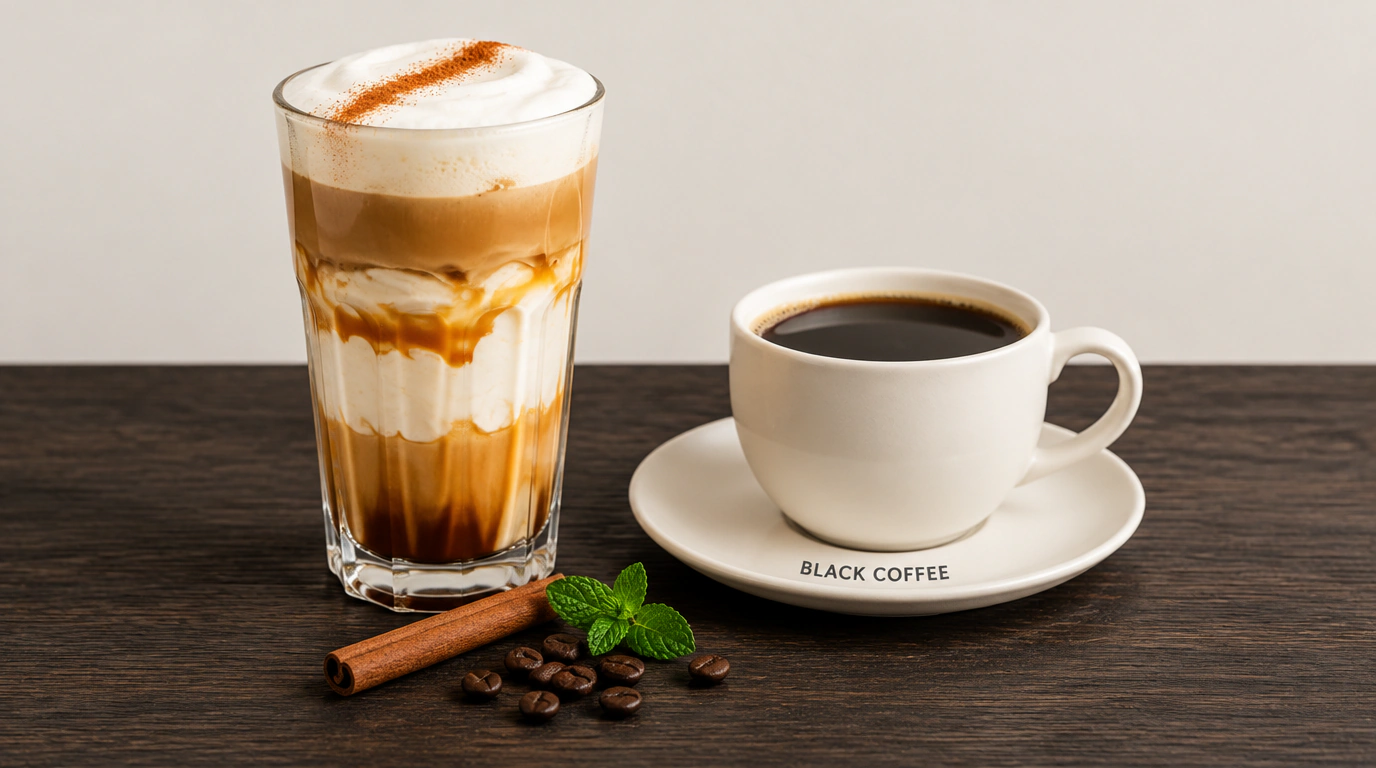
Comparative staged still life of coffee drinks: a clear glass of sweet layered raf next to a minimalist cup of black filter coffee.
NoteHealthNutritionCaloriesCoffee

Hidden Calories in Coffee: Why a Cup of Latte Can Pack More Calories Than Dessert

Ordering a large oat-milk latte on the way to work, we rarely think of it as high-calorie food. Endocrinologist Zukhra Pavlova and a 15-year study in JAND show that the average calorie count of a cup of coffee has risen by nearly 40%, driven by popular plant-based alternatives and syrups. A serving of raf coffee with syrup carries up to 450 calories while providing zero satiety.

And these liquid desserts quietly wreck any calorie deficit.

👍 7
Доктор Павлова, эндокринолог
November 3