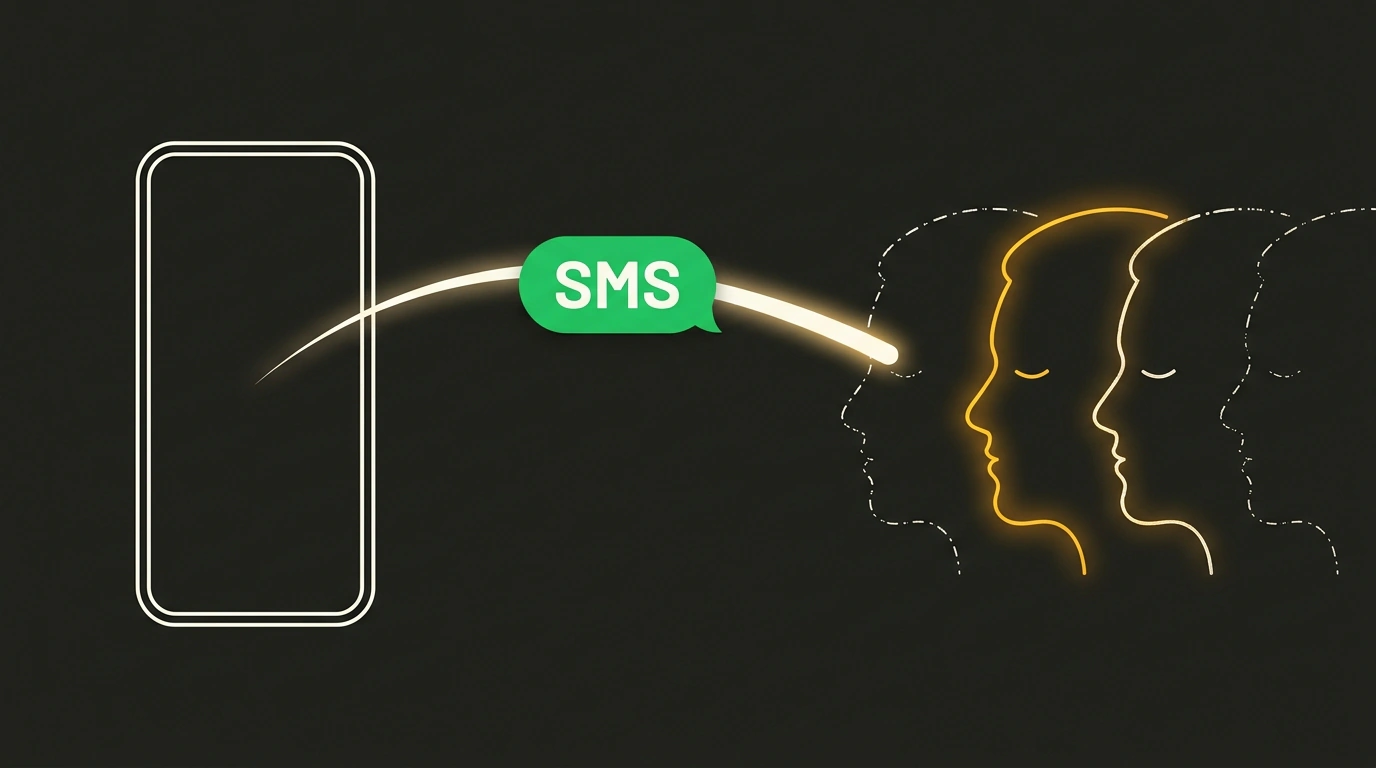
Among digital marketers, it's become fashionable to dismiss classic SMS as a relic of the past. The common wisdom says every living eyeball has moved to Telegram and social feeds, leaving text messages strictly to spammers and bank security alerts. Dry unit economics tells a different story: while commercial email open rates hover around 15–20% and messaging apps drown in hundreds of unread channels, SMS open rates still hold steady above 90%. The issue isn't the channel—it's how you use it.
Telecom carriers stopped being simple pipe providers long ago and turned into massive big-data platforms. Where SMS blasts used to mean carpet-bombing a phone list for near-zero return, modern direct-marketing tools let you target dormant segments with surgical precision.
Predictive Targeting from T2: How AI Doubled Click-Through Rates
Mobile carrier T2 showed what that tech shift looks like after upgrading its SMS-targeting engine. Engineers integrated machine-learning predictive models that score hundreds of anonymized subscriber behavior signals, blending internal telecom analytics with aggregated partner data.
The headline upgrade is semantic analysis of the ad offer itself. Instead of just filtering by age, gender, and location, the algorithm reads the actual message copy and matches it to the exact cohort of subscribers whose recent activity and buying habits resonate strongest with the offer.
According to T2's enterprise unit, large-scale beta testing lifted average campaign CTR from 3% to 7%, while cutting real Customer Acquisition Cost (CAC) by more than half. The self-serve dashboard already offers over 120 ready-made consumer segments, with plans to expand to 300 by year-end. For small businesses, it's plug-and-play: no need to build custom cohorts from scratch—just pick a matching audience profile and run a test.
The Cascade Reactivation Playbook: From RFM to Pennies Per Touch
Still, the biggest payoff doesn't come from cold outreach—it comes from waking up your own dormant customer base. Traffic practitioner Marat Yusupov breaks down the economics of winning back buyers who haven't ordered in 90 to 180 days.
Instead of spamming your whole address book, run a targeted three-step sequence:
- RFM segmentation. Split your list by recency and past order value. Cut out recent buyers and one-off bargain hunters from three years ago. Zero in on the cohort that delivered steady margin but went quiet over the last 3–6 months.
- Expiring-deadline offers. Bake a personalized bonus-point balance right into the message with a hard 48-hour expiration and a sign-off from a named account manager. In tests, this trigger pushed campaign CTR to 14.2% and repeat-purchase conversion to 8.2% at under 4 rubles per contact.
- Cascade delivery. To avoid overpaying carriers, route messages in order: Free messenger -> App push notification -> SMS. Only send the paid SMS to contacts who haven't read the free messages within 12 hours. That single rule cuts total reactivation spend by 3.2x.
If your SMS sends people via a link into a chatbot, getting that first conversation right is crucial. Check out How Messaging Flows Kill Targeted Traffic so you don't lose up to 60% of respondents to stiff, closed-ended prompts. And don't ignore compliance: strict carrier spam filters require an approved alphanumeric sender ID and clean subscriber consent under Federal Law 152-FZ.