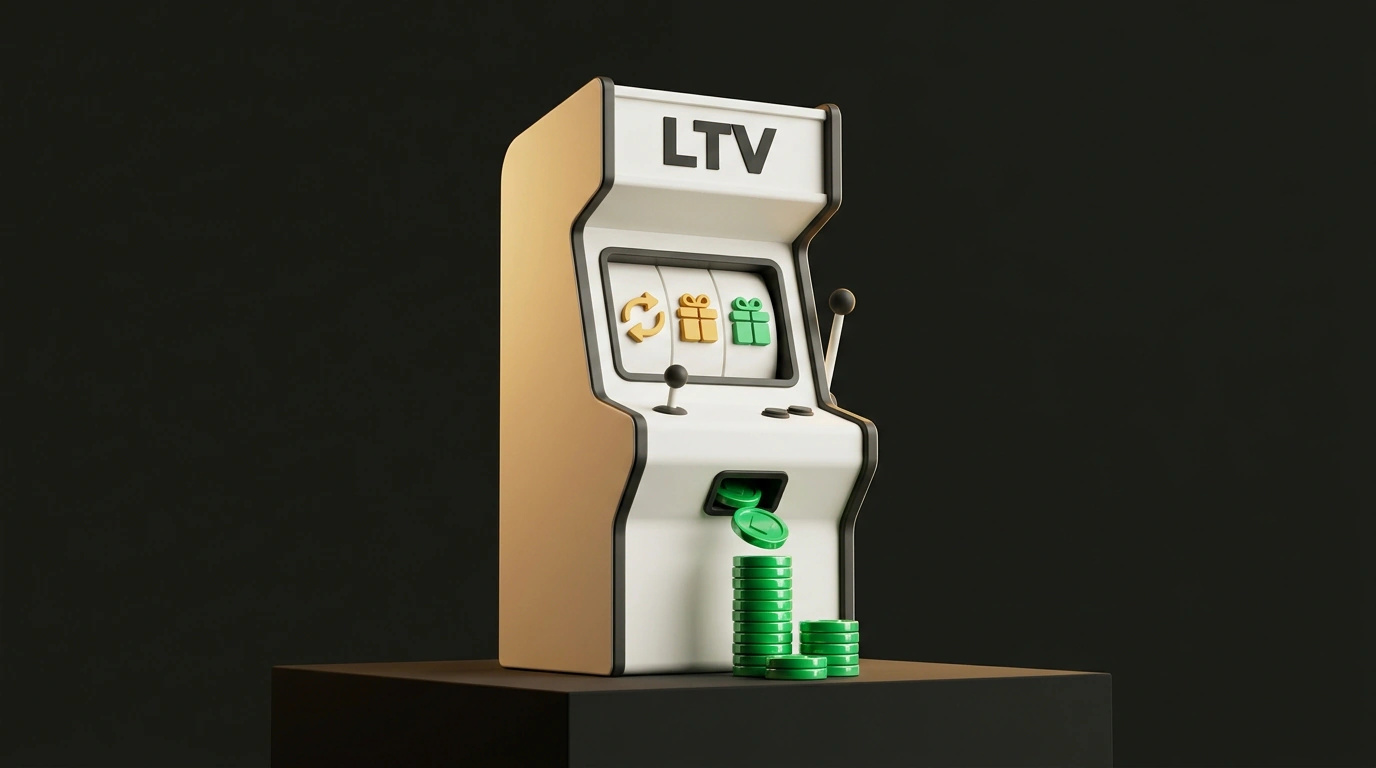
Acquiring a new online shopper today costs a small fortune: ad auctions are overheated, search bids are breaking records, and first-order average ticket barely covers initial Customer Acquisition Cost (CAC). Yet what happens right after a shopper picks up their parcel? Nine times out of ten, radio silence. Unless they urgently need a refill, they have zero reason to reopen your site. So the brand bombards them with pushy email blasts and notifications—triggering only annoyance and unsubscribes.
Analyst Irina Vekhova breaks down a sharper alternative to spam marketing: systematically weaving interactive mechanics into e-commerce. The idea is giving people a reason to open your app or website even when they aren't planning an immediate purchase. It's a direct answer to the E-Commerce Retention Crisis, where a store's survival hinges completely on repeat orders.
The Dopamine Loop and Product Context: Why Short Games Work
Gamification doesn't mean building a heavy 3D simulator. Simple psychology does the heavy lifting: the dopamine loop of anticipating a reward. Shoppers gladly spend 40 seconds on an interactive game if the rules are clear and the prize carries real value:
- Tie directly into your product category. The game should naturally introduce your catalog rather than floating in a vacuum. A cosmetics store can build an interactive skincare routine picker awarding points for layering serum and cream in the right order. Fashion retailers can offer an outfit builder granting a personal promo code on the styled set. Auto-parts stores can run a maintenance-interval and part-matching quest.
- Daily visit streaks. Reward consecutive check-ins: 50 points on day one, 70 on day two, and a mystery gift added to the next basket on day seven.
- Controlled randomness (prize wheels, spin-to-win). An unpredictable bonus size sparks far more curiosity than a flat 5% discount banner.
Hard data backs this up: online retail benchmarks show regular interactive quests lift 30-day Retention Rate by 18–40%, while collecting leads through playful flows costs 2.8x less than static lead magnets. That matters even more now that E-Commerce Maturity Demands Fighting Unprofitability and recalculating unit economics on every single touch.
Margin Traps and Unit Economics: Don't Burn Profit Chasing Engagement
The #1 danger of gamification is handing out bonuses just to pad time-on-site charts. Spray promo codes too generously, and shoppers quickly learn to wait—refusing to ever pay full price.
To keep interactive mechanics profitable, enforce three financial guardrails:
- Hard redemption caps: let game points cover no more than 15–20% of cart value to protect gross margin;
- Short expiration windows: expire earned bonuses in 7–14 days to create a gentle nudge toward checkout;
- Incremental revenue tracking: measure cohort LTV of players against a non-playing control group, not total rounds played.
Gamification never replaces solid customer service or reliable delivery, yet it builds an emotional bridge between orders. Instead of paying search auctions every time you want a buyer's attention back, give them a fun reason to walk through your door on their own.