Issue October 21Daily digest · 11 items
In this issueReviewed 36 sources, gathered 11 items
Staged still life on a wooden desk with a laptop displaying an Airtable lead sheet and a vintage telephone labeled Bland AI.
ArticleAI AgentsAutomationBusinessLead Generation

Agentic Arbitrage: How to Use Meta Muse for Lead Generation and Service Automation

Traditional staffing agencies charge thousands in commissions just because their recruiters spend hours manually scrolling through local social media groups. It looks like competing with them takes dozens of reps and a call center—unless you collapse the whole routine into one autonomous script.

Pairing Meta Muse monitoring with Bland AI voice bots unlocks agentic arbitrage: the bot pulls leads from unstructured chats, normalizes contacts into a spreadsheet, and calls candidates itself on a $15 dedicated line. One person ends up running a private directory of vetted contractors at over 80% margins.

👍 0
Greg IsenbergBland AI Platform
October 21
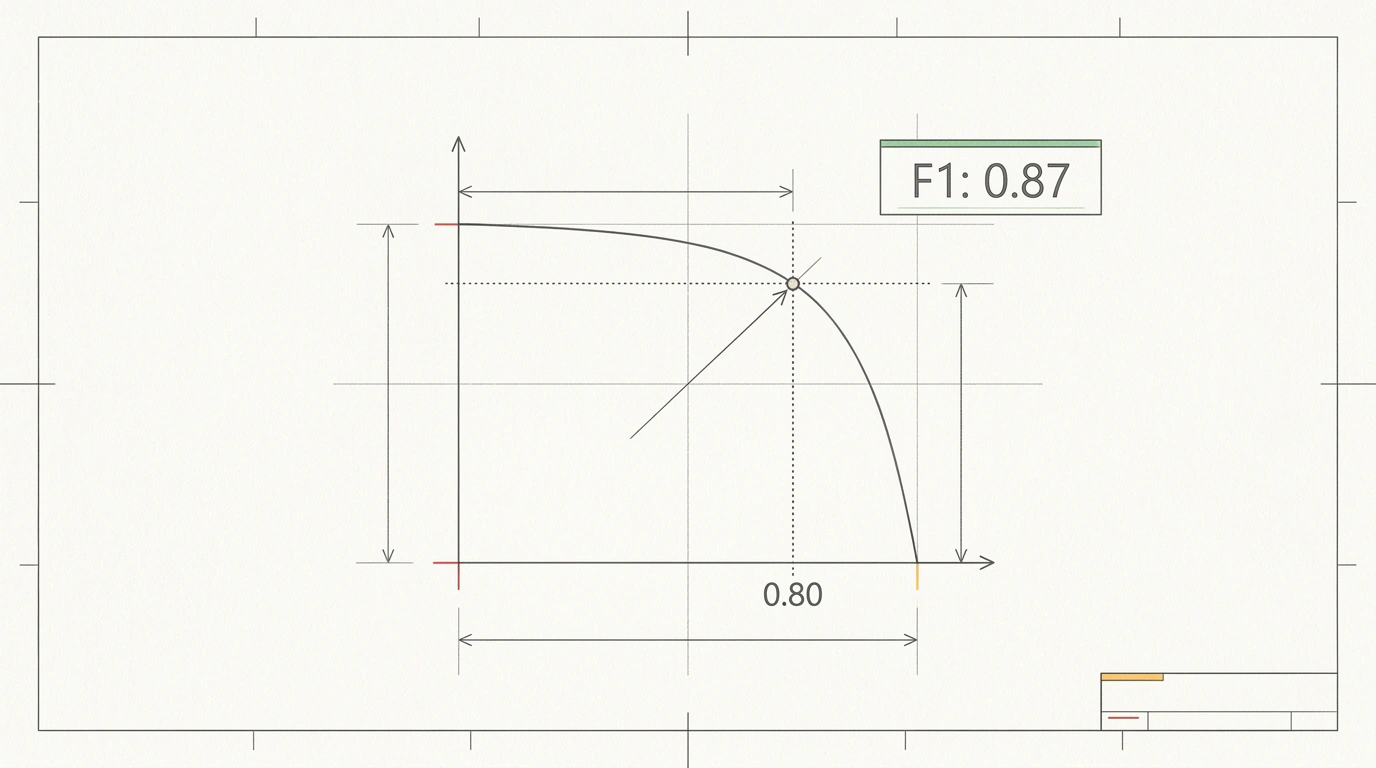
Infographic blueprint on paper showing decision-model calibration with a Precision-Recall curve and a 0.80 cutoff threshold.
ArticleLLMDevelopmentDataAnalytics

Decision Models Instead of LLM Judges: How to Tune Thresholds and Stop Burning Cash on Evals

Why do most teams fail miserably at evaluating agentic systems? They throw heavy LLMs like GPT-4o at the problem as judges, burn through token budgets, and leave the classification cutoff at the default 0.50. The result swings wildly between false-alarm floods and missed critical failures.

Hamel Husain's research proves that specialized decision models like Perplexity Decider or Liquid d1 run 10x faster and cheaper. The real secret isn't the model name—it's calibrating probabilities and tuning the cutoff threshold to balance Precision and Recall.

👍 0
Hamel HusainScikit-learn Documentation
October 21
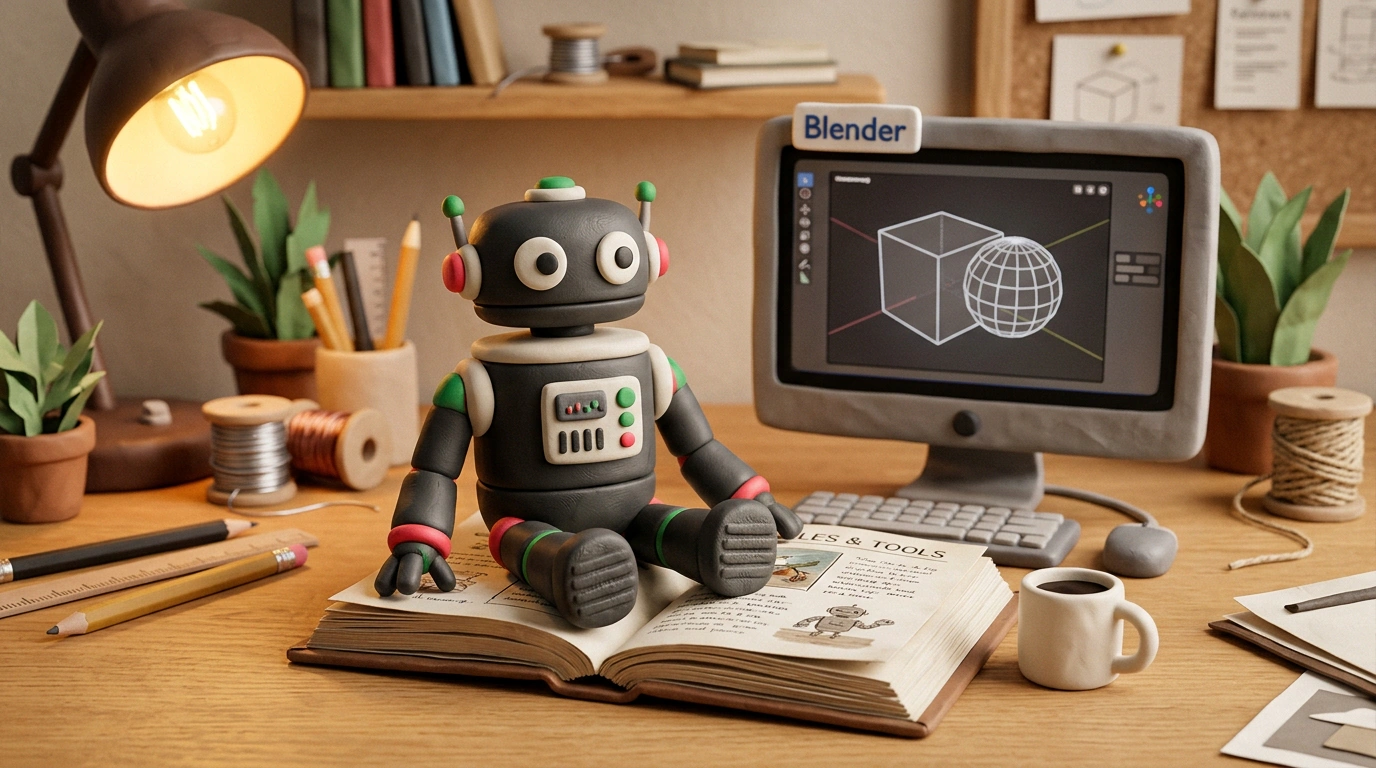
Terracotta clay sculptural diorama of a cozy workspace with a friendly round robot assistant beside a monitor showing a Blender window.
ArticleAIAI AgentsAutomationProductivity

ChatGPT Dots: A Personal Coordinator Agent with Its Own Isolated Virtual Machine

A standard chatbot chains you to your screen: you sit waiting for it to finish generating, and closing the tab stalls the job. ChatGPT Dots introduces a fundamentally different way to work with AI.

Instead of bouncing between dozens of scattered chats, you talk to one coordinator agent backed by an isolated cloud virtual machine. While you grab coffee or sit in a meeting, the Dot launches Blender in the background, builds a 3D model, writes scripts inside a sandbox, and emails you the finished video—turning an assistant from a chat partner into a full digital employee.

👍 0
Jason WestRiley BrownChatGPT Dots Features
October 21
3D render of a floating procedural Three.js geometric crystal hovering above a glowing coordinate grid marked 60 FPS.
ArticleDevelopmentAIAIThree.js

3D Worlds in the Browser from One Prompt: How Claude Opus 5.5 Builds Interactive Three.js Scenes

Building an interactive 3D world from scratch right in the browser without Unreal Engine or a team of 3D artists sounds like hype—until you pair the updated Claude Opus 5.5 with Three.js and see it work.

The model outputs a self-contained single HTML file with a WebGL scene, procedural lighting, and particles that runs smoothly on any device. Better yet, Claude doesn't just write the code—it tests the scene in a virtual browser, measures FPS, catches black-screen bugs, and fixes performance drops before handing you the result.

👍 0
Julian Goldie SEOThree.js Documentation
October 21
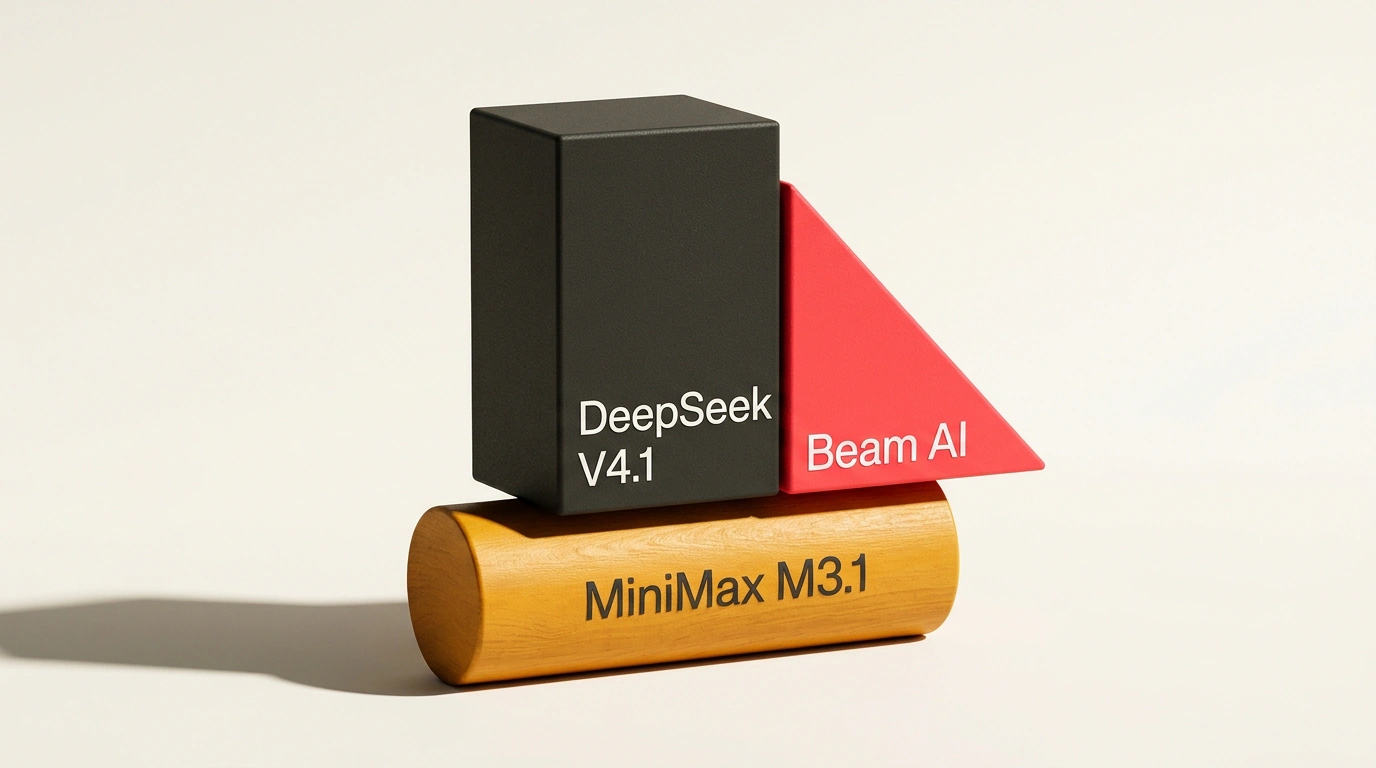
Bauhaus-style modular composition of three colored geometric prisms labeled DeepSeek, Beam AI, and MiniMax.
Thematic roundup3 sectionsOpen SourceLLMAI AgentsDevelopment

A Trio of Fast Agent Models: DeepSeek V4.1 Flash, Beam AI, and MiniMax M3.1 Flash

Running autonomous pipelines exclusively on flagship models like Claude Opus or GPT-5 is a fast way to torch your budget in days. The industry has settled on a split: heavy planning stays with the giants, while multi-step grunt work goes to a fast, lightweight trio:

  • DeepSeek V4.1 Flash: 1M-token context window and the free Token Harbour gateway for streaming massive logs;
  • Beam AI: open MoE model from Reflection AI (501B parameters) trained on 100M agentic browsing trajectories;
  • MiniMax M3.1 Flash: 3x speedup on routine tasks and a 5-level reasoning depth dial.

This combination cuts API spend by 5–10x without sacrificing automation quality.

👍 0
Julian Goldie SEOToken Harbour API
October 21
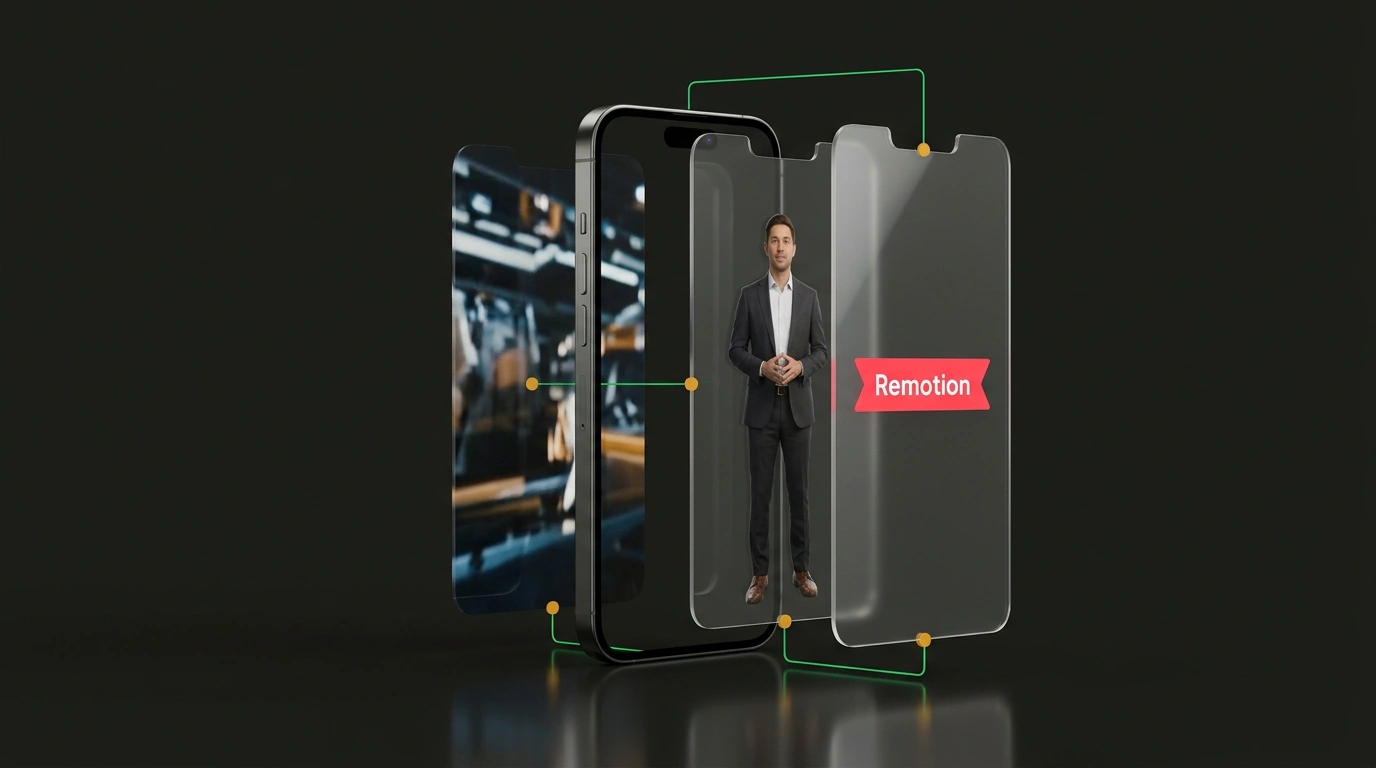
Exploded editing diagram of a video reel with floating layers of Remotion React code, a digital avatar, and a dynamic title card.
ArticleAutomationContentVideo ProductionAI

Automating Video Avatars: A Pipeline Built on HeyGen, Remotion, and an Agent Planner

Standard AI avatar clips make viewers yawn: a static talking head with zero pacing or cutaways loses 80% of its audience by the three-second mark. Yet editing every clip by hand in Premiere or CapCut defeats the entire point of automation.

The fix is a hybrid three-layer pipeline pairing HeyGen character generation with programmatic video editing in Remotion. Instead of dragging clips on a timeline, an agent controls video layers via React components—adding dynamic B-roll, animating callouts, and batch-rendering vertical clips from the CLI with zero manual intervention.

👍 0
Julian Goldie SEORemotion Documentation
October 21
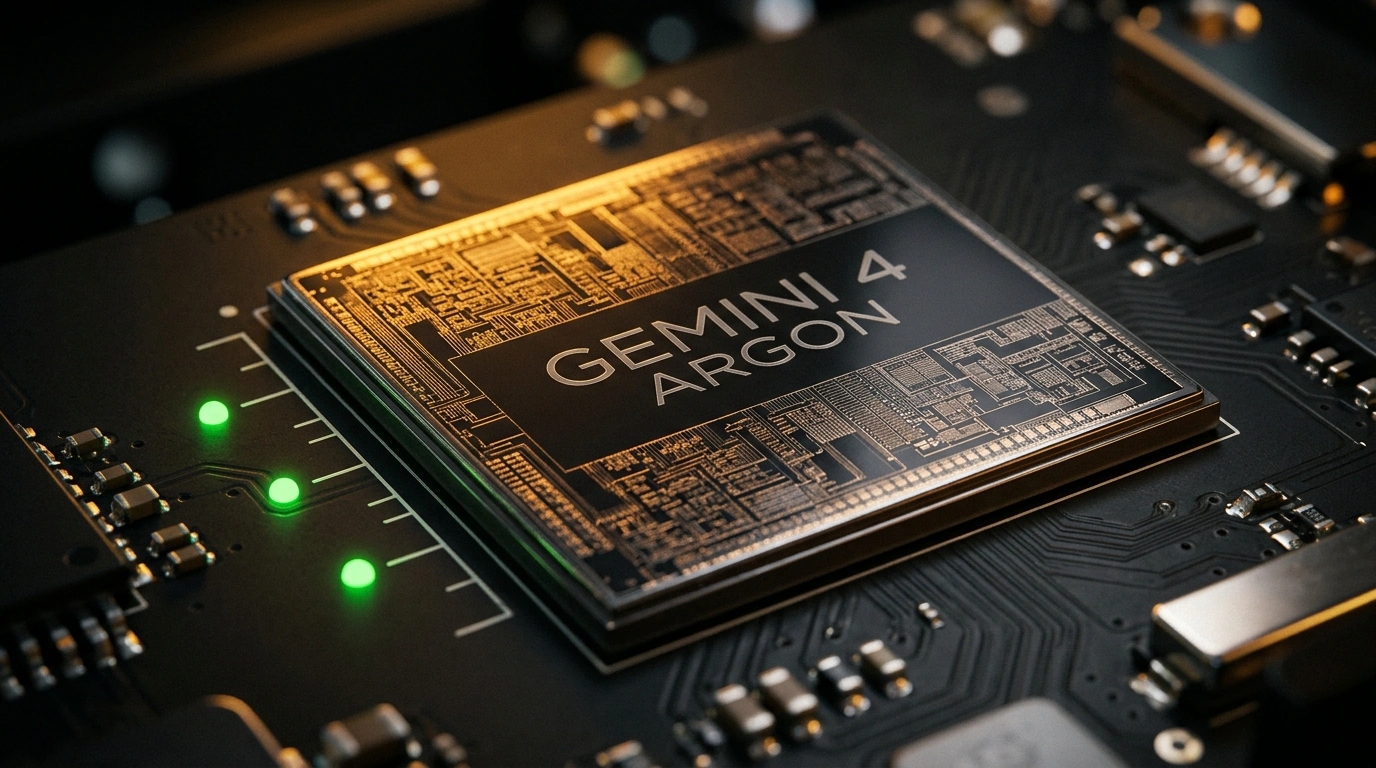
Macro photograph of a silicon AI chip with gold traces, three logic cores, and Gemini 4 Argon engraving.
ArticleAIAILLMBenchmarks

Gemini 4 Argon: One Million Output Tokens, Three Thinking Modes, and Day-One Manus Integration

Google shipped its flagship Gemini 4 Argon, and it's far more than a routine benchmark bump. The headline breakthrough is long decode, letting the model both ingest and generate up to 1 million tokens of continuous output inside a single session.

The model ditches random sampling knobs like temperature in favor of a three-level reasoning depth switch. It took #1 on Vals Index with 68.9 points and cut code rollbacks by nearly a third inside Google Anti-Gravity—explaining why Manus plugged Argon into its agent pipelines on launch day.

👍 0
Julian Goldie SEOGoogle AI Studio
October 21
Cinematic first-person view of a screen showing a Manus automation card and a manual Approve button.
ArticleAutomationAI AgentsProductivityIntegrations

Event-Driven Autopilot: How Triggers, Schedules, and Webhooks Work in Manus 2.0

Most modern AI assistants suffer from passive waiting syndrome: they sit frozen in a chat box and won't lift a finger until you paste a prompt and hit Enter. The Automations overhaul in Manus 2.0 turns the agent from a passive chatbot into a reactive operating system.

The platform fires tasks on schedules, incoming webhooks, and app events—from a new GitHub pull request to an incoming Gmail message or Shopify order. A built-in Human-in-the-Loop approval gate protects businesses from unwanted external actions.

👍 0
Julian Goldie SEOManus Platform
October 21
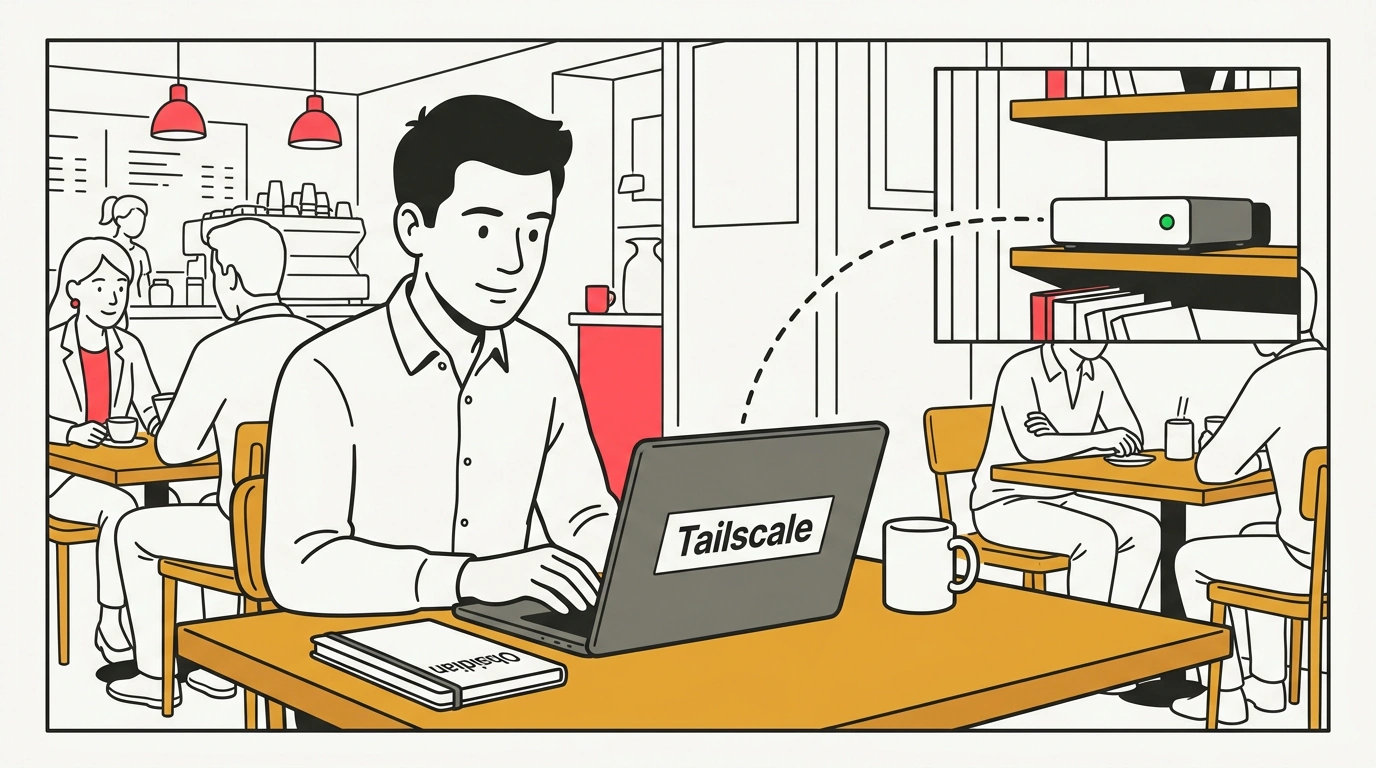
Minimalist European Ligne Claire comic illustration of a developer connecting a laptop to a server over an encrypted Tailscale tunnel.
ArticleAI AgentsAutomationOpen SourceObsidian

Five Hermes Agent OS Upgrades: Shared Obsidian Memory, Voice Agent, and Tailscale

Smart local AI assistants don't help much if their memory wipes the moment you close your laptop and you can't reach them from your phone. Open-source Hermes Agent OS from Nous Research just shipped five major infrastructure upgrades:

  • Shared memory via Obsidian Sync MCP: every agent reads and updates one local Markdown knowledge base with zero vendor lock-in;
  • Apollo voice agent: continuous background voice chat with no extra per-minute subscriptions;
  • Tailscale encrypted tunnel: secure remote control of your home agent server from your phone in 10 minutes;
  • Disposable Pop-Up workers: instant lightweight agents for one-off tasks with automatic cleanup;
  • GEO search agents: content optimization for AI search engine answers.

Together, this architecture turns scattered scripts into a unified personal command center.

👍 0
Julian Goldie SEOHermes Agent Documentation
October 21
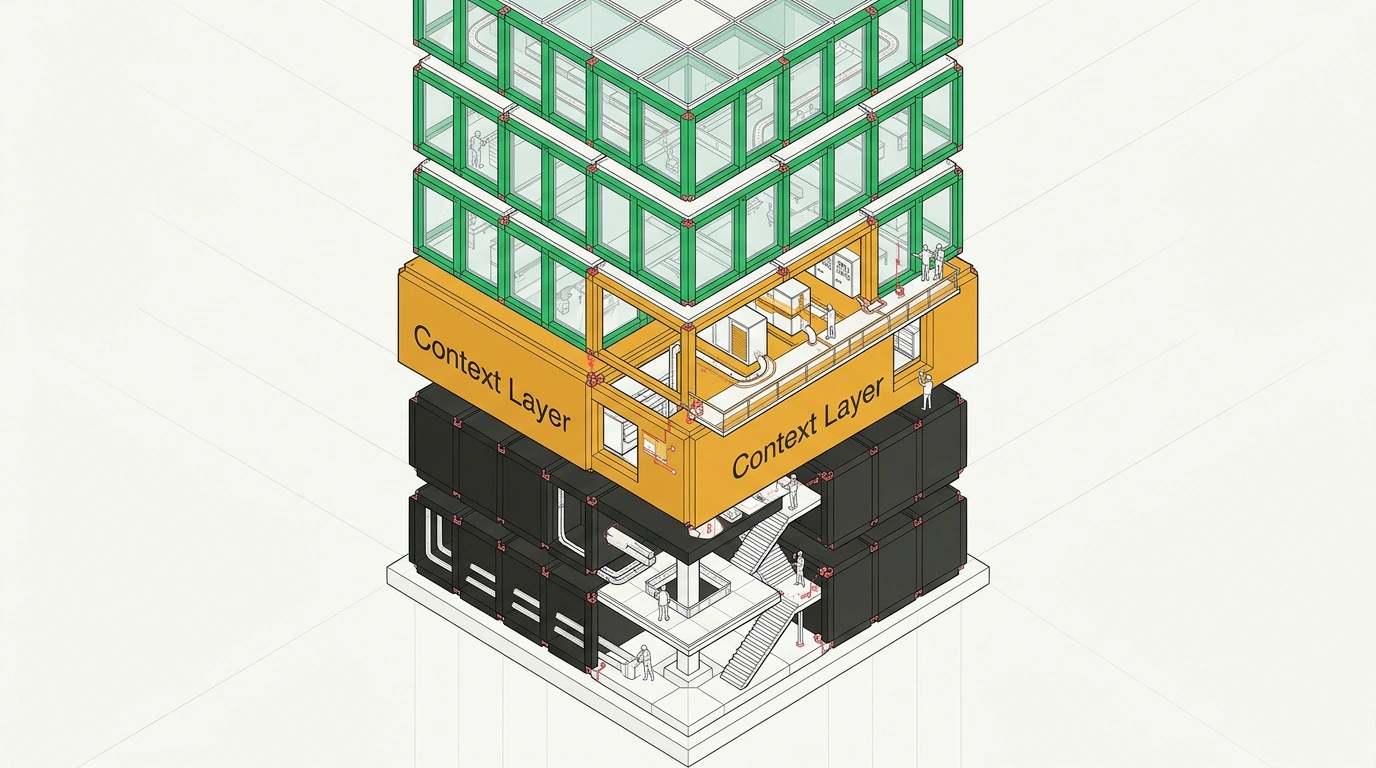
Architectural cutaway of a modular enterprise AI platform tower with seven color-coded standardized floors.
ArticleBusinessStrategyAI AgentsAutomation

Stop Building Custom Agents: The 7 Platform Layers That Will Replace DIY Stacks

Companies are burning hundreds of thousands of dollars on bespoke turnkey AI systems, duct-taping fragile script chains together. Every time OpenAI or Anthropic updates a base model, those custom wrappers snap and turn into expensive dead weight.

AI Makeover founder Liam Ottley compares today's market to early automobiles before Henry Ford's assembly line. Businesses should stop reinventing the wheel and enter the mature-platform waiting room—focusing on clean internal data and SOPs (the Context Layer) while leaving low-level orchestration to standardized services.

👍 0
Liam OttleyLiam Ottley Frameworks
October 21
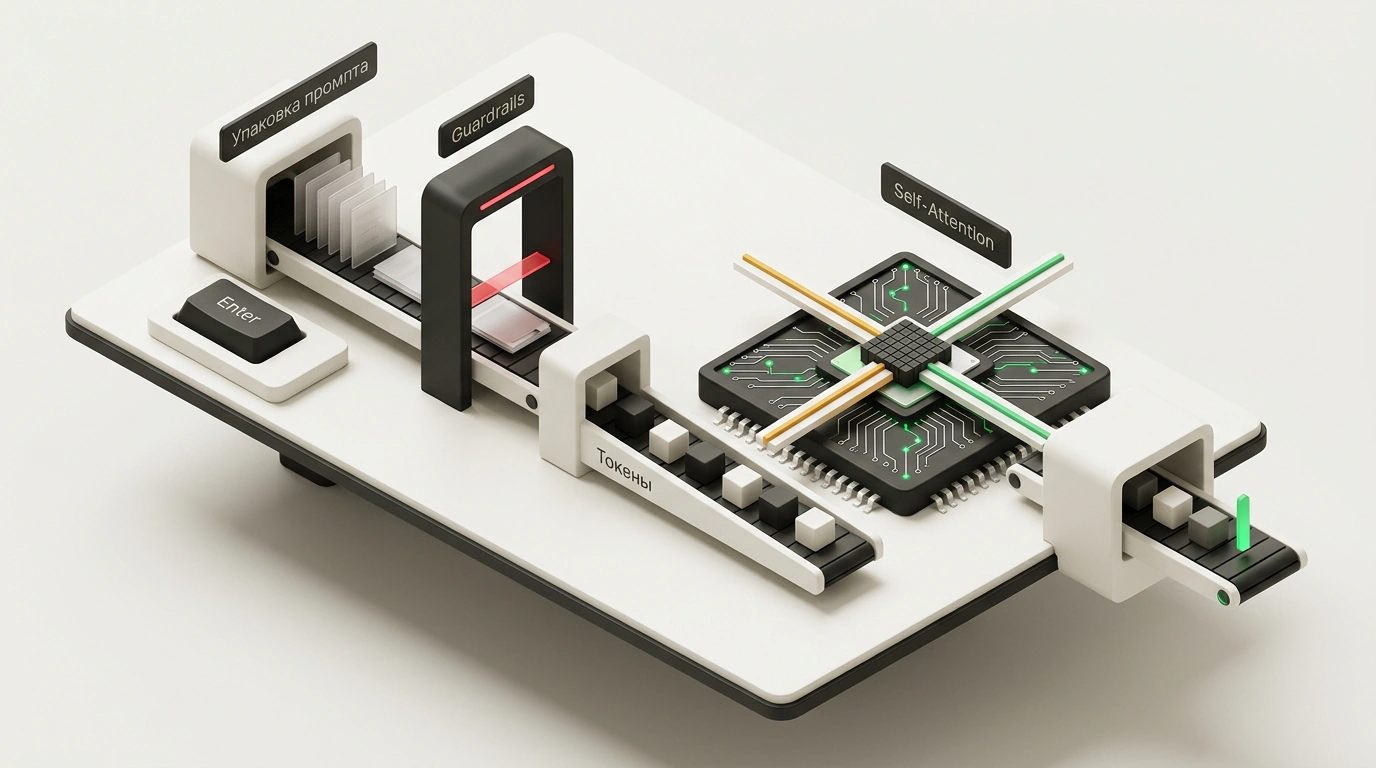
Architectural isometric cutaway of the ChatGPT request pipeline, tracing a prompt through safety filters and tokenization to silicon Self-Attention matrices.
LongreadLLMAlgorithmsAIArchitecture

Anatomy of a Single ChatGPT Prompt: From Prompt Packing to Quantization and Tool Calls

You hit Enter in ChatGPT, wait a couple of seconds, and watch a neat answer stream onto your screen. What actually happens inside data-center silicon during that brief pause? Contrary to popular myth, the model isn't 'thinking' like a human or holding secret encyclopedias in its head.

Behind every reply sits a massive engineering pipeline: invisible prompt packing with thousands of words of system instructions, instant lightweight guardrail checks, tokenization, GPU cluster batching, and Query, Key, and Value matrix math inside Self-Attention. Understanding that physics strips the mystery from hallucinations and explains why LLMs trip over grade-school arithmetic.

👍 0
Nick SaraevAttention Is All You Need Paper
October 21