Ever look at your ChatGPT sidebar and realize it's turned into a graveyard of hundreds of half-finished threads? In one tab you're rewriting an email, in another you're debugging a Python script, in a third you're drafting a marketing brief, and in a fourth you're generating images. Two days later, you can't remember which branch held the final version of the doc, so you're frantically scrolling through history.
OpenAI clearly saw that the classic Q&A chat window had hit a wall. Their answer to the clutter is a new entity called ChatGPT Dots—personal autonomous assistants that fuse two critical pieces: unified task dispatching and a dedicated compute environment. We covered the early announcements in our piece on ChatGPT Dots at DevDay, and now fresh hands-on cases show how the tech works from the inside.
Jason West: How a Dot Offloads Cognitive Overhead
Workflow researcher Jason West walked through the conceptual side of the update. Instead of acting as your own dispatcher and hopping between dozens of threads in ChatGPT Workspace, you talk to a single persistent Dot.
Think of it like a sharp executive assistant. You tell it by voice or text: "Put together a deck for the new product, build a 3D model of the logo, and check my inbox for supplier replies." The Dot doesn't trap you at your desk while it streams paragraph after paragraph. It takes the order, spins up internal subtasks, and dispatches them asynchronously across specialized tools.
You can close the browser tab, walk into a meeting, or grab a coffee—the work keeps running. The Dot finishes the job in the background and pings you with a neat notification once all the artifacts are ready.
Riley Brown: What's Actually Running Inside the VM
While Jason West explained the coordination model, tech builder Riley Brown popped the hood. It turns out each Dot gets its own full-fledged, isolated Cloud Virtual Machine (Cloud VM) preloaded with desktop and system software.
In his test, Riley handed a Dot a complex multimodal assignment. Working autonomously for just 15 minutes, the assistant ran this entire pipeline:
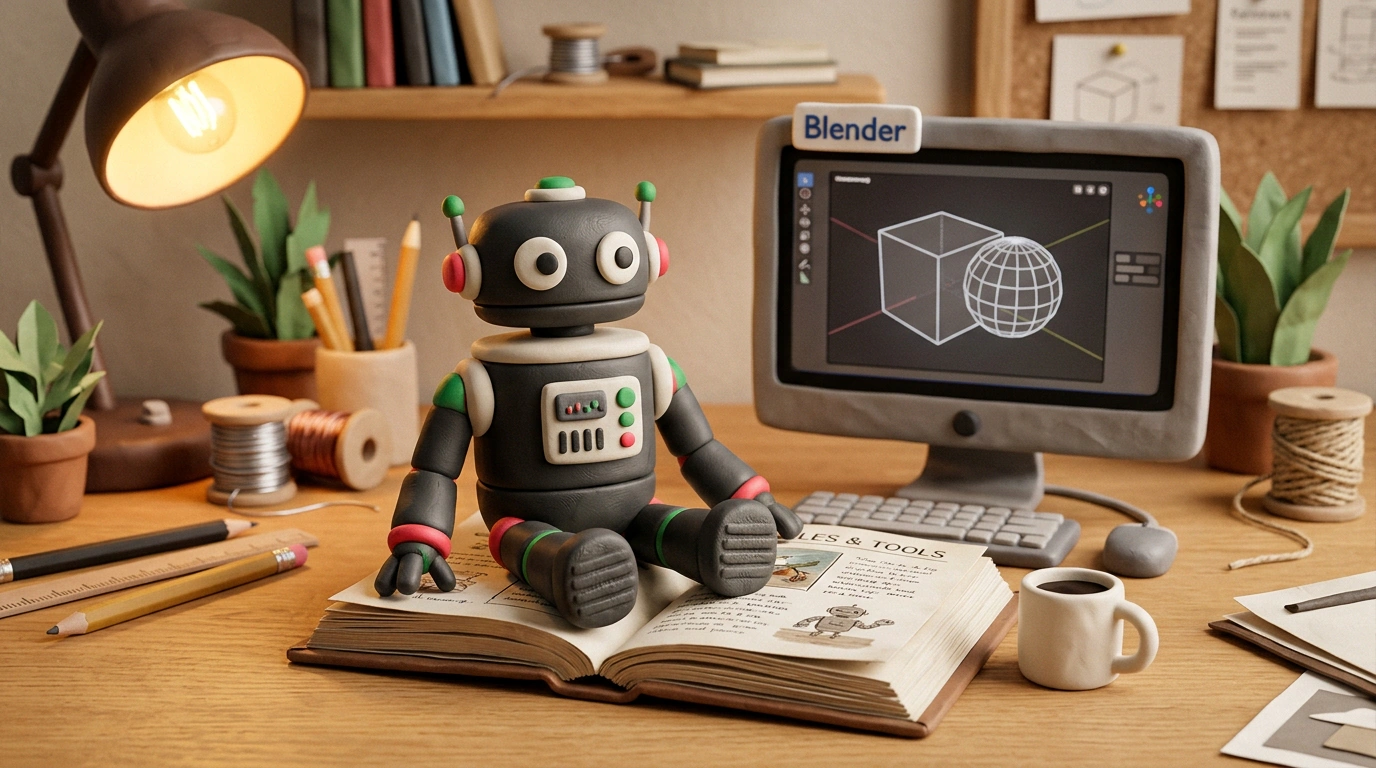
- Spun up a local session of the 3D suite Blender inside the virtual machine.
- Generated procedural 3D geometry with complex materials from a text description.
- Launched an isolated coding session in Codex and wrote a script to animate the camera orbiting the object.
- Rendered the scene, compiled the finished MP4 video, attached it to an email, and sent it to the target address.
All of this happened without a single click from the user inside Blender's UI. Compare that to the old workflow: copying scripts out of chat by hand, opening a local editor, tweaking render settings, and exporting the file yourself.
A Dot's virtual machine is completely isolated from your computer's local drive. It runs inside a cloud container on OpenAI's infrastructure. The agent has zero access to your local files, passwords, or OS processes unless you explicitly upload a specific document into the shared project workspace.
Availability, Limits, and Pricing Tiers
Right now, Dots is available to subscribers on ChatGPT Pro ($100/month) and enterprise teams on Business Premium. The steep entry price makes sense: keeping a persistent virtual machine on standby with rendering capability and background sessions eats real data-center hardware.
There are clear boundaries, of course. Active VM runtime is metered by quota, and ultra-heavy Blender scenes with millions of polygons still hit cloud memory ceilings. Even so, the direction is unmistakable: the era where AI was just a text input box is wrapping up. Chatbots are giving way to asynchronous workstations that actually take tasks across the finish line.