Issue October 30Daily digest · 22 items
In this issueReviewed 36 sources, gathered 22 items
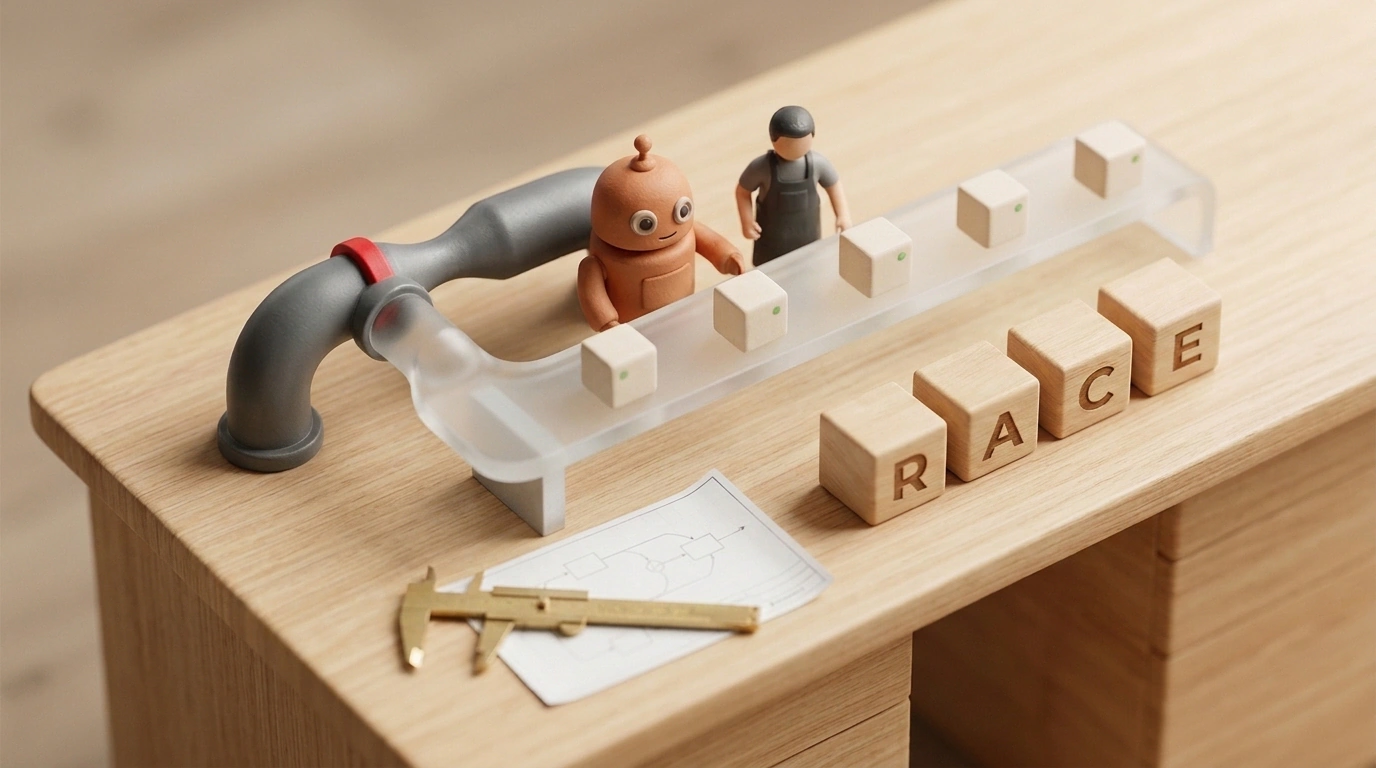
Miniature diorama of an automation workshop: an engineer figurine and a robot assemble a modular pipeline from RACE blocks, clearing a business process bottleneck.
LongreadAIAI AgentsBusinessAutomation

A Practical Guide to AI Consulting in 2027: From Bottleneck Audits to Autonomous Systems

Most companies now accept that automation is inevitable, yet get stuck in the chatbot demo trap. Nick Saraev's six-step method turns AI hype into an engineering discipline: auditing bottlenecks with the RACE framework, factoring goals into task trees, and deploying atomic Claude-powered pipelines backed by continuous evals.

Deployment success comes not from prompt complexity, but from pinpointing the business's root constraint.

👍 0
Nick SaraevLeftClick Agency - AI Systems & Growth Consulting
October 30
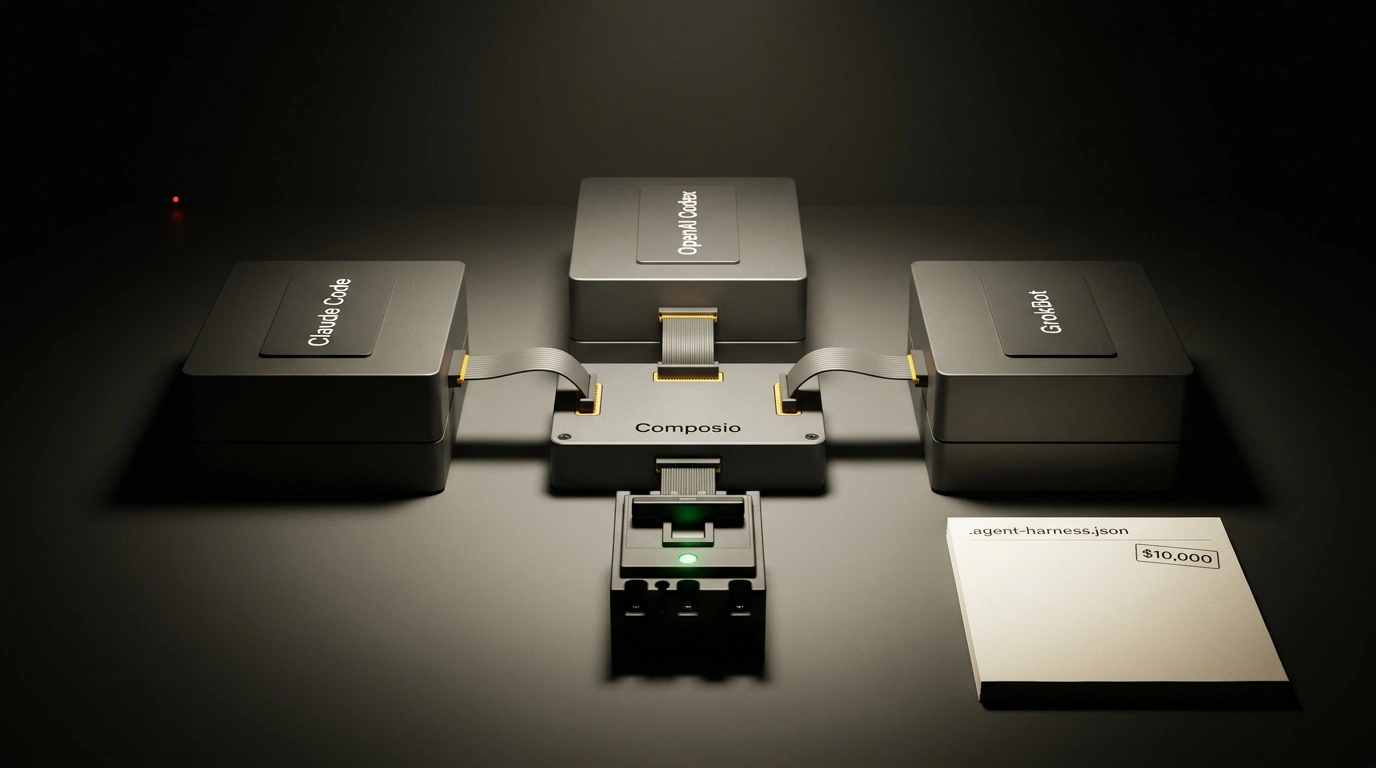
Still-life photograph of an engineering stress-test bench featuring Claude Code, Codex, and GrokBot modules, a central Composio bus, and a harness config card.
LongreadAIAI AgentsAutomationDevelopment

Stress-Testing a $10,000 AI Agent Stack: Comparing Claude Code, Codex, and GrokBot

After spending ten thousand dollars testing dozens of tools, Riley Brown assembled a production-ready agent stack and uncovered the hidden traps of autonomous bots. Why do popular chatbots break down on long contexts while a trio of Claude Code, Codex, and GrokBot holds up under daily business workloads?

The difference comes down to how the architecture partitions memory, tools, and compute budgets.

👍 0
Riley BrownAgent Native Inc - Enterprise Agent Stack Resources
October 30
Still life of the 4C concept: wooden Context, Connections, Capabilities, and Cadence blocks arranged around a laptop displaying Markdown notes.
ArticleAIAI AgentsProductivityDevelopment

Architecture of a Reliable AI Second Brain: 4 Core Components of a Resilient Notes-and-Agents Stack

Turning a second brain into an over-engineered contraption inevitably costs more time in maintenance than it saves. Cole Medin shows that a dependable agentic environment rests on just four pillars: Context, Connections, Capabilities, and Cadence.

A plain folder of Markdown files paired with the Arcade MCP runtime saves him up to 30 hours a week.

👍 0
Cole Medin
October 30
News · October 301 news item

Liquid AI RIPL Architecture: 20x Faster Inference and Ultra-Low Latency for Enterprise Search

Liquid AI unveiled its RIPL technology, cutting model inference latency below 50 milliseconds. Embedding a compact adaptive model directly into the live request path delivers a 14–28x speedup, and the architecture is already running in Shopify's production search on NVIDIA GPUs.

Futuristic Gemini 4 Carbon crystal resting on a testing pedestal under beams of spectral light.
ArticleAILLMAnalyticsAlgorithms

Google Introduces Gemini 4 Carbon: Architectural Leap and Leadership in Reasoning Benchmarks

Google rolled out its flagship Gemini 4 Carbon model, taking first place on the Artificial Analysis Intelligence Index v5.0 with 59 points—ahead of Claude Opus 5.5 and GPT-6 Astra. The architecture is tuned for code auditing, DevSecOps, and complex reasoning across a 2-million-token context window.

With a 95% discount on prompt caching, the model sparks an aggressive price war among industry leaders.

👍 0
Matthew BermanJulian Goldie SEO
October 30
Isometric diorama of a developer workspace with a Cursor Agent SDK terminal and an autonomous code-reviewer robot.
ArticleAIAI AgentsDevelopmentAutomation

Cursor Releases Agent SDK: A Framework for Autonomous Background Review and Testing Agents

The team behind the Cursor editor opened access to Agent SDK—a toolkit for declaratively building background review and testing agents. An assistant's behavior is now version-controlled in Git, tools are typed with Zod, and code runs inside isolated cloud VMs.

Software development is shifting from sitting in an interactive chat to autonomous background pipelines.

👍 0
Julian Goldie SEO
October 30
Sculptural composition of a high-speed race car and chronometer engraved with GPT-6.1 Terra on a matte graphite podium.
ArticleAILLMDevelopmentAlgorithms

OpenAI Releases GPT-6.1 Terra: 3x Faster Inference and the Sweet Spot for Agentic Workflows

OpenAI released GPT-6.1 Terra, filling the sweet spot between lightweight Luna and flagship Astra. The model runs three times faster than top-tier versions with under 400 ms time-to-first-token and half the API cost ($1 input / $5 output per million tokens).

A configurable reasoning.effort parameter lets developers dial in the exact balance between speed and reasoning depth.

👍 0
Julian Goldie SEO
October 30
Paper collage and mixed-media artwork depicting a giant MoE expert structure alongside an unfurled Kimi K3.1 Pro scroll.
ArticleAIOpen SourceLLMDevelopment

Open-Weight Kimi K3.1 Pro: 2.8T MoE Architecture and a 1-Million-Token Context Window

Moonshot AI open-sourced the weights for its 3T-class flagship model, Kimi K3.1 Pro. Its Mixture-of-Experts architecture packs 2.8 trillion total parameters with 104 billion active per token and a native 1-million-token context window built on hybrid Delta Attention.

Supported out of the box by vLLM, the release gives enterprise teams independence from closed commercial APIs.

👍 0
Julian Goldie SEO
October 30
Photo studio still life with MAI Image 2.6 test prints and a macro lens laid out on a bright table.
ArticleAIAlgorithmsDesignDevelopment

Microsoft Unveils the MAI Image 2.6 Family: Balancing Detail and Generation Speed

Microsoft launched the MAI Image 2.6 and 2.6 Flash diffusion models in Microsoft Foundry, taking second place on the global Arena text-to-image leaderboard. The architecture supports up to 5 simultaneous reference images, Bing web grounding, and native resolution up to 1.5K.

Splitting into a rapid Flash tier (500 ms) and a high-detail base model covers the full commercial creative workflow.

👍 0
Julian Goldie SEO
October 30
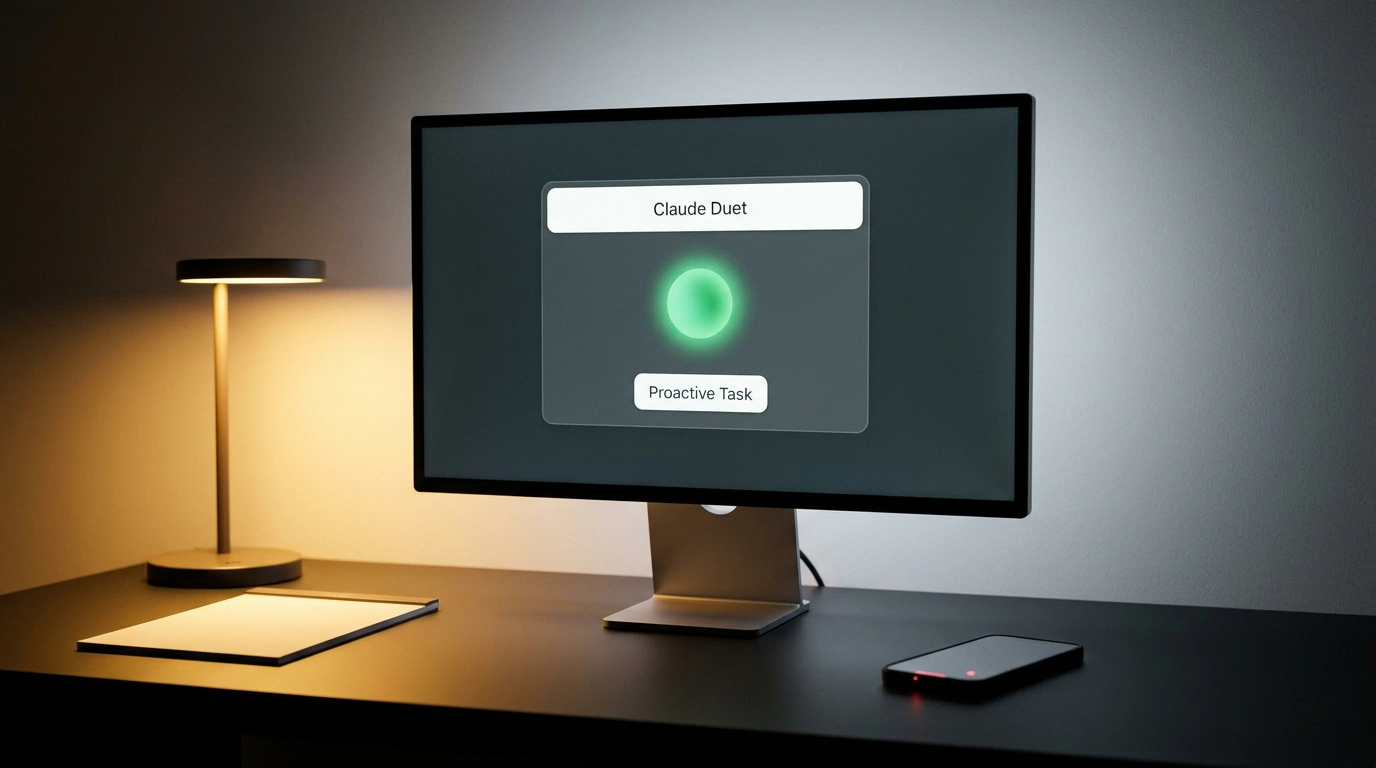
Cinematic shot of an evening home office with a terminal for the autonomous Claude Duet agent initiating a background task.
ArticleAIAI AgentsAutomationProductivity

Proactive Claude Duet: How Anthropic's Background Agents Initiate Tasks Without a Prompt

Anthropic opened a preview of Claude Duet, a proactive agent powered by Claude Opus 5.5. Unlike passive chatbots, Duet runs continuously in a cloud background loop—preparing morning briefings, resolving calendar conflicts, and initiating tasks without waiting for a human prompt.

Safety is enforced by multi-layered prompt-injection classifiers and mandatory approval gates for destructive actions.

👍 0
Julian Goldie SEO
October 30
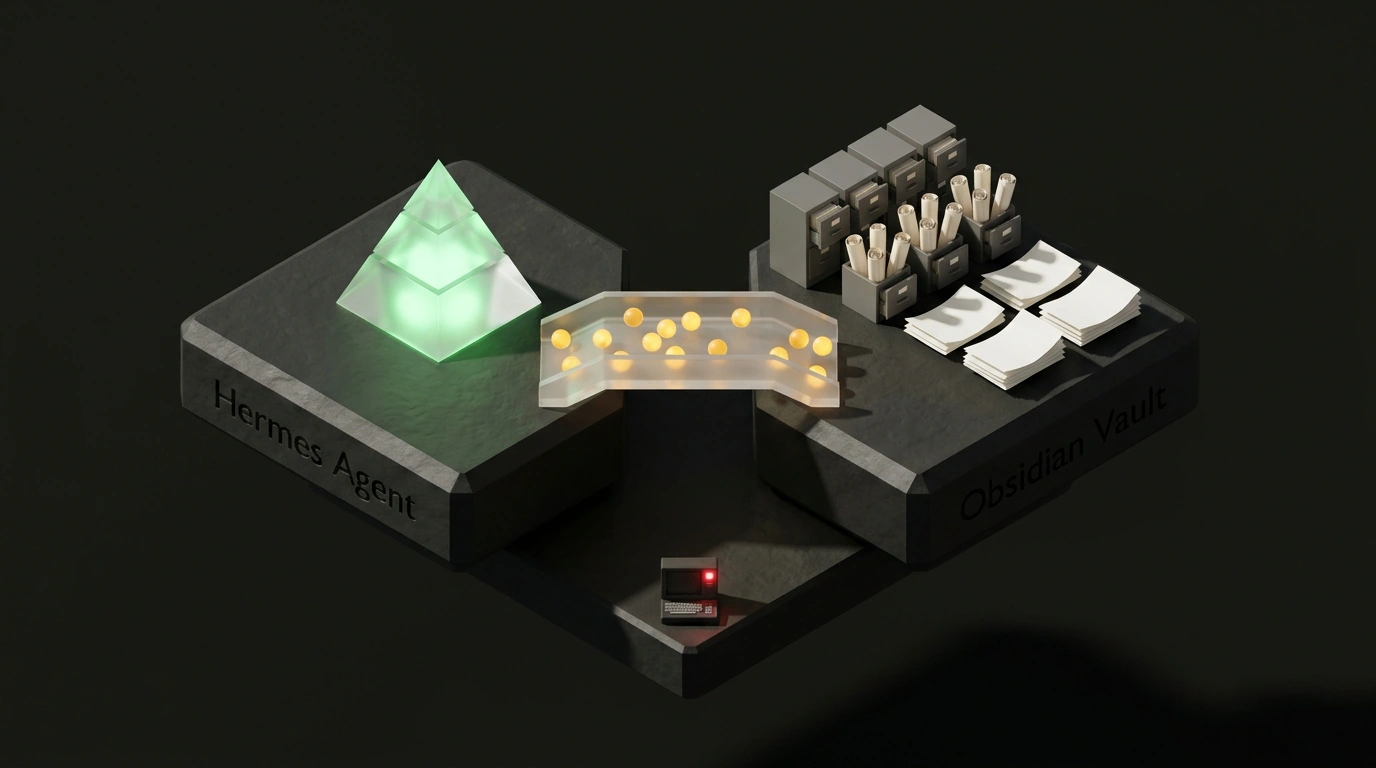
Isometric diorama of a digital archive: Hermes Agent memory crystals connect via a bridge to an Obsidian book vault.
ArticleAIAI AgentsProductivityDevelopment

Integrating Hermes Agent and Obsidian: Shared Long-Term Memory for Multi-Agent Environments

Nous Research integrated its autonomous Hermes Agent framework with Obsidian, introducing a three-tier long-term memory model (USER.md, MEMORY.md, and a SQLite session archive). The agent saves learned lessons and rules as transparent Markdown files linked with bidirectional references.

This design eliminates cross-session amnesia and lets a bot swarm share context safely.

👍 0
Julian Goldie SEO
October 30
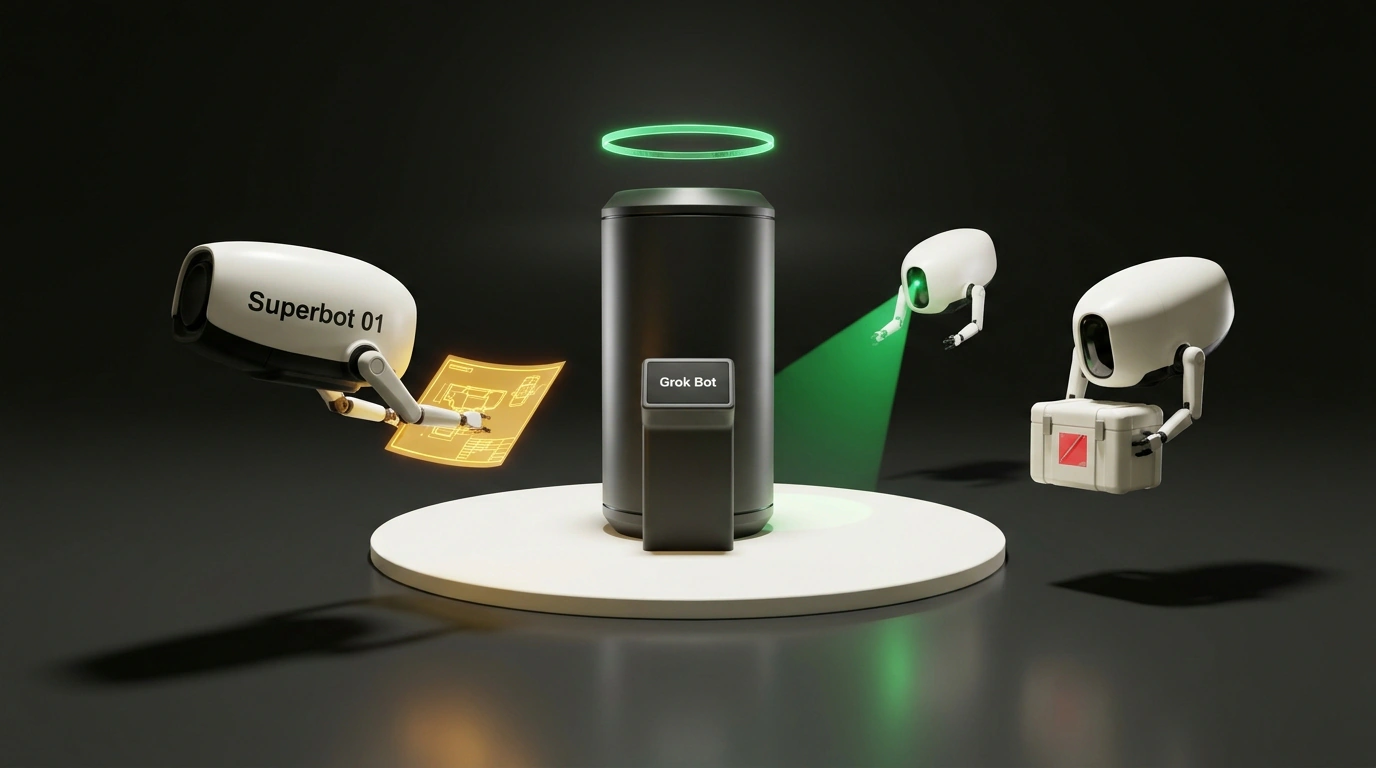
Futuristic Superbots coordination station with a central Grok Bot terminal and hovering worker drones.
ArticleAIAI AgentsAutomationChatbots

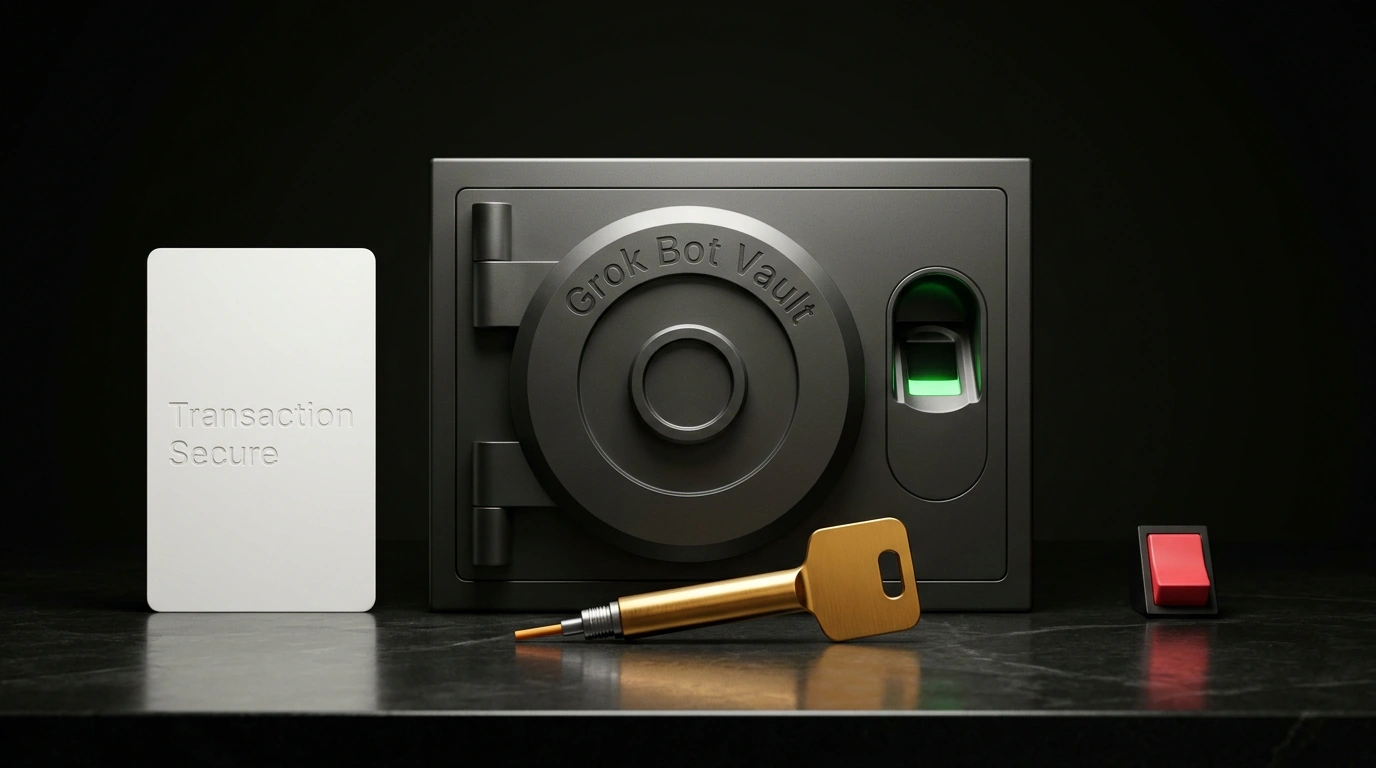
Autonomous Grok Bot Platform: Tool Integration, Script Execution, and Launching Superbots Swarms

xAI turned Grok Bot into a persistent cloud execution environment complete with an isolated file system, Linux terminal, and headless browser. The Superbots architecture lets specialized bots team up in groups to tackle multi-step workflows without human supervision.

Agents run on schedules in the background and keep session state independent of the user's device.

👍 0
Julian Goldie SEO
October 30
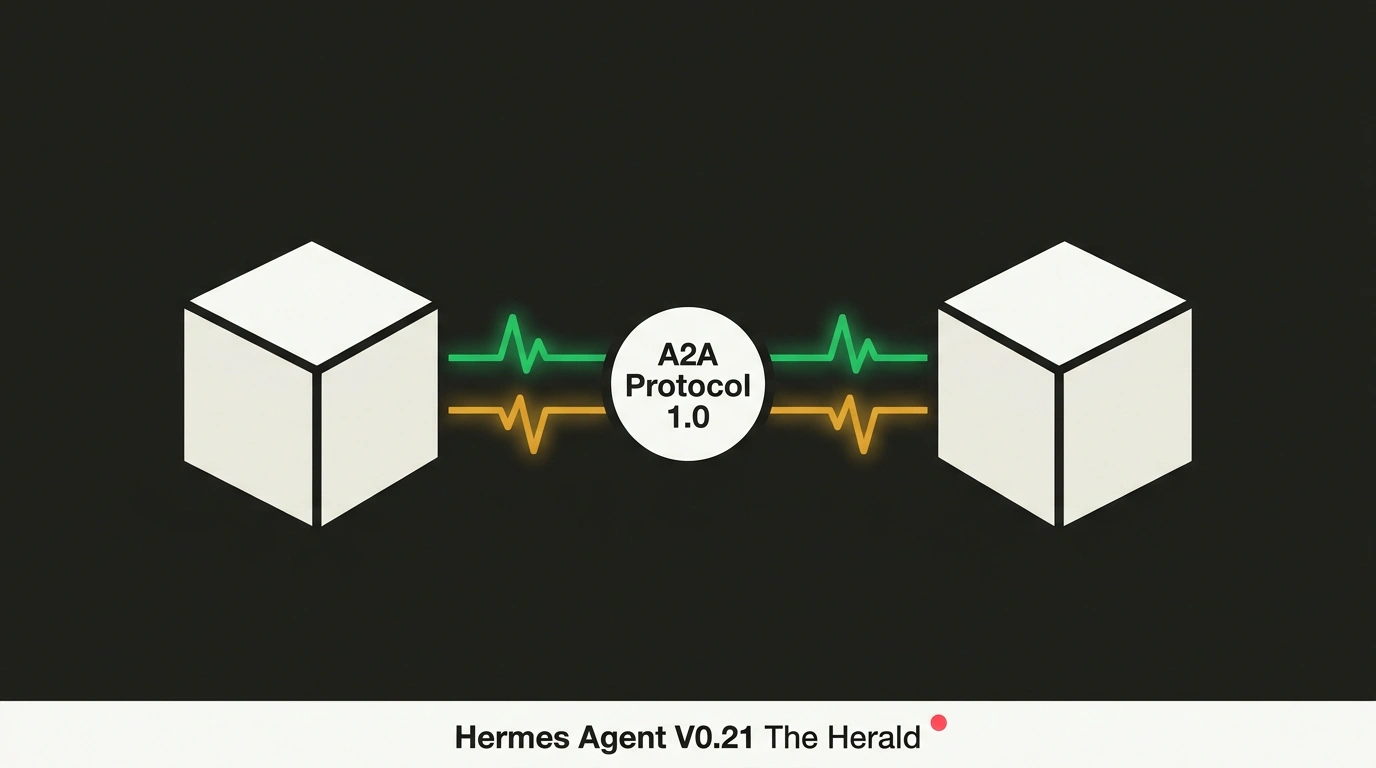
Conceptual poster for the Hermes Agent V0.21 release showing an A2A network bridge linking two autonomous agents.
ArticleAIAI AgentsOpen SourceDevelopment

Hermes Agent V0.21 Update: A2A 1.0 Protocol, Voice Inference, and Citation Verification

Nous Research shipped Hermes Agent V0.21 ('The Herald Release'), introducing the open Agent-to-Agent (A2A 1.0) communication protocol. A2A turns agents into independent network nodes capable of discovering peers and delegating tasks over JSON-RPC.

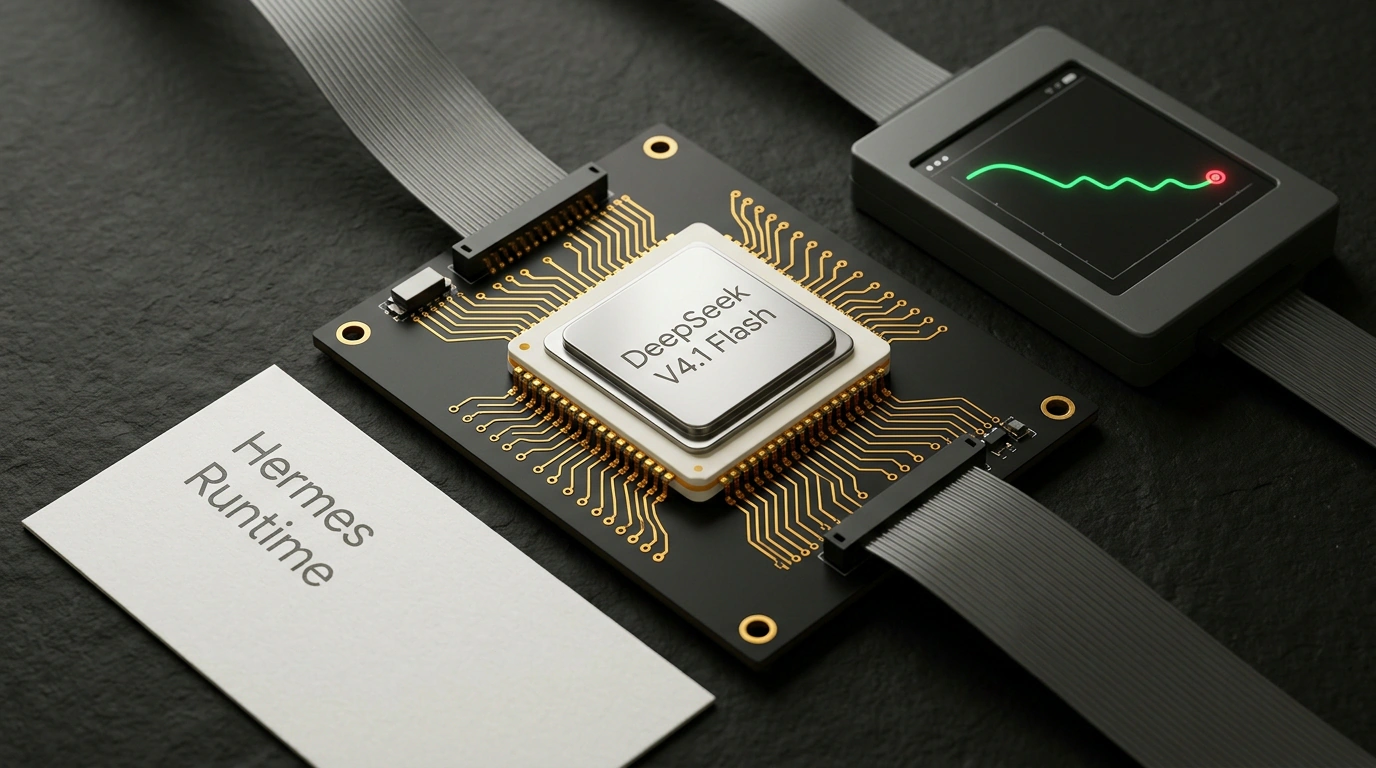
The update also adds local real-time voice inference and a deterministic citation validator to curb hallucinations.

👍 0
Julian Goldie SEO
October 30
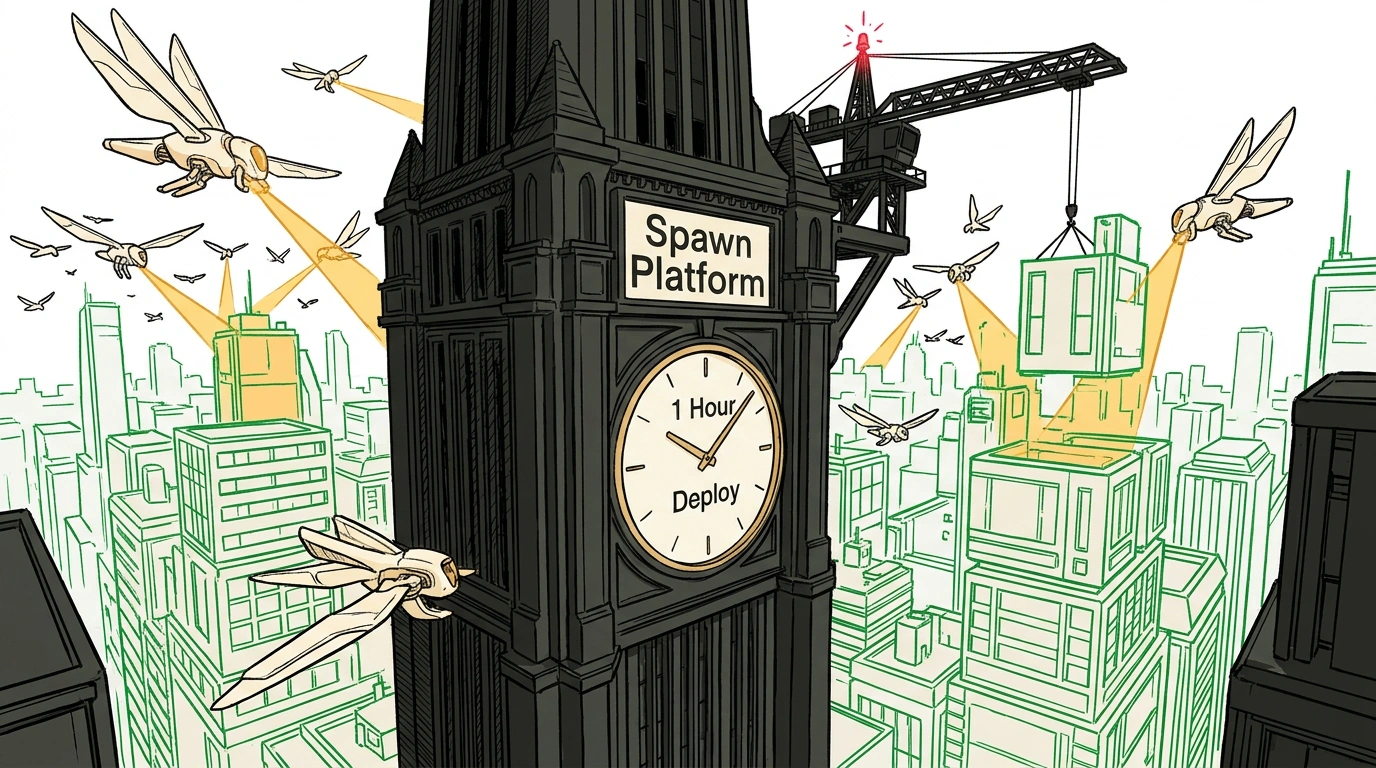
Graphic scene of the cybernetic Spawn metropolis featuring a continuous-deployment clock tower and a swarm of flying agents.
NoteAIAI AgentsDevelopmentAutomation

Autonomous Agent Swarm at Spawn: Hourly Continuous Deploys and Live World-Building

In the multiplayer game Spawn, players reshape the virtual world on the fly via text prompts to the in-game agent Savi—yet the real surprise happens on the backend, where an autonomous agent swarm builds the codebase. The team spends over $3 million a month on Fable 5.1 tokens, ships fresh code to production every hour, treats any missed release as a SEV-0 outage, and executes surgical rollbacks in 30 seconds.

👍 0
Simon Willison
October 30
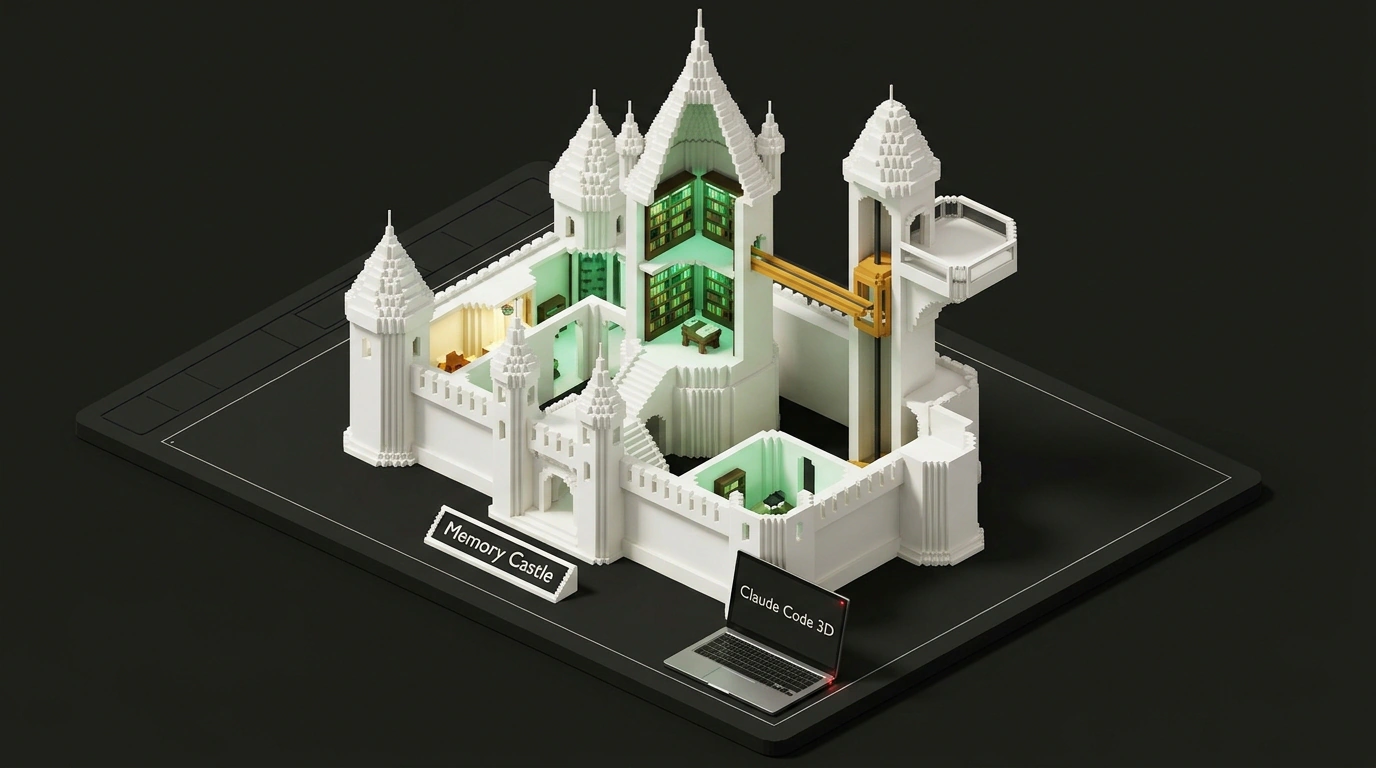
Architectural blueprint and 3D voxel projection of a virtual memory castle reconstructed using Claude Code.
NoteAIAI AgentsDevelopmentCreatives

Procedural 3D Space Reconstruction in Claude Code: From Memory Notes to Interactive Worlds

Experiments with the terminal agent Claude Code are stretching far beyond routine backend scripts. Researchers fed the agent an archive of 400 travel and memory notes, and it built an interactive Three.js 3D castle from scratch with clickable bookshelves and memory rooms—plus a detailed virtual reconstruction of a wedding hotel complete with working elevators and teleportation.

👍 0
Skill Leap AI
October 30