For years, search engines were little more than catalogs of text links. You typed a query, got a list of websites, clicked through, logged in, and completed your task by hand. Generative AI answers only changed the surface: search learned to summarize articles briskly, yet it still couldn't take real-world action—ordering food delivery, booking a restaurant table, or calling a cab.
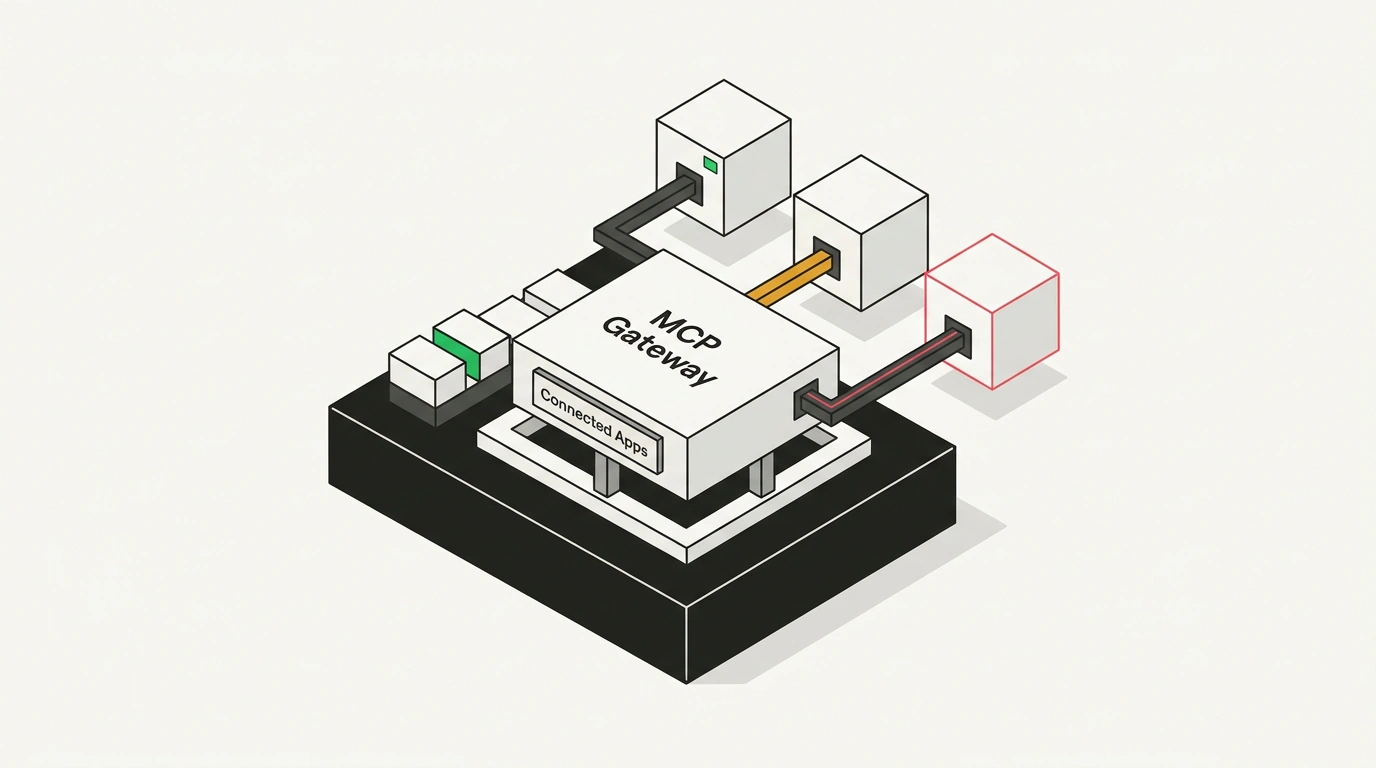
Google has now launched the Google Connected Apps platform, turning the Google AI Search bar and the Gemini conversational interface into a full execution environment. The real headline is the tech stack underneath: instead of locking developers into a proprietary format, Google backed the open Model Context Protocol (MCP) alongside a native Android AppFunctions system API for devices on Android 16+.
I went through the Google Connected Console docs, unpacked the manifest specs, checked latency requirements, and tested command-execution flows. Let's see how this bridge between neural networks and third-party services works, and what Connected Apps changes for businesses and developers.
Two Architecture Layers: Cloud MCP and Android AppFunctions
Google Connected Apps splits integration into two complementary tiers depending on where the service runs:
- Cloud MCP Servers: Built for classic web services, cross-platform backends, and booking engines. A developer spins up an MCP-compliant server over Server-Sent Events (SSE) or secure WebSockets. When a user types into Search or Gemini: "Book a table for two at a Georgian restaurant near my place tomorrow at 7:00 PM," Gemini recognizes the intent, calls the restaurant's registered MCP server with strict JSON parameters, and renders the booking confirmation right inside an interactive search result card.
- Native Android AppFunctions API: For Android 16+ apps, Google built a direct system extension into the Jetpack libraries. An app declares which functions are exposed to the OS, and on-device Gemini can invoke them locally using the
EXECUTE_APP_FUNCTIONSsystem permission—giving instant response times and working even without a constant internet connection.
Connection Manifest and Kotlin Implementation
Here is how a service plugs into the Google Connected Console. The developer publishes a compact JSON manifest describing endpoints and tool parameter schemas:
{
  "app_id": "com.example.fooddelivery",
  "version": "1.2.0",
  "auth_type": "oauth2_code",
  "mcp_endpoint": "https://api.fooddelivery.com/v1/mcp",
  "tools": [
    {
      "name": "repeat_last_order",
      "description": "Повторяет последний заказ еды из любимого ресторана пользователя",
      "parameters": {
        "type": "object",
        "properties": {
          "delivery_address_id": {"type": "string", "description": "Идентификатор сохраненного адреса доставки"},
          "tip_amount_usd": {"type": "number", "description": "Сумма чаевых курьеру"}
        },
        "required": ["delivery_address_id"]
      }
    }
  ]
}
On the Android client side, registering an executable function uses native Jetpack AppFunctions annotations:
package com.example.fooddelivery

import androidx.appfunctions.AppFunction
import androidx.appfunctions.AppFunctionContext

class DeliveryFunctions {
    @AppFunction(name = "repeat_last_order")
    suspend fun repeatOrder(
        context: AppFunctionContext,
        deliveryAddressId: String,
        tipAmountUsd: Double?
    ): OrderResult {
        val authUser = context.getAuthenticatedUser()
        val orderManager = OrderManager(authUser)

        // Autonomous order placement via internal delivery service
        val newOrder = orderManager.reorderLast(
            addressId = deliveryAddressId,
            tip = tipAmountUsd ?: 0.0
        )

        return OrderResult(
            success = true,
            orderId = newOrder.id,
            etaMinutes = newOrder.estimatedArrivalMinutes
        )
    }
}
The model itself maps a natural request ("Gemini, repeat my pizza order from yesterday") to the method schema, fills in the address ID, and triggers the local app function.
The Dawn of Agentic SEO and Transaction Security
Google Connected Apps ushers in an entirely new discipline: Agentic SEO (search optimization for AI agents). Marketers used to spend years fighting for the top organic link to earn a precious click. Now the goal shifts: making sure Gemini selects your service as the best execution tool to close the user's transaction.
At the same time, Google put heavy guardrails around security and payments:
- Initial authorization with third-party services happens once over strict OAuth 2.1.
- Executing any financial transaction requires explicit biometric confirmation (fingerprint or face scan on the mobile device).
- Every MCP server goes through mandatory review in Google Connected Console with a strict SLA on response latency (tool calls must stay under 500 milliseconds) and error-rate monitoring.
Google Connected Apps erases the line between looking up information and acting on it. The search engine is no longer just a storefront of links—it's becoming a global operating system for autonomous digital services.