Are you familiar with the "locked grocery basket" problem? In mobile commerce and food delivery, shoppers quickly fall into a rigid routine: they open the app every three days, mechanically tap the usual milk, bread, and eggs, and check out. Trying to nudge them toward high-margin categories—like personal care or eco-friendly household cleaners—with standard push notifications and blunt-force banners usually hits a wall of banner blindness, sending cost per acquisition (CPA) sky-high.
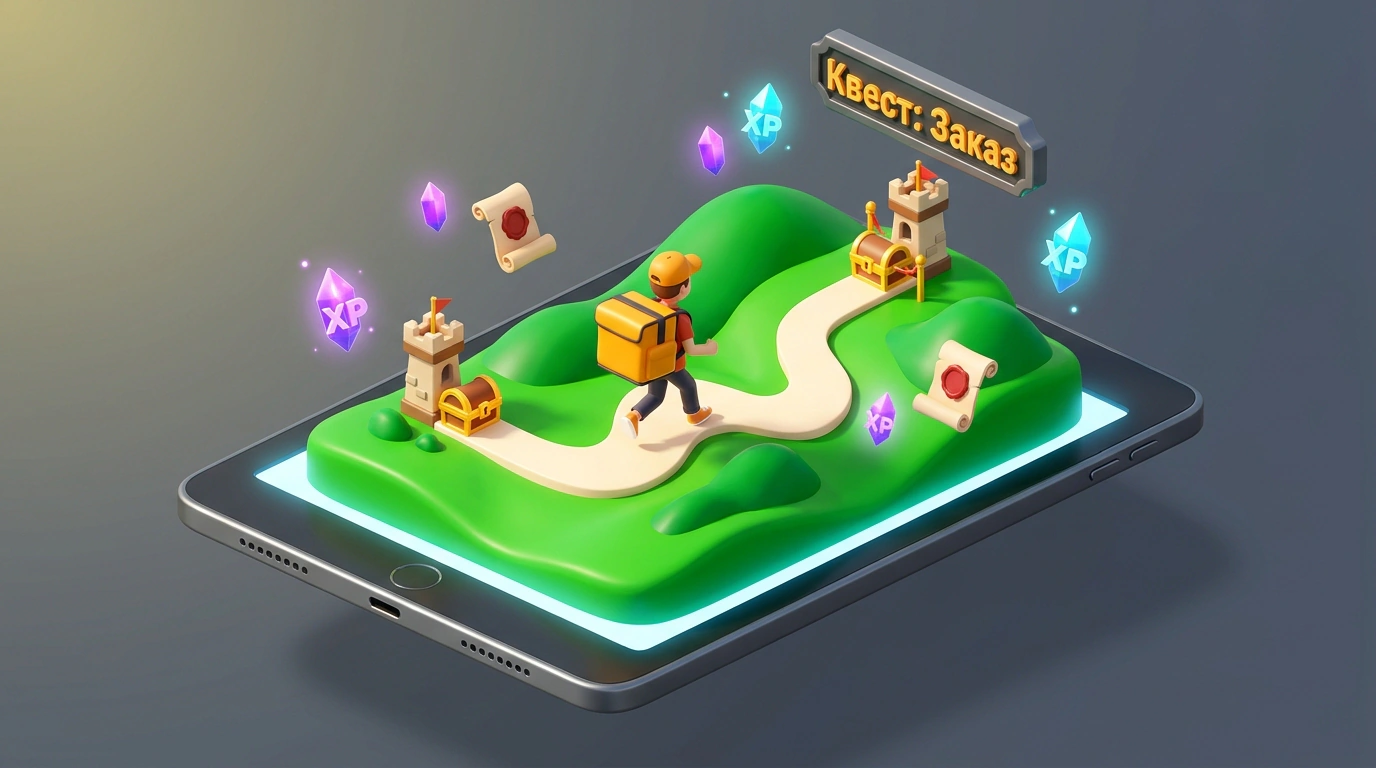
To break through that wall, in August 2026 delivery service Samokat rolled out a multi-brand special project called "Heroes of Beauty and Cleanliness." Instead of a boring discount catalog, the team built a full-fledged adventure quest inside a VKontakte mini-app, borrowing its narrative backbone from tabletop RPG D&D (Dungeons & Dragons). They named the game world Chistozemye (Cleanland), with the cunning Lord Gryazemord (Lord Mudmug) as the main villain. Partner brands' products were woven straight into the gameplay: shampoos, creams, and cleaning sprays became battle companions, artifacts, and magic shields.
Quest Architecture: From Card Battles to Real Shopping Carts
The game flow was designed with crystal clarity: a series of five card battles. On the first four levels, players fought the villain's henchmen before facing the final boss. Each battle lasted about a minute on average, keeping the pace snappy without bogging users down in complex rules.
The real marketing hook sat in the retention loop. Winning each stage earned the participant a personal promo code for partner-brand products. However, to unlock the next level and compete for big prizes (smart speakers, fitness watches, and a travel voucher), players had to place a real order from a dedicated multi-brand collection in Samokat.
To drive repeat purchases, the team added a collection mechanic: completing targeted orders from specific brands awarded unique cards. Collecting two different cards entered the shopper into a raffle for a tablet. All tasks lived in a dedicated quest hub with deep links straight to the app storefront. The moment a customer paid for an order, the project's bot instantly pinged them that a new location had unlocked. The result was a seamless omnichannel bridge: game in social media, purchase in delivery, return to the game for another hit of dopamine.
Traffic, Metrics, and Long-Term Unit Economics
The campaign was promoted across multiple arteries at once: in-app Stories and product cards inside Samokat, creator seeding on VKontakte, and banner placements in the "For Life" section of the SberBank Online ecosystem. Curated Stories guided customers down the entire funnel—from the home screen all the way to checkout.
The special project's numbers confirmed the approach worked:
- Over 30,000 users joined the quest;
- Authorization conversion hit an impressive 55%;
- 38% of visitors actively started playing the game;
- More than 40,000 promo codes were distributed in the first round alone.
The most interesting shift happened at the business-metrics level. According to an independent audit by E-Pepper Retail Analytics, gamification gave core KPIs a major jolt: weekly purchase frequency among engaged players rose 18%, and their average order value came in 24% higher than the service's typical basket. On top of that, Day 30 Retention jumped 14 percentage points, showing the strongest lift among customers under 35. If you are designing similar engagement flows, take a look at how gamification in e-commerce drives customer retention, where rotating game seasons plays a starring role.
The main takeaway for practitioners: retail gamification is no longer just entertainment for vanity reach. When every in-game click ties logically to filling a cart and delivers immediate value, you turn a mundane household chore into an engaging adventure with predictable LTV growth.