Issue October 24Daily digest · 16 items
In this issueReviewed 36 sources, gathered 16 items
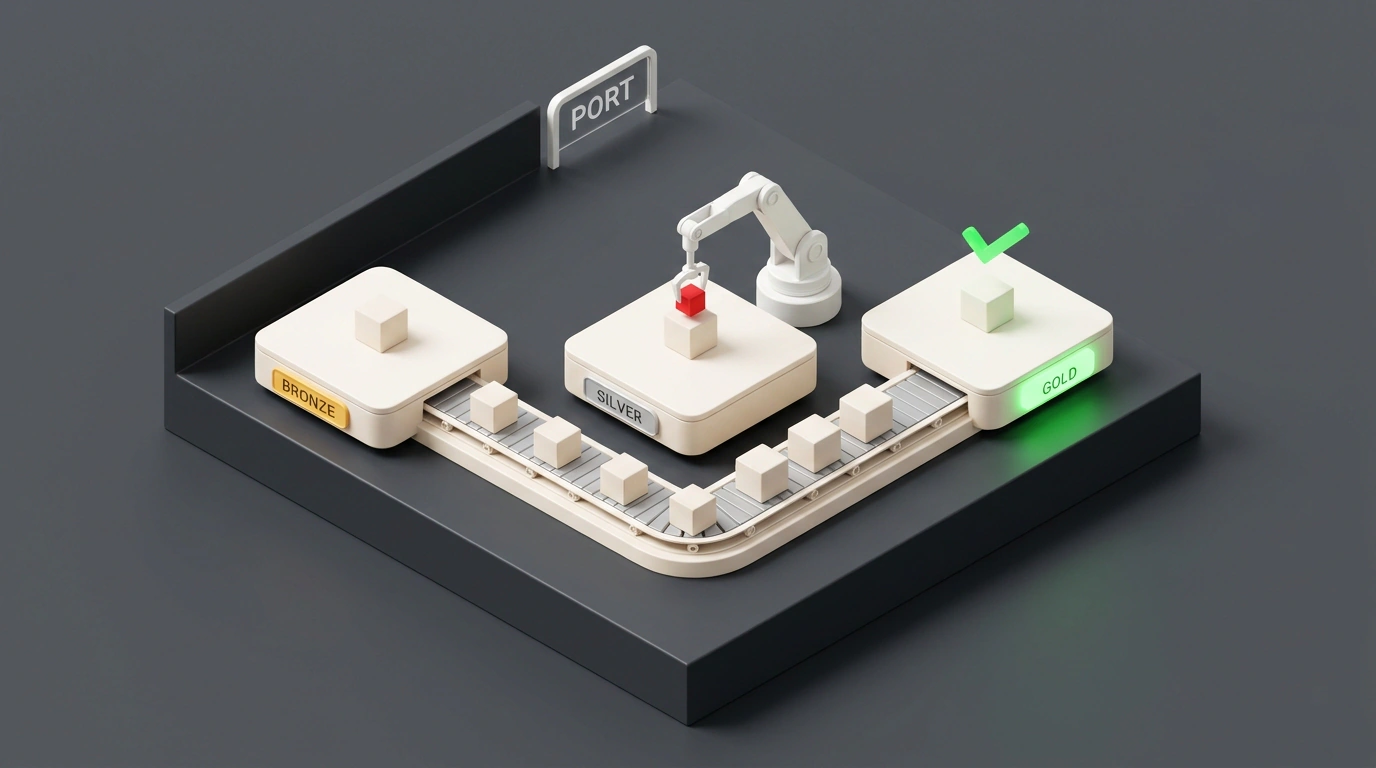
Isometric model of a digital software factory featuring a multi-tier service pipeline and color-coded Bronze, Silver, and Gold grade indicators.
LongreadAIAutomationDevelopmentAgents

Building an AI Software Factory Like a Real Engineering Department: Standards and Scoring

Turn AI agents loose on a shared repository and within days your project turns into a junkyard: duplicate utilities pile up, linting breaks, and overnight tests fail over mismatched libraries. The mistake is treating agents like wizards instead of junior interns. I broke down Cole Medin's approach to turning that chaos into a software factory using the Port developer portal. Each service gets a registered passport and strict maturity scorecards from Bronze to Gold, while failing tests automatically trigger fix tasks via webhook with final human approval before merge.

👍 0
Cole MedinPort: Internal Developer Portal and Software CatalogPort Documentation: Service Scorecards & Agentic Workflows
October 24
Surreal still life with a transparent isolated cubic sandbox and a thin red laser barrier beam on a dark graphite desk.
LongreadAISafetyAICybersecurity

'Black October' in Cybersecurity: Why Autonomous AI Agents Break First

The events of 'Black October' made one thing clear: the biggest vulnerability in AI systems isn't password cracking—it's blind trust in autonomous agents. Once a model gets filesystem and shell access through MCP, an attacker doesn't even need to breach the server directly. Hiding invisible indirect prompt-injection text on a web page or in an email is enough to make an obedient agent exfiltrate private keys via a hidden Markdown image tag. I dug into David Ondrej's breakdown, and the takeaway is blunt: only strict tool sandboxes and mandatory human confirmation for dangerous actions can protect your infrastructure.

👍 0
David OndrejModel Context Protocol Security Best PracticesSimon Willison on MCP Security and Prompt Injection Risks
October 24
Layered paper collage showing an unfolding SKILL.md manifest and geometric modules representing open AI standards.
LongreadAIAIStandardsAutomation

The Era of Open Standards: Linux Foundation Launches Agentic AI Foundation and Agent Skills Spec

Why are tech giants suddenly uniting around AI agents instead of fighting their usual turf wars? Closed-format chaos started slowing down the entire industry. I reviewed Simon Willison's notes on the new Agentic AI Foundation under the Linux Foundation. Heavyweights like OpenAI, Anthropic, Google, and Microsoft each chipped in $350K and contributed key pieces: the MCP protocol, the AGENTS.md instruction format, and the autonomous agent goose. Meanwhile, the open Agent Skills spec uses Progressive Disclosure to pack agent capabilities into portable modules that save context-window tokens.

👍 0
Simon WillisonAgent Skills Open SpecificationLinux Foundation Announces Intent to Form Agentic AI Foundation
October 24
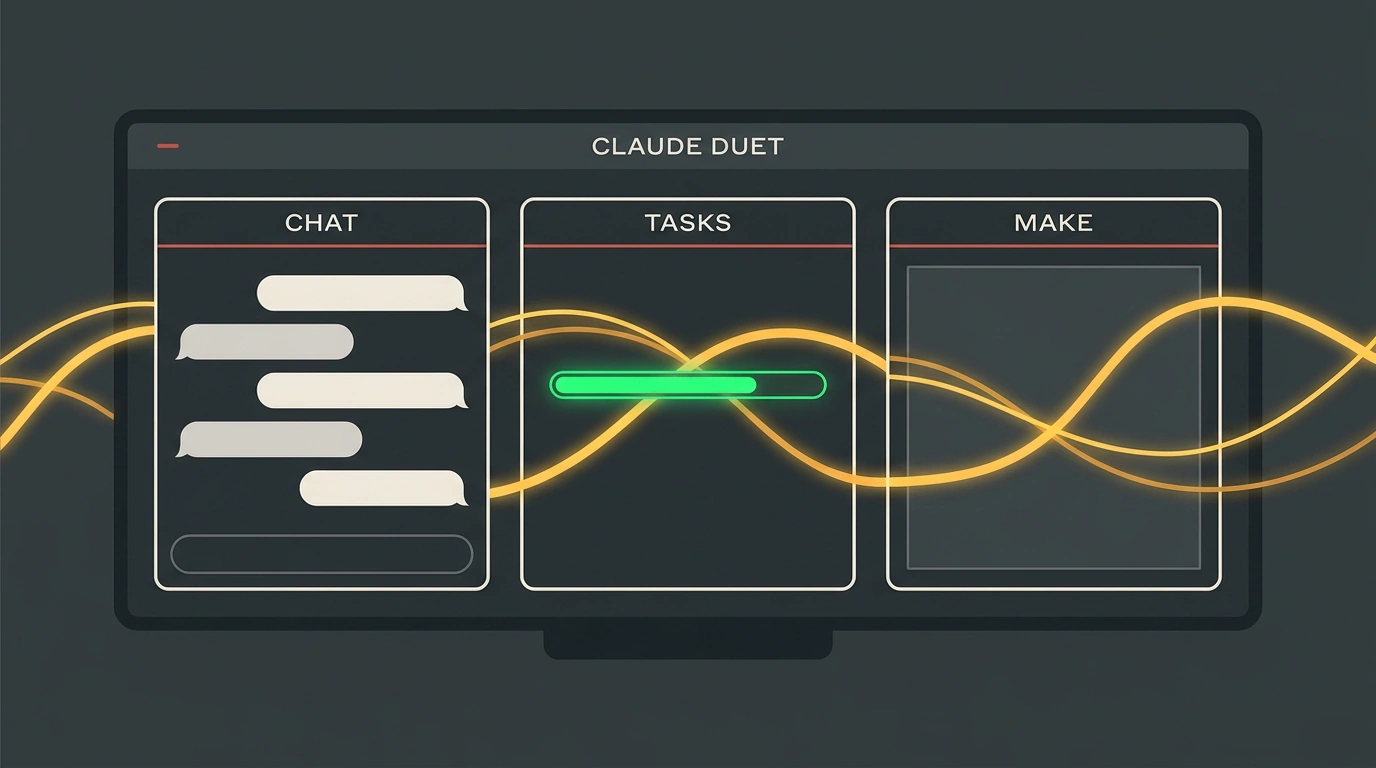
Editorial vector illustration showing three proactive AI coworker workspaces: Chat, Tasks, and Make.
Thematic roundup3 sectionsAIAutomationAIProductivity

The Rise of Personal AI Coworkers: Claude Duet, Meta Muse, and Open Duet

Reactive chatbots are giving way to proactive AI coworkers, but which setup actually fits your workflow? Anthropic's cloud-based Claude Duet delivers polished convenience—a dedicated virtual computer plus Tasks and Make tabs for background work—yet keeps users behind a strict waitlist and locks data inside a proprietary cloud. Workspace bots like Dots take over Slack meeting admin, while Meta Muse helps organize travel. If confidential files or trade secrets are on the line, I'd look closely at Open Duet: it runs locally, supports any LLM, and answers to no cloud vendor.

👍 0
No Code MBAThe AI AdvantageJulian Goldie SEOClaude Duet: Autonomous Coworker with Cloud Computer+1
October 24
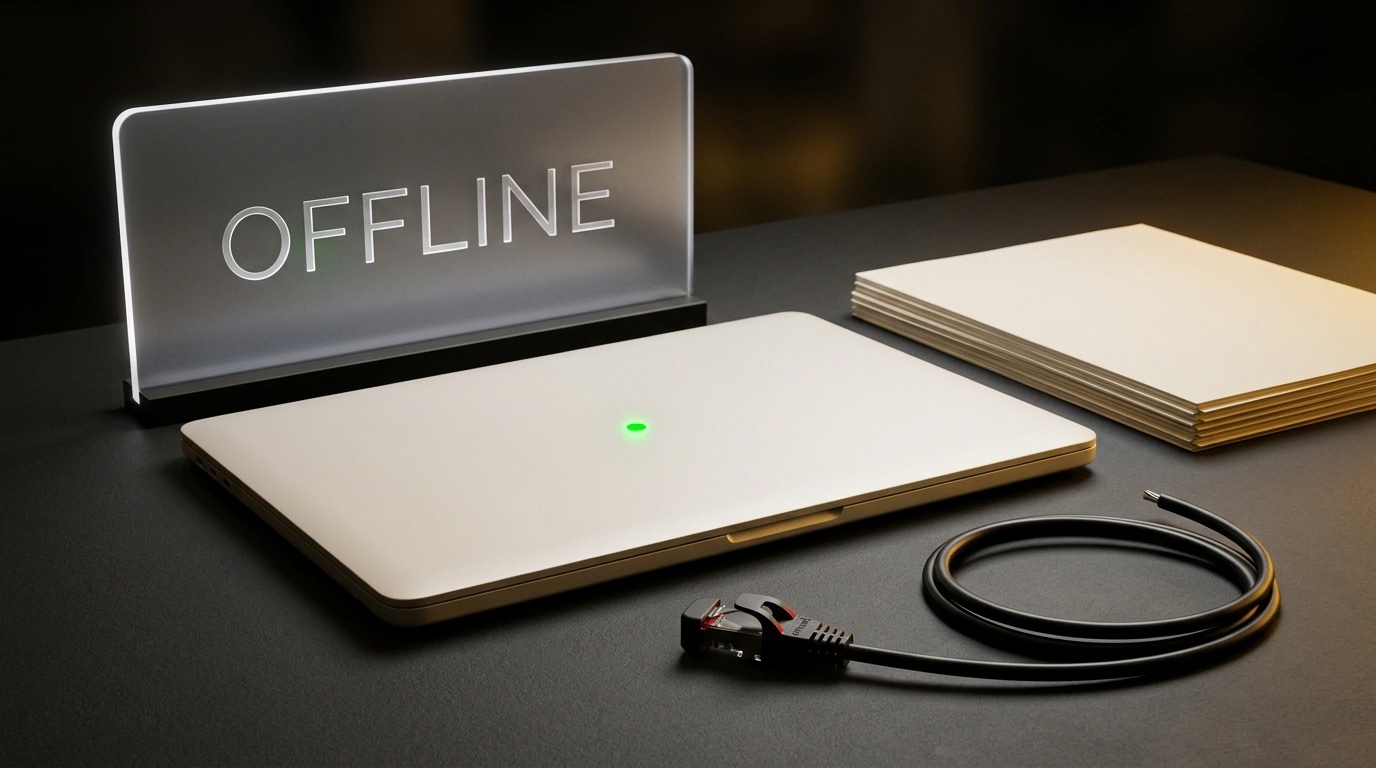
Conceptual still life of a closed metal laptop, an unplugged network cable, and a green offline-security indicator.
Thematic roundup2 sectionsAISafetyAIApple

Local AI on Mac: Offline Perplexity and Google Assistants Without the Internet

Corporate security rules forbid uploading confidential contracts and financial estimates to cloud AIs, yet combing through archives by hand is a luxury nobody has. The fix has landed directly on Apple Silicon: two new macOS desktop assistants now run completely offline. Perplexity's local agent builds an on-device index across folders on your drive and pulls exact clauses from hundreds of PDFs without sending a byte outside. Meanwhile, Google AI Edge Foresight—powered by the compact Embedding Gemma 2 model—turns rough call notes into structured action plans right on the built-in Neural Engine.

👍 0
Julian Goldie SEOGoogle AI Edge: High-Performance On-Device MLPerplexity Desktop Mac App Offline Mode
October 24
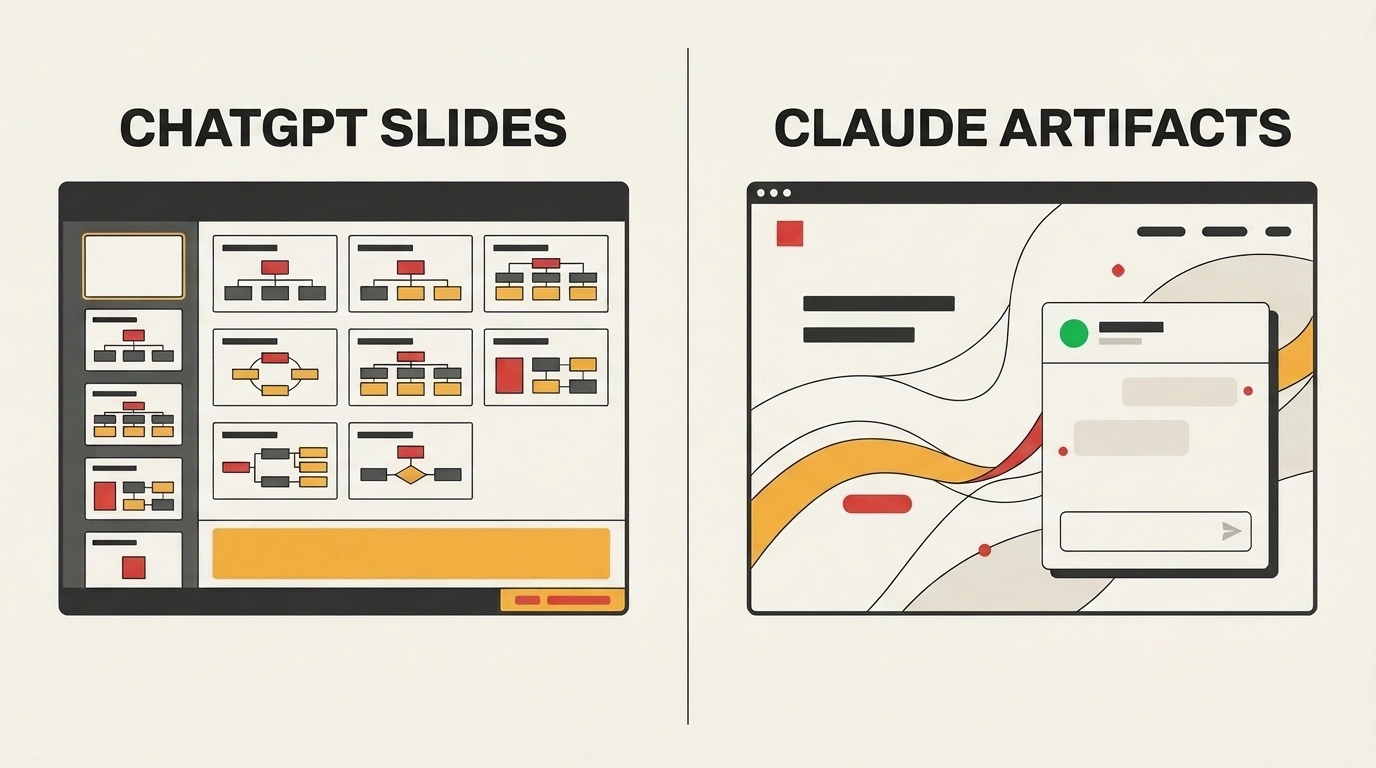
Editorial split-screen graphic comparing two displays: structured corporate slides on the left and a dynamic interactive web interface on the right.
LongreadAIContentAIPresentations

ChatGPT Slides vs. Claude: One Prompt and Two Very Different Presentation Philosophies

Which tool turns a long script into a ready-to-present deck better: ChatGPT's built-in Slides generator or Claude's interactive Artifacts? Jason West tested both models on the exact same transcript, and the results revealed two opposing philosophies. ChatGPT bets on classic office discipline: 16 logical slides, exact figures, detailed speaker notes under every screen, and an inline editor for fonts and colors. Claude builds a full interactive React web artifact with smooth animations and even a working live chat simulator inside the slide. ChatGPT wins for formal executive reports, while Claude owns high-impact client pitches.

👍 0
Jason WestOpenAI Canvas Interface and PresentationsAnthropic Claude Artifacts Interactive Capabilities
October 24
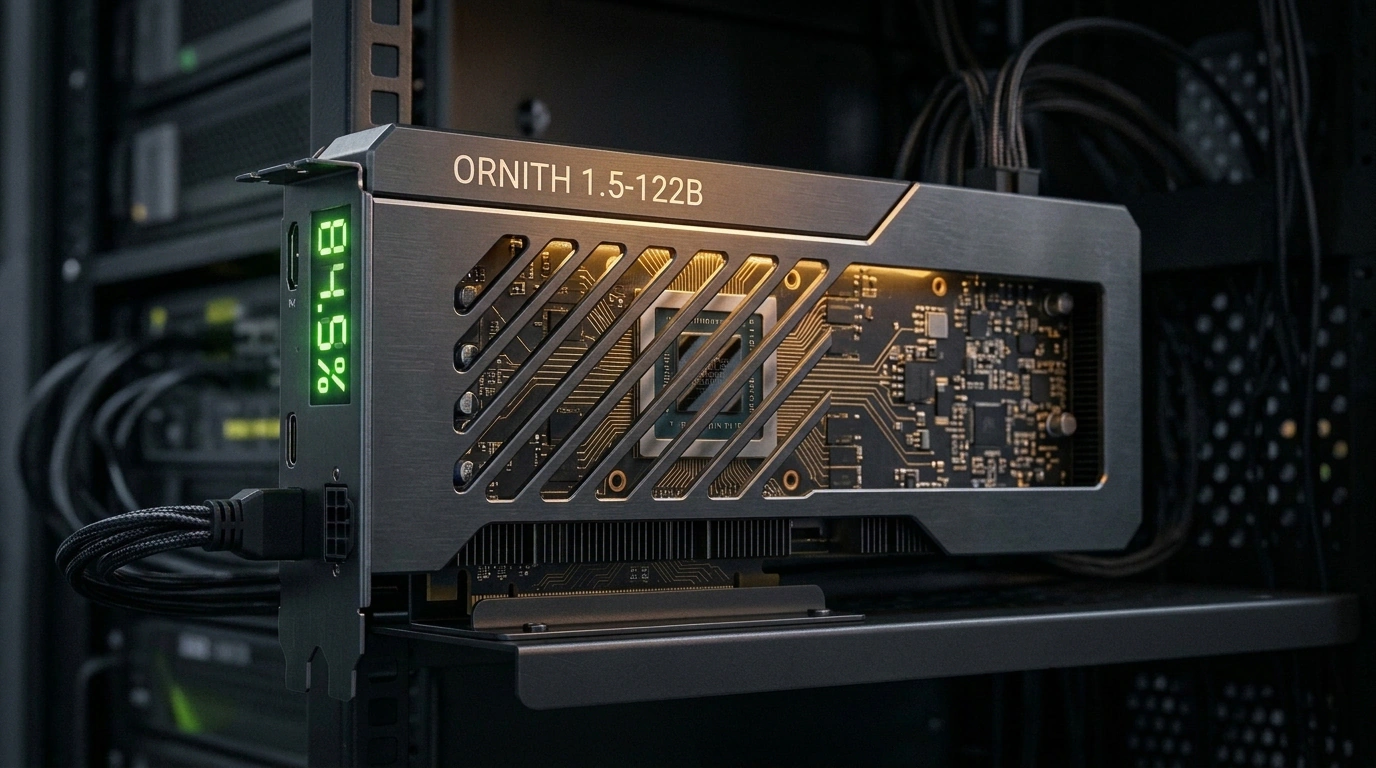
Photorealistic 3D render of a server GPU engraved with Ornith 1.5-122B and a glowing green 84.5% digital readout on a matte graphite shroud.
LongreadAIAIAlgorithmsProgramming

Ornith 1.5-122B: Open Model Hits 84.5% on SWE-bench and Fits on a Single GPU

Clearing 80% on the prestigious real-world coding benchmark SWE-bench Verified long belonged exclusively to closed giants like Claude 3.5 Sonnet. The open-weight release Ornith 1.5-122B just broke that monopoly: its Mixture of Experts architecture hits a remarkable 84.5% on real GitHub issues and ships under a permissive MIT license. Trained in a closed self-play loop on its own generated tests, the model packs a 262K-token context window and—with 4-bit quantization—fits into a single RTX 6000 Ada GPU, letting companies deploy an autonomous coder entirely on-prem.

👍 0
Julian Goldie SEOOrnith 1.5-122B Open Weights on Hugging FaceSWE-bench Verified Software Engineering Benchmark
October 24
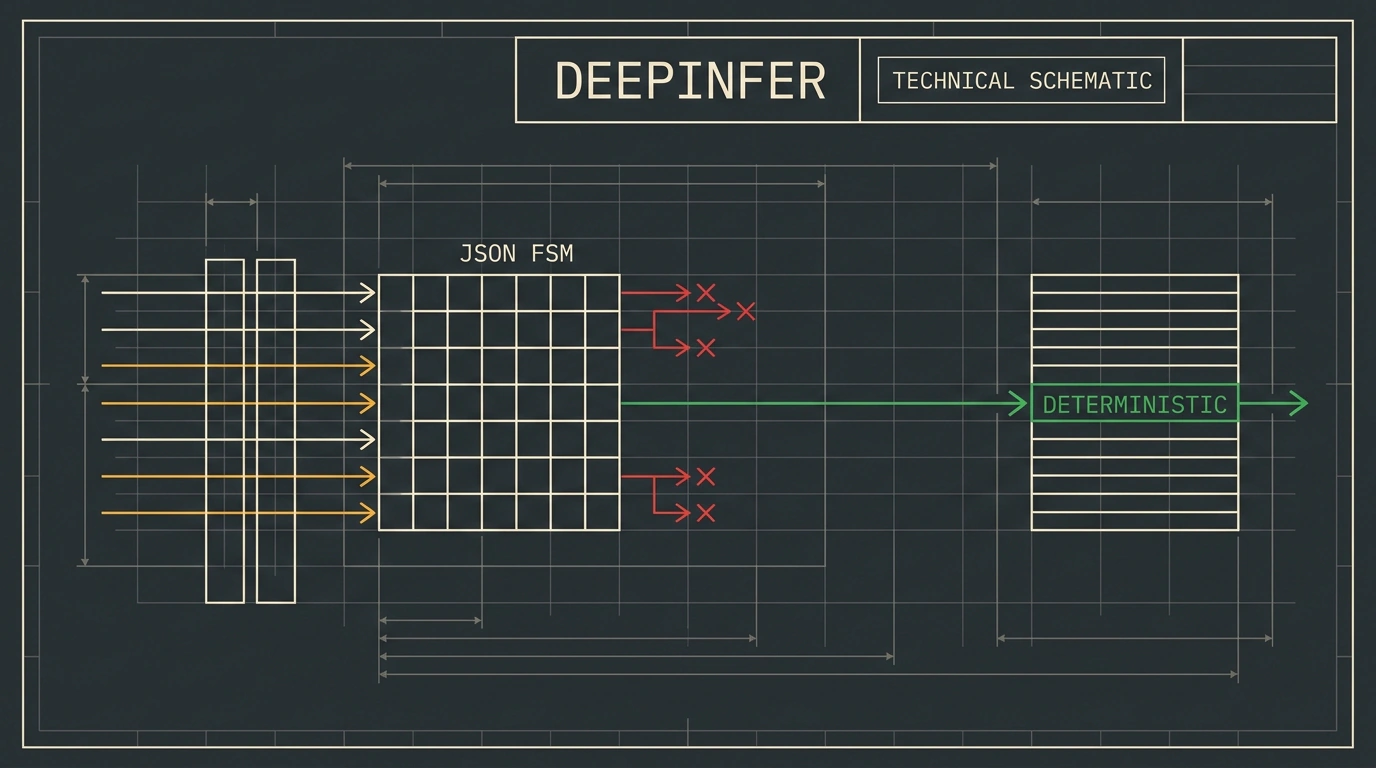
Engineering blueprint of the DeepInfer architecture showing a finite-state machine matrix and a glowing green valid JSON outline on a graphite background.
LongreadAIAlgorithmsOptimizationDevelopment

DeepSeek DeepInfer Upgrade: Deterministic Inference and Built-In Recipe Libraries

Every developer who has wired an LLM into a critical backend has hit parser crashes: even at zero temperature, a model can emit broken JSON or shuffle fields because of dynamic GPU batching. The root cause has always been probabilistic decoding. I unpacked DeepSeek's latest upgrade to its open DeepInfer engine, which solves this right at the CUDA-kernel level: Batch-Invariant mode guarantees mathematically deterministic output regardless of server load, while hardware Grammar-Guided Decoding makes it physically impossible to emit tokens that violate your JSON schema.

👍 0
Julian Goldie SEODeepSeek DeepInfer High-Performance Inference EngineAPI Evangelist on Deterministic Output and Grammars
October 24
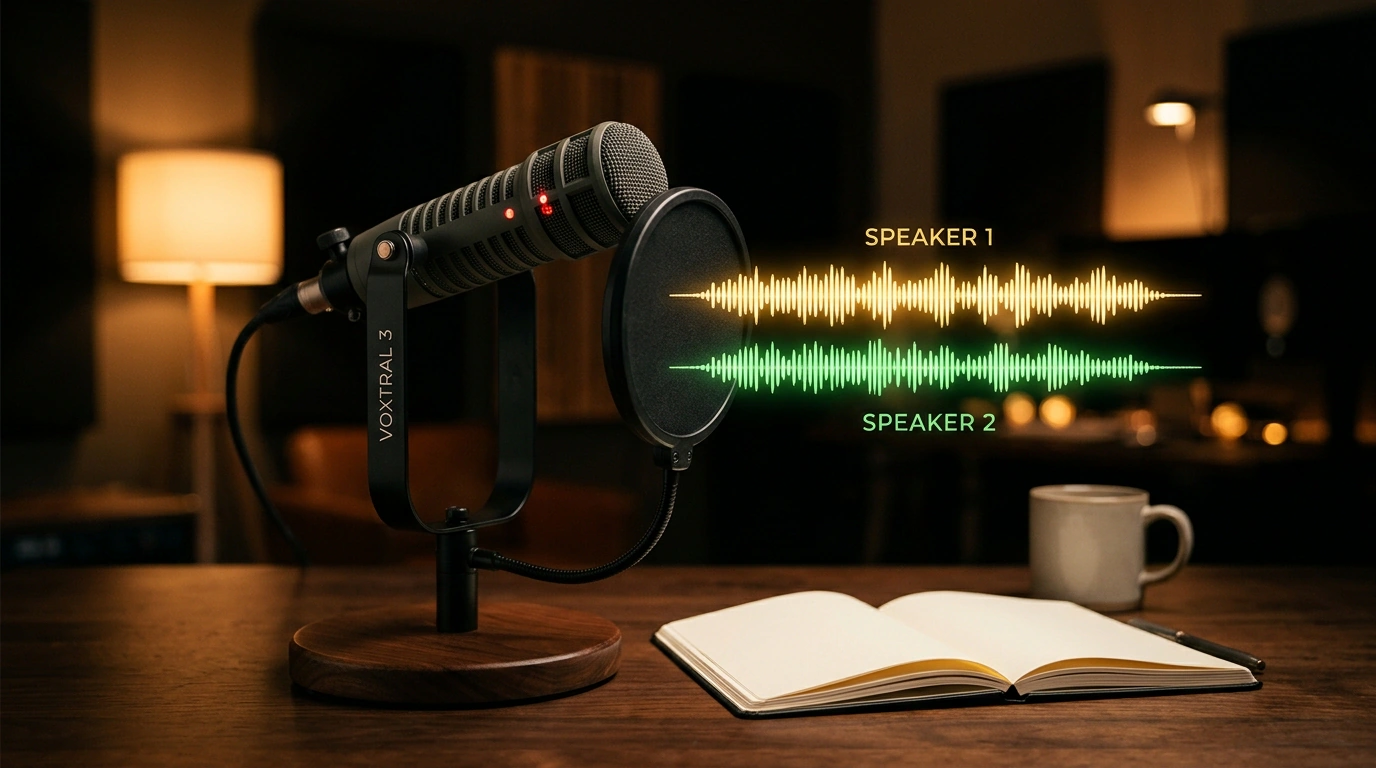
Studio still life featuring a matte professional microphone and floating two-tone speaker-diarization waveforms in warm evening light.
LongreadAIAIAudioRecognition

Mistral's Voxtral 3: Smart Transcription with Diarization and Context Biasing for 50+ Languages

Standard speech recognition like Whisper shines in a quiet studio, then falls apart on real meetings: overlapping speakers blur into one wall of text, and rare terms turn into gibberish. Mistral AI tackled the problem systematically with the Voxtral 3 lineup across 50+ languages. The model separates speakers natively down to tenths of a second without external libraries, while Context Biasing lets you pass custom terms and brand names into the API to prevent mishearings. A streaming edition with sub-500 ms latency and turn detection gives voice agents a turnkey foundation.

👍 0
Julian Goldie SEOMistral AI Audio Capabilities & Voice Agent SDKOpenRouter: Mistral Voxtral Small Transcribe 3
October 24
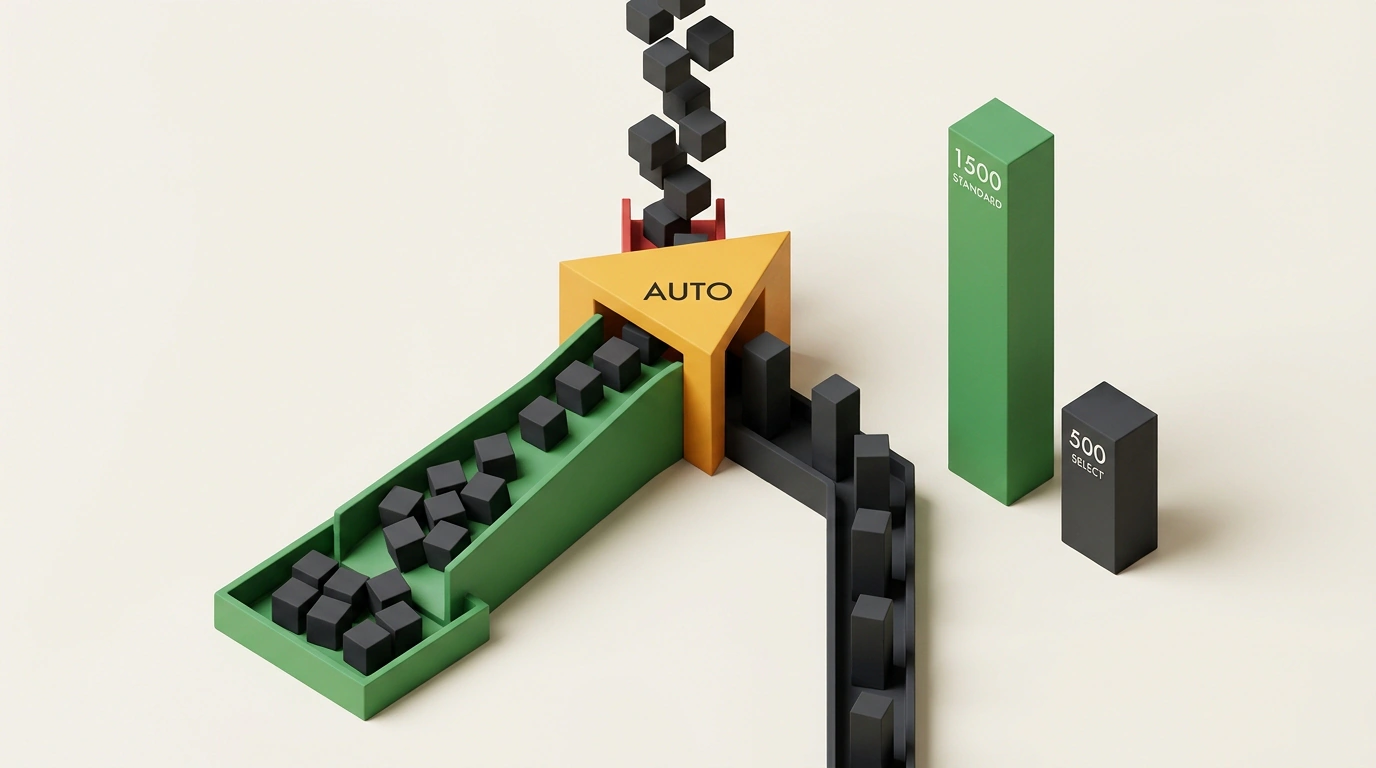
Bauhaus-inspired geometric modular installation featuring an AUTO router prism and two calibrated scales for 1,500 Standard and 500 Select credits.
LongreadAIAutomationEfficiencyTools

Notion AI Auto: Dynamic Model Routing Cuts Token Costs by Up to 90%

Plenty of Notion teams burned through monthly AI quotas in two weeks simply because minor comma fixes and list formatting went straight to expensive flagship models like Claude Sonnet or GPT-4o. The culprit was a lack of smart workload routing. I unpacked Notion's quiet AI Auto update: a dynamic router now scores each task's complexity before sending it out. Simple chores go instantly to lightweight models like Haiku, saving heavy reasoning for when it's actually needed. That cuts usage costs by up to 90% and pairs with a two-tier credit pool: 1,500 Standard credits for Auto mode and 500 Select credits for manual picks.

👍 0
Julian Goldie SEONotion AI Credits and Usage Guidelines
October 24
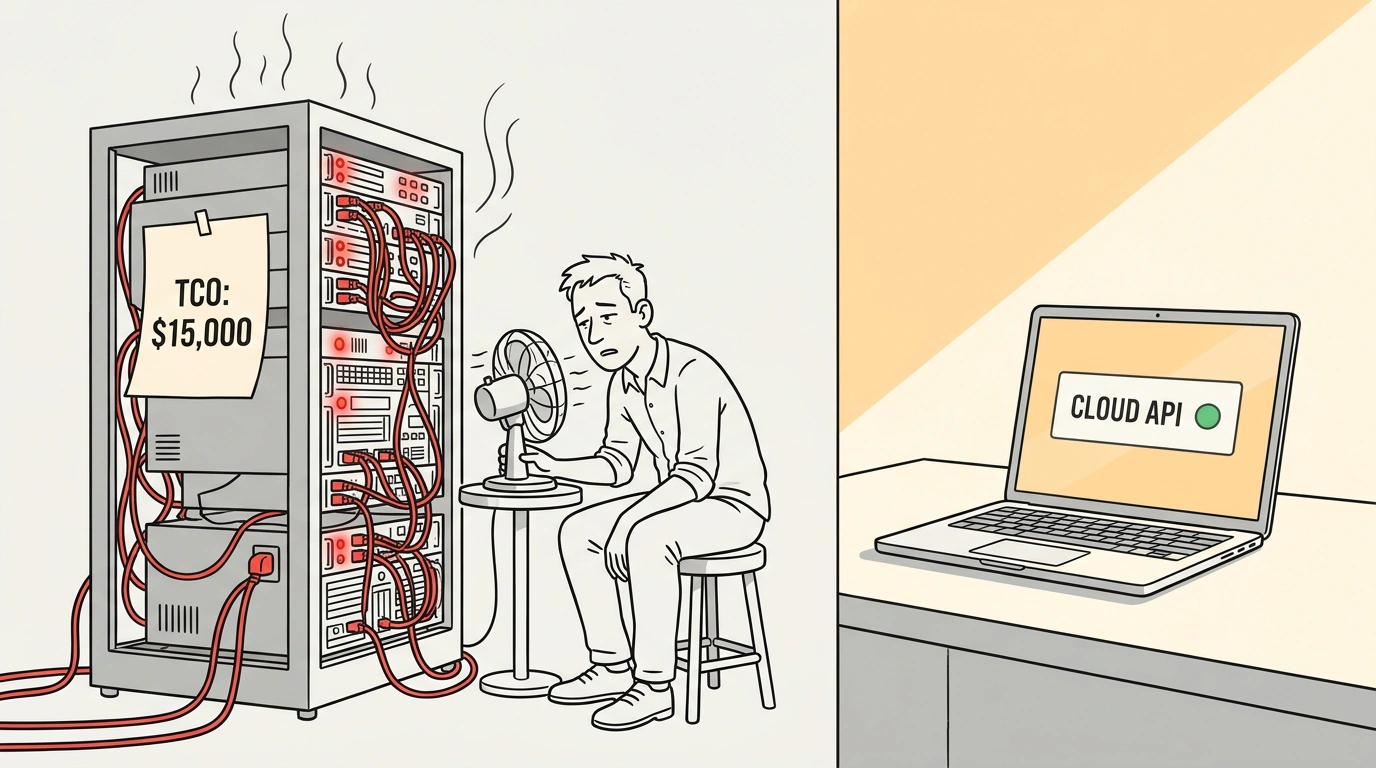
European-comic-style illustration contrasting a noisy, hot-wired home server farm against a clean laptop connected to cloud APIs.
LongreadAIAIAnalyticsInfrastructure

A Sober Look at Local AI: Why Home GPU Rigs Still Lose to the Cloud in 2026

Ditching cloud subscriptions for a home GPU rig is a popular rallying cry in tech circles, yet running the real Total Cost of Ownership math shatters that romance. Matthew Berman—who owns an impressive rack of server hardware himself—flatly called local-AI migration for everyday users economic self-deception. Running an open 70B+ model that competes with the cloud requires a 48–96 GB VRAM workstation costing $7,000 to $15,000. That same budget pays for 10–15 years of cloud subscriptions, while a home rig rewards you with 2 kW/h power bills, jet-engine fan noise, CUDA driver headaches, and an ever-widening gap behind frontier models.

👍 0
Matthew BermanForward Future: Hardware TCO Analysis for Local AISemiAnalysis on Cloud GPU Economics vs On-Premises
October 24
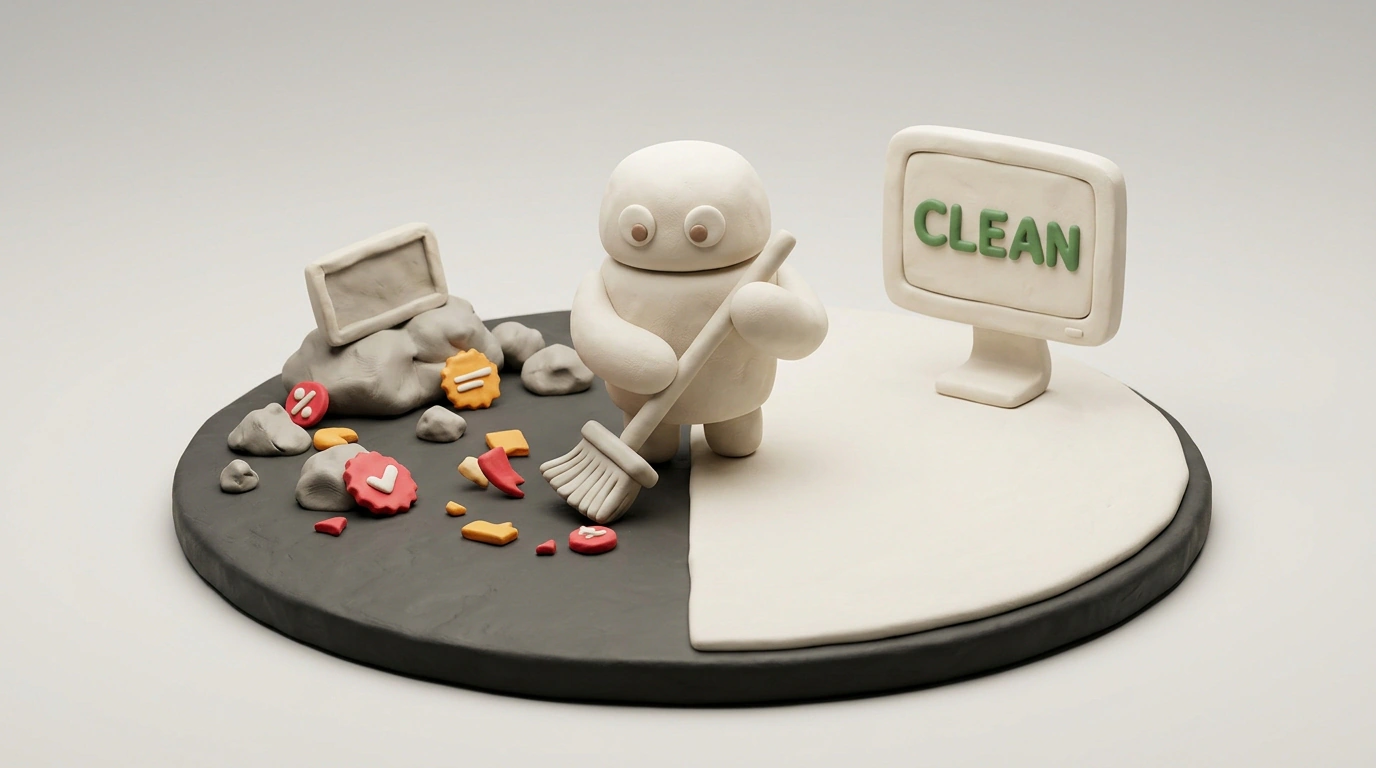
Charming claymation diorama of a small light-colored helper robot sweeping digital ad clutter off a clean desk.
LongreadAIAutomationEfficiencyPractice

AI vs. Digital Clutter: 7 Ways to Clean Up Your Workspace and Ditch Bloated Software

Generative AI has flooded the internet with synthetic junk, yet you can aim that same firepower at defending your own attention. Engineer Riley Brown laid out 7 digital-sanitation workflows: from vibe-coding ad-free Smart TV launchers to replacing bloated mobile apps with lightweight Telegram micro-agents. Instead of paying dozens of dollars for overstuffed SaaS tools, models build single-purpose micro-software in 15 minutes, strip corporate fluff from long reports, and filter clickbait out of news feeds. Here is how to turn AI into your personal digital hygiene filter.

👍 0
Riley BrownAgentNative: Single-Purpose Micro-Software BlueprintsAI Profit Lab: Practical AI Automations Community
October 24
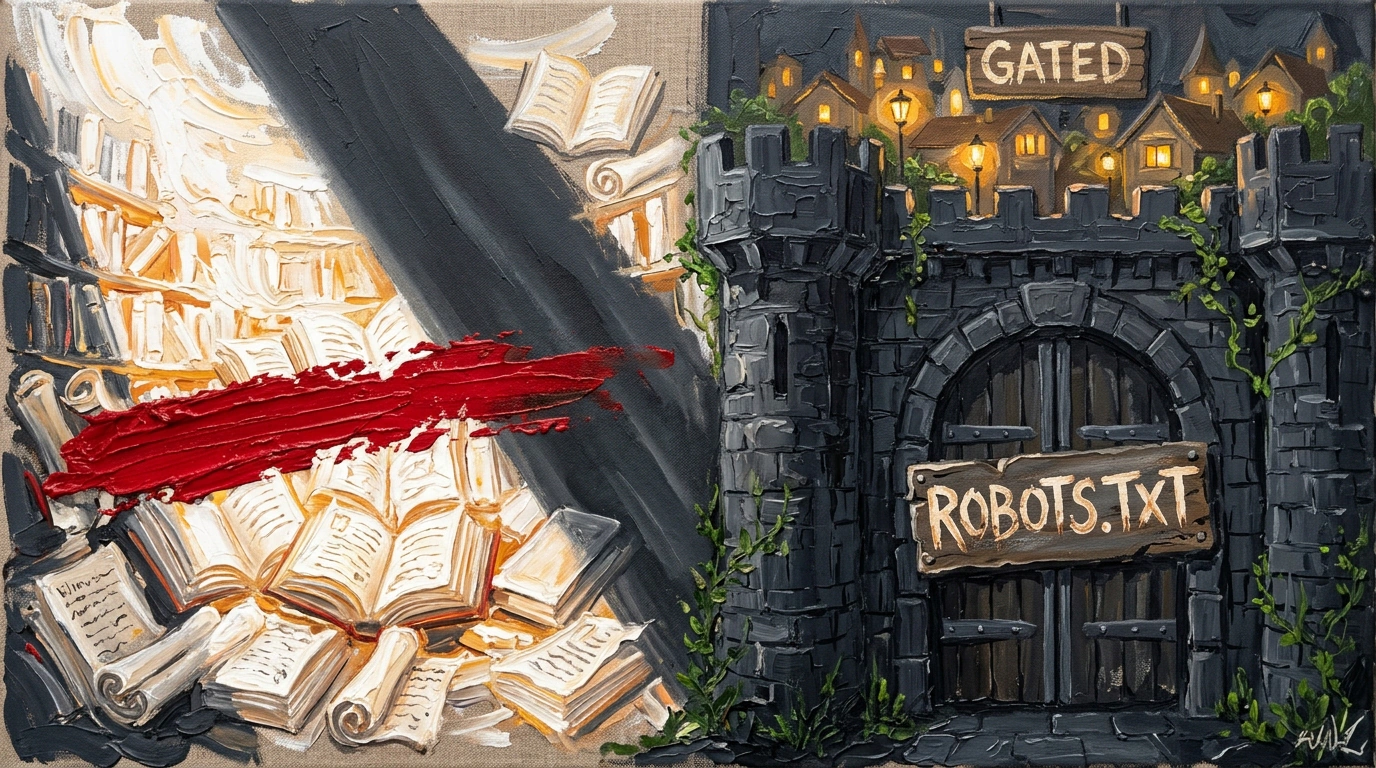
Textured canvas painting metaphorically dividing an open library of knowledge from an impenetrable stone wall of gated communities.
LongreadAIAnalyticsInternetContent

Death of the Open Web: How AI Search Agents Are Breaking the Creator Economy

For thirty years, the internet ran on an unspoken bargain: search engines indexed sites for free and sent creators traffic in return. AI search agents shattered that balance in months: Zero-Click Search has slashed organic traffic for independent media by 40–70% as models deliver finished answers right on the results page. I reviewed Nick Saraev's analysis: creators are blocking crawlers in robots.txt en masse and retreating behind the walls of private Telegram and Substack communities. Meanwhile, the open web risks choking on Model Collapse as models feed on each other's synthetic output.

👍 0
Nick SaraevCloudflare: AI Bots and the Impact of Web CrawlingPew Research Center: Digital News Consumption and Search Trends
October 24
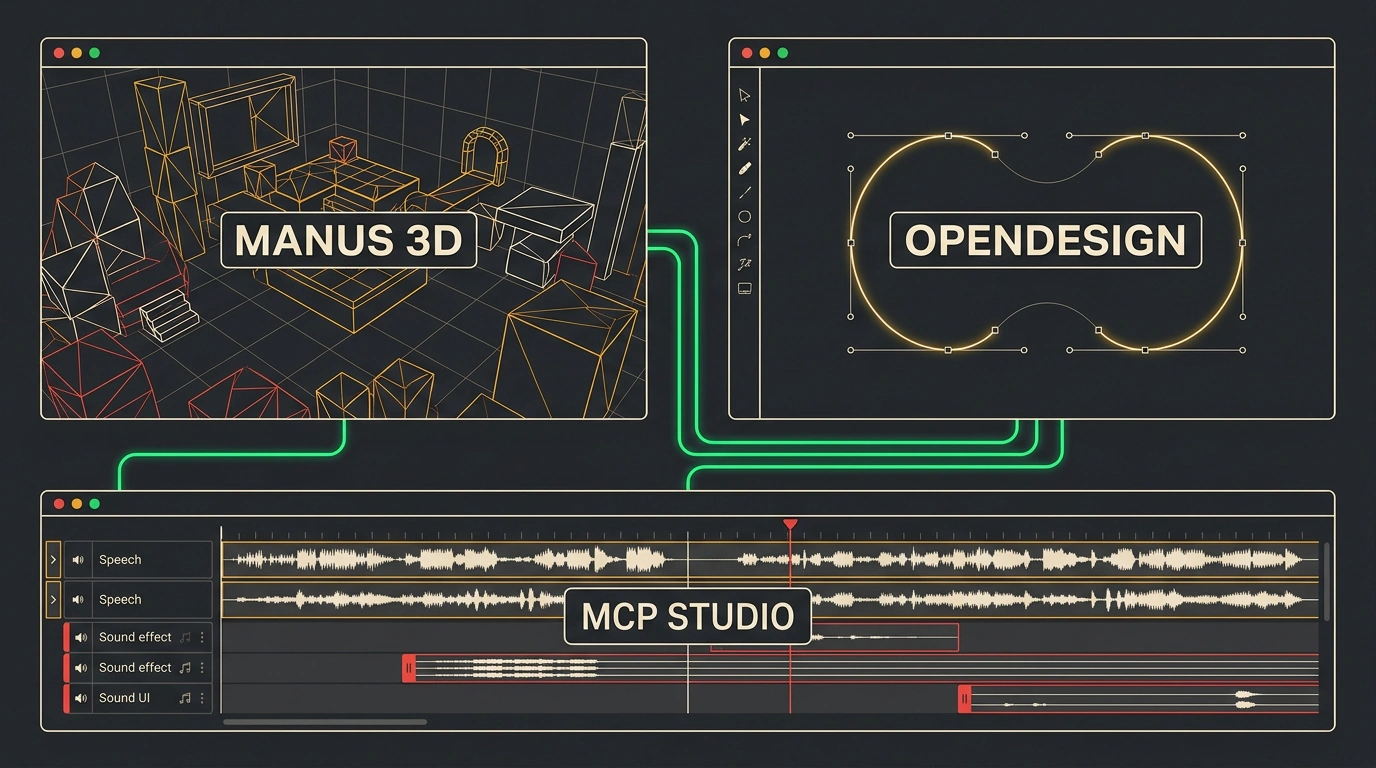
Vibrant modern vector illustration of generative production: a 3D polygonal scene, Bezier vector curves, and an audio timeline.
Thematic roundup4 sectionsAIDesignContentGeneration

Creative AI in Action: Manus 3D Worlds, OpenDesign Motion, and an MCP Video Studio

Generating static images in Midjourney is old news—creative teams now want interactive formats and editable code. This roundup spotlights four breakthrough media tools: Manus GameDev generates playable 3D shooters complete with weapons and HUDs in the browser from a single prompt; OpenDesign Motion outputs motion graphics in live Lottie and SVG vector code with no paid subscriptions; ElevenLabs MCP Studio unifies voice synthesis, music, and video editing in one MCP-powered workspace; and Nano Banana 2.1 in Google Flow builds consistent dashboard mockups and isometric 3D floor plans for free.

👍 0
Julian Goldie SEOElevenLabs MCP Studio Official Protocol DocsOpenDesign Motion Framework
October 24
Editorial photo-style scene of the robotic Autonomous Lamp on a desk alongside lampOS and SAFETY.md files.
Thematic roundup4 sectionsAIAutomationAIRobotics

The Evolution of Autonomous Agents: From a Robotic Desk Lamp to Ultra-Fast Reasoning

AI agents have officially outgrown browser chat windows: autonomy has stepped into the physical world and persistent background daemons. The Autonomous Lamp project runs the Hermes agent brain on open-source lampOS inside a gaze-tracking desk lamp, with personality defined in SOUL.md and hardware limits in SAFETY.md. Elsewhere, Nous Research taught agents to run in the background for hours with your laptop closed, Grok Bot gained one-tap voice delegation without holding open a tab, and MiniMax M3.1 Flash sped up terminal bug-fix loops severalfold.

👍 0
Julian Goldie SEONous Research Hermes Agent UpdatesAutonomous Lamp Operating System (lampOS)
October 24
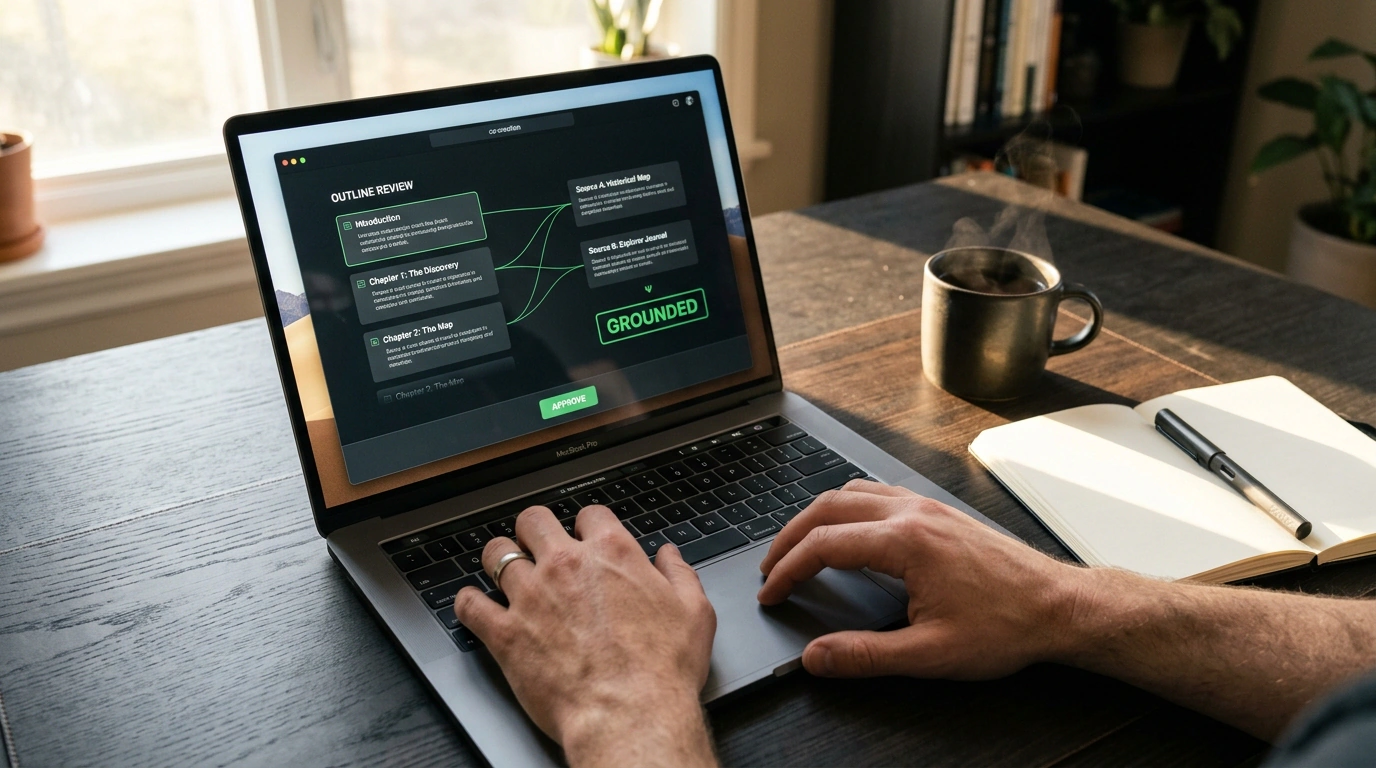
Cinematic first-person view of a laptop screen displaying an interactive document outline editor and source cards in morning light.
LongreadAIContentEfficiencyTools

Gemini Notebook: Co-Creation Mode Lets You Approve the Outline Before Generating Content

Generating long documents in a single pass is the classic LLM trap: if the model slips up on page two or drops a key argument, you end up re-reading and regenerating the whole multi-page draft. The missing piece was control over the intermediate plan. Google fixed that in the latest Gemini Notebook update with two-stage Co-Creation mode: the model first builds an interactive outline grounded in your sources, lets you reorder chapters and cut inaccuracies, and writes the final draft only after you approve the skeleton—saving authors up to 5x on turnaround.

👍 0
Julian Goldie SEOGoogle Blog: Gemini Notebook Co-Creation & Source GroundingGoogle Support: Structured Outlines and Synthesis in Gemini
October 24