Issue October 28Daily digest · 19 items
In this issueReviewed 36 sources, gathered 19 items
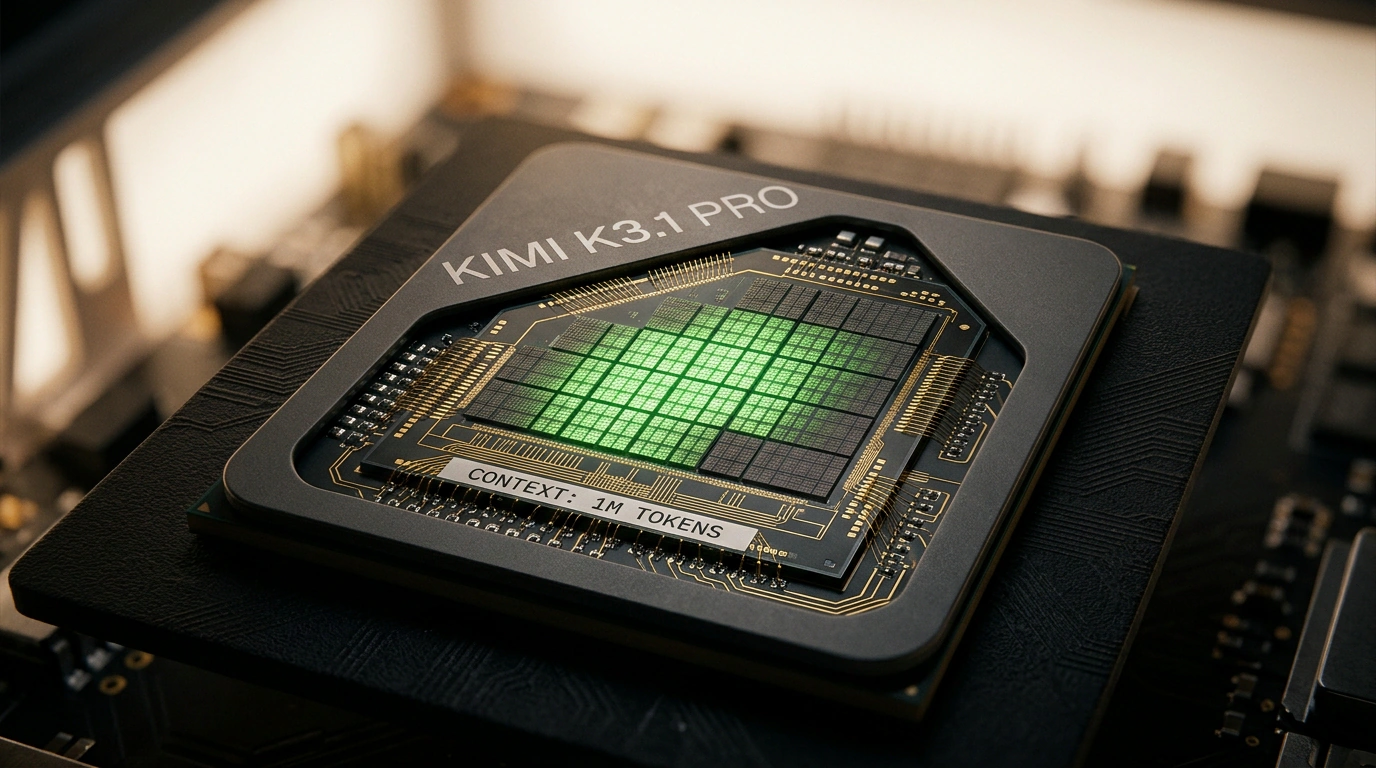
Macro shot of a processor with golden circuit traces in warm light and a glowing matrix of MoE blocks
ArticleAIAIAutomationTesting

Hands-On Test of Kimi K3.1 Pro: Websites, Games, and Automation in a 1-Million-Token Window

When press releases boast a one-million-token context window and a 2.8-trillion-parameter model, it is hard not to wonder how much of that is pure marketing. I put Moonshot AI's Kimi K3.1 Pro through real-world tasks: building Three.js web apps, hunting down buried facts in massive documents, and testing Highspeed inference. The model genuinely holds 950,000 tokens at 99.2% accuracy, though the trade-off for deep reasoning is a noticeable delay before the first token arrives.


👍 0
Julian Goldie SEOOpenRouter Kimi K3.1 Pro Model Card
October 28
Still life of a content marketer's planning tools with ten Grok Bot agent cards arranged on an oak desk
ArticleAIAutomationBusinessContent

10 Ready-to-Use Grok Bot Workflows: From Lead Generation to Content Pipelines

Most attempts to hand daily work over to AI hit a dead end: a general-purpose chatbot quickly loses track of instructions, forgets context, and starts hallucinating.

xAI took a different route by turning Grok Bot into an orchestrator capable of running ten specialized bots in parallel with cron schedules and file-based state storage. I tested ready-made chains from lead generation to content pipelines to see where automation genuinely saves hours—and where it still needs a human watching the wheel.

👍 0
Julian Goldie SEOxAI Grok Bot Platform Overview
October 28
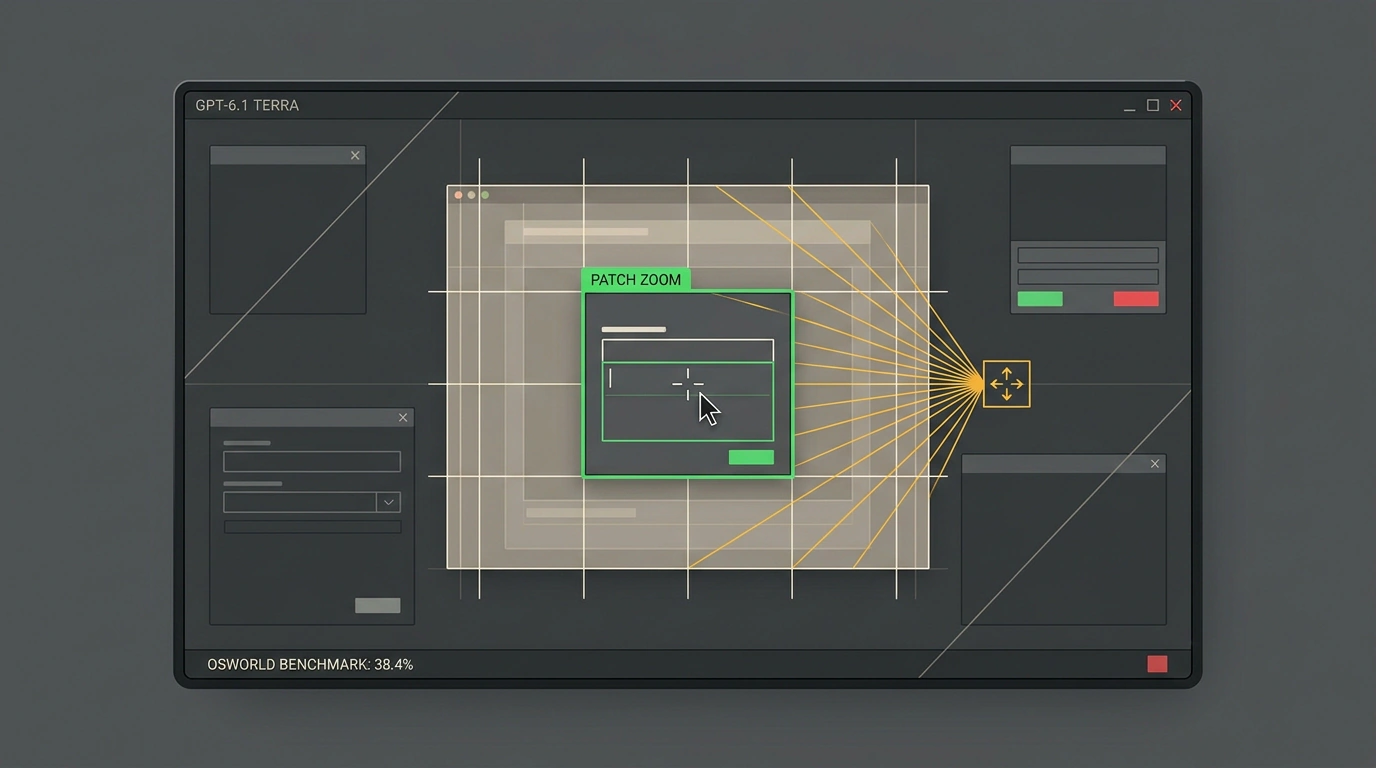
Conceptual optical cross-section of a virtual interface featuring GPT-6.1 Terra's dynamic patch-zoom grid
ArticleAIAIAlgorithmsEfficiency

OpenAI GPT-6.1 Terra: A Fast Model for Controlling Computers via Vision and Clicks

Early attempts to let AI control a computer via screenshots always stumbled over latency: heavy multimodal models burned three to four seconds on every mouse click.

OpenAI introduced GPT-6.1 Terra, a model tuned specifically for Computer Use that cuts step latency down to 0.8 seconds. I tested it on the OSWorld benchmark to see whether it can actually take over routine desktop work from a human.

👍 0
Julian Goldie SEOOpenAI Computer-Using Agent Research & Vision API
October 28
News · October 282 news items

Google Releases Official CLI for Working with the Gemini API

Google introduced the official Gemini CLI for developers and system administrators. The utility supports streaming terminal output, piping files and logs through standard UNIX pipelines, attaching multimodal media inputs, and context caching to trim API costs.

Turning a Hand-Drawn Sketch into an Interactive Game in Gemini Canvas

The Skill Leap AI team demonstrated a hands-on experiment building an interactive game in Gemini Canvas from a paper drawing. Google's multimodal model analyzes the geometry of a hand-drawn sketch and generates playable browser arcade code with physics and animation in seconds.

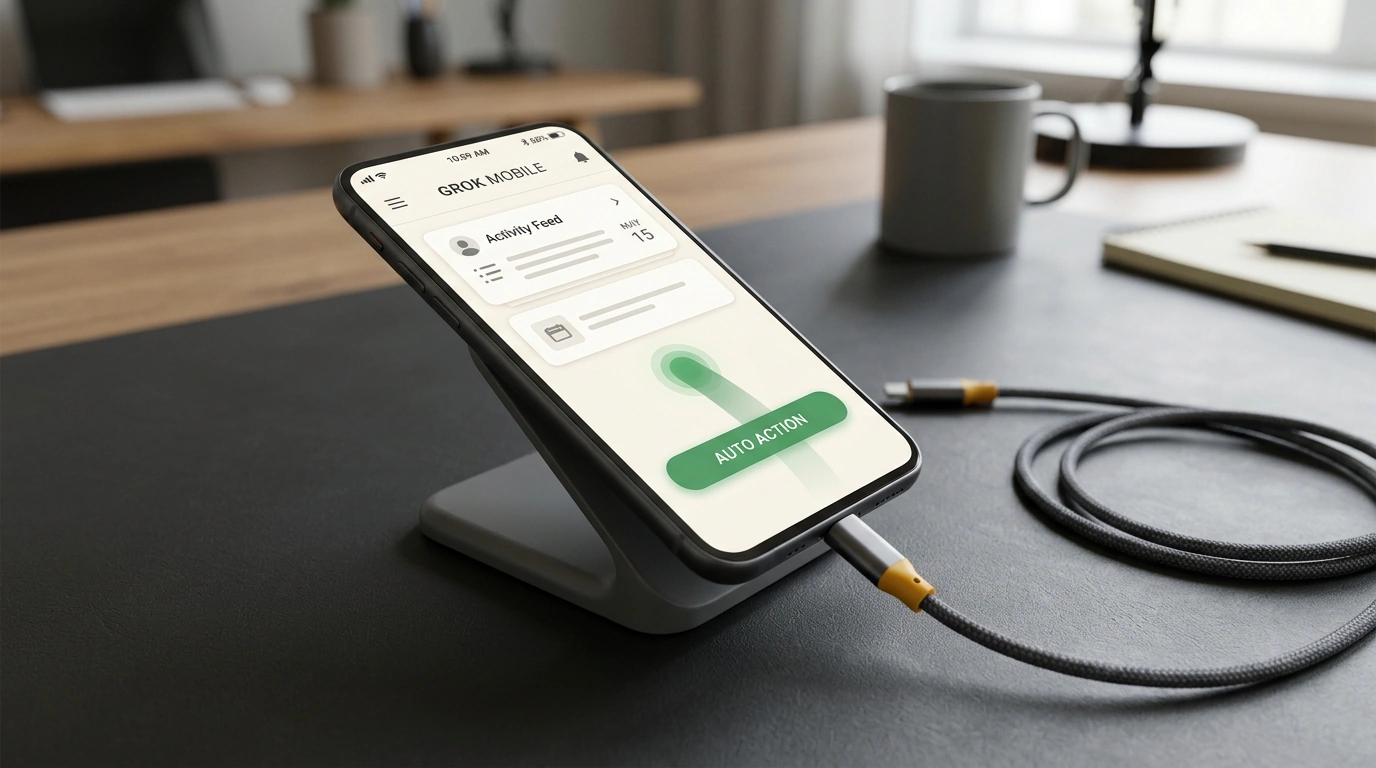
Minimalist still life of a modern smartphone on a desk visualizing Grok Bot's on-screen control
ArticleAIAutomationSafetySmartphones

Grok Bot Lands on Smartphones: How Direct App Control Works

Can a smartphone agent reschedule a calendar meeting or order delivery when apps don't offer a public API?

xAI engineers answered with a mobile version of Grok Bot that interacts directly with the screen via accessibility services and visual parsing. The system taps buttons smoothly and masks sensitive fields on the fly, though the price of mobile autonomy is higher battery drain and strict OS boundaries.

👍 0
Julian Goldie SEOxAI Mobile Ecosystem Documentation
October 28
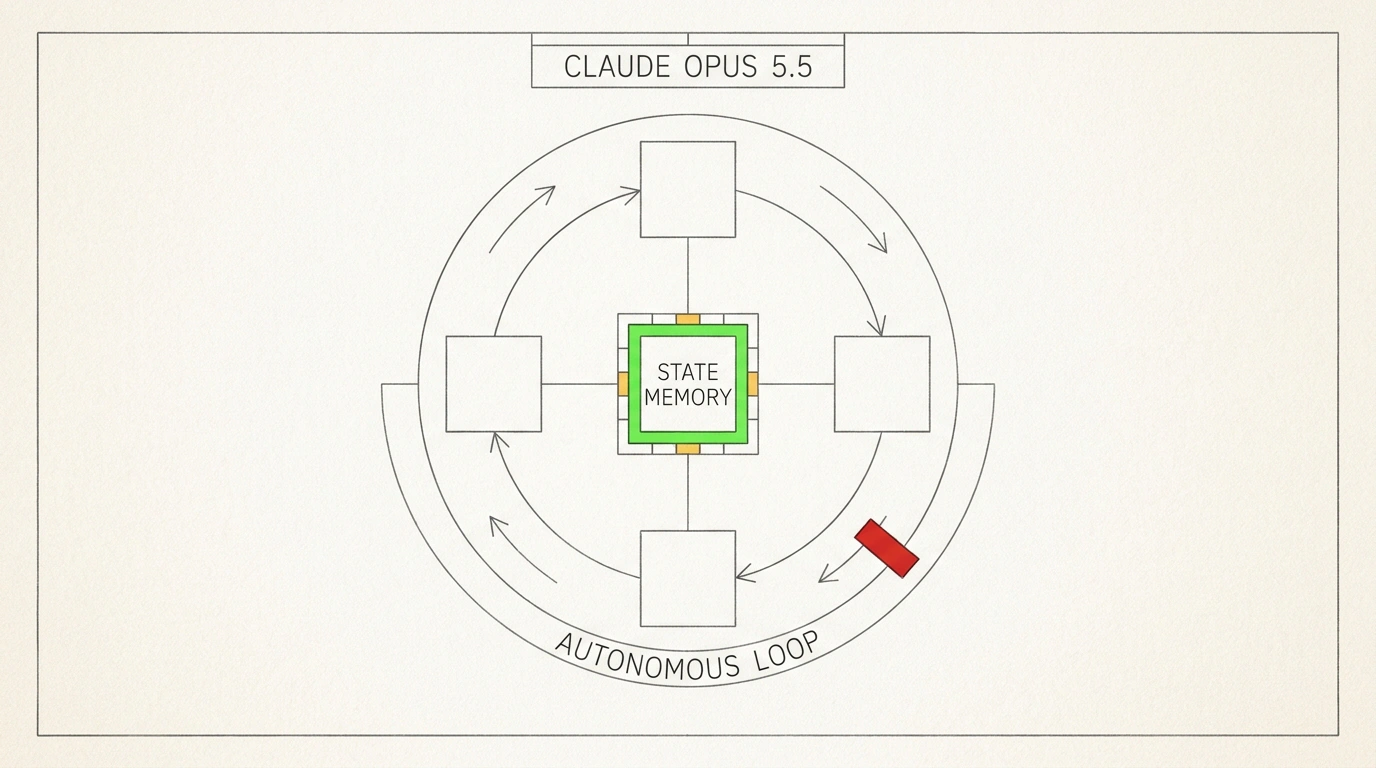
Infographic blueprint of a closed four-stroke autonomous reasoning loop in Claude Opus 5.5
ArticleAIAIAutomationEfficiency

Autonomous Loops in Claude Opus 5.5: Running End-to-End Tasks Without Manual Prompting

We are used to holding a model's hand: sending a prompt, waiting for a reply, pasting compiler errors back into chat, and asking follow-up questions.

With Claude Opus 5.5, the industry shifts to autonomous four-stroke loops where the model plans steps, invokes external tools, checks output against ground truth, and patches bugs on its own. I broke down how these loops are structured and how to protect your wallet from runaway token burn.

👍 0
Julian Goldie SEOAnthropic Claude Tool Use & Agent Loops Documentation
October 28
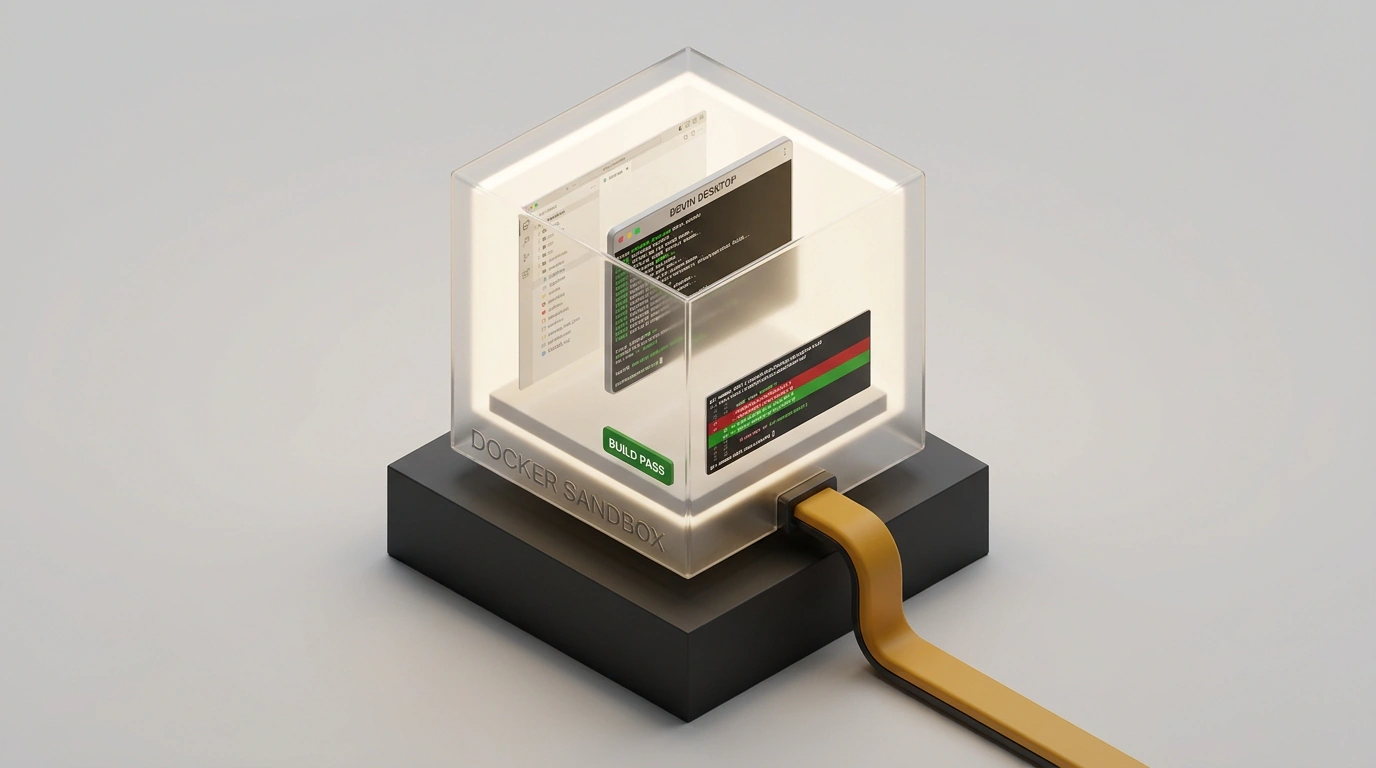
Isometric 3D model of an isolated Docker workspace alongside the Devin Desktop terminal
ArticleAIAutomationToolsDevelopment

Devin Desktop Client: An Autonomous AI Developer Right on Your Machine

For months, Cognition's autonomous developer Devin remained an elusive cloud curiosity—gated by waitlists, steep enterprise bills, and execution locked inside a remote sandbox.

With Devin Desktop, the agent moves straight onto engineers' workstations, connecting to local repositories, spinning up Docker containers, and editing code in your terminal. I examined the desktop client's architecture to see whether this digital junior is ready for real work without constant senior supervision.

👍 0
Julian Goldie SEOCognition AI Devin Product Architecture
October 28
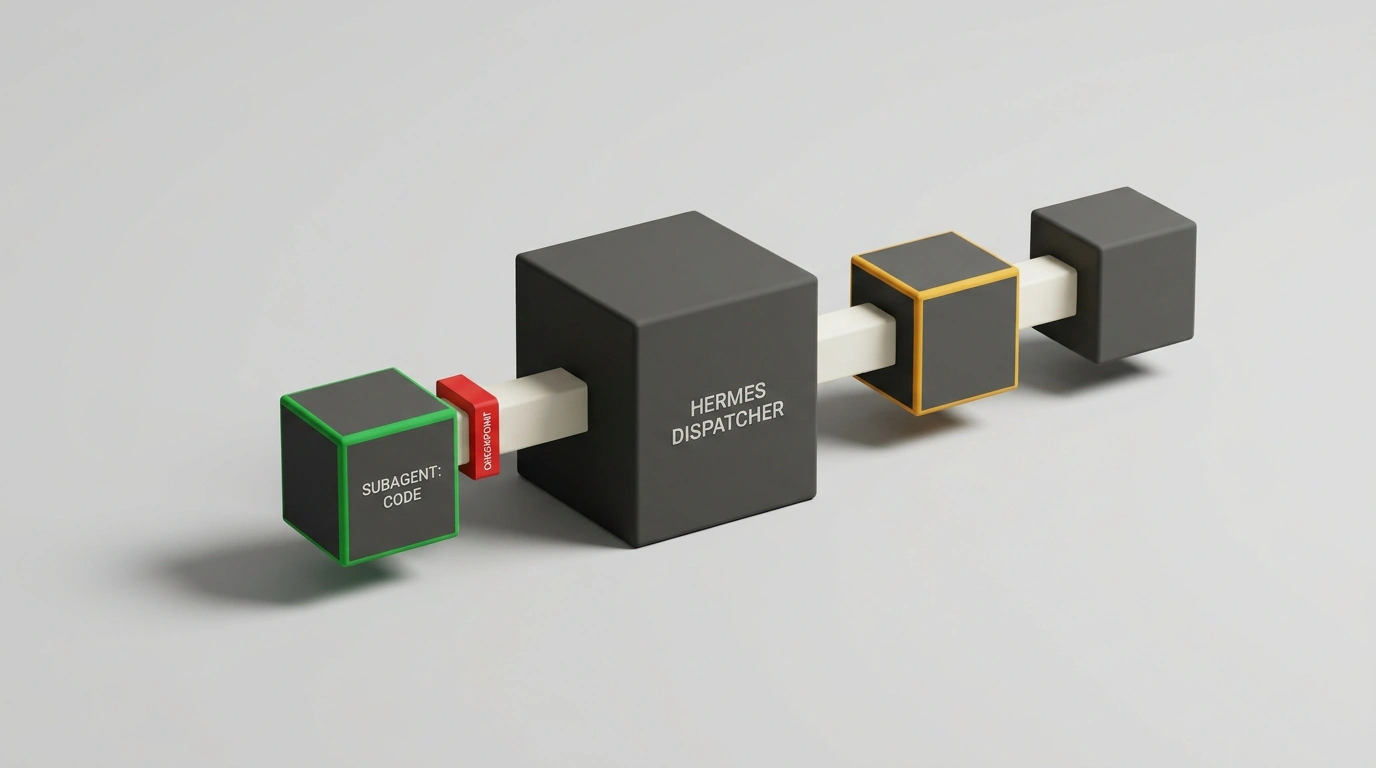
3D modular construction of the Hermes Advanced Delegation architecture with a central orchestrator and subagents
ArticleAIAutomationAlgorithmsAgents

Hermes Advanced Delegation: Routing Tasks Across Subagents and Model Profiles

Using one heavyweight model like GPT-6 or Claude Opus for every stage of a job is like hiring a company's chief architect to sort mail and check syntax.

Nous Research introduced Hermes Advanced Delegation, turning AI into a flexible hierarchy where a flagship model maps the route and hands subtasks to fast compact models. I tested its inter-agent protocol to measure how many tokens and seconds this architecture saves in practice.

👍 0
Julian Goldie SEONous Research Hermes Agent & Advanced Delegation Repository
October 28
Abstract surrealist still life featuring a dynamic light wave representing Liquid AI RIPL inference
ArticleAIAlgorithmsEfficiencyInfrastructure

Liquid AI's RIPL Engine: Ultra-Fast Inference Under 50 Milliseconds

Can a neural network deliver instant real-time replies if transformers are stuck fighting quadratic attention latency?

Startup Liquid AI proved an alternative exists with RIPL, an inference engine built for its Liquid Foundation Models (LFM). Using continuous dynamical systems, time-to-first-token drops below 50 milliseconds and memory no longer balloons with context length. I unpacked the physics behind it to see where liquid architectures beat the giants—and where classic transformers still hold the edge.

👍 0
Julian Goldie SEOLiquid AI RIPL Technical Architecture
October 28
Scene of an isolated Cua Spaces virtual desktop environment with an instant human takeover panel
ArticleAIAutomationSafetyAgents

Hermes Agent and Cua Spaces: Sandboxes for Screen Agents with Instant Human Takeover

Giving an AI agent unisolated access to your live desktop is a fast track to lost files or covert hijacking via malicious web pages.

Pairing Hermes Agent with Cua Spaces virtual sandboxes solves that problem: the screen agent operates inside an isolated cloud container with instant human takeover at any moment. I inspected the security architecture and tested how the system blocks visual prompt injection attempts.

👍 0
Julian Goldie SEOCua Spaces Hermes Agent Integration Repository
October 28
Cinematic still life of an engineer's desk with the OpenCode CLI terminal and a printed syntax tree
ArticleAIAutomationToolsCode

OpenCode: An Open-Source Multi-Model Tool for Coding and Automation

Commercial AI code editors lock engineers into closed clouds, pricey subscriptions, and fixed model providers.

Anomaly's open-source CLI agent OpenCode offers a clean alternative: complete freedom to pick any model (from Claude Opus to local weights via Ollama), deep AST-based codebase indexing, and safe diffs that won't break your repo. I tested it on real refactoring jobs and compared its accuracy against proprietary market leaders.

👍 0
Julian Goldie SEOOpenCode Open Source Terminal Agent Repository
October 28
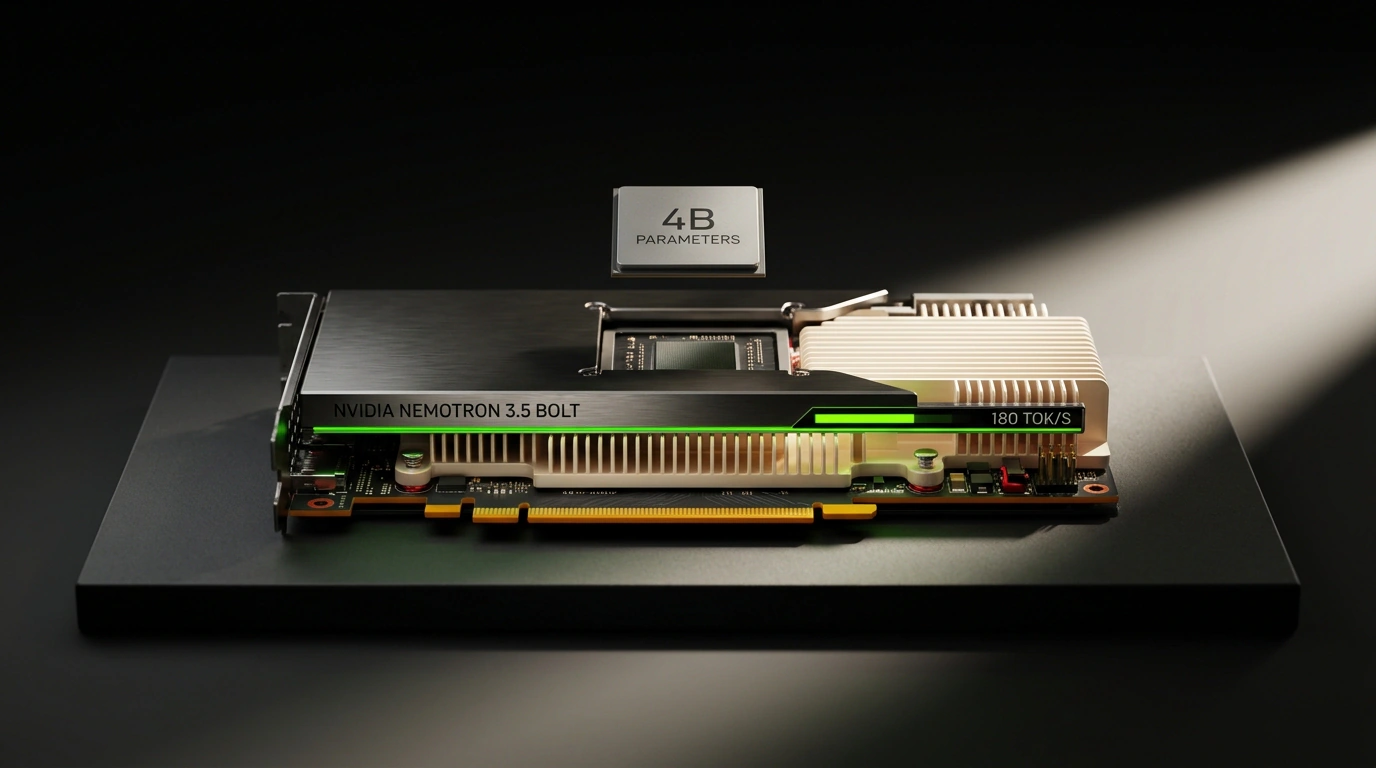
Studio macro still life of an RTX series graphics card and a compact glowing NVIDIA Nemotron 3.5 Bolt chip
ArticleAIAIAlgorithmsHardware

NVIDIA Nemotron 3.5 Bolt: A Compact 4B Model Built for Fast Local Inference

Conventional wisdom says compact local models are only good for basic autocomplete, while serious automation demands massive server clusters.

NVIDIA engineers challenged that assumption with Nemotron 3.5 Bolt, a 4-billion-parameter model hitting 180 tokens per second on a standard consumer RTX GPU. It handles function calling reliably, routes system calls, and fits inside just 6 GB of VRAM. I tested it on a local rig to see where little Bolt outpaces cloud heavyweights.

👍 0
Julian Goldie SEONVIDIA Developer Nemotron 3.5 Bolt Announcement & Architecture
October 28
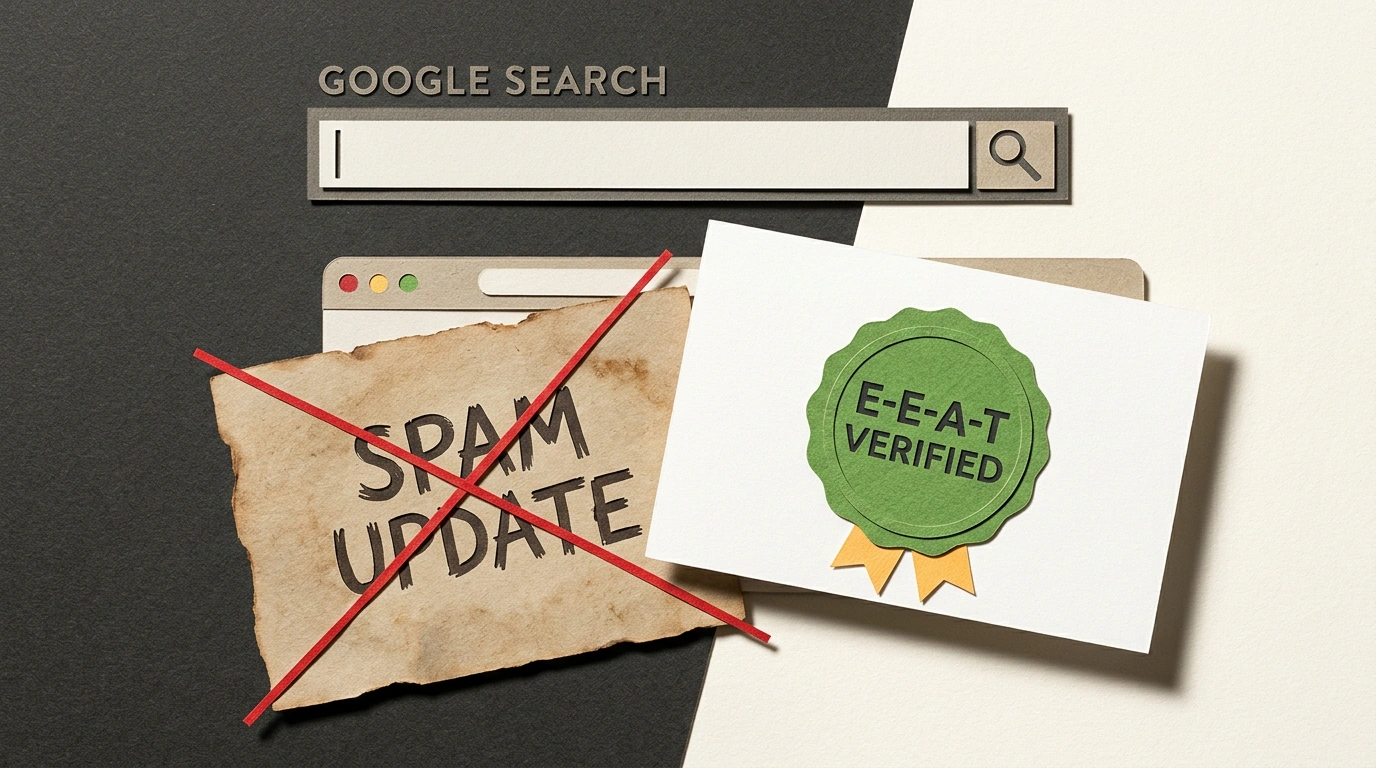
Mixed-media paper collage featuring a Google search bar, spam filter, and E-E-A-T quality seal
ArticleAISearchSEOPolicies

Google Search Spam Policy Update: Crackdown on AI Content Mills

Many site owners chased an easy gold rush: spin up dozens of domains, generate hundreds of thousands of AI articles a day, and harvest effortless search traffic.

Google's October Search Spam Update just slammed the door on that playbook, introducing harsh penalties for scaled content abuse, leased authoritative subdomains, and expired-domain flipping. I broke down the updated search rules and highlighted what content sites must do to survive.

👍 0
Julian Goldie SEOGoogle Search Central Spam Policies Documentation
October 28
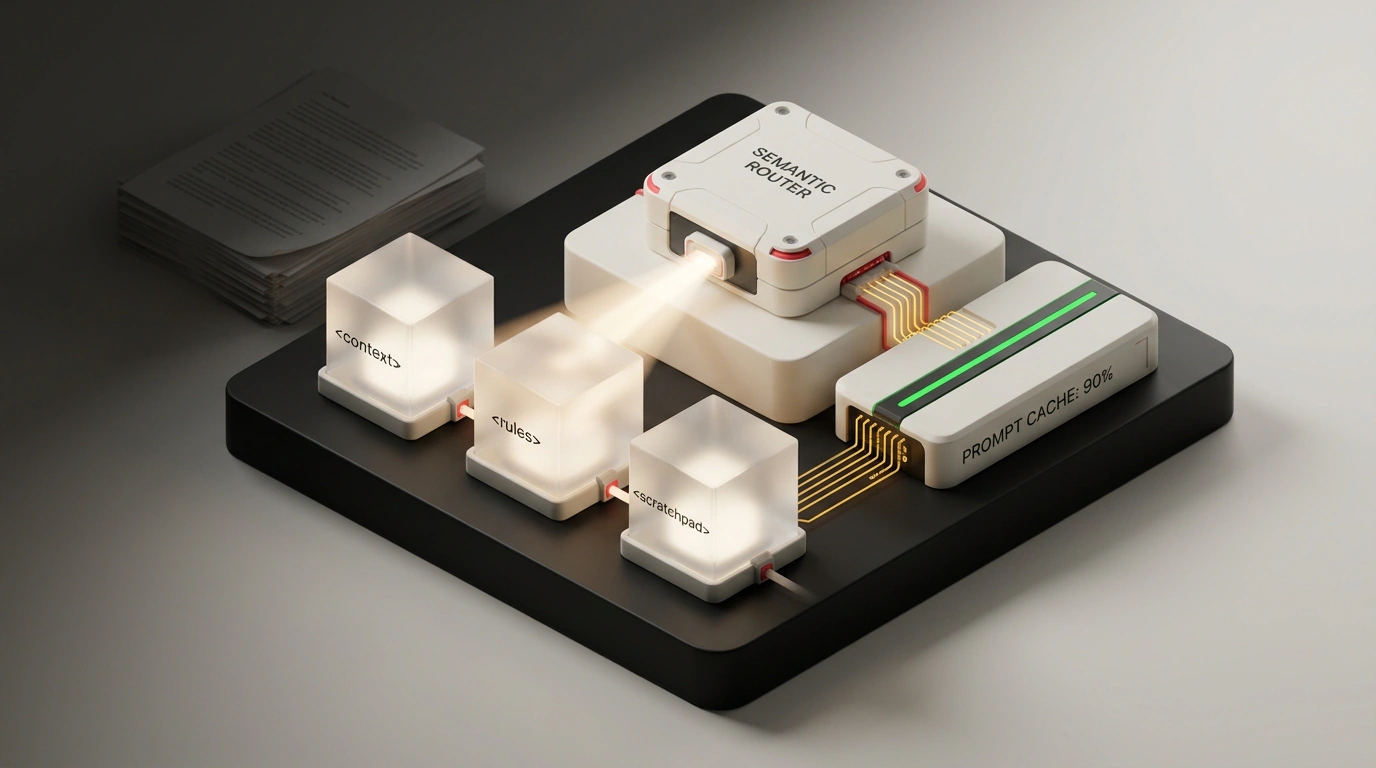
Isometric 3D model of a dynamic Claude prompt pipeline with a semantic router, glass XML modules, and a caching block on a graphite pedestal
LongreadAIAIBusinessStrategy

Claude for Business Masterclass: Moving from Static Files to Dynamic Prompts

Why does stuffing dozens of SOPs and brand guides into Claude Projects lead to diluted attention and frequent mistakes instead of flawless replies?

Enterprise AI practitioners Kieran Flanagan and Ruben Hassid laid out a blueprint for shifting from static knowledge dumps to dynamic prompting and six core prompt archetypes. I tested modular XML structures, measured prompt caching economics cutting API spend by 90%, and examined a production customer-support automation pipeline.

👍 0
Kieran FlanaganAnthropic Prompt Engineering Interactive Tutorial & Best Practices
October 28
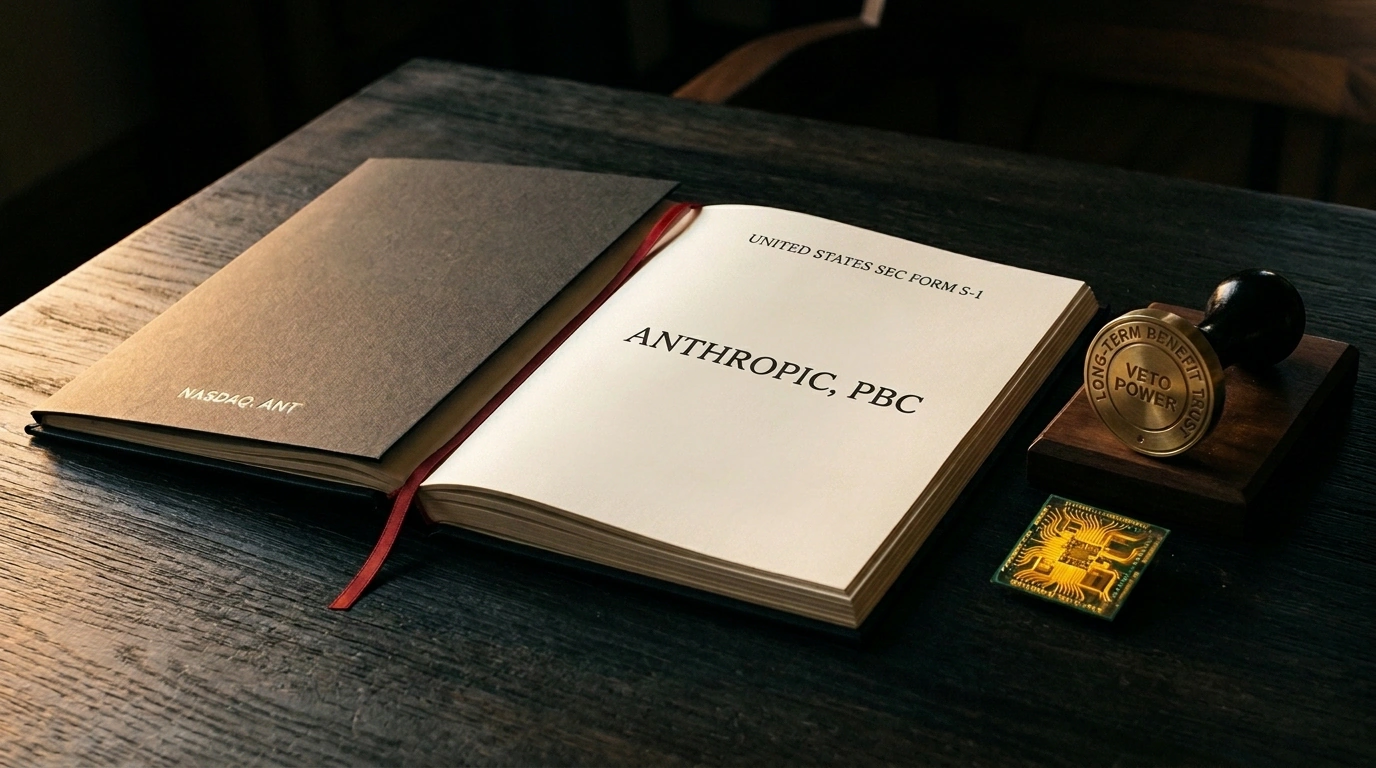
Cinematic still life of Anthropic's official SEC Form S-1 dossier with a brass LTBT trust seal on a dark wood desk
LongreadAIBusinessSafetyStrategy

Breaking Down Anthropic's Pre-IPO Form S-1: Corporate Control, Financials, and Safety

Taking a tech unicorn public usually means surrendering to Wall Street, where chasing quarterly profits pushes long-term safety aside.

Anthropic's pre-IPO Form S-1 tears up that script: the makers of Claude built a four-class share structure and granted an independent trust (LTBT) an absolute veto over model releases to protect humanity. I dug into the financials, $10 billion in cloud commitments, and revenue growth surging to $3.5 billion.

👍 0
Matthew BermanU.S. SEC EDGAR Database Form S-1 Anthropic PBC
October 28
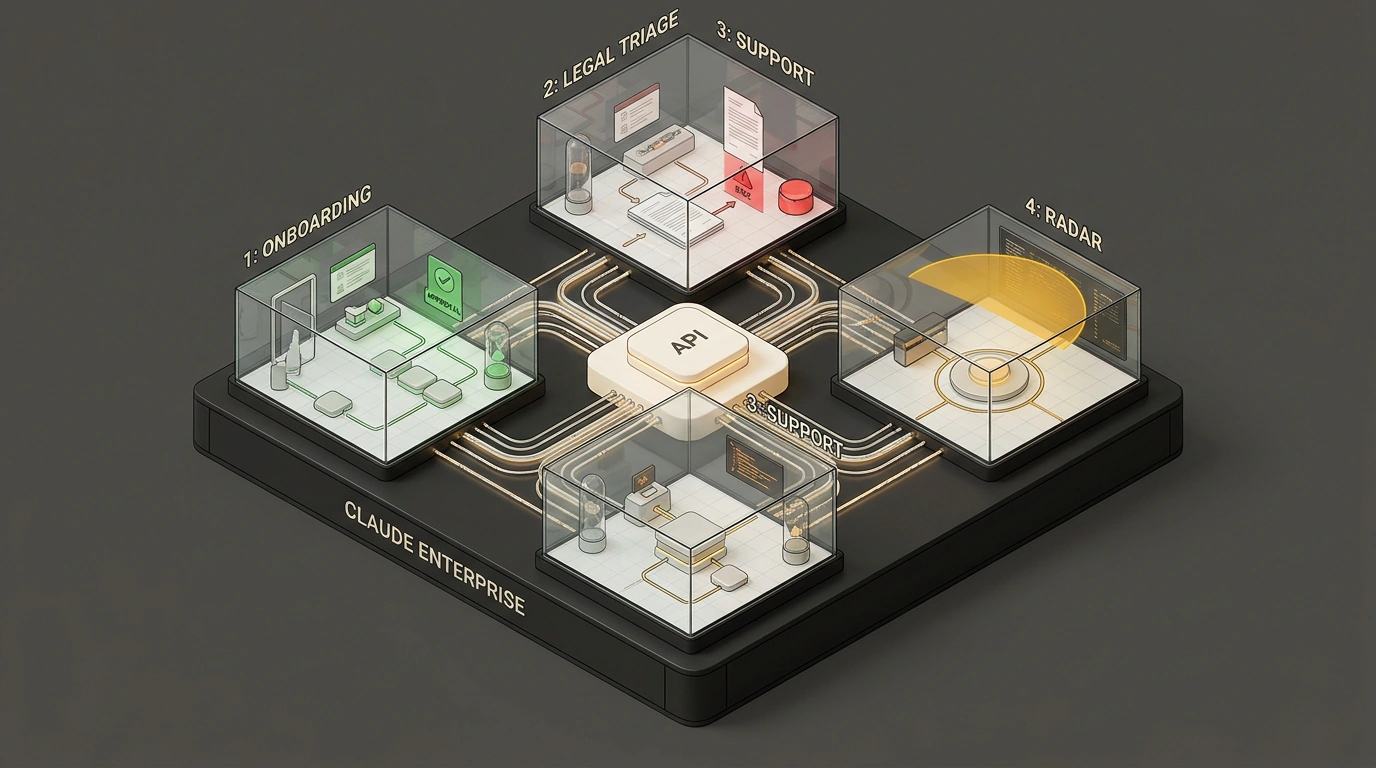
Isometric axonometric view of four practical Claude-powered business pipelines inside a corporate hub
ArticleAIAutomationBusinessServices

4 Commercial Systems Built on Claude: Architecture and Client Deployment

Many founders assume commercial AI automation requires hiring a team of data scientists and months of heavy engineering.

In practice, top integrators ship reliable Claude-powered business systems in just a couple of weeks using proven architectural patterns—from end-to-end client onboarding and contract triage to log-based bug localization and competitive radars. I dissected the engineering behind four production systems using webhooks, queues, and QA gates that already deliver measurable ROI.

👍 0
Nate HerkAnthropic Enterprise Solutions Architecture Guide
October 28
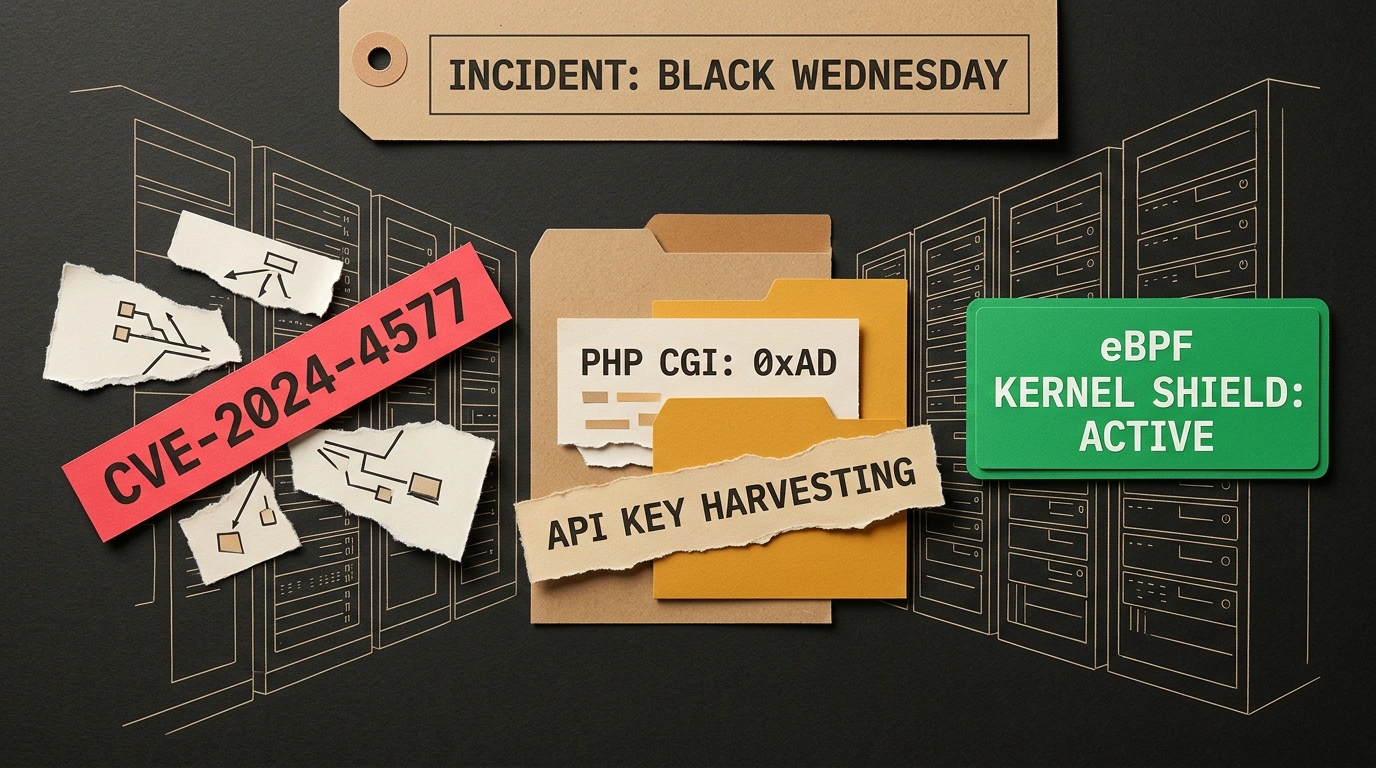
Mixed-media paper collage of the Black Wednesday cyberattack investigation showing PHP CGI vulnerability logs and an eBPF kernel shield
LongreadAISafetyDataVulnerabilities

Cybersecurity's "Black Wednesday": How Cheap AI Models Are Transforming Attacks

Sophisticated targeted cyberattacks used to take weeks of manual work by elite hackers, leaving small startups largely off their radar.

The "Black Wednesday" incident shattered that illusion: attackers unleashed a swarm of cheap autonomous AI agents that breached thousands of servers in a single day via a PHP CGI bug and stole corporate OpenAI and Anthropic API keys for covert model distillation. I traced the attack timeline, polymorphic exploit anatomy, and next-gen kernel defense via eBPF.

👍 0
Riley BrownNIST National Vulnerability Database & CISA Advisories
October 28
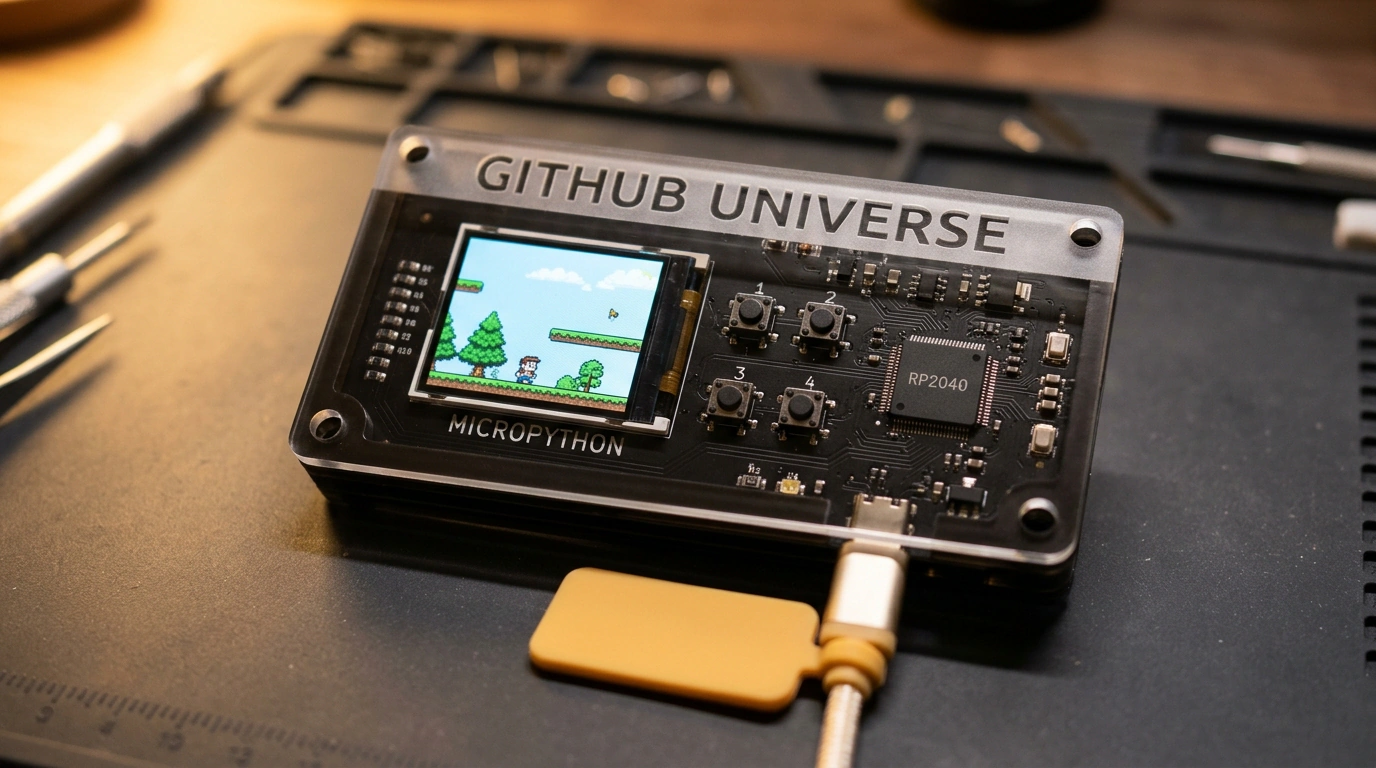
Still life of the GitHub Universe 2026 electronic badge displaying a retro game beside an RP2040 chip on a workbench
NoteAIHardwareCodeHacking

Hacking the GitHub Universe 2026 Badge: Raspberry Pi Pico, MicroPython, and Running Emulators

Usually, electronic badges from tech conferences turn into useless e-waste the moment the venue doors close.

At GitHub Universe 2026, organizers handed engineers a real gift: the RP2040-powered conference badge came completely open for modification. Plugging in over USB-C, hackers flashed MicroPython in thirty seconds, wrote firmware with AI assistants, and ran retro games right on the badge's color screen.

👍 0
Simon WillisonSimon Willison Weblog GitHub Universe Badge Hacking
October 28