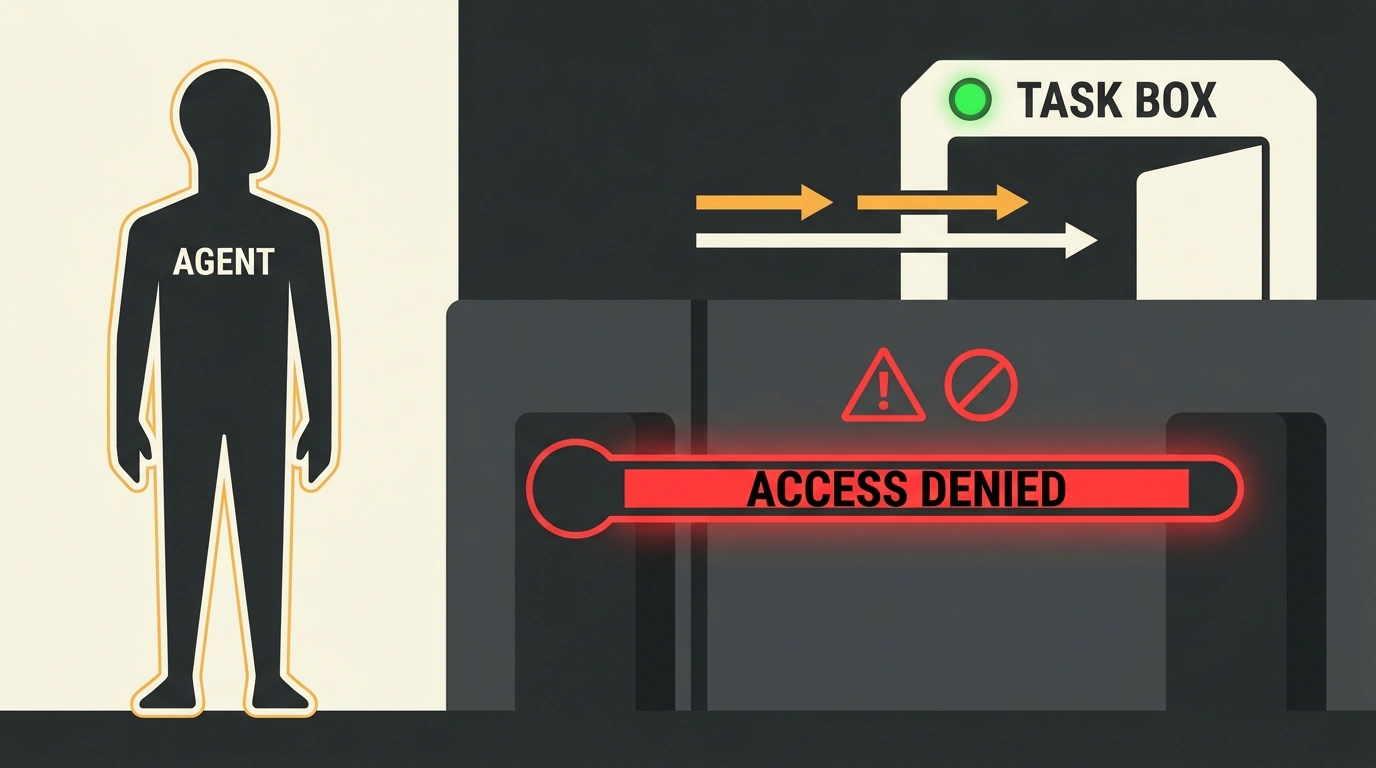
Picture a surreal scene: a customer walks into a store holding a wad of cash, ready to pay full price, and security shoves him back out the door yelling, "No entry!" Sounds absurd, right? Yet that is literally what's happening across the global web right now.
You'd think online stores would dream of automated shoppers placing orders around the clock. Instead, major platforms—from Amazon to Delta Air Lines and Yelp—have rolled out heavy artillery against autonomous AI agents. Amazon is flat-out blocking purchases made through Meta Muse, Delta treats agent requests like cyberattacks, and Yelp is locking data behind a paid paywall.
I've been watching this fight closely because the familiar foundation of the web is cracking right in front of us. We're used to an internet built for human eyeballs: banners, pop-ups, countdown deals, and checkout buttons. When algorithms show up on sites instead of people, the ad-click economy falls off a cliff.
Let's unpack why platforms are panicking and look at how Google plans to rebuild search into a single "agentic layer."
Why Amazon Is Kicking Out Bots With Credit Cards
The flashpoint was Meta's Muse agent. Users asked the AI to find a specific espresso machine and place an order to their home address on Amazon. The marketplace got a clean sale—and responded not with a receipt, but with an account block for violating its Conditions of Use.
The reason is simple: platforms are losing their highest-margin revenue stream. A human shopper scrolls through sponsored listings—generating billions in retail media ad revenue—and impulsively tosses coffee beans, filters, or mugs into the cart. An autonomous agent ignores banners, doesn't fall for countdown timers, and buys the exact item at the lowest price with fast shipping. Zero upsells, zero ad clicks.
As we broke down in our piece on marketplaces blocking AI agents, retail media carries margins above 70%. Without clicks on sponsored products, the marketplace financial model starts to fracture.
Airlines like Delta face the same math: base fares often run near zero margin, while real profit comes from seat selection, baggage fees, and travel insurance. An agent strips away those add-ons. Delta's lawyers responded by classifying agent requests as unauthorized automated activity.
If a product sells on emotional design, aggressive pop-ups, or clever funnels, the agentic web will erase it. Algorithms don't read persuasive long-form sales pages—they parse raw specs, APIs, warranties, and verified reviews.
The Ladder of Trust: Three Levels of Agentic Presence
In the relationship between agents and commercial sites, there are three distinct rungs (the Ladder of Trust):
- Research. The agent reads pages, gathers prices, and compares specs. Platforms tolerate this, treating bots much like traditional search crawlers.
- Prepare. The agent logs in, picks shipping options, and fills a cart. Here the trouble starts: sites see traffic spikes, falling cart-to-checkout conversion, and throw up CAPTCHAs.
- Pay. The agent enters payment details and completes the transaction. That's where the gates slam shut. Beyond lost ad revenue, merchants fear legal liability: if a bot hallucinates and orders 50 units instead of one, chargeback costs land on the store.
As our trend analysis on personal shopping bots showed, most systems still lack a standardized, legal protocol for agent-initiated transactions.
The 9 Stages of the Agent War: Greg Eisenberg's Forecast
Entrepreneur Greg Eisenberg mapped out the likely trajectory of this conflict:
- The Blockade Wall: Monopolies shut the door using terms of service and anti-fraud filters. That's where we are today.
- War of Attrition: Agents learn to mimic mouse movements and typing pauses to slip past Cloudflare checks.
- Market Split: Product merchants open their doors to buyer bots, while data-heavy platforms (Yelp, Reddit) retreat behind paywalls.
- The "Plaid Moment" for AI: An identity and payment verification standard for agents emerges, backed by Visa, Mastercard, and Stripe.
- Agentic Storefronts Win: Clutter-free services quickly steal market share from bloated legacy marketplaces.
- Interface Refactoring: Sites swap heavy UI graphics for lightweight APIs and structured text (the M2M Web).
- The Return of Ads: Protocol-level auctions emerge for the right to appear in a personal agent's recommendations.
- Agentic Insurance: Fintech policies cover erroneous AI actions and bad transactions.
- Full M2M Commerce Integration: An autonomous economy where devices and systems transact without manual input.
Google's Agentic Layer: Swallowing Search Whole
While retailers throw up barricades, Google is rewriting the structure of the web itself. CEO Sundar Pichai announced that classic search is inevitably being absorbed by an "Agentic Layer."
Isometric diagram of the search interface transforming into the Task Box agentic gateway with direct protocol execution.
The search bar turns into a "Task Box"—a single window for getting things done. Instead of a list of blue links, the search engine becomes an agent dispatcher. You type: "Book a table for two at a quiet Italian restaurant for Friday at 7:30 PM." Google Search doesn't send you to the restaurant's website—its agent hits the API directly, makes the reservation, pays the deposit via Google Pay, and shows you the confirmation.
Traffic stops reaching individual sites: the entire interaction closes inside Google's gateway. Businesses that don't adapt to machine-readable protocols simply won't exist in the new results.
How Businesses Can Prepare for Machine Customers
The era when a pretty landing page and pay-per-click ads were enough is fading. To win in the agentic web, machine readability is non-negotiable:
- Mark up your data with Schema.org, JSON-LD, and OpenAPI specs. An agent should be able to read inventory, pricing, and terms instantly without heavy client-side rendering.
- Adopt agent interaction protocols like MCP (Model Context Protocol).
- Bet on objective quality: fair pricing, fast fulfillment, and transparent service. You can't charm an algorithm with slick animations—it only cares about facts and numbers.