Issue October 31Daily digest · 17 items
In this issueReviewed 68 sources, gathered 17 items
Architectural isometric diagram of the local OpenMausBot setup with a transparent protective sandbox capsule on a graphite platform.
ArticleAIAI AgentsOpen SourceDevelopment

OpenMausBot: An Open-Source Platform for Running and Isolating Local AI Agents

Cloud AI agents promise a revolution, yet expect you to hand over infrastructure keys and source code to someone else's servers. Local-first OpenMausBot spins up a team of autonomous bots right on your own machine, linking familiar CLI utilities in a single window. All history and secrets stay home, while risky commands hit a virtual sandbox. Striking the right balance between security and speed still takes some tuning.

👍 0
Best of JSGitHub: milind-soni/OpenMausBot
October 31
Staged still life with floating matte dashboard cards of the Shadcnstore Dashboard UI on a dark wooden desk.
ArticleDevelopmentDesignReactNext.js

Shadcnstore Dashboard: A Ready-to-Go Admin Template on Tailwind CSS v4 and shadcn/ui

Why spend three weeks building a standard admin panel from scratch when modern frontend tooling already has polished open-source starters? Shadcnstore Dashboard moves popular shadcn/ui components onto Tailwind CSS v4 and Base UI primitives. You get ready-made analytics screens, responsive tables, and a clean theming system without bloated configs. Getting the new declarative theme to play nicely with legacy custom libraries still takes a bit of work.

👍 0
Best of JSGitHub: shadcnstore/shadcn-dashboard-landing-template
October 31
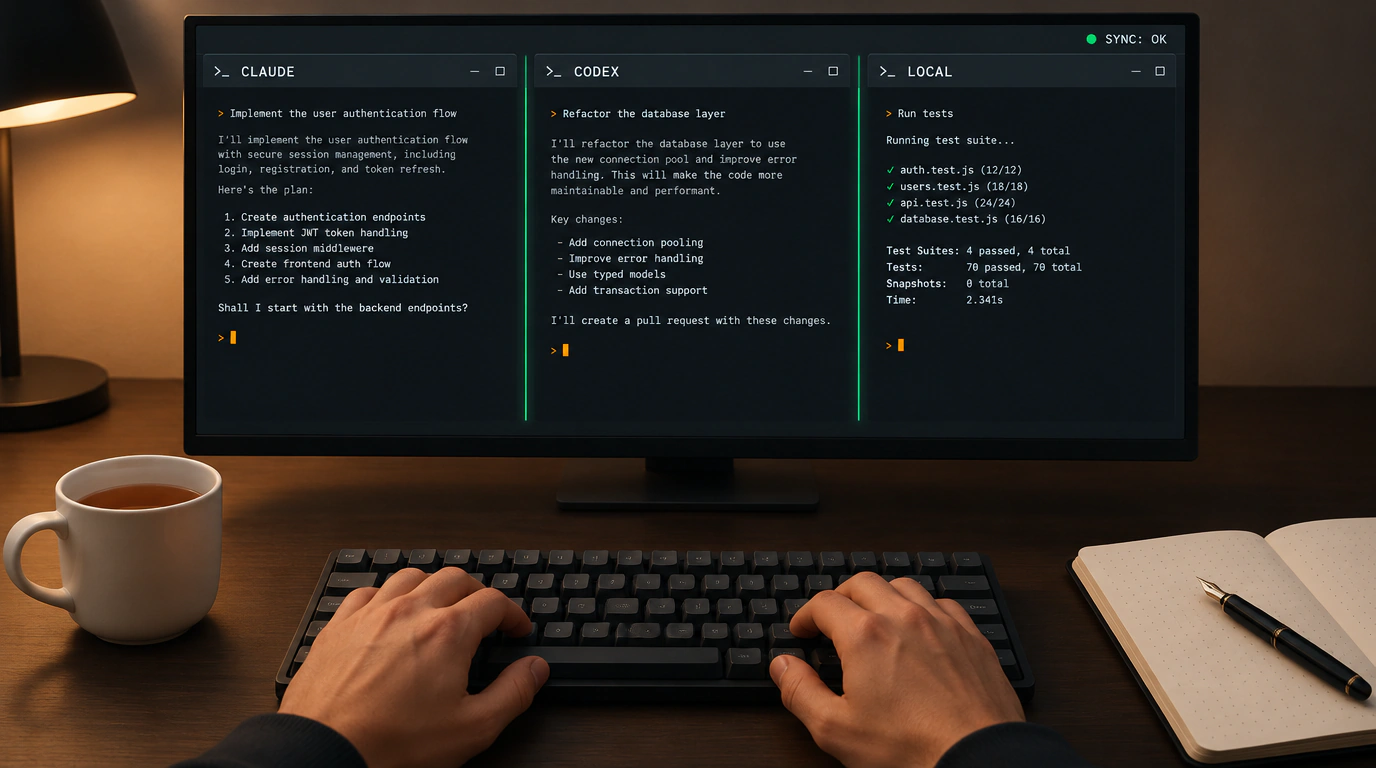
Cinematic first-person view of three codeg agent terminal streams running in a single window on an engineer's desk.
ArticleAIAI AgentsDevelopmentAutomation

codeg: A Unified Workspace for Running Claude Code, Codex, and Local AI Agents in Parallel

When Claude Code, Codex, and local scripts are all running in a project at once, your screen quickly turns into a mess of a dozen terminal windows. Open-source codeg brings independent agent sessions together inside a single Rust and Tauri window. You get a shared context buffer, file-collision monitoring, and lower RAM usage. Resolving simultaneous write conflicts when multiple bots edit the same file still requires manual oversight.

👍 0
DevOps&SRE LibraryGitHub: spacering-net/codeg
October 31
Macro shot of a smartphone showing rapid taps on a plus button with unwanted zoom cleanly disabled via CSS.
NoteDevelopmentFrontendCSSInterfaces

Killing Unwanted Zoom on Rapid Button Taps: The Magic of CSS touch-action

Two quick taps on a shopping cart's plus button, and a mobile screen suddenly zooms in instead of adding the item. The old habit of disabling zoom via the viewport meta tag breaks accessibility for low-vision users.

The clean fix is the standard CSS touch-action property set to manipulation. It disables unwanted double-tap zoom on that specific button while keeping page scrolling intact. Slapping that rule globally onto everything, however, creates new gesture headaches.

👍 0
Библиотека фронтендераMDN Web Docs: touch-action
October 31
Minimalist 3D render of the modular Wails 3.0 framework connecting a lightweight native Go engine with a web window.
ArticleDevelopmentGolangWailsDesktop

Wails 3.0: The Long-Awaited Framework Release for Building Go Desktop Apps

Pairing Go with web UIs on the desktop used to mean painful compromises: either heavyweight Electron with hundreds of megabytes of overhead, or brittle CGO bindings. The long-awaited Wails 3.0 major release rethinks desktop app architecture from the ground up.

You now get true multi-window support, built-in system tray integration, and auto-generated strict TypeScript contracts for calling Go functions from the frontend. Cross-compiling across platforms still requires careful build-environment setup.

👍 0
Go Weekly
October 31
Infographic diagram of Go's token bucket algorithm showing an overflowing burst reservoir and a concurrency gate.
ArticleDevelopmentGolangAlgorithmsBackend

How Go's rate.NewLimiter Works: Why burst Doesn't Cap Concurrency

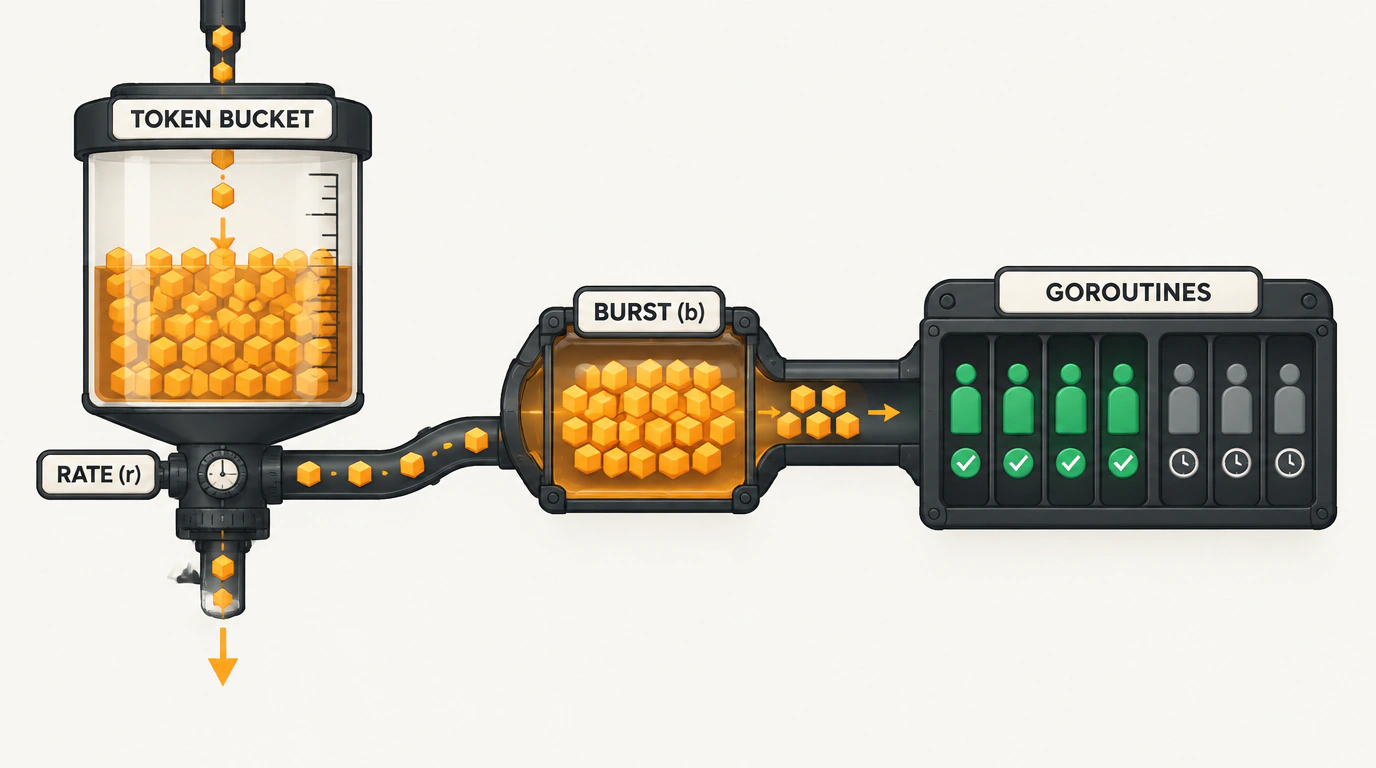
Many developers assume rate.NewLimiter shields their backend from database overload. In reality, a classic token bucket only regulates average event frequency over time, not how many goroutines run at once. During a sudden traffic spike, the burst parameter lets a heavy batch of tasks through that can overwhelm DB connections. Knowing the difference between a rate limiter and a semaphore saves services from sudden degradation, though tuning buffer and latency takes practice.

👍 0
Библиотека Go-разработчикаGo Packages: golang.org/x/time/rate
October 31
Conceptual still life of a monumental stepped pyramid built from graphite blocks of overengineered architecture, sealed at the base in a solid concrete block marked with a 100% test-coverage status.
LongreadAIDevelopmentArchitectureTesting

The Anatomy of AI Overengineering: How Neural Networks Breed Dead Code and Concrete It With Tests

AI models write code at frightening speed, yet ruthlessly bloat service architectures with dozens of dummy abstractions. In a viral talk, Timur Shemsedinov exposed how systems decay: AI spawns useless factories and adapters, then cements those stillborn structures with thousands of synthetic unit tests. The codebase turns into an impassable swamp where refactoring becomes impossible. Learning when to tell generated code a firm no is a skill few teams master early.

👍 0
HowProgrammingWorksNode.js Ukraine / MetarhiaYouTube: Timur Shemsedinov — Доклад об оверинжиниринге и мертвом коде от ИИ
October 31
Staged still life featuring two Databasus backup drives and a green indicator confirming verified restoration.
ArticleSafetyDataDatabasesDevOps

Databasus: A Reliable Open-Source Backup Tool That Actually Verifies Restores

A backup nobody has ever restored offers zero real safety. Most production outages expose a painful truth: archives are corrupt, credentials are stale, or tables won't load. Open-source, self-hosted Databasus automates database snapshots with mandatory test restores inside an isolated sandbox. Setting up seamless Point-in-Time Recovery for multi-terabyte PostgreSQL clusters still demands a solid grasp of WAL.

👍 0
Linux | Network | DevOpsGitHub: databasus/databasus
October 31
Graphic risograph print illustrating a polyglot pnpm 12.17.0 monorepo structure and dependency audit.
ArticleDevelopmentAutomationNode.jsPackages

pnpm 12.17.0 Release: Global Peer Dependency Audits and Cargo Support in outdated

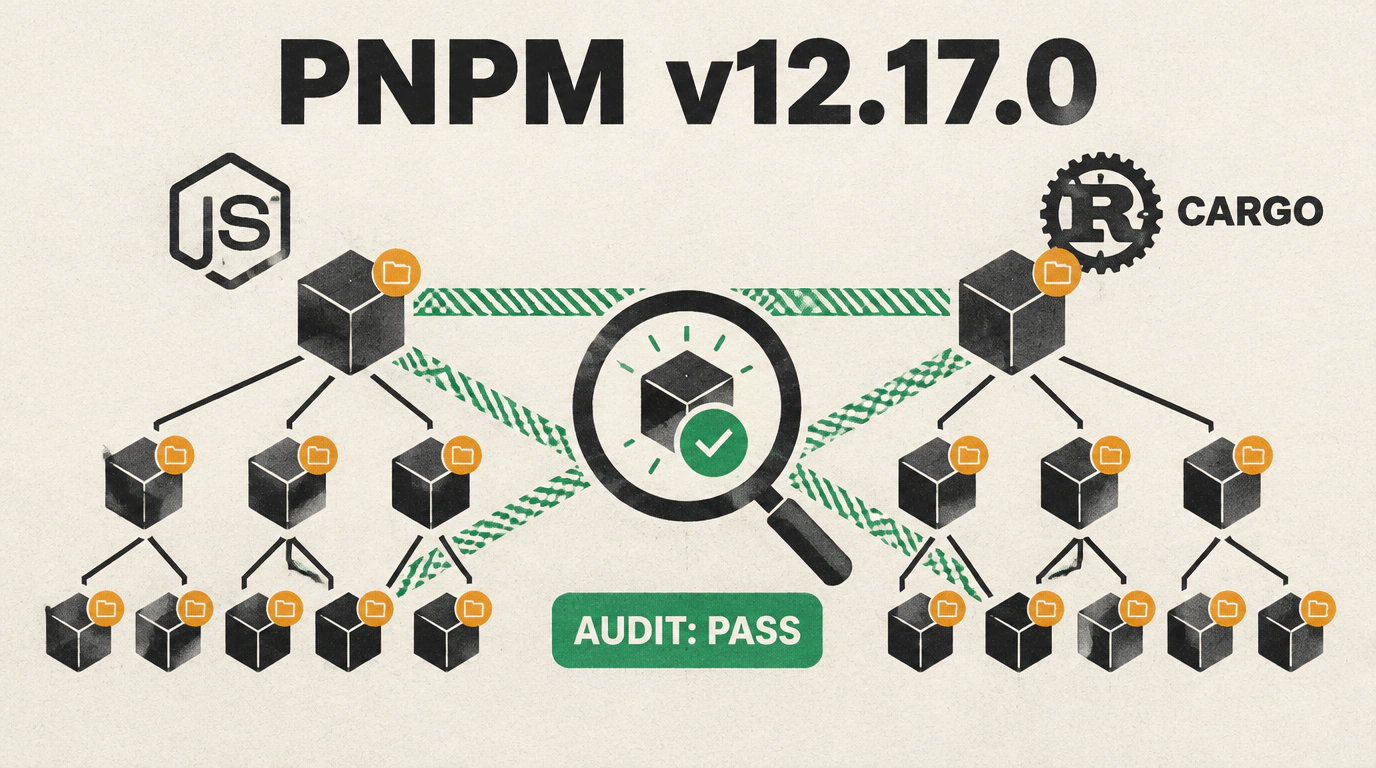
pnpm 12.17.0 tackles long-standing pain points in sprawling monorepos and polyglot projects. Developers get three headline upgrades:

  • A global peer-dependency audit command across the entire monorepo.
  • Outdated package checks for Cargo and Python ecosystems right inside pnpm outdated.
  • Strict runtime environment pinning via the devEngines section.

Keeping versions synchronized across large repos still takes discipline.

👍 0
pnpm BlogGitHub: pnpm/pnpm Release v12.17.0
October 31
Comparative studio still life of two dropdown cards: heavy DOM rendering versus virtualized scrolling.
ArticleDevelopmentAnalyticsReactPerformance

Design Systems Under Load: Why Dropdowns Freeze Your UI

A sleek Select from a popular component library looks great in Figma, yet can freeze a browser tab solid when rendering a couple thousand items. French engineer Romain Clément benchmarked MUI, Mantine, and Ant Design under load. His numbers revealed a dramatic gap in memory usage and dropdown render times. Picking a fast component without sacrificing accessibility remains a nontrivial engineering challenge.

👍 0
React StatusDen Odell: Design systems should be fast by default
October 31
Infographic patent-style blueprint of PostgreSQL transaction timeouts showing a statement_timeout counter and lock interruption.
NoteDataPostgreSQLDatabasesOptimization

Basic PostgreSQL Hygiene: Why Every Database Needs statement_timeout

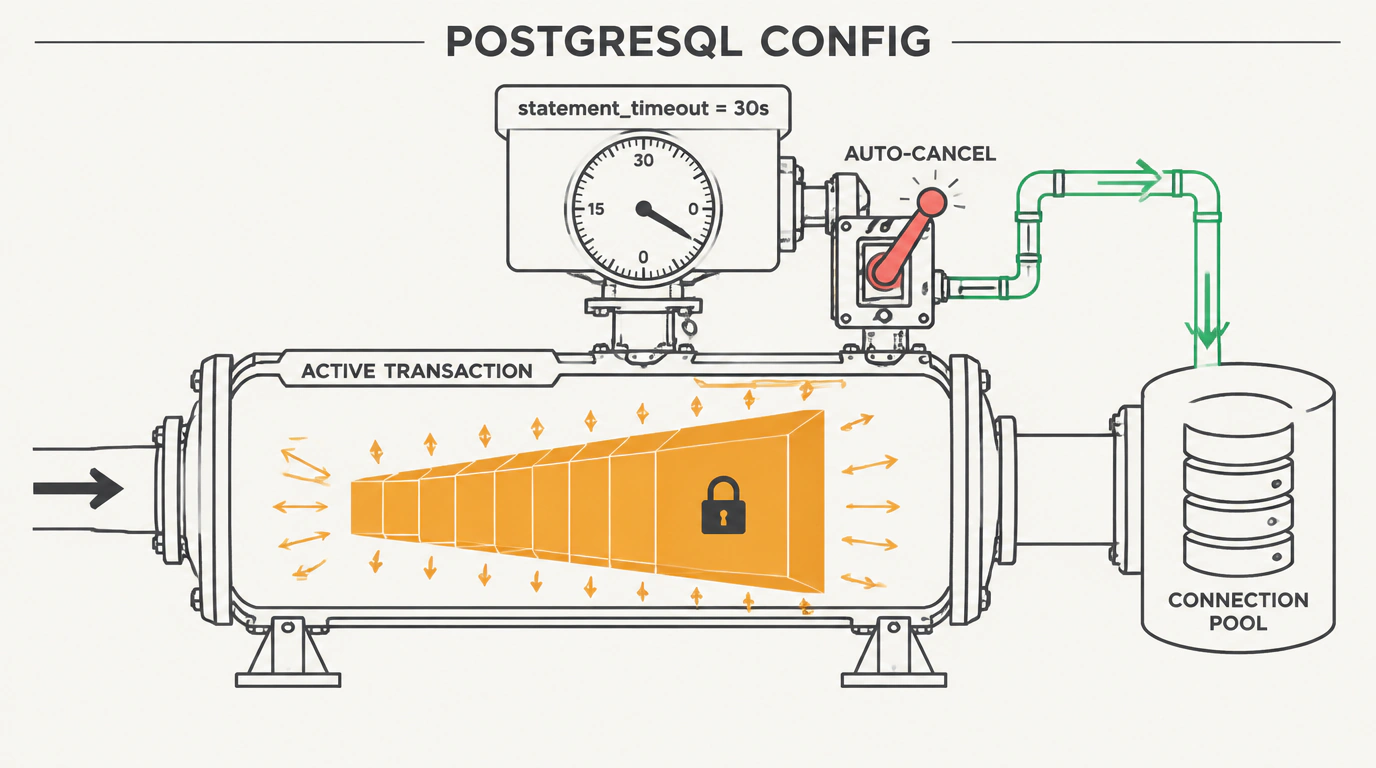
One heavy analytics query can quietly lock up an entire database and trigger cascading microservice failures. Out of the box, PostgreSQL lets any SQL statement run indefinitely, piling up row locks and exhausting connection pools. Setting a protective statement_timeout alongside idle-transaction limits keeps clusters from grinding to a halt. Slapping a blind global timeout everywhere, however, can break routine backups.

👍 0
SQL PortalPostgreSQL Documentation: Statement Behavior and Timeouts
October 31
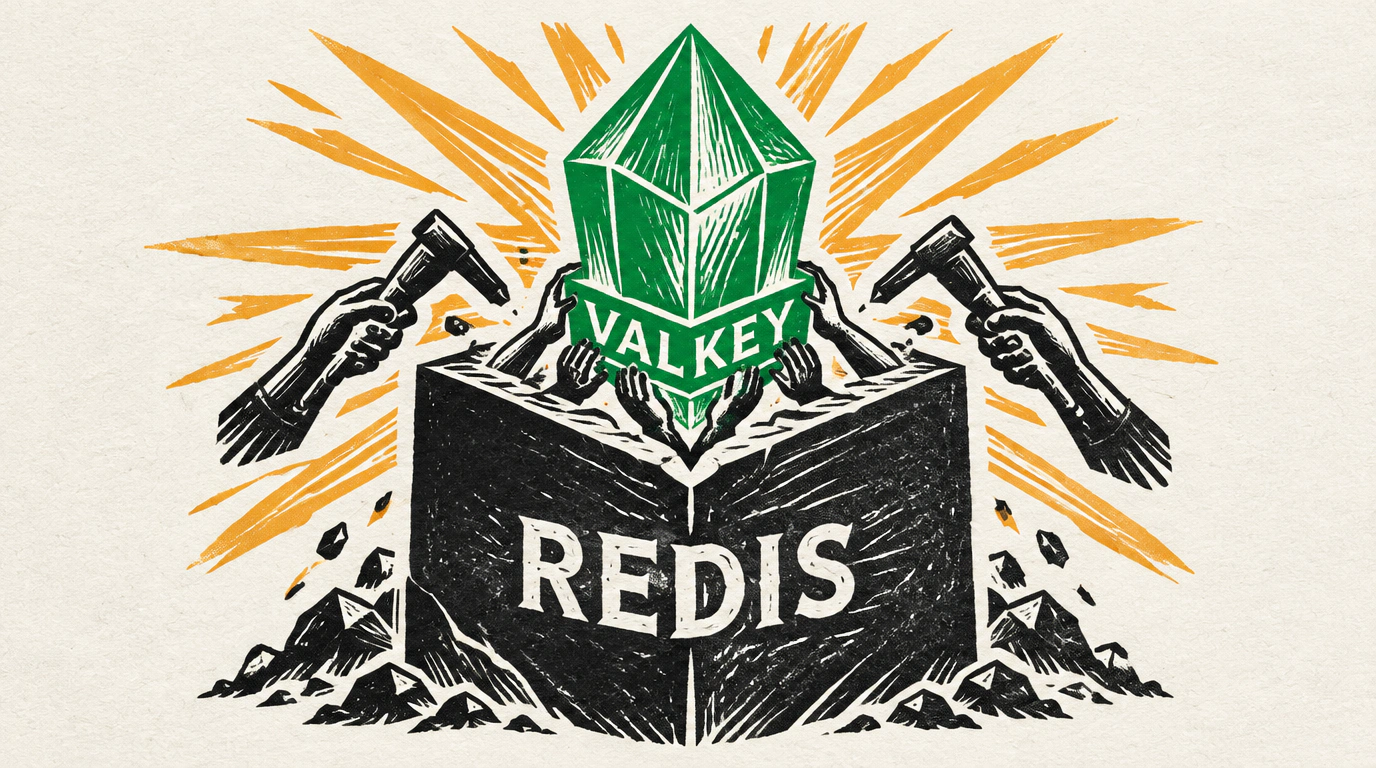
Conceptual linocut print showing the monolithic Redis cube splitting open as an independent open-source Valkey crystal emerges.
NoteOpen SourceDatabasesLicensingValkey

Redis Licensing Lessons: How Abandoning Open Source Sparked the Valkey Fork

Redis's sudden switch from permissive BSD to commercial RSALv2 licensing was meant to curb cloud giants, yet ended up shattering community trust.

Core maintainers and major tech companies responded by launching the independent Valkey fork under the Linux Foundation. Within months, Linux distros and cloud providers moved to the new open standard. Matching the original cache's mindshare in a crowded market will still take fierce execution.

👍 0
SQL PortalLinux Foundation: Valkey Project Announcement
October 31
Isometric architectural model of Vue 3 and Nuxt showing coordinated Pinia Colada integration and SFC typing.
Thematic roundup3 sectionsDevelopmentVueNuxtFrontend

Vue and Nuxt Digest: Pinia Colada Upgrades and Stricter Typing in Vue Language Tools

Hydration memory leaks and phantom TypeScript errors in templates are two perennial headaches in Vue 3 and Nuxt apps.

A coordinated fall release wave for Pinia Colada and Vue Language Tools brings automatic cancellation of stale requests via AbortController, JSON cache exports, and strict typing for generic slots. Coordinating package upgrades across large monorepos still calls for careful dependency checks.

👍 0
VueDigestGitHub: posva/pinia-colada Release v1.4.9
October 31
Conceptual chiaroscuro still life with a weathered wooden signpost for an abandoned domain and DeadTag web-traffic interception.
ArticleSafetyDevelopmentVulnerabilitiesWeb

The DeadTag Attack: Why Forgotten Third-Party Script Tags on Expired Domains Are So Dangerous

A forgotten analytics counter or review widget tag sitting in your HTML can hand attackers direct access to user data.

Security researchers detailed the DeadTag attack vector: attackers snap up expired domains of defunct SaaS tools and serve malicious JavaScript to millions of trusting sites. Strict Content Security Policy rules and SRI hashes keep projects safe, though auditing every legacy script tag is easier said than done.

👍 0
Node.JS [ru]Report URI Blog: DeadTag — How Forgotten Website Tags Became a Delivery Network for iPhone Spyware
October 31
Staged still life with precision apothecary scales weighing Angular's heavy token spend against Hono's lightweight footprint.
ArticleAIDevelopmentAnalyticsBenchmarks

The Hidden AI Cost of Frameworks: Why Agents Spend More Money Writing Angular Than Hono

In the era of AI coding, building the exact same web feature costs wildly different amounts depending on your stack. Web engineer Nolan Lawson tasked autonomous agents with building an app across 12 JavaScript frameworks and tracked token spend. Stacks built on Hono and Astro cost roughly half as much as heavyweight Angular. Understanding why requires looking straight at the architectural boilerplate under the hood.

👍 0
Веб-стандартыNolan Lawson: The AI cost of JavaScript frameworks
October 31